Reactive oxygen species (ROS) in cancer: from mechanism to therapeutic implications
Sharmin Akter, Rajesh Madhuvilakku, Anik Kumar Kar, Irin Sultana Nila, Pengda Liu, Hiroyuki Inuzuka, Wenyi Wei, Yonggeun Hong

TL;DR
This paper reviews how reactive oxygen species (ROS) contribute to cancer development and how they can be targeted for cancer therapy.
Contribution
The paper provides a comprehensive review of ROS's dual role in cancer and explores redox-based therapeutic strategies.
Findings
ROS can promote cancer by causing DNA damage and genomic instability.
ROS can also trigger cell death mechanisms like apoptosis and ferroptosis.
Modulating ROS homeostasis offers potential for selective cancer cell elimination.
Abstract
Reactive oxygen species (ROS) act as critical secondary messengers in various intracellular signaling pathways that regulate cellular proliferation, differentiation, and survival under normal physiological conditions. However, dysregulation of redox signaling—driven by genetic mutations, epigenetic alterations, and posttranscriptional or posttranslational modifications—plays a central role in malignant transformation and cancer progression. Cancer cells typically exhibit elevated basal ROS levels due to increased metabolic activity, mitochondrial dysfunction, and oncogene activation. This moderate oxidative stress promotes tumorigenesis by inducing DNA damage, genomic instability, and aberrant activation of proliferative and survival pathways, while also contributing to resistance to conventional therapies. Paradoxically, excessive ROS accumulation can overwhelm antioxidant defenses,…
Genes, proteins, chemicals, diseases, species, mutations and cell lines named across the full text — each resolved to its canonical identifier and authoritative record.
Click any figure to enlarge with its caption.
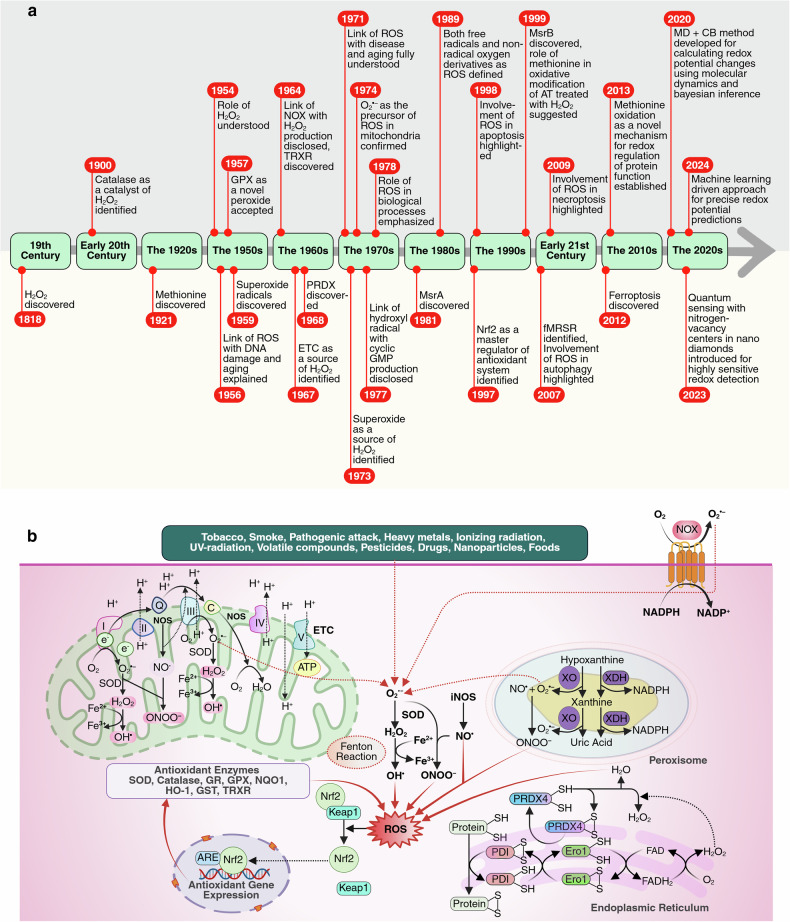 Figure 1
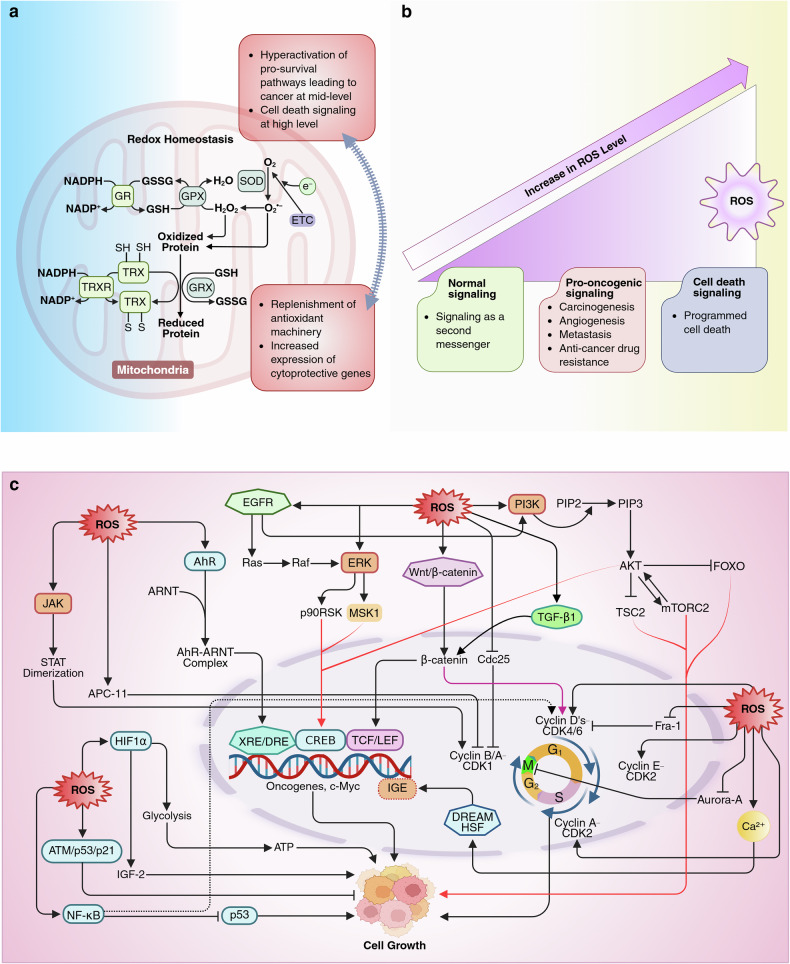 Figure 2
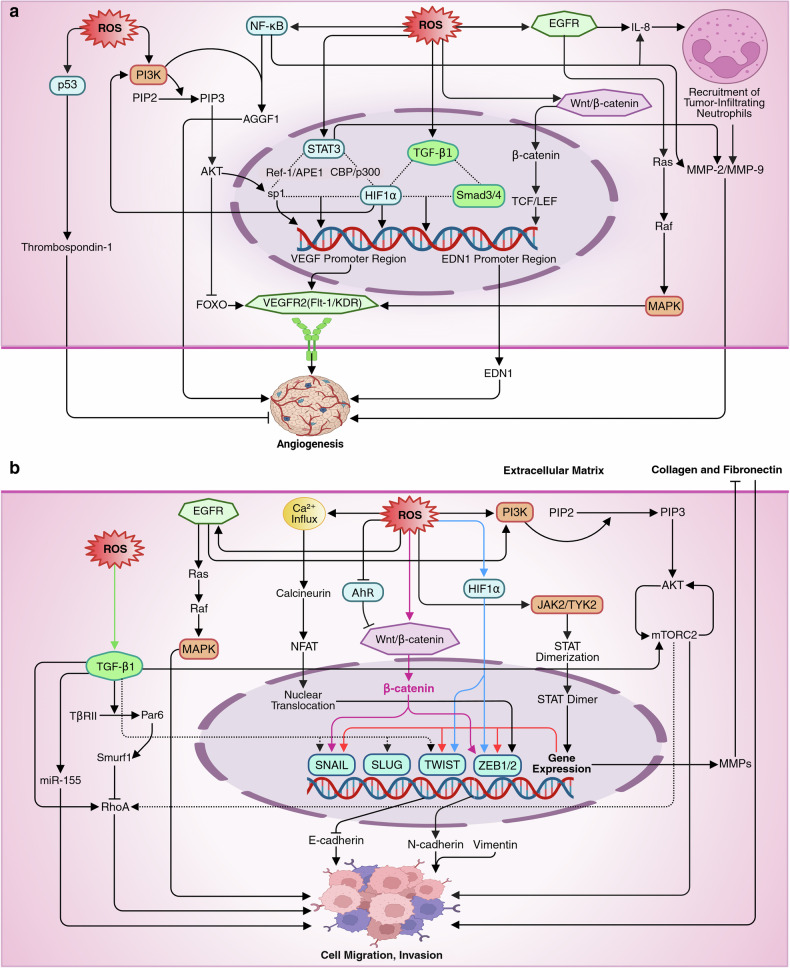 Figure 3
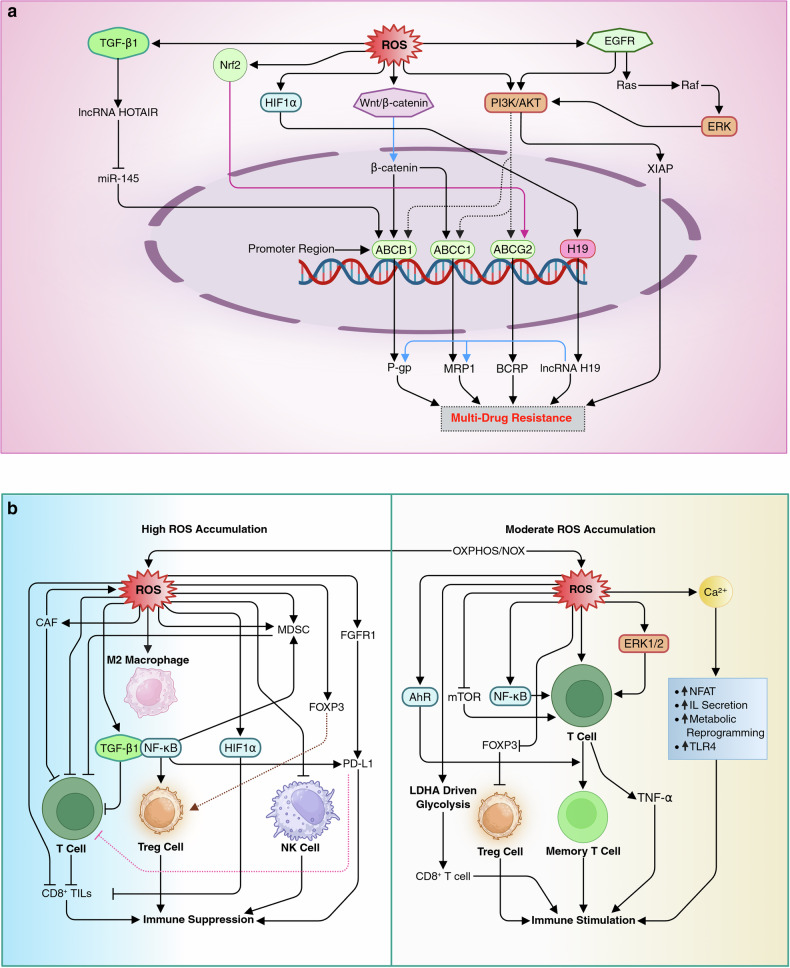 Figure 4
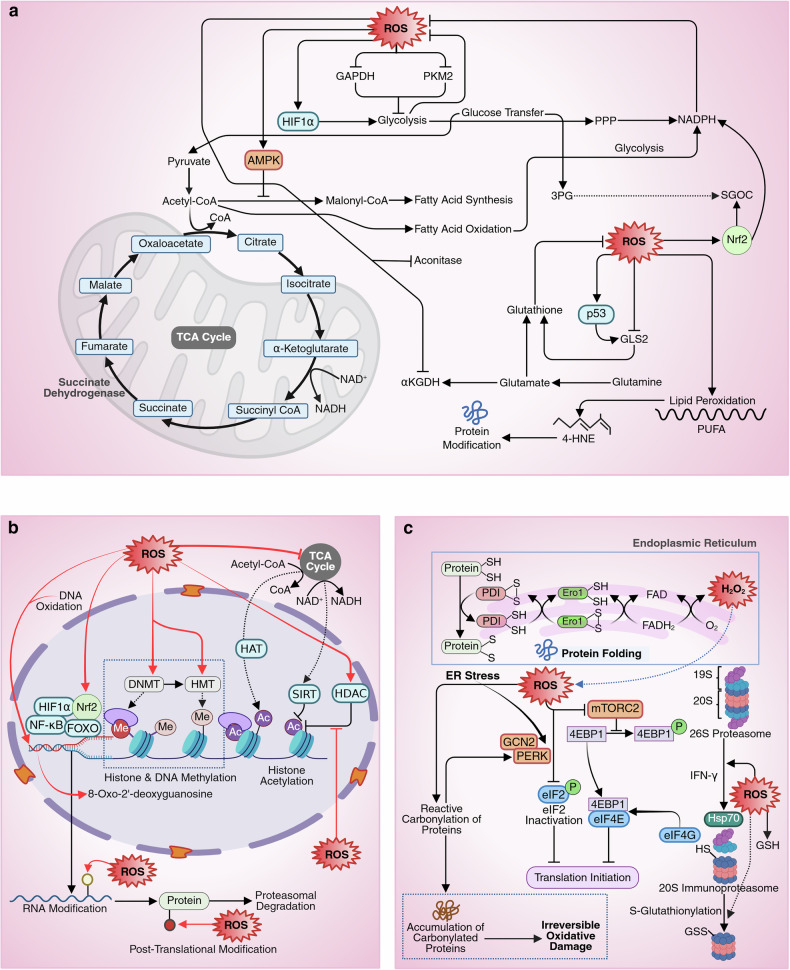 Figure 5
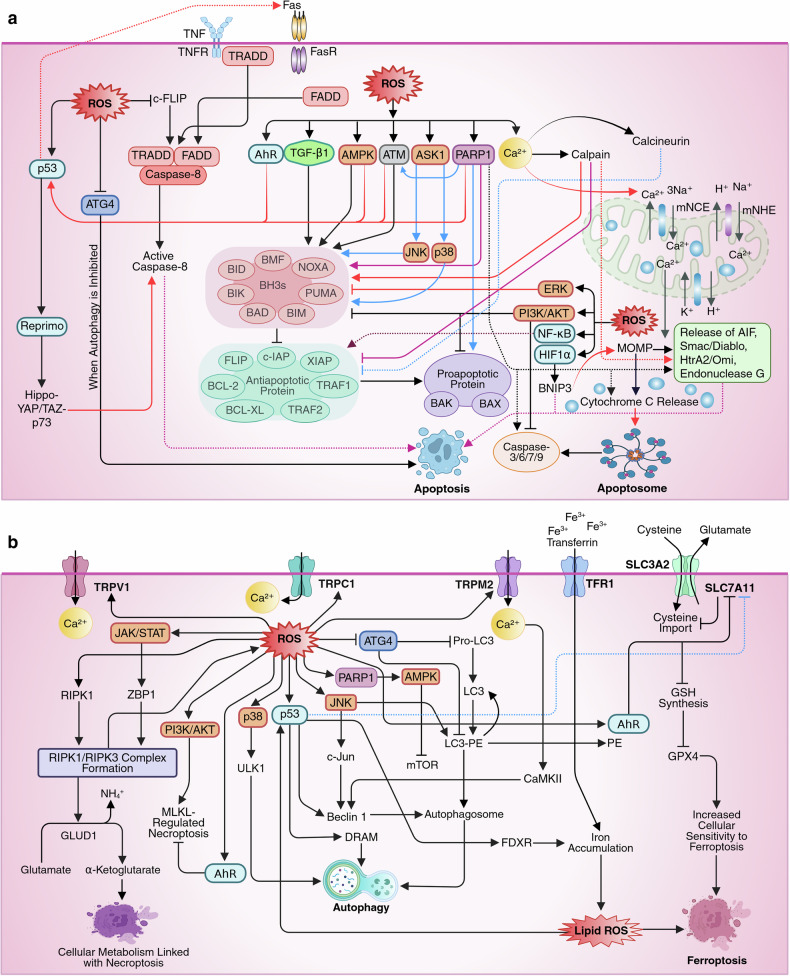 Figure 6
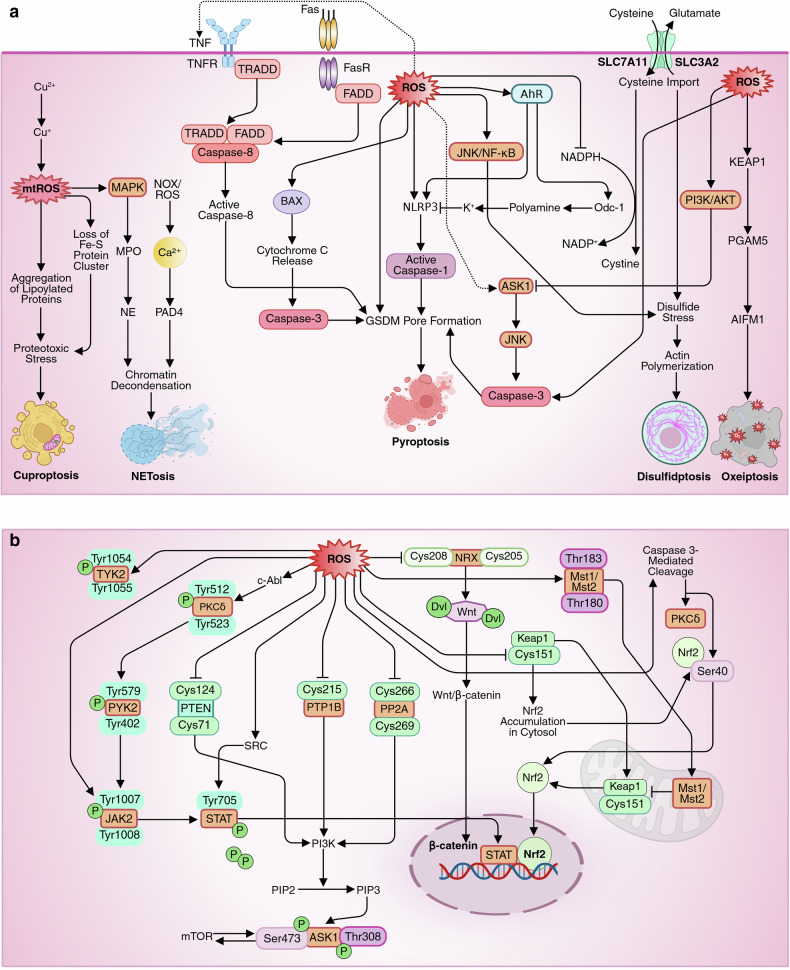 Figure 7
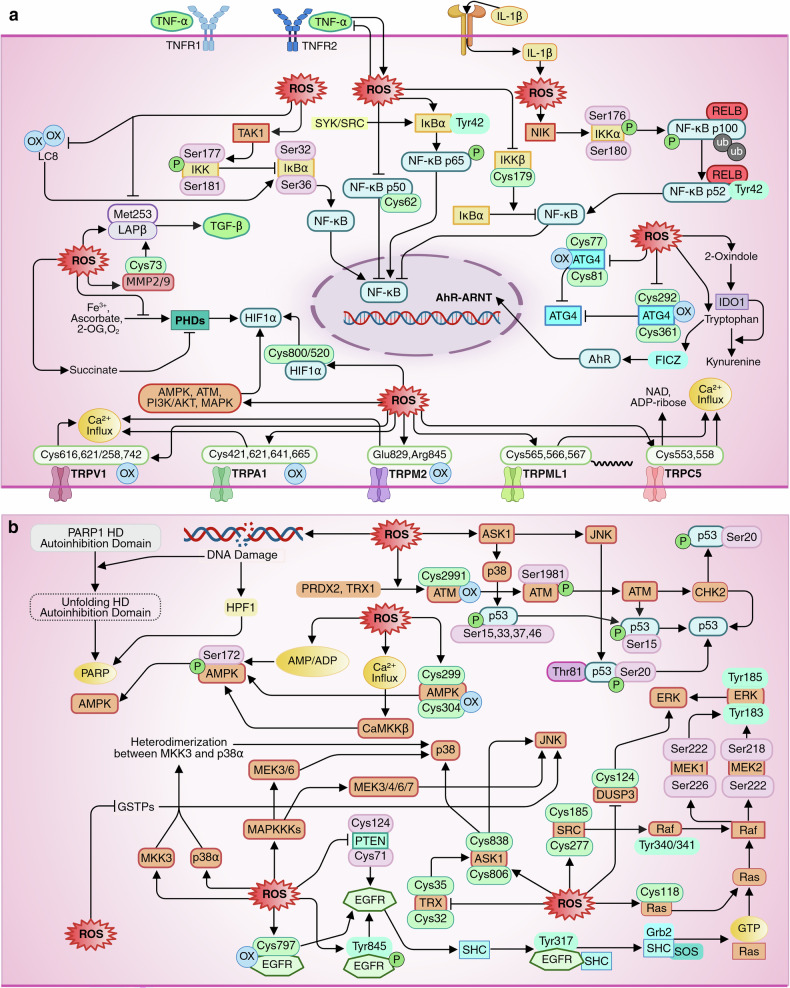 Figure 8
Peer Reviews
No public reviews on file for this paper yet. If you reviewed it on a platform where reviews are public (OpenReview, ICLR, NeurIPS, ICML), you can paste yours below so the community can read it here.
Videos
No videos yet. Explain this paper in a talk, walkthrough, or lecture? Add one.
Taxonomy
TopicsFerroptosis and cancer prognosis · Redox biology and oxidative stress · Ferrocene Chemistry and Applications