Spatial and temporal dynamics in the use of urban habitats by Hooded Crows
Petra Paládi, Isma Benmazouz, Máté Tóth, László Kövér, Szabolcs Lengyel

TL;DR
Hooded Crows in a Hungarian city use urban habitats differently depending on the season, with breeding season behavior influenced by nesting sites and human activity.
Contribution
The study reveals how urban habitat features influence Hooded Crows' spatial and temporal behavior, offering insights for managing human-crow conflicts.
Findings
During the breeding season, crow numbers increase with nesting sites and trashbins but are unaffected by habitat type.
Colonization probability is high in parks and quiet residential areas but low in busy residential areas with traffic.
Outside the breeding season, crow numbers increase in areas with more trashbins and decrease in residential areas.
Abstract
Understanding the habitat use of animals in cities is relevant for urban planning, human-wildlife conflict management and urban biodiversity conservation. We studied the habitat use of Hooded Crows, a nuisance bird in much of Europe, in 16 different neighborhoods (sections) of a recently crow-colonized city in E Hungary. In the breeding season, when crows defend territories, crow numbers increased with nesting site availability and the number of trashbins but were unaffected by habitat type or area of the section. However, colonization probability was negatively influenced by the number of trashbins and restaurants, was high in parks, sports complexes, and quieter residential areas, and was low in residential areas busy with traffic. Outside the breeding season, when crows move around in groups, crow numbers increased with time in the section with the highest number of trashbins,…
Genes, proteins, chemicals, diseases, species, mutations and cell lines named across the full text — each resolved to its canonical identifier and authoritative record.
Click any figure to enlarge with its caption.
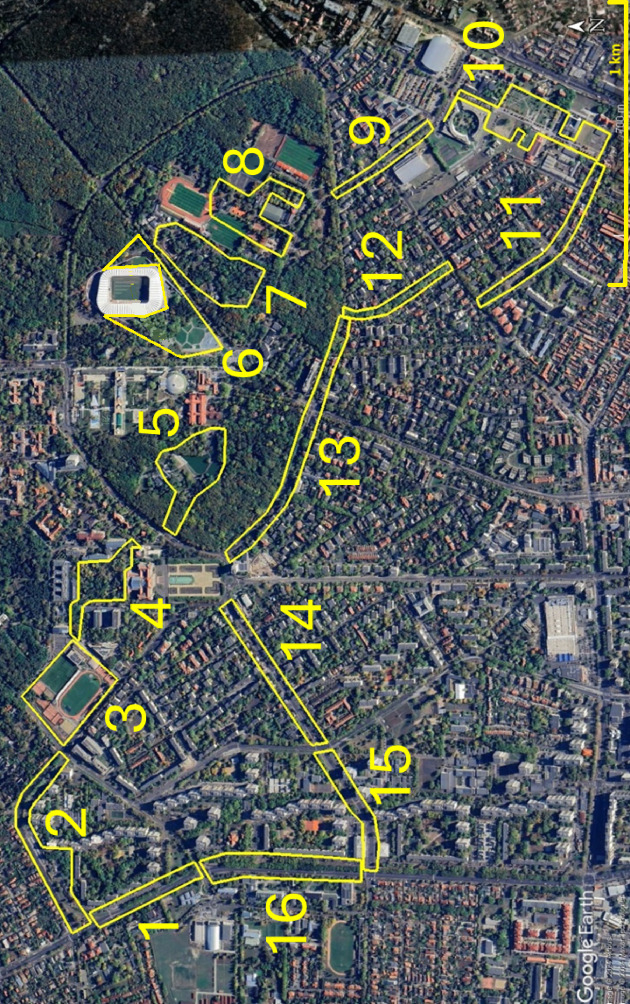 Figure 1
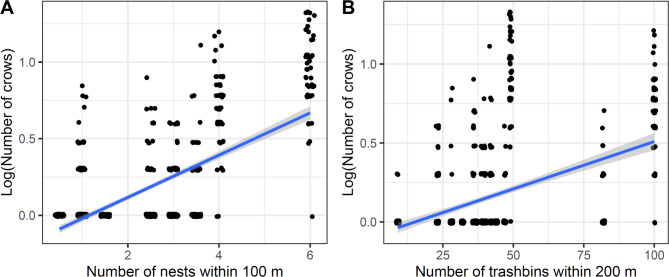 Figure 2
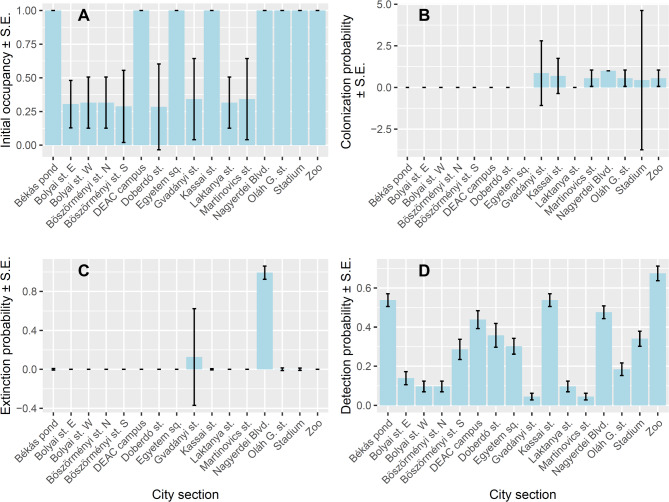 Figure 3
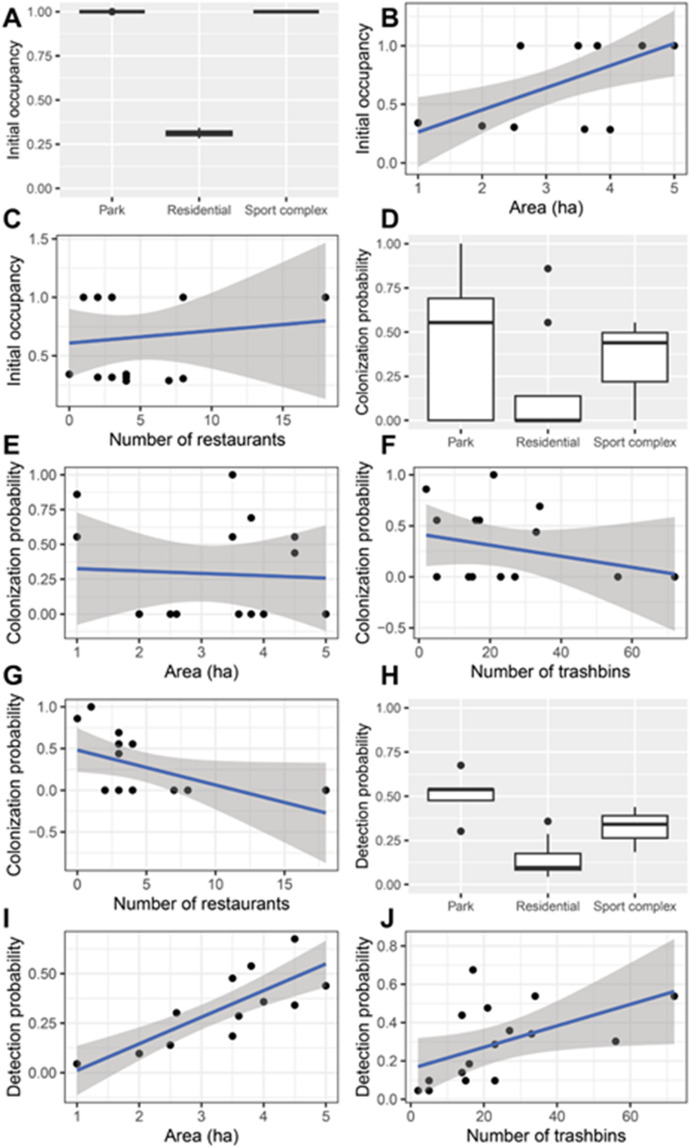 Figure 4
Peer Reviews
No public reviews on file for this paper yet. If you reviewed it on a platform where reviews are public (OpenReview, ICLR, NeurIPS, ICML), you can paste yours below so the community can read it here.
Videos
No videos yet. Explain this paper in a talk, walkthrough, or lecture? Add one.
Taxonomy
TopicsWildlife Conservation and Criminology Analyses · Avian ecology and behavior · Wildlife-Road Interactions and Conservation