Characterizing heterogeneity and subphenotyping acute respiratory distress syndrome with computed tomography
Roberta Garberi, Matthieu Jabaudon, Sam Bayat, Sarah E. Gerard, Aurora Magliocca, Mariangela Pellegrini, Alberto Bravin, Lorraine B. Ware, John J. Marini, Yi Xin, John G. Laffey, Maurizio Cereda, Emanuele Rezoagli

TL;DR
This paper reviews how computed tomography (CT) can help understand and classify the different types of lung injury in acute respiratory distress syndrome (ARDS), which is a complex and variable condition.
Contribution
The paper systematically reviews the use of CT imaging to characterize ARDS heterogeneity and its clinical implications, emphasizing novel imaging techniques and computational approaches.
Findings
CT provides detailed regional lung injury information not accessible through standard bedside measurements.
CT imaging patterns correlate with lung mechanics, gas exchange, and ventilatory response in ARDS patients.
Quantitative and dual-energy CT methods offer more precise characterization of lung injury heterogeneity.
Abstract
Acute respiratory distress syndrome (ARDS) is a heterogeneous clinical syndrome rather than a single disease. Patients who meet the same diagnostic criteria may differ in lung morphology, mechanical properties, biological injury, and clinical course. Current classifications rely largely on the severity of hypoxemia and do not capture this variability, limiting prognostic stratification and individualized treatment. This heterogeneity has clinical consequences. Supportive interventions such as positive end-expiratory pressure (PEEP), prone positioning, and recruitment maneuvers are broadly applied, yet their effects vary substantially among patients. Increasing evidence indicates that these differences are partly explained by variation in lung structure, regional aeration, recruitability, and perfusion. Recent international guidelines have identified phenotyping as a priority in ARDS and…
Genes, proteins, chemicals, diseases, species, mutations and cell lines named across the full text — each resolved to its canonical identifier and authoritative record.
Click any figure to enlarge with its caption.
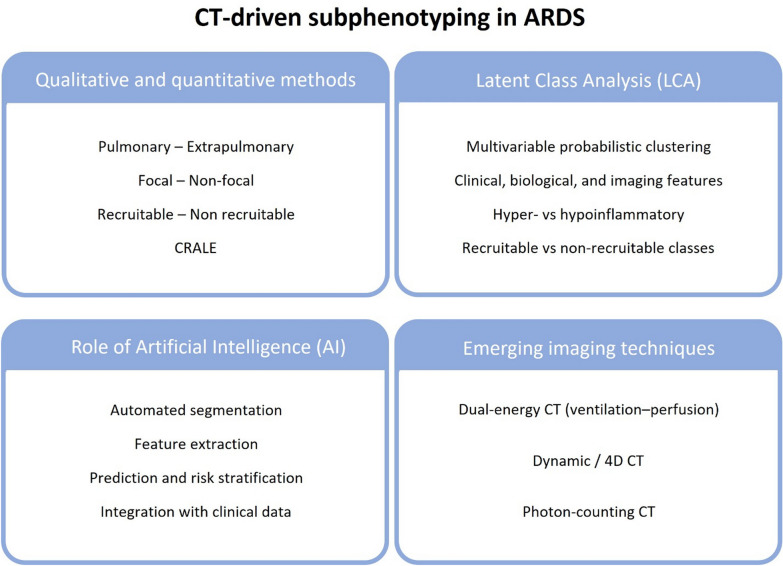 Figure 1
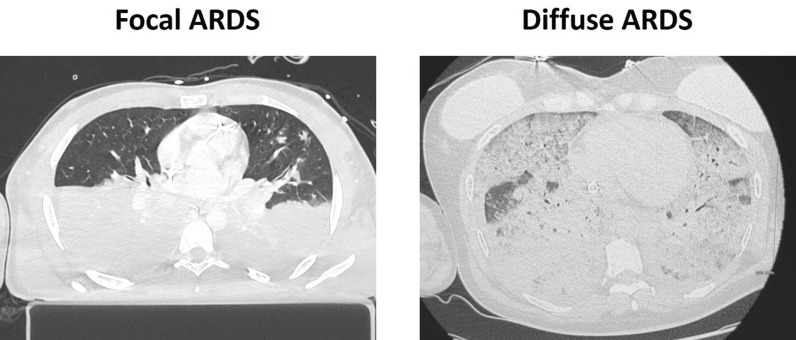 Figure 2
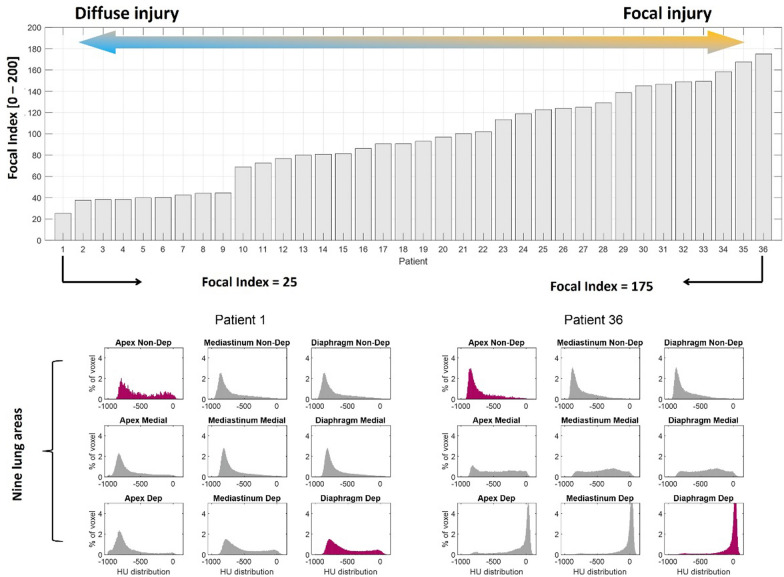 Figure 3
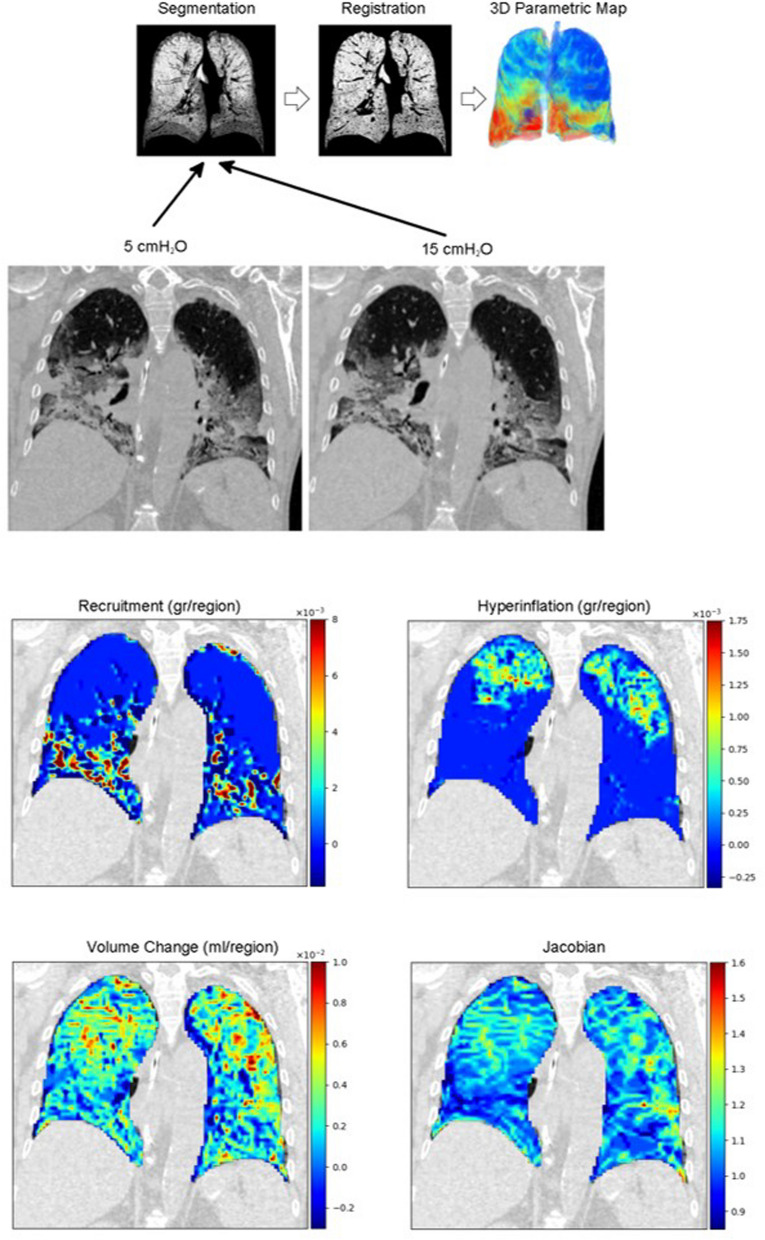 Figure 4
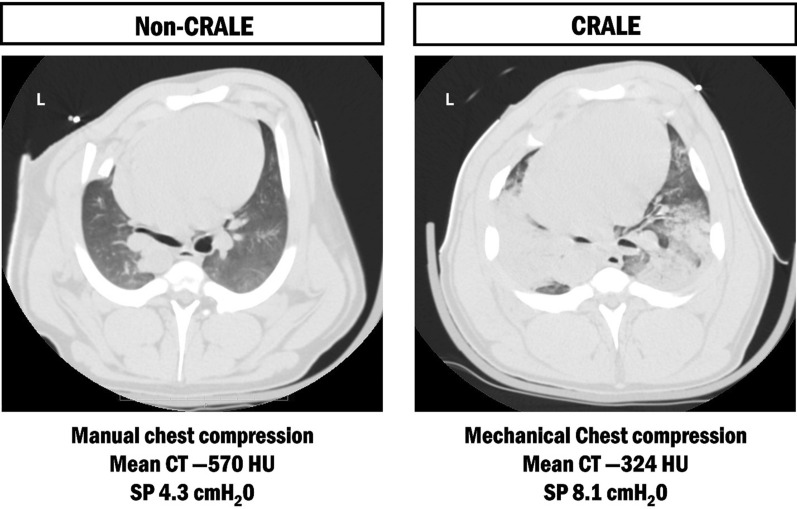 Figure 5
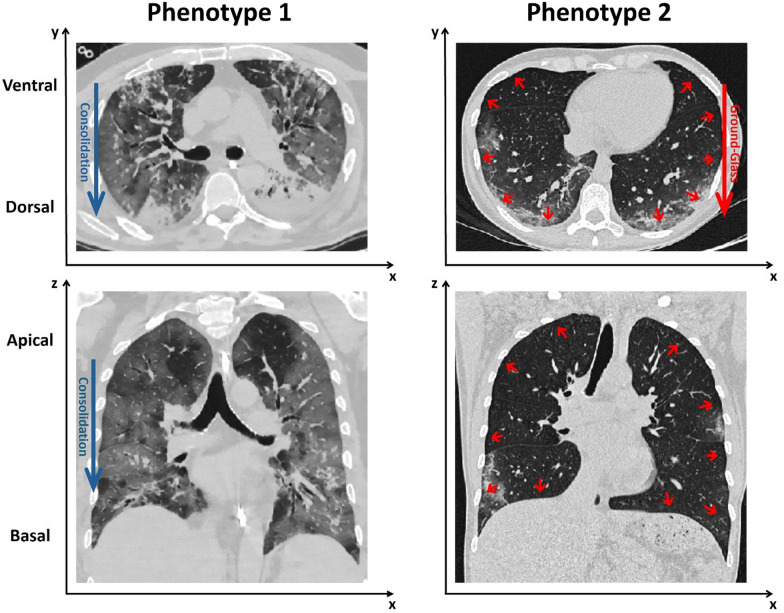 Figure 6
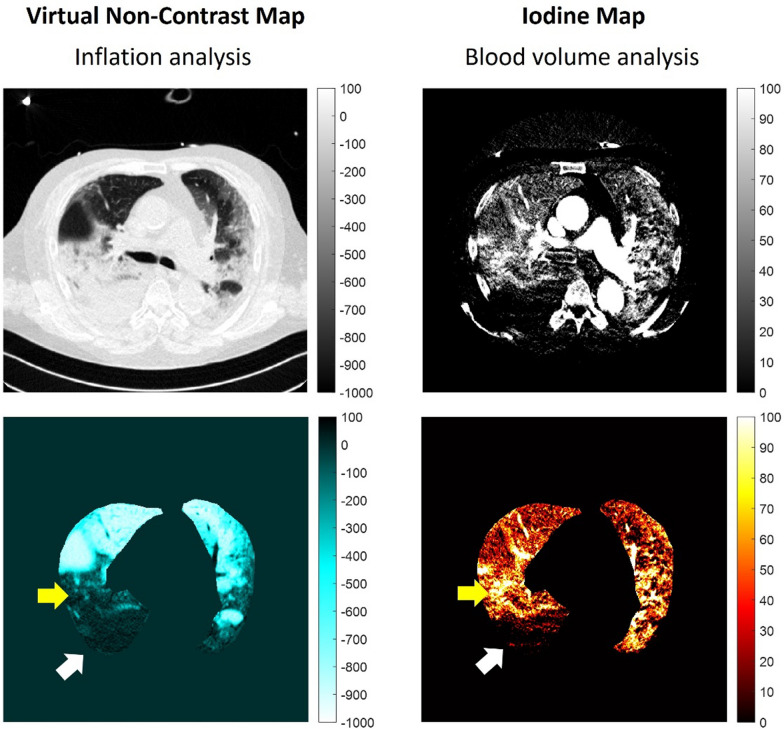 Figure 7
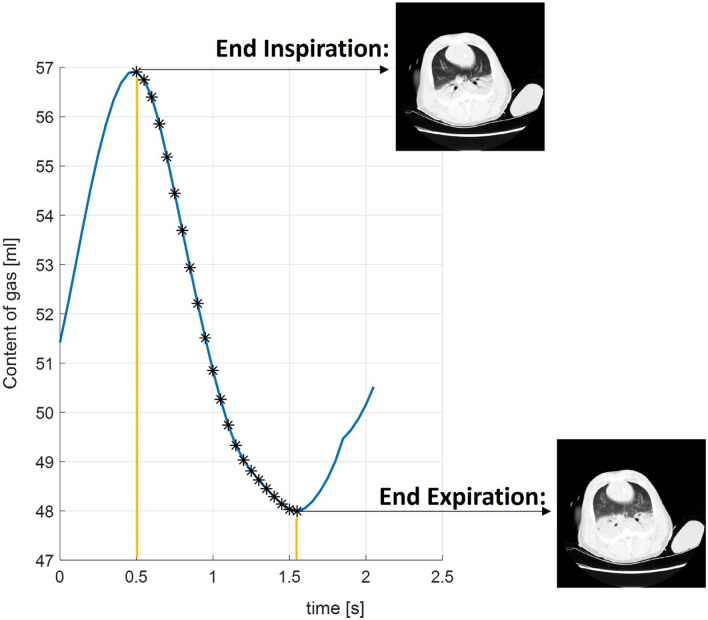 Figure 8
Peer Reviews
No public reviews on file for this paper yet. If you reviewed it on a platform where reviews are public (OpenReview, ICLR, NeurIPS, ICML), you can paste yours below so the community can read it here.
Videos
No videos yet. Explain this paper in a talk, walkthrough, or lecture? Add one.
Taxonomy
TopicsRespiratory Support and Mechanisms · Chronic Obstructive Pulmonary Disease (COPD) Research · Inhalation and Respiratory Drug Delivery