Psychophysiological markers of trust in automation: insights from ERP responses in a modified flanker task
Mallory C. Stites, Laura E. Matzen, Breannan C. Howell, Danielle S. Dickson

TL;DR
This study explores how people develop trust in AI systems by analyzing brain responses during a task involving machine learning reliability, bias, and transparency.
Contribution
The study identifies the late positive component (LPC) as a potential electrophysiological marker of trust in automation.
Findings
LPC amplitude was larger for errors from a more reliable model and correlated with lower subjective trust ratings.
Model transparency had no effect on ERP results or subjective trust ratings.
Direct observation of model performance, rather than textual explanations, influences trust development.
Abstract
This study investigated the sensitivity of event-related potentials (ERP) to factors influencing trust in machine learning (ML) automation, specifically ML reliability, bias, and transparency, with the goal of identifying an electrophysiological marker of trust in automation. Participants performed a flanker task and observed a simulated ML algorithm perform a modified flanker task, while ERP data were collected. The performance flanker task showed canonical patterns in behavioral responses, including fewer errors and shorter response times to congruent trials. We also observed the expected ERP components, including the error-related negativity (ERN) and positivity (Pe), alongside a significant late positive component (LPC) associated with error processing. Contrary to predictions, no differences in oERN amplitudes were observed across model error conditions. The oPe component was…
Genes, proteins, chemicals, diseases, species, mutations and cell lines named across the full text — each resolved to its canonical identifier and authoritative record.
Click any figure to enlarge with its caption.
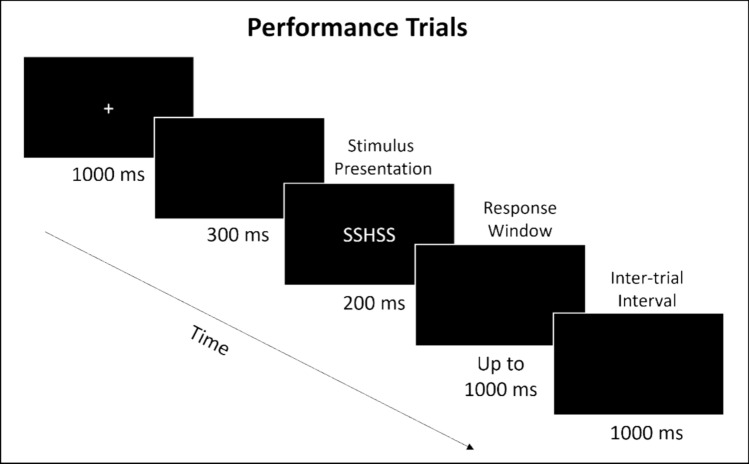 Figure 1
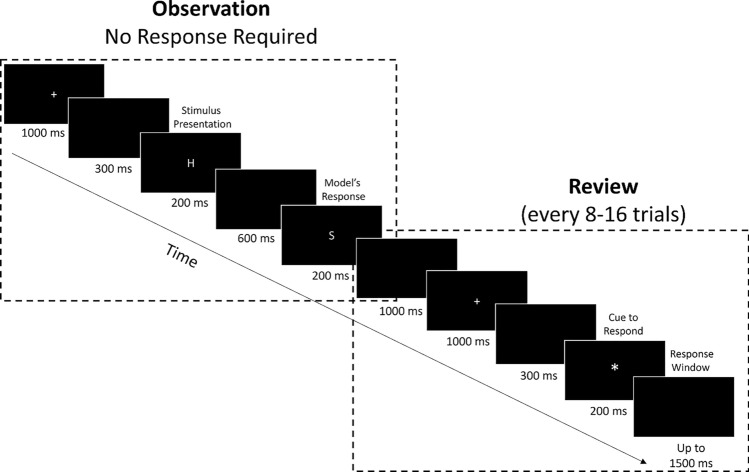 Figure 2
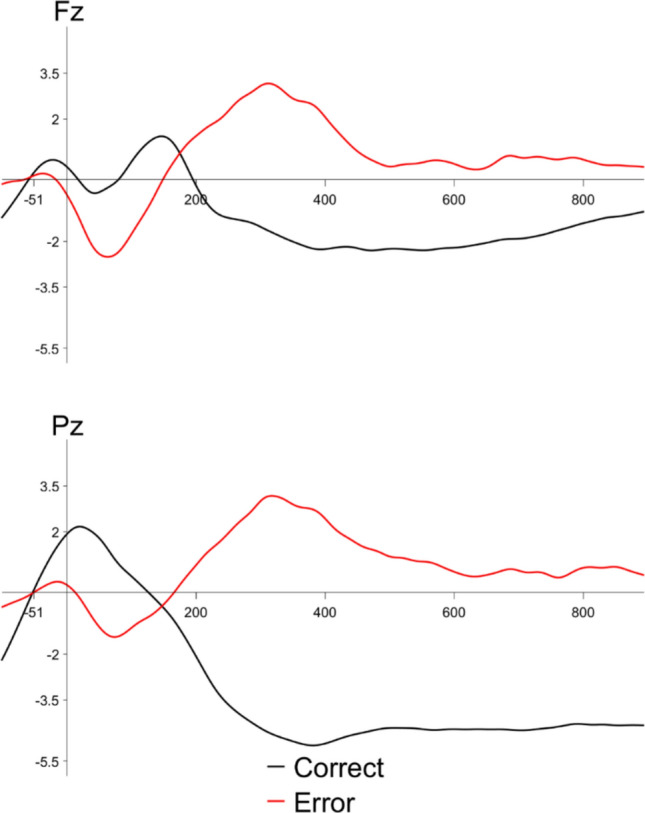 Figure 3
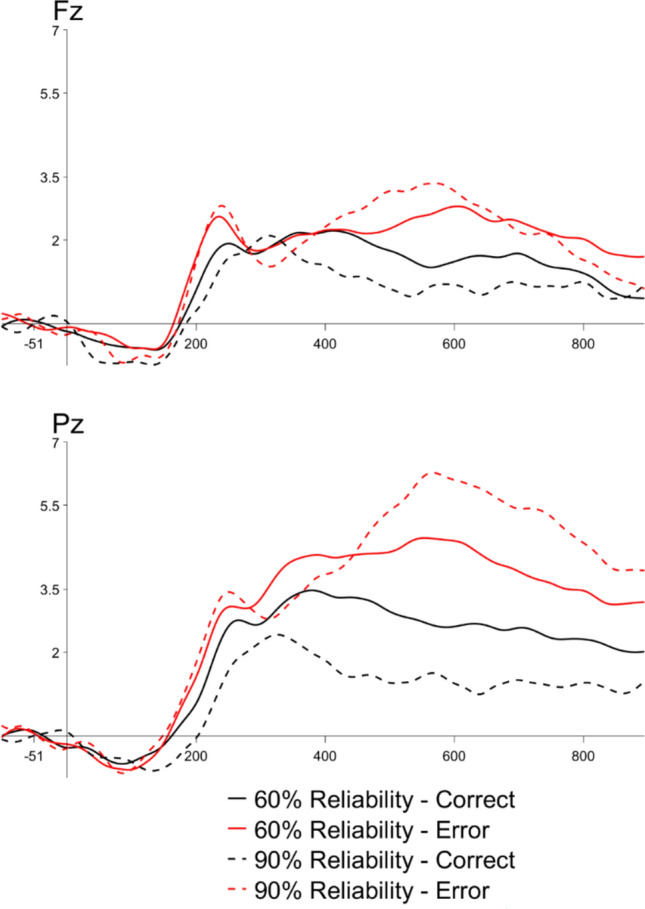 Figure 4
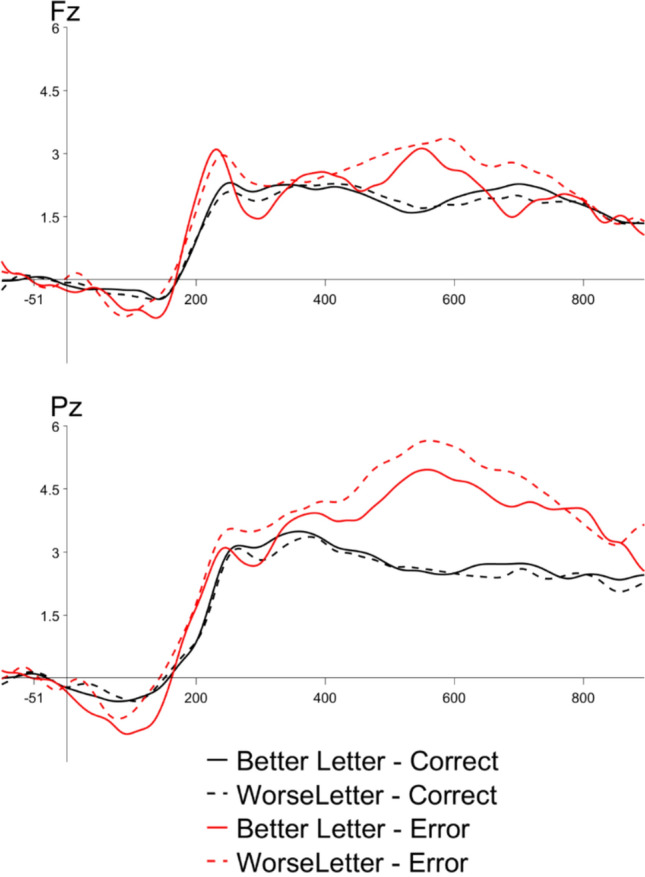 Figure 5
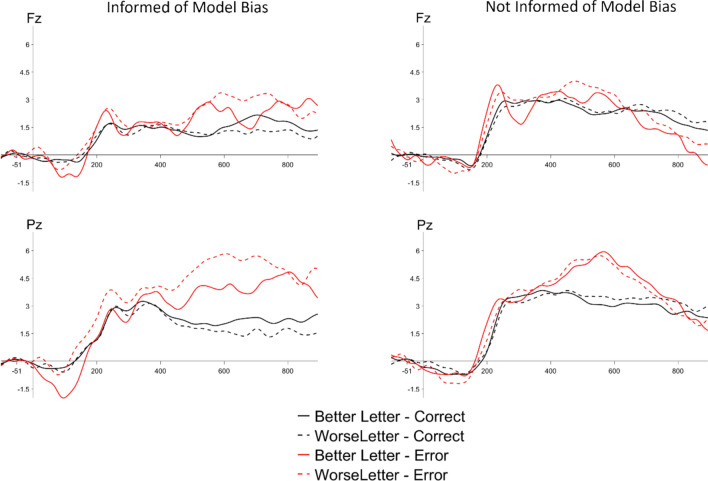 Figure 6
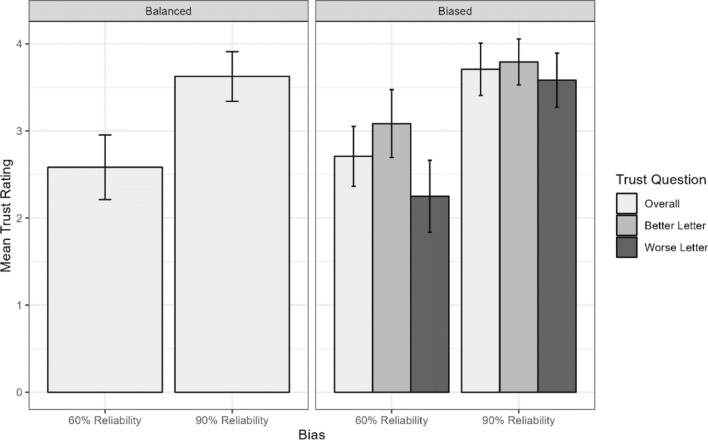 Figure 7
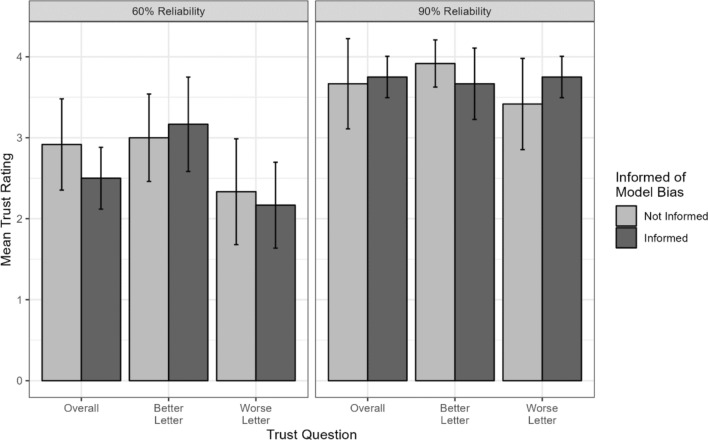 Figure 8
Peer Reviews
No public reviews on file for this paper yet. If you reviewed it on a platform where reviews are public (OpenReview, ICLR, NeurIPS, ICML), you can paste yours below so the community can read it here.
Videos
No videos yet. Explain this paper in a talk, walkthrough, or lecture? Add one.
Taxonomy
TopicsHuman-Automation Interaction and Safety · Cognitive Functions and Memory · EEG and Brain-Computer Interfaces