Influence of facial shape on perceived attractiveness
Nikolaos Gkantidis, Sven Stucki, Mohammed Ghamri, Demetrios Halazonetis, Georgios Kanavakis

TL;DR
This study shows that facial shape significantly influences how attractive people are perceived to be, especially in females, with specific facial features linked to higher attractiveness ratings.
Contribution
The study provides empirical evidence that three-dimensional facial shape correlates with external attractiveness ratings, with distinct patterns for males and females.
Findings
Facial shape significantly influences attractiveness ratings in females (η² = 0.075; P < 0.001), with features like balanced proportions and angular contours linked to higher scores.
Attractive male faces tend to have angular structures and reduced lateral fullness, though the association was not statistically significant (P = 0.106).
The study confirms that facial morphology impacts societal perceptions of attractiveness, aligning with prior research on self-perceived attractiveness.
Abstract
Facial attractiveness is often regarded as subjective, yet perceptions are strongly influenced by cultural, social, and biological factors. This study aimed to investigate whether and to what extent three-dimensional facial shape is associated with attractiveness ratings assigned by external evaluators, and whether these associations differ between males and females. A total of 601 young adults (393 females; 208 males), aged 21–35 years, were assessed using three-dimensional facial photography. Facial shape was quantified using 29 anatomical curves and 1,021 landmarks analyzed through geometric morphometric methods. Six external examiners (three males, three females), matched in age to the study population, independently rated attractiveness using Visual Analogue Scales (VAS). Multivariate regression models were applied to examine associations between facial shape and attractiveness…
Genes, proteins, chemicals, diseases, species, mutations and cell lines named across the full text — each resolved to its canonical identifier and authoritative record.
Click any figure to enlarge with its caption.
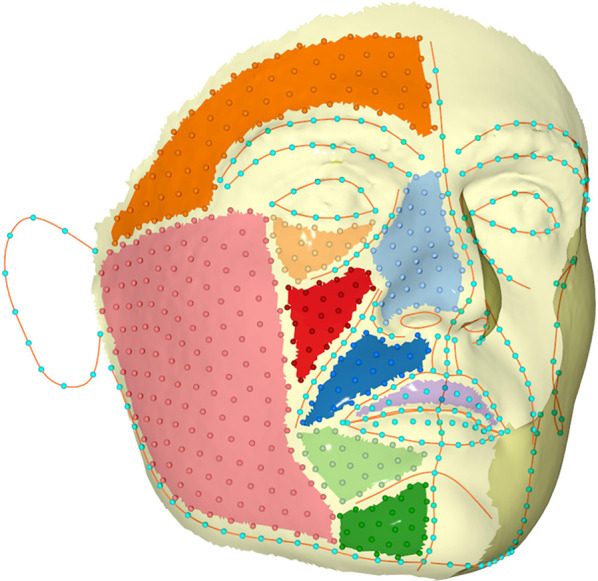 Figure 1
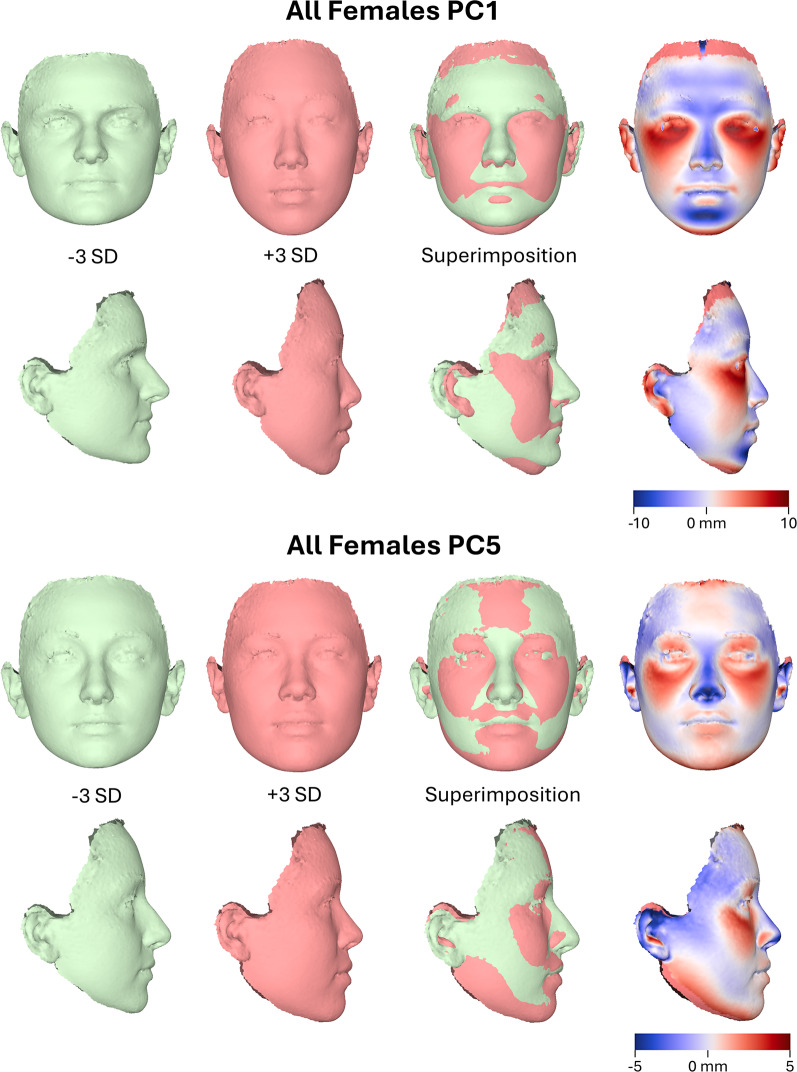 Figure 2
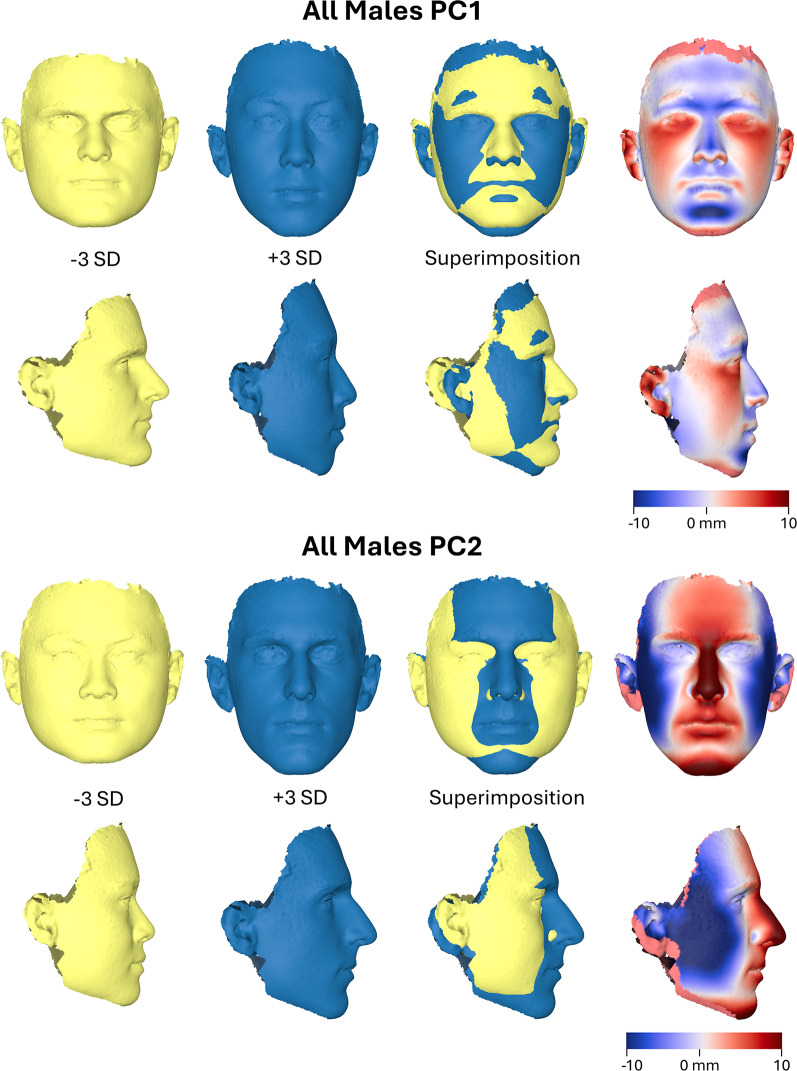 Figure 3
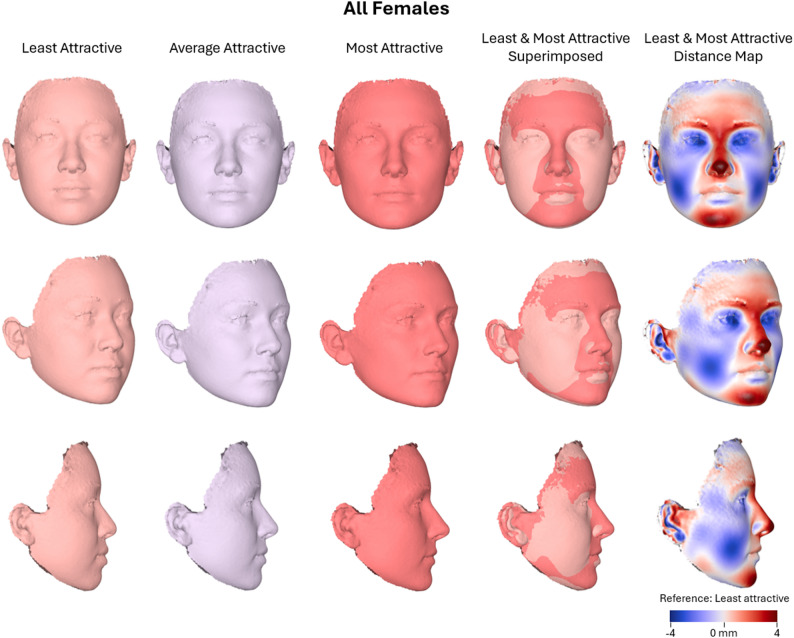 Figure 4
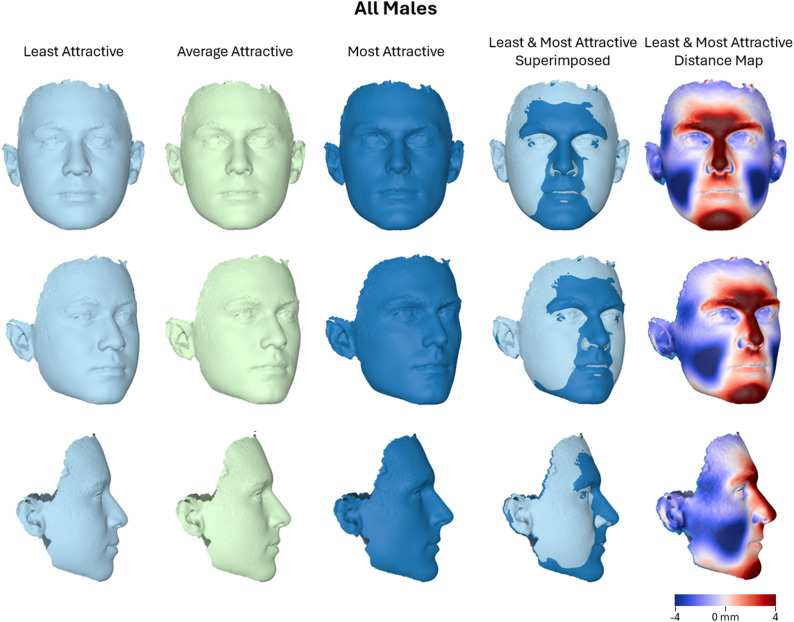 Figure 5
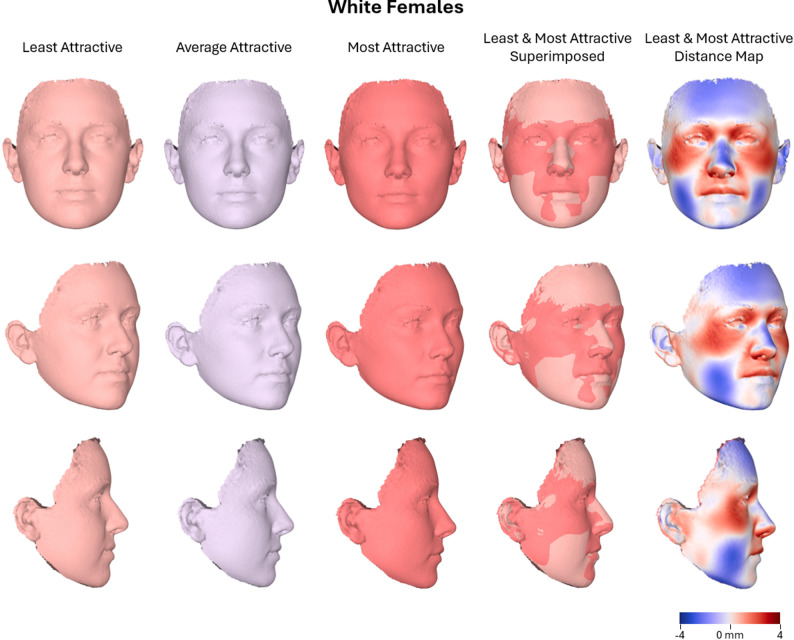 Figure 6
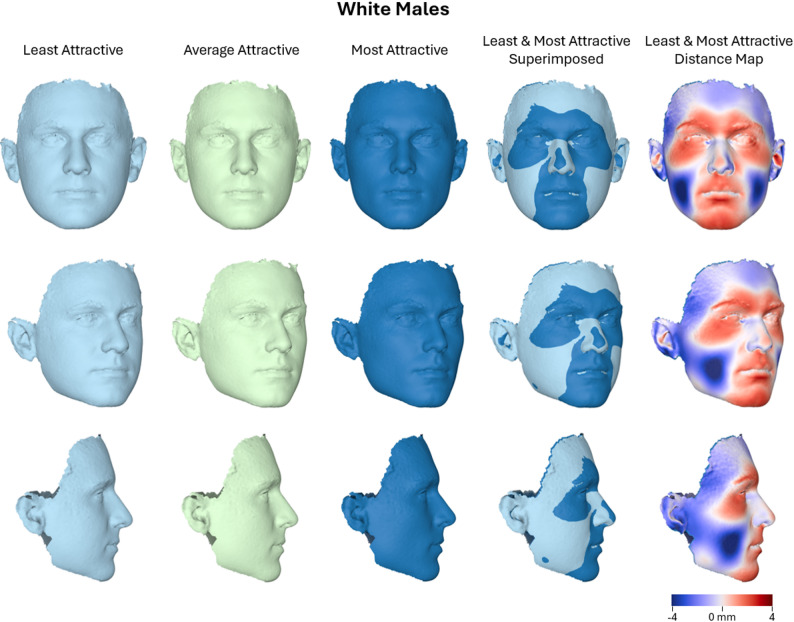 Figure 7
Peer Reviews
No public reviews on file for this paper yet. If you reviewed it on a platform where reviews are public (OpenReview, ICLR, NeurIPS, ICML), you can paste yours below so the community can read it here.
Videos
No videos yet. Explain this paper in a talk, walkthrough, or lecture? Add one.
Taxonomy
TopicsEvolutionary Psychology and Human Behavior · Orthodontics and Dentofacial Orthopedics · Face Recognition and Perception