Implantable Shock Absorber: Breakthrough or Hype?
Jared A. Nowell, David C. Flanigan

TL;DR
This review discusses implantable shock absorbers for treating osteoarthritis, comparing their effectiveness and outcomes to other surgical options.
Contribution
The paper provides a comprehensive review of the clinical and biomechanical outcomes of implantable shock absorbers in osteoarthritis treatment.
Findings
ISA reduces peak medial compartment force by 32%.
FDA study found ISA superior to HTO in pain reduction and function improvement.
Survivorship of ISA remains at 85% at 5 years.
Abstract
The goal of this review is to discuss the current understanding of implantable shock absorbers (ISA) including mechanism of action, usage in patients, patient outcomes and the future of this technology. Since the introduction of the ISA, it mainly has functioned as a surgical option for individuals with symptomatic medial compartment osteoarthritis who are too young, not indicated, or do not wish to proceed with arthroplasty. Biomechanically, ISA reduces peak medial compartment force by 32%. In a Food and Drug Administration (FDA) study, ISA was found superior to HTO, with significant reduction of pain and improvement of function. Survivorship and freedom to conversion to arthroplasty remains 85% at 5 years. Current randomized trial focuses on impact of continued non operative treatment of OA verses ISA. ISA is a reasonable surgical option for the treatment of medial compartment…
Genes, proteins, chemicals, diseases, species, mutations and cell lines named across the full text — each resolved to its canonical identifier and authoritative record.
Click any figure to enlarge with its caption.
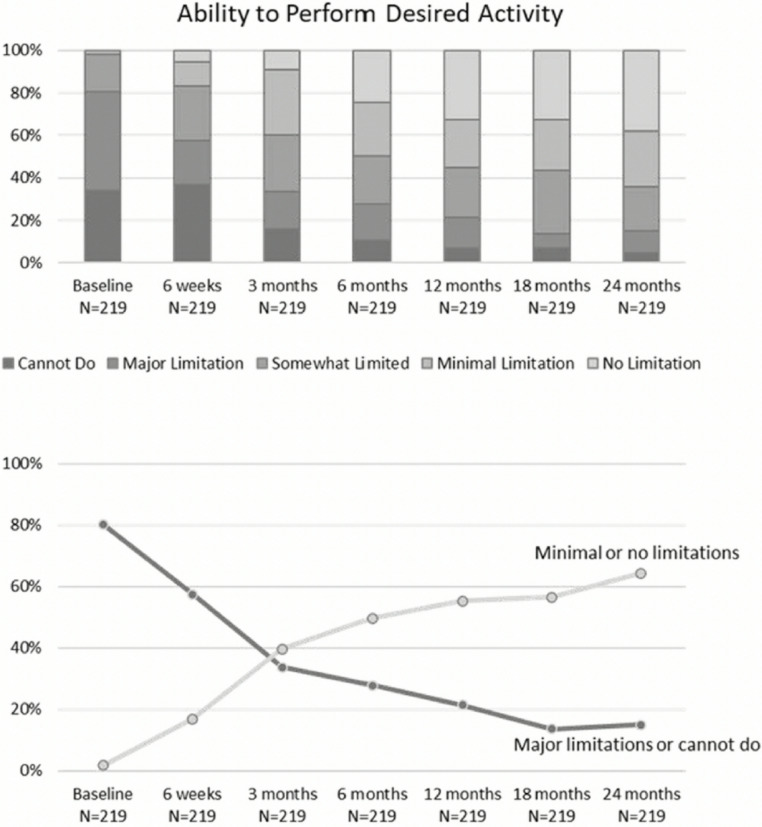 Figure 1
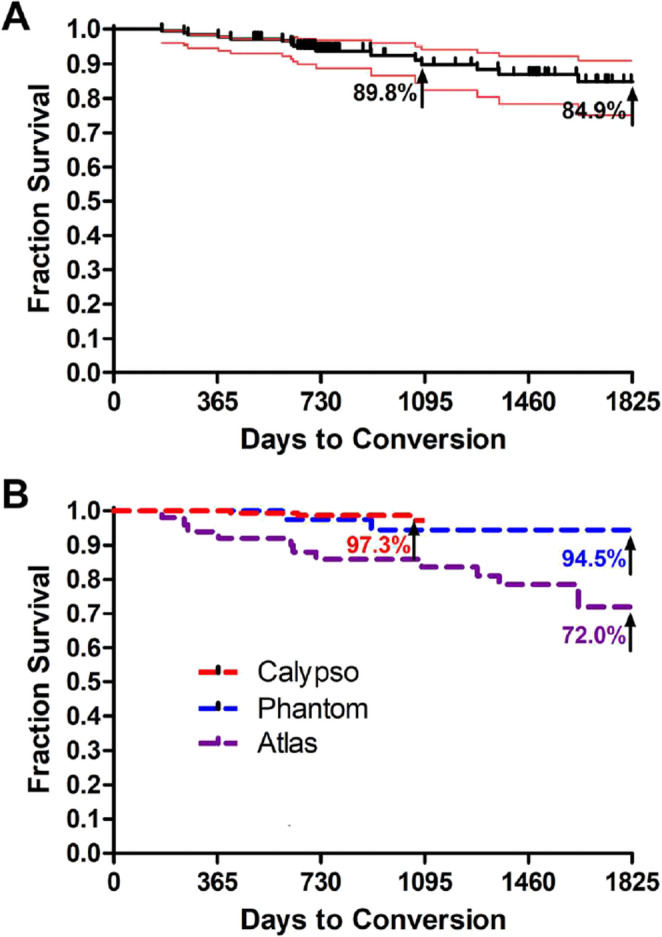 Figure 2
Peer Reviews
No public reviews on file for this paper yet. If you reviewed it on a platform where reviews are public (OpenReview, ICLR, NeurIPS, ICML), you can paste yours below so the community can read it here.
Videos
No videos yet. Explain this paper in a talk, walkthrough, or lecture? Add one.
Taxonomy
TopicsMuscle and Compartmental Disorders · Tendon Structure and Treatment · Lower Extremity Biomechanics and Pathologies