GLP-1 activates KATP channels in coronary pericytes as the effector of brain-gut-heart signalling mediating cardioprotection
Svetlana Mastitskaya, Felipe Santos Simões de Freitas, Lowri E. Evans, David Attwell

TL;DR
GLP-1, a gut hormone, helps protect the heart after a heart attack by relaxing small blood vessels and improving blood flow.
Contribution
The study identifies a brain-gut-heart signaling pathway where GLP-1 activates KATP channels in coronary pericytes to reduce no-reflow after heart attacks.
Findings
GLP-1 activates KATP channels in coronary pericytes to dilate capillaries and reduce no-reflow.
Vagal stimulation and skeletal muscle ischaemia trigger GLP-1 release, which protects the heart.
Blocking KATP channels eliminates the protective effects of GLP-1 on coronary microvasculature.
Abstract
Failure to reperfuse the coronary microvasculature (“no-reflow”) affects up to 50% of patients after unblocking a coronary artery that was causing ischaemia and acute myocardial infarction. This “no-reflow” is associated with reduced left ventricular ejection fraction, increased infarct size and death. We show that the incretin hormone GLP-1 (glucagon-like peptide 1) can be used to protect the heart after ischaemia by activating ATP-sensitive K+ channels on pericytes that constrict coronary capillaries. Coronary capillary dilation can be activated pharmacologically or by vagally-mediated GLP-1 release from the gut evoked by skeletal muscle ischaemia, and is abolished by block or genetic deletion of pericyte KATP channels. These results define a brain-gut-heart pathway mediating cardioprotection and suggest pharmacological therapies to reduce ischaemia-induced coronary no-reflow and…
Genes, proteins, chemicals, diseases, species, mutations and cell lines named across the full text — each resolved to its canonical identifier and authoritative record.
Click any figure to enlarge with its caption.
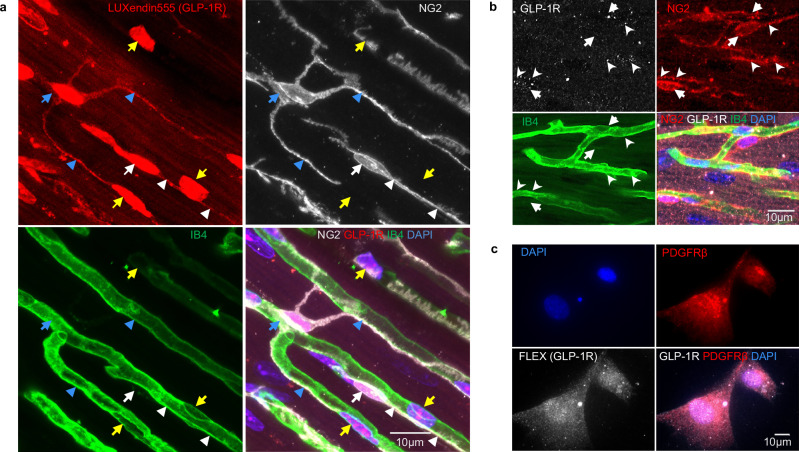 Figure 1
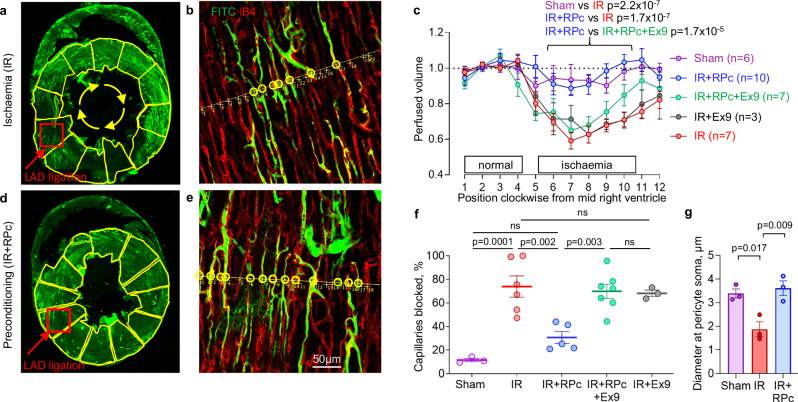 Figure 2
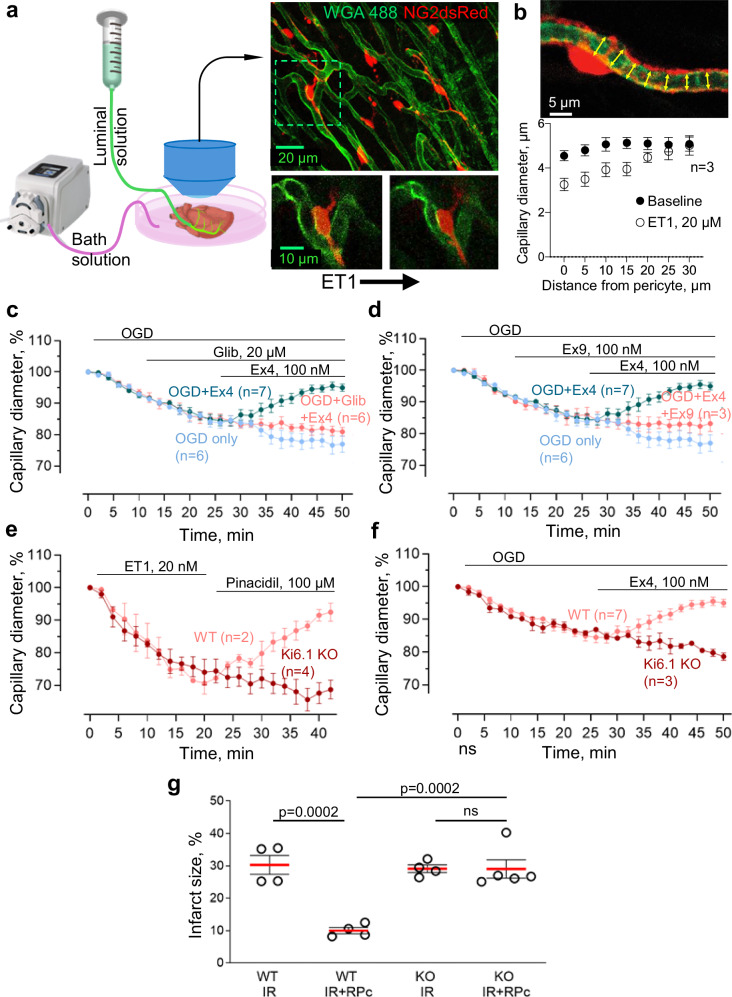 Figure 3
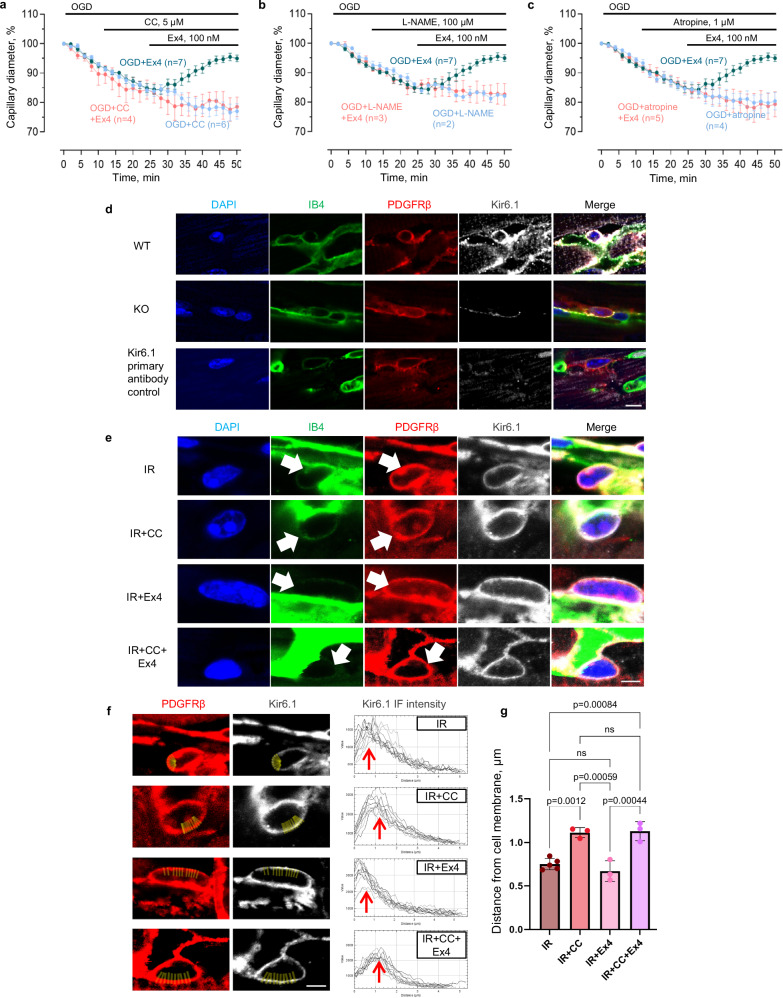 Figure 4
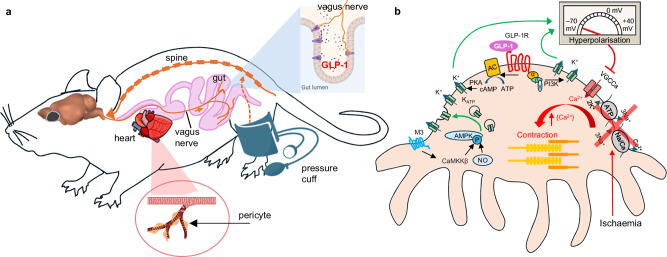 Figure 5
Peer Reviews
No public reviews on file for this paper yet. If you reviewed it on a platform where reviews are public (OpenReview, ICLR, NeurIPS, ICML), you can paste yours below so the community can read it here.
Videos
No videos yet. Explain this paper in a talk, walkthrough, or lecture? Add one.
Taxonomy
TopicsCardiac Ischemia and Reperfusion · Diabetes Treatment and Management · Cardiovascular Function and Risk Factors