Design, synthesis, molecular docking and cytotoxic evaluation of novel pyrimidine-based sulfonamide derivatives as potent anticancer agents: SAR insights and biological profiling
Nesma M. Bayoumy, Ahmed A. Fadda, Hatem E. Gaffer, Nanees N. Soliman

TL;DR
Researchers designed and tested new pyrimidine-based sulfonamide compounds that show strong anticancer activity with reduced toxicity to normal cells.
Contribution
A novel class of pyrimidine-based sulfonamide derivatives was synthesized and evaluated for improved anticancer selectivity and potency.
Findings
Compounds 18, 21, 23, and 24 showed high anticancer activity with IC50 values comparable to 5-fluorouracil.
These compounds exhibited reduced toxicity to normal WI-38 and VERO cells, indicating a good therapeutic index.
Molecular docking confirmed strong binding affinity of compound 23 to thymidylate synthase with favorable interactions.
Abstract
The low selectivity and significant toxicity of current chemotherapeutic medicines make the research and development of novel anticancer agents an urgent necessity. This study used IR, NMR, MS, and elemental studies to rationally design, synthesize, and structurally characterize a novel class of pyrimidine-based sulfonamide derivatives. A wide variety of heterocyclic scaffolds, such as oxadiazoles, thiazolinones, chromenes, pyrazoles, pyrazolopyrimidines, triazolopyrimidines, imidazolidines, and triazines, were made possible by the synthetic approach. HepG2, MCF-7, WI-38, and VERO cell lines were used to test the synthetic compounds’ cytotoxic properties. With IC50 values ranging from 7.4 to 10.2 µg/mL against HepG2 and 8.2 to 10.0 µg/mL against MCF-7, compounds 18, 21, 23, and 24 showed extremely significant anticancer activity, nearly matching the potency of the reference medication…
Genes, proteins, chemicals, diseases, species, mutations and cell lines named across the full text — each resolved to its canonical identifier and authoritative record.
Click any figure to enlarge with its caption.
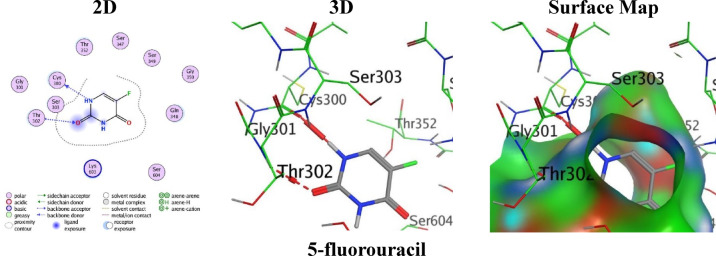 Figure 10
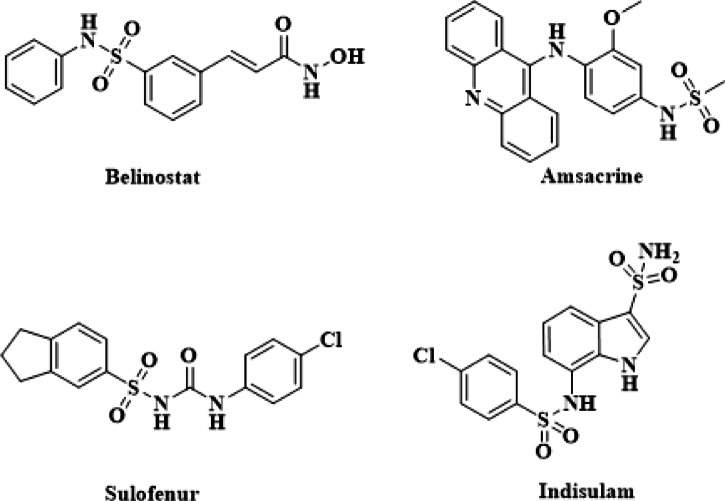 Figure 1
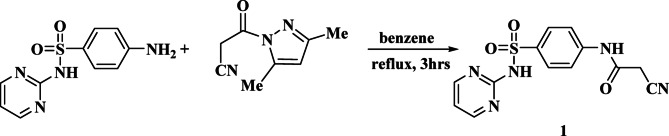 Figure 2
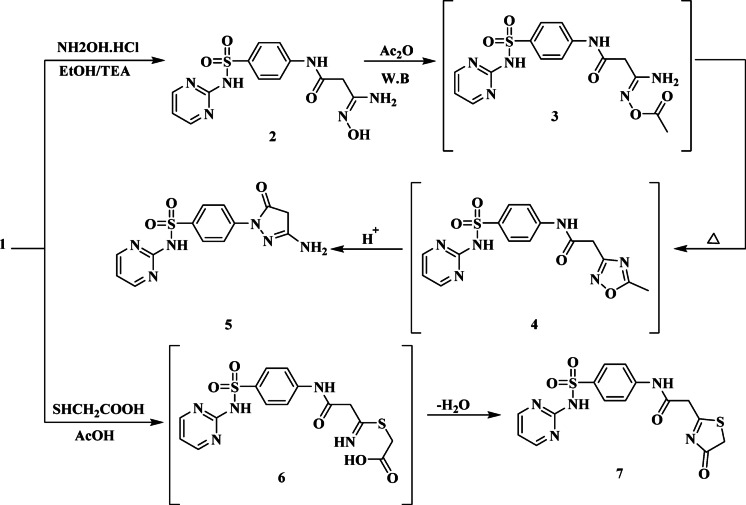 Figure 3
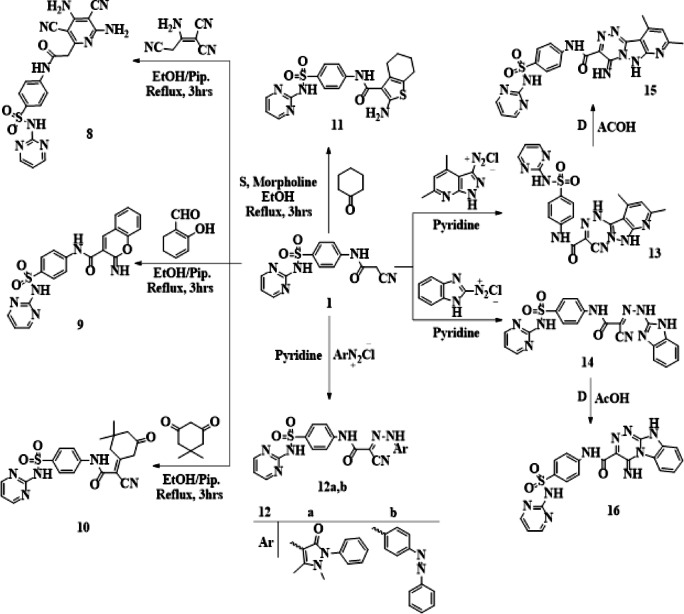 Figure 4
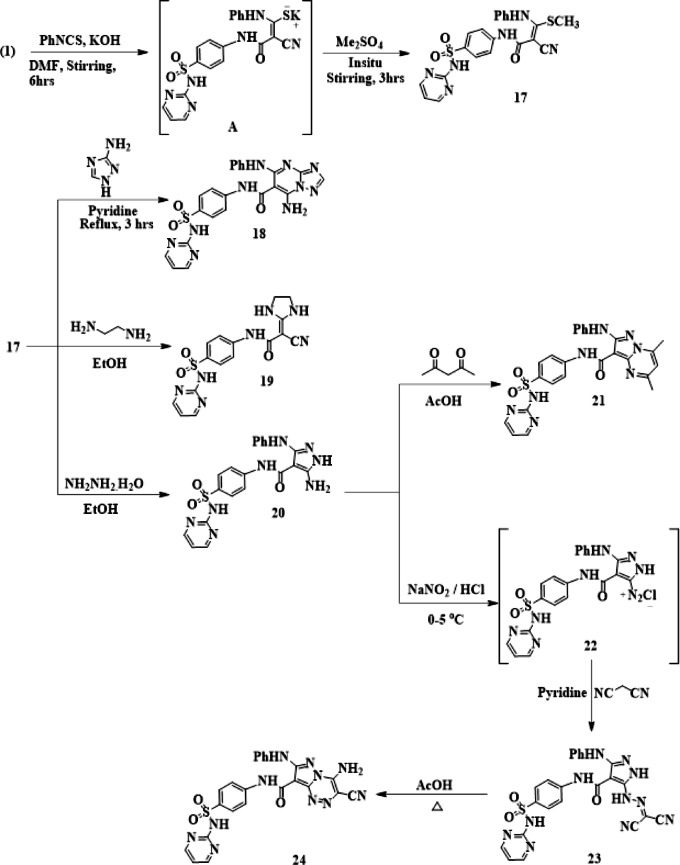 Figure 5
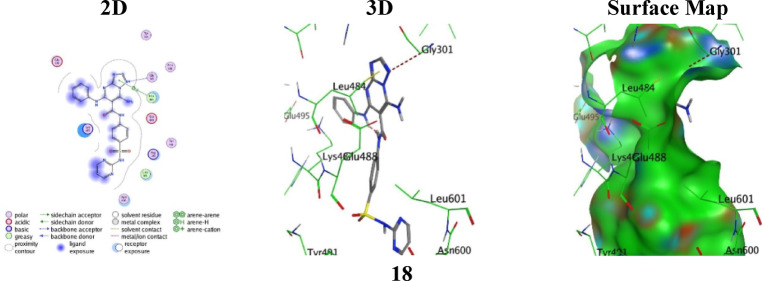 Figure 6
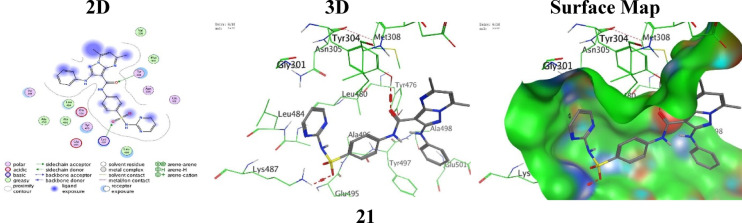 Figure 7
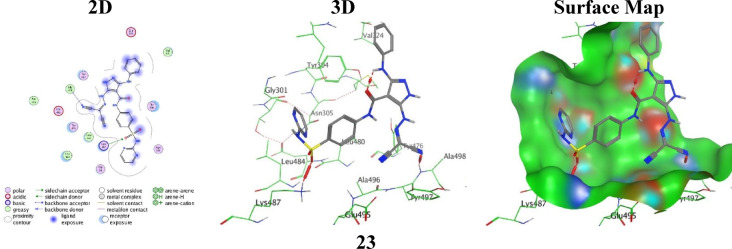 Figure 8
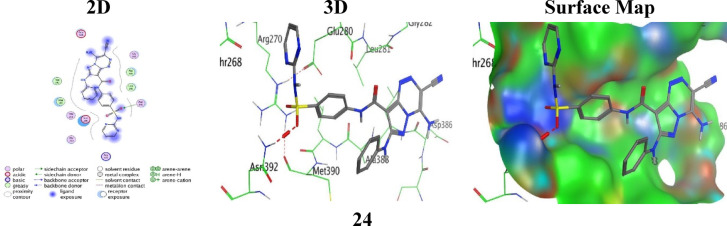 Figure 9
Peer Reviews
No public reviews on file for this paper yet. If you reviewed it on a platform where reviews are public (OpenReview, ICLR, NeurIPS, ICML), you can paste yours below so the community can read it here.
Videos
No videos yet. Explain this paper in a talk, walkthrough, or lecture? Add one.
Taxonomy
TopicsEnzyme function and inhibition · Synthesis and biological activity · Organic and Inorganic Chemical Reactions