Assessment of antimicrobial activity of [1,2,4]triazolo[4, 3-a]quinoxaline derivatives individually and in combination with levofloxacin
Nasrin Saberi Harooni, Mohammad Reza Naimi-Jamal, Mohammad Ghorban Dekamin, Azar Tahghighi

TL;DR
This study evaluates new antimicrobial compounds and their combination with levofloxacin to treat bacterial infections more effectively.
Contribution
The paper introduces new triazoloquinoxaline derivatives with synergistic effects when combined with levofloxacin.
Findings
Compounds 5b, 5d, and 5h showed moderate antimicrobial activity against various bacteria and fungi.
Combination therapy reduced the required dose of levofloxacin and showed synergy against resistant isolates.
Field-emission scanning electron microscopy confirmed bacterial cell damage from the combination therapy.
Abstract
The need to develop new and effective antimicrobial compounds has become a fundamental requirement of the therapeutic system worldwide. In this study, a series of synthetic 4-amino triazoloquinoxaline derivatives were designed and synthesized. The chemical structure of these compounds was confirmed using spectroscopic methods (1H-NMR, 13C-NMR, FT-IR, and MS). Their antimicrobial activity against several Gram-positive and Gram-negative bacteria was then evaluated. The results of biological experiments showed that the synthetic compounds 5b, 5d, and 5h derivatives have moderate antimicrobial activity against Staphylococcus aureus, Staphylococcus epidermidis, Escherichia coli, Pseudomonas aeruginosa, and Candida albicans compared to some standard drugs. Non-toxic compounds were selected based on MTT and hemolysis assays, and their synergistic effect in combination with levofloxacin (LEV)…
Genes, proteins, chemicals, diseases, species, mutations and cell lines named across the full text — each resolved to its canonical identifier and authoritative record.
Click any figure to enlarge with its caption.
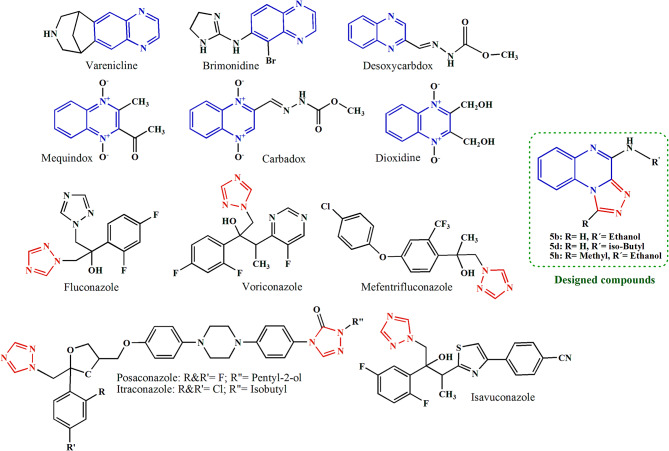 Figure 1
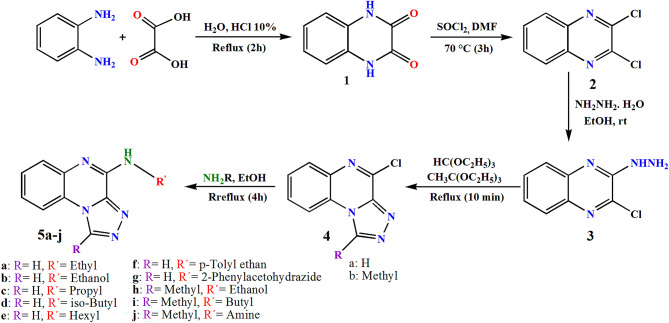 Figure 2
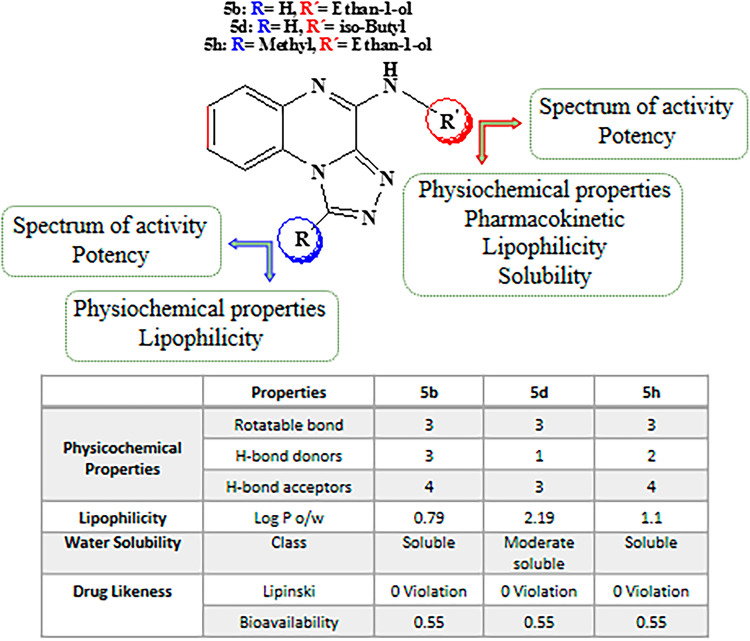 Figure 3
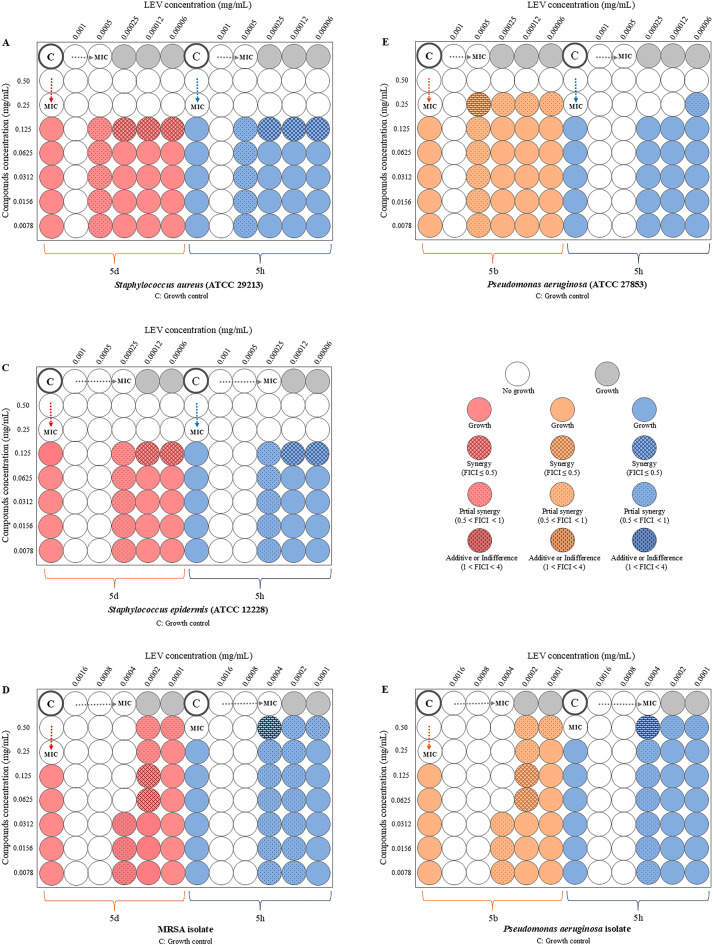 Figure 4
 Figure 5
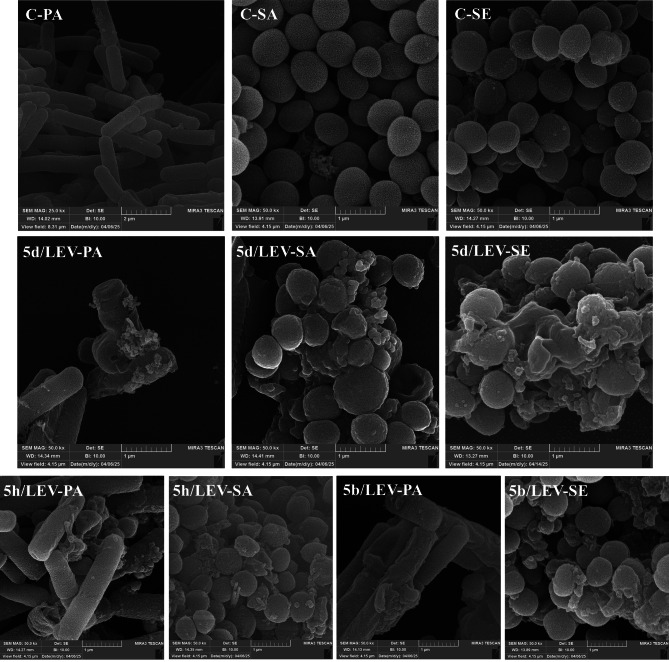 Figure 6
Peer Reviews
No public reviews on file for this paper yet. If you reviewed it on a platform where reviews are public (OpenReview, ICLR, NeurIPS, ICML), you can paste yours below so the community can read it here.
Videos
No videos yet. Explain this paper in a talk, walkthrough, or lecture? Add one.
Taxonomy
TopicsSynthesis and Biological Evaluation · Synthesis and biological activity · Quinazolinone synthesis and applications