Thymoquinone combined with conventional antibiotics against pandrug-resistant Staphylococcus aureus: a pharmacodynamic and molecular simulation strategy to overcome bioavailability limitations
Adel Attia M. Ahmad, El-Sayed Y. M. El-Naenaeey, Gamal A. Elmowalid, Tarek Khamis, Touka A. Kandel, Dina M. Khodeer, Razan Orfali, Marwa I. Abd El-Hamid

TL;DR
This study explores combining thymoquinone with antibiotics to treat drug-resistant Staphylococcus aureus by improving effectiveness and reducing resistance.
Contribution
The study introduces a novel pharmacodynamic and molecular strategy to enhance thymoquinone's efficacy against pandrug-resistant S. aureus.
Findings
Combining thymoquinone with antibiotics reduced MIC values by 8 to 10-fold.
Thymoquinone downregulated norA, PBP2a, and PBP4 genes and inhibited their proteins.
Molecular simulations confirmed direct inhibition of PBP2a and PBP4 by thymoquinone.
Abstract
Infections with pandrug-resistant (PDR) Staphylococcus aureus (S. aureus) present no available treatment alternatives, even when employing most antibacterial combination regimen. Restoring the effectiveness of existing antibiotics especially through the integration of safe plant-derived compounds represents a promising therapeutic approach. Despite extensive in vitro evidence of thymoquinone’s (TQ, Nigella sativa extract) bactericidal activity against S. aureus, its clinical application remains limited due to extremely low serum maximum concentration (Cmax), which is far below the minimal inhibitory concentrations (MICs) required for most clinical isolates. This study aimed to overcome this pharmacokinetic barrier by identifying synergistic antibacterial combinations that enhance TQ efficacy at clinically achievable concentrations. Pharmacodynamic interactions between TQ or Nigella…
Genes, proteins, chemicals, diseases, species, mutations and cell lines named across the full text — each resolved to its canonical identifier and authoritative record.
Click any figure to enlarge with its caption.
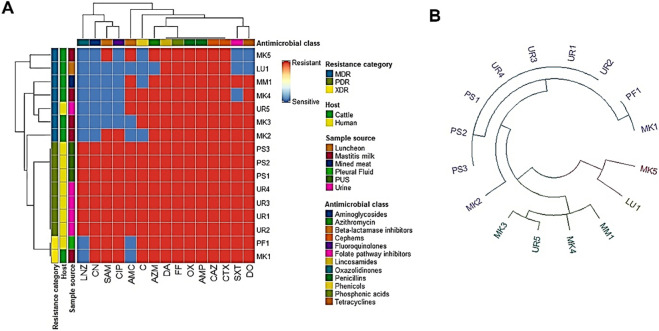 Figure 1
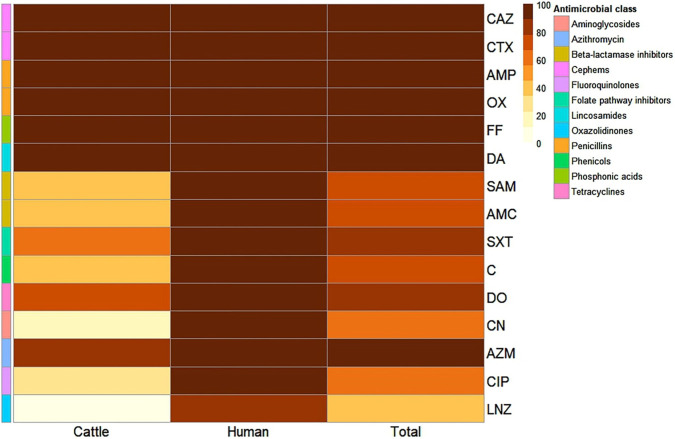 Figure 2
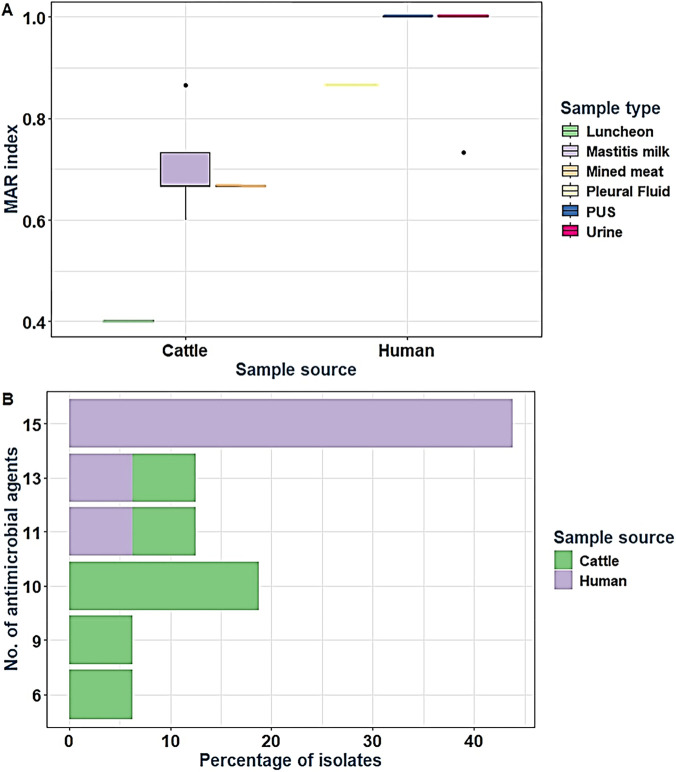 Figure 3
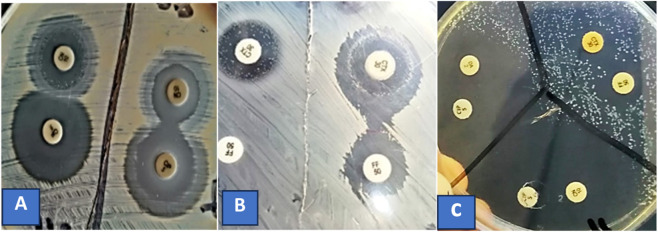 Figure 4
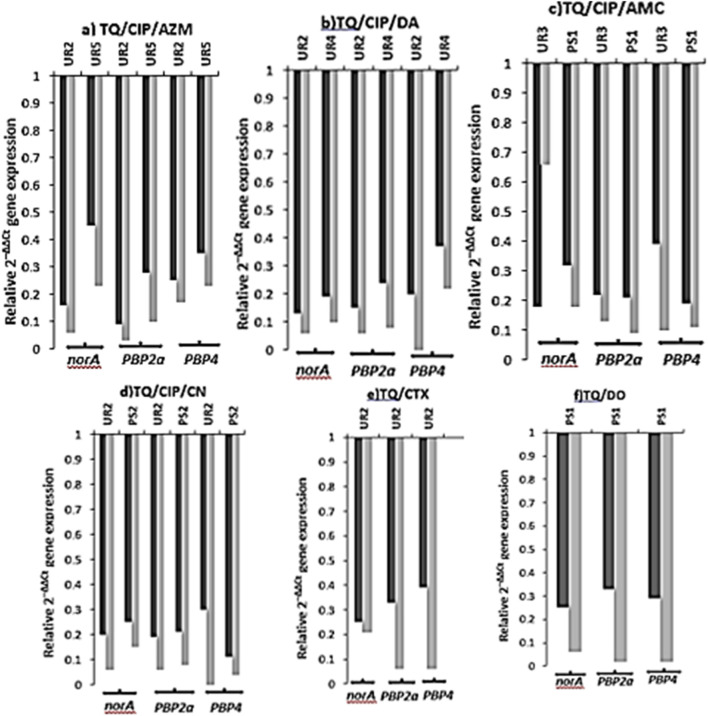 Figure 5
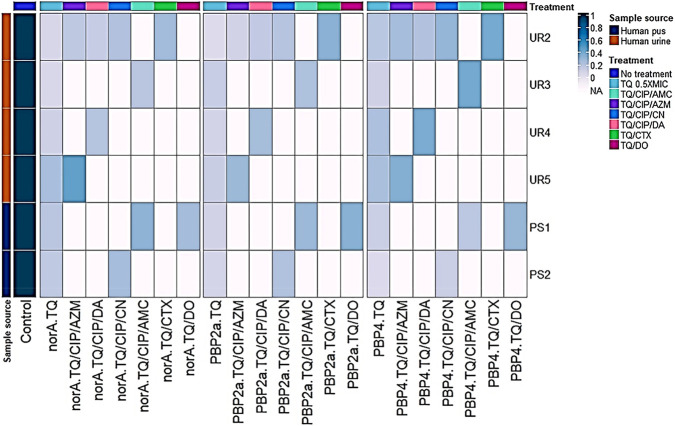 Figure 6
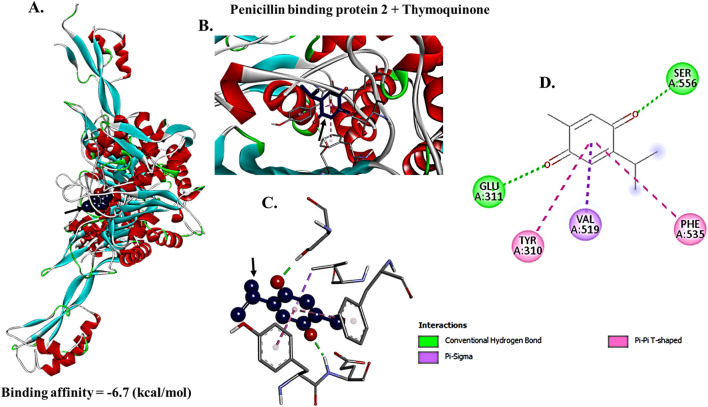 Figure 7
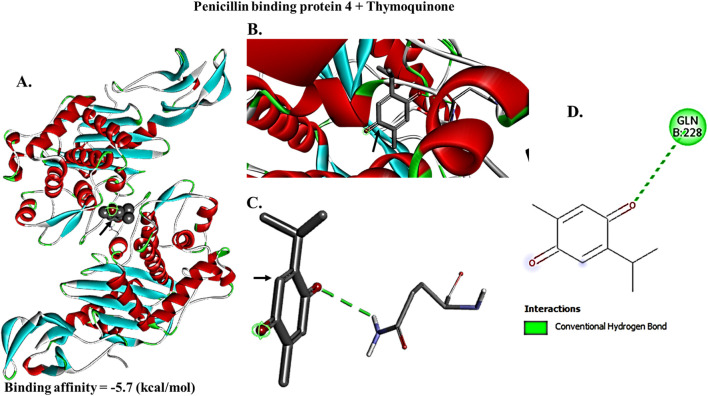 Figure 8
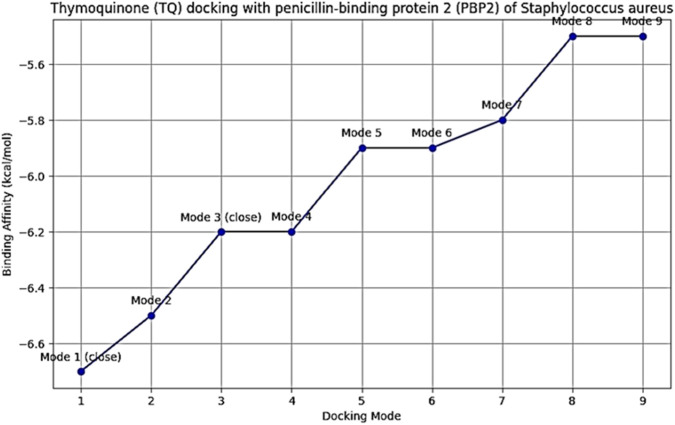 Figure 9
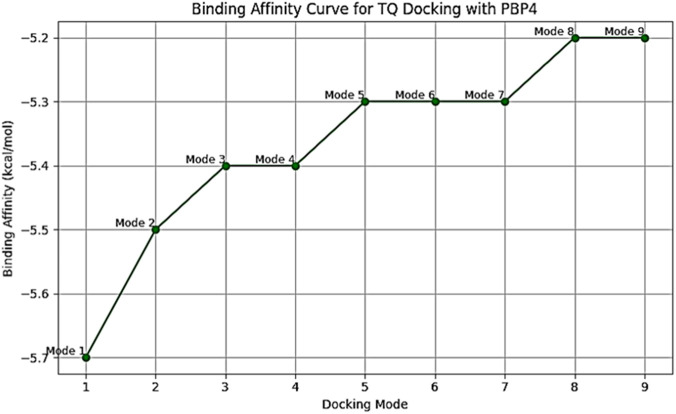 Figure 10
Peer Reviews
No public reviews on file for this paper yet. If you reviewed it on a platform where reviews are public (OpenReview, ICLR, NeurIPS, ICML), you can paste yours below so the community can read it here.
Videos
No videos yet. Explain this paper in a talk, walkthrough, or lecture? Add one.
Taxonomy
TopicsNigella sativa pharmacological applications · Salmonella and Campylobacter epidemiology · Essential Oils and Antimicrobial Activity