Placenta–pulmonary coupling–guided multimodal AI for fetal lung maturity staging and individualized glucocorticoid therapy
Bin Ma, Jie Ran, Ting Pan, Feilei Yan, Zhicheng Yue, Yanwu Yao, Yongxin Li, Fang Nie

TL;DR
A new AI framework uses placenta-lung interactions and multimodal data to assess fetal lung maturity and guide glucocorticoid therapy, improving interpretability and clinical alignment.
Contribution
A physiology-informed hybrid AI model that integrates multimodal data and provides interpretable fetal lung maturity staging and individualized glucocorticoid dosing.
Findings
The AI model clustered fetal lung maturity into four stages with a silhouette score of 0.72, aligning with biochemical benchmarks.
The model predicted glucocorticoid doses within ±0.5 mg of clinical regimens and reduced projected RDS risk by 27%.
The framework maintained neurotoxicity index below thresholds while improving decision traceability and clinical alignment.
Abstract
Deep learning has improved medical image analysis but often produces opaque decisions and correlation-driven predictions that may diverge from clinical reasoning. We hypothesize that a physiology-informed hybrid framework, which explicitly models placenta–pulmonary interactions and integrates multimodal data, could provide interpretable and reliable guidance for assessing fetal lung maturity (FLM) and optimizing antenatal glucocorticoids (GCs). In a prospective cohort study involving 320 pregnancies—including 160 with hypertensive disorders of pregnancy (HDP)—each with weekly acquisitions from 28 to 36 weeks, we combined 2D/3D ultrasound, shear-wave elastography, Doppler, and maternal plasma metabolomics. A biophysical placenta–pulmonary coupling model used the umbilical artery pulsatility index (PI) and a metabolomic hypoxia–steroid score to represent placental reserve, while…
Genes, proteins, chemicals, diseases, species, mutations and cell lines named across the full text — each resolved to its canonical identifier and authoritative record.
Click any figure to enlarge with its caption.
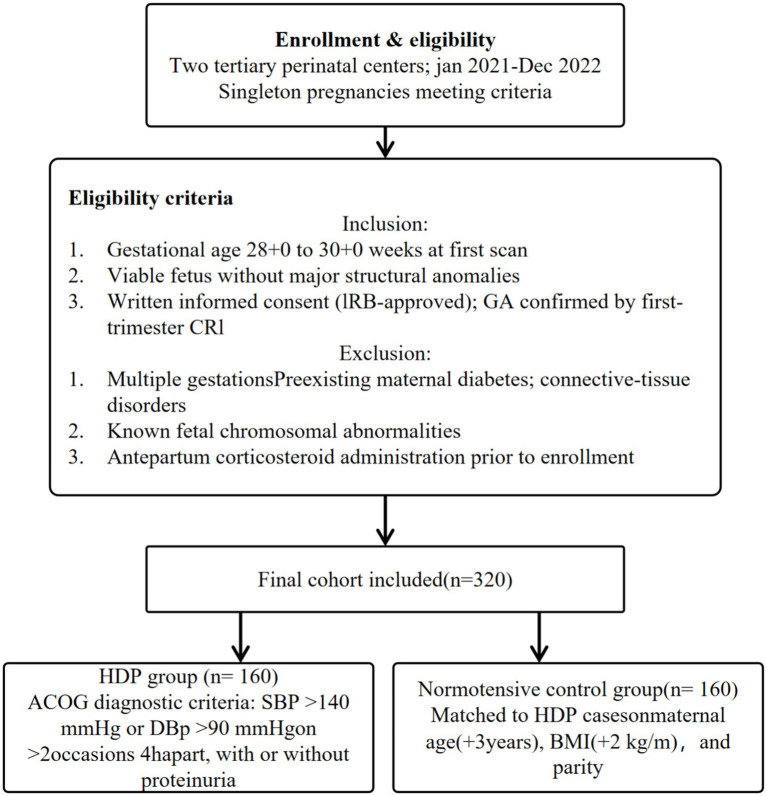 Figure 1
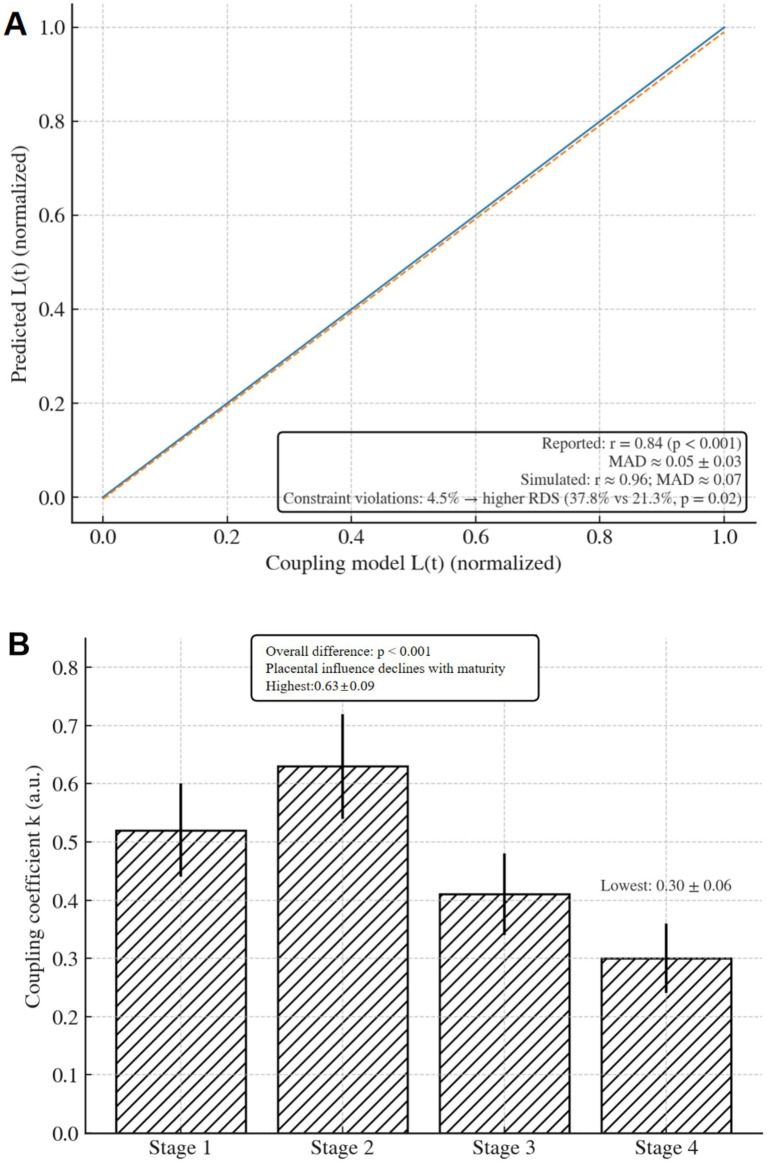 Figure 2
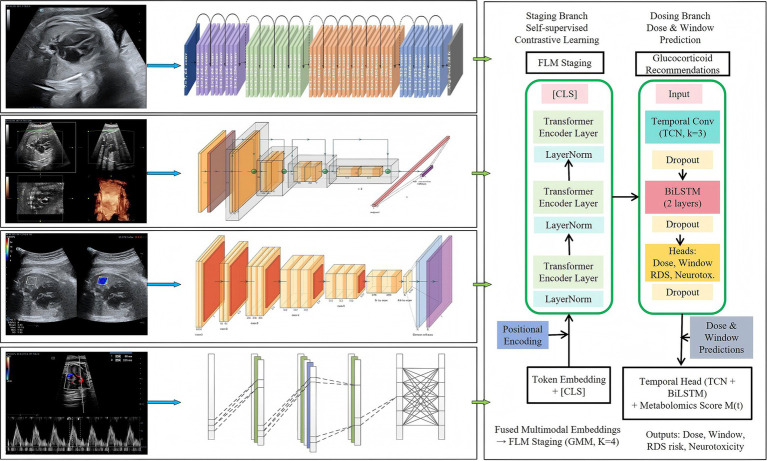 Figure 3
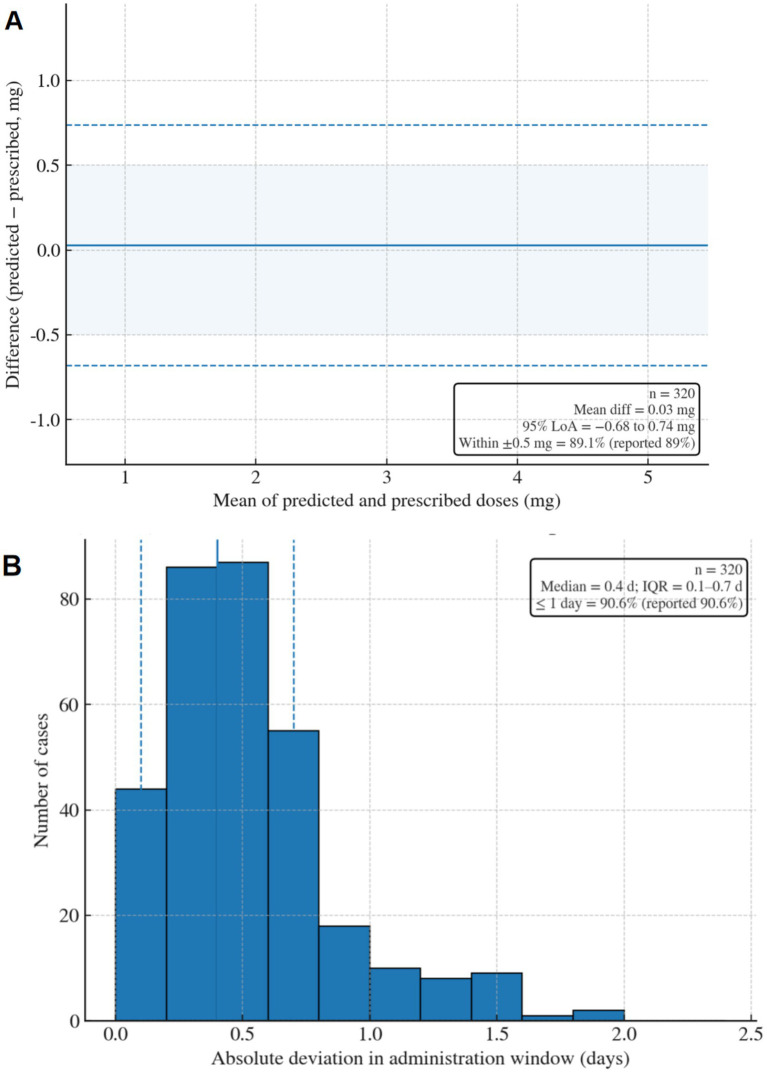 Figure 4
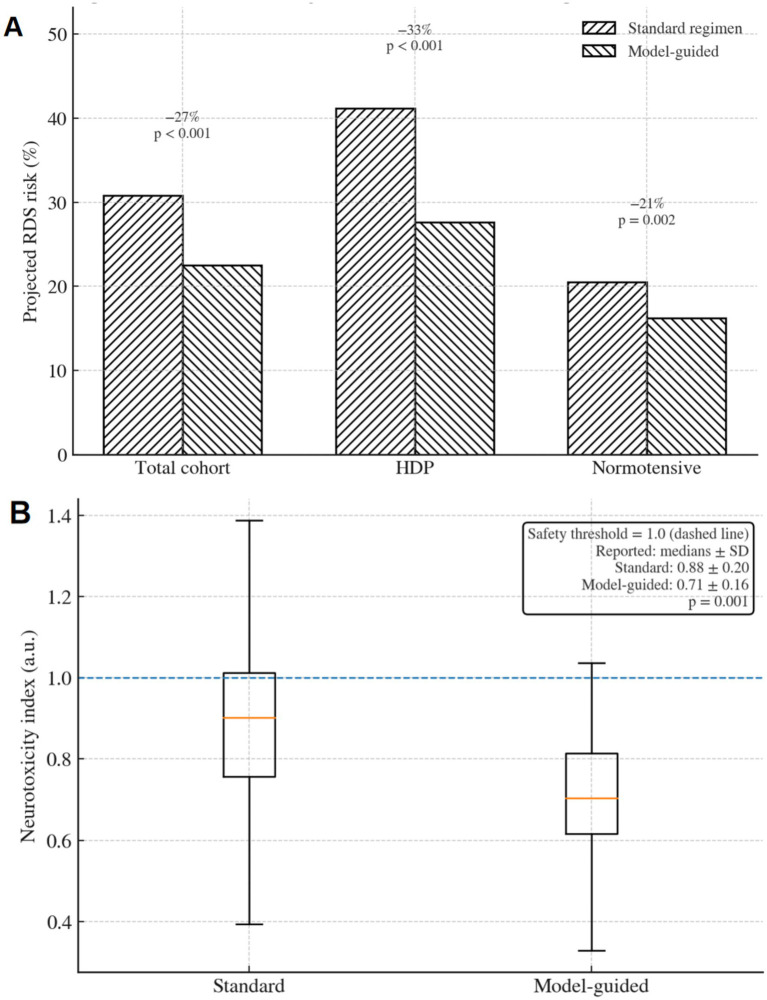 Figure 5
Peer Reviews
No public reviews on file for this paper yet. If you reviewed it on a platform where reviews are public (OpenReview, ICLR, NeurIPS, ICML), you can paste yours below so the community can read it here.
Videos
No videos yet. Explain this paper in a talk, walkthrough, or lecture? Add one.
Taxonomy
TopicsCongenital Diaphragmatic Hernia Studies · Neonatal Respiratory Health Research · Pregnancy and preeclampsia studies