Protective immunity against Chagas disease induced by a superantigen-based chimeric DNA vaccine delivered by attenuated Salmonella
María Belén Antonoglou, Andrés Sánchez Alberti, Daniela María Redolfi, Augusto Ernesto Bivona, Sofía Noli Truant, María Belén Sarratea, Alejandro Cardoso, Flavia Nader Motta, Emilio Luis Malchiodi, Marisa Mariel Fernández

TL;DR
A new DNA vaccine using a modified superantigen shows promise in protecting against Chagas disease by reducing parasite levels and tissue damage in mice.
Contribution
A detoxified superantigen-based chimeric DNA vaccine delivered by attenuated Salmonella induces protective immunity against Chagas disease.
Findings
Recombinant protein vaccination induced strong humoral immunity and parasite neutralization.
DNA delivery via attenuated Salmonella promoted potent cellular immunity with CD4+ and CD8+ T cells.
Vaccinated mice showed reduced parasitemia and tissue damage during both acute and chronic T. cruzi infection.
Abstract
Chagas disease is a chronic parasitic infection endemic to Latin America that affects more than 7 million people and is increasingly spreading worldwide due to human migration. Trypanosoma cruzi is the etiological agent of this disease, for which no effective vaccine has yet been approved for human use. We previously developed a heterologous chimeric immunogen, CruSEG, composed of the N-terminal domain of the major cysteine protease cruzipain (Nt-Cz) fused to a genetically detoxified mutant of the staphylococcal superantigen G (SEGN24A). This modified superantigen preserves innate immune activation while avoiding deleterious T-cell effects associated with native superantigens. Here, we evaluated the immunogenicity and protective efficacy of CruSEG using different vaccination strategies, including recombinant protein formulated with CpG-ODN,oral DNA immunization delivered by attenuated…
Genes, proteins, chemicals, diseases, species, mutations and cell lines named across the full text — each resolved to its canonical identifier and authoritative record.
Click any figure to enlarge with its caption.
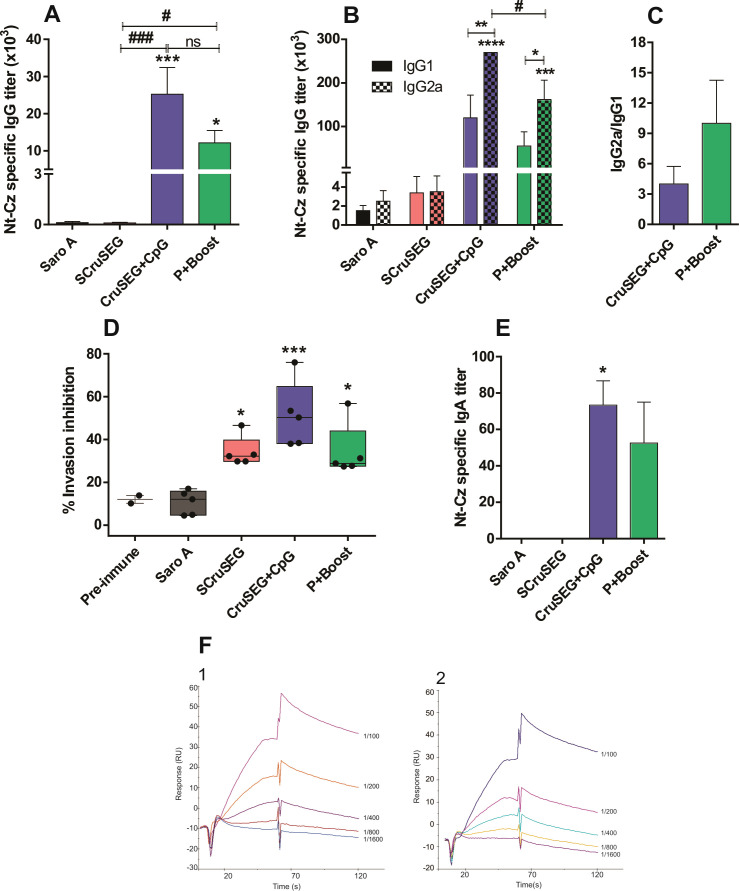 Figure 1
 Figure 2
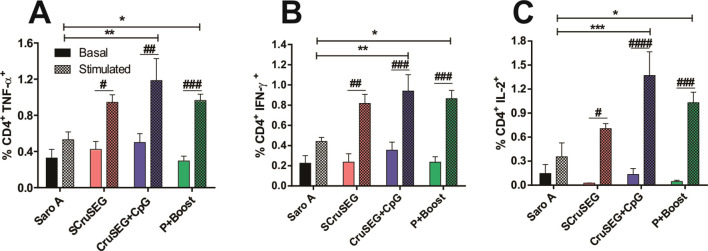 Figure 3
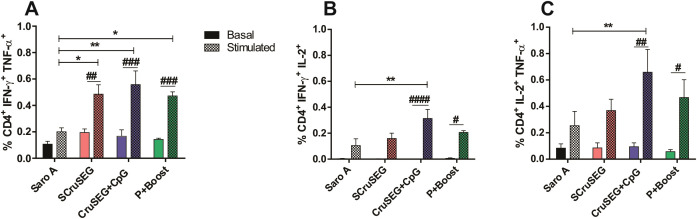 Figure 4
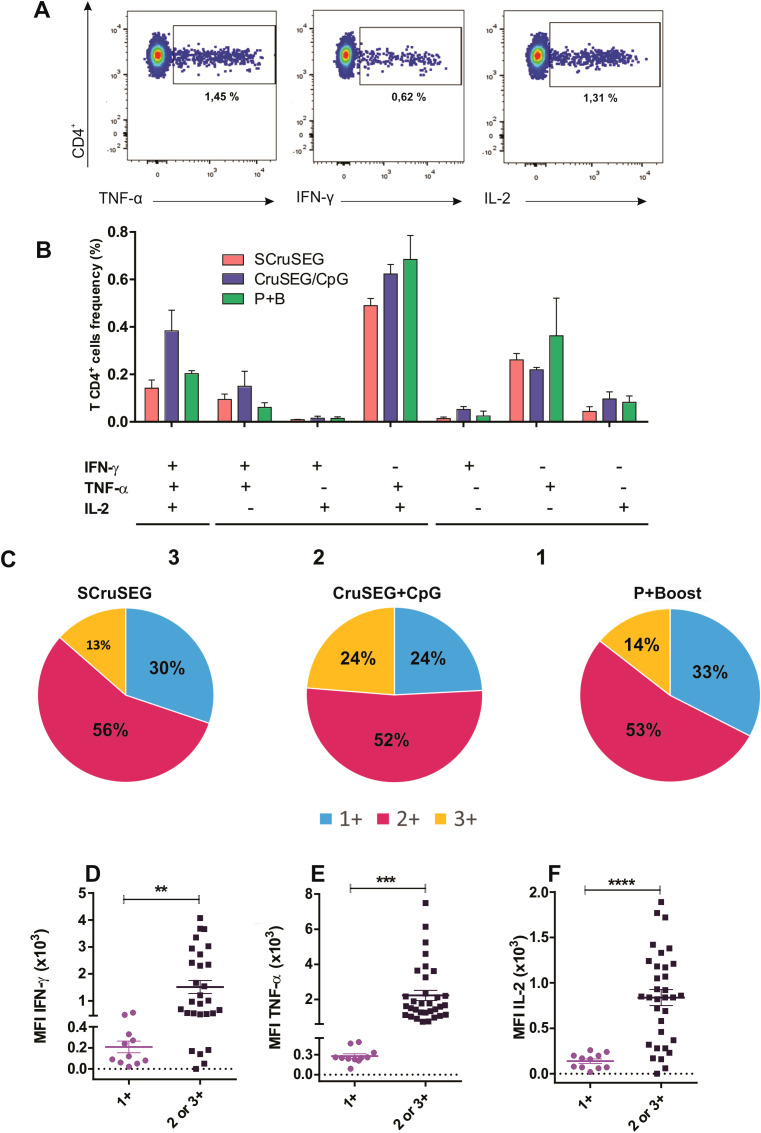 Figure 5
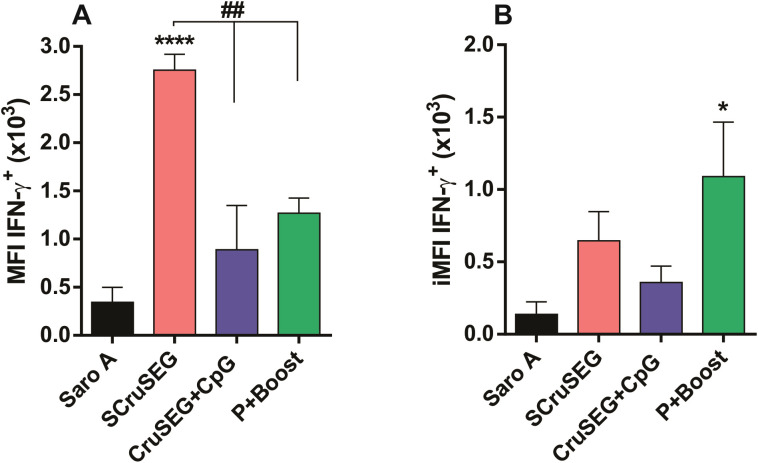 Figure 6
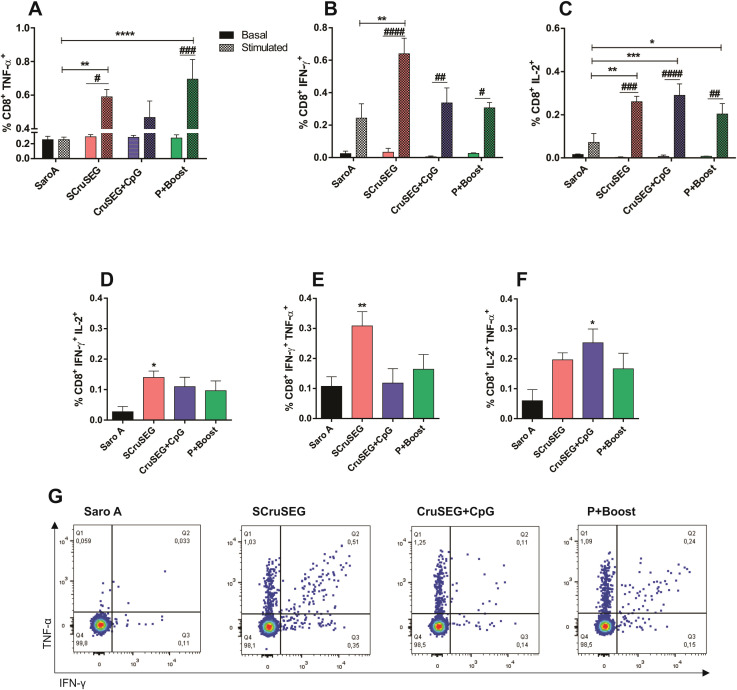 Figure 7
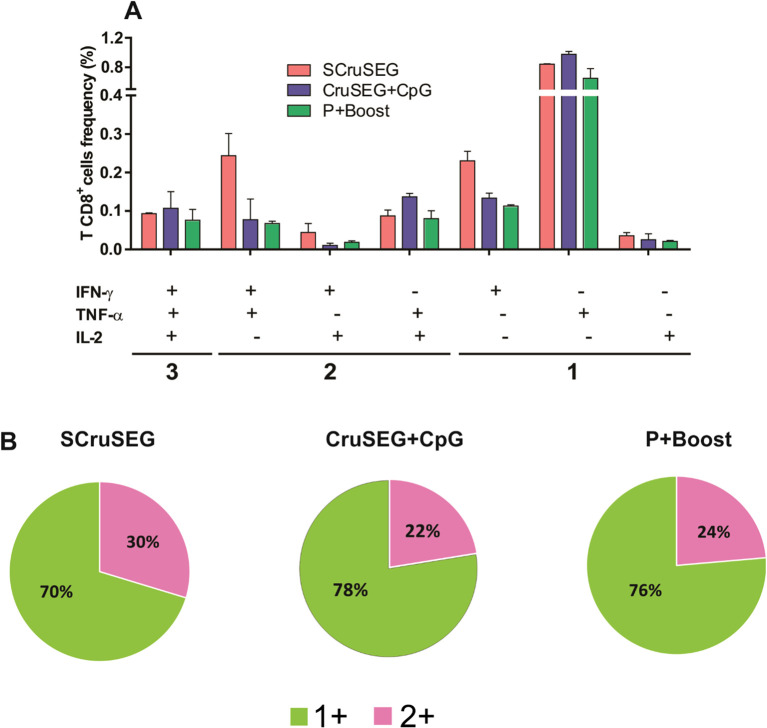 Figure 8
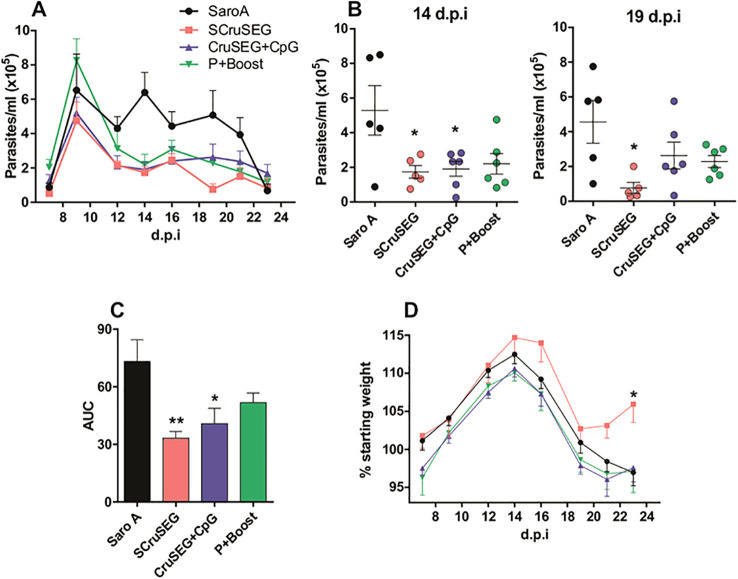 Figure 9
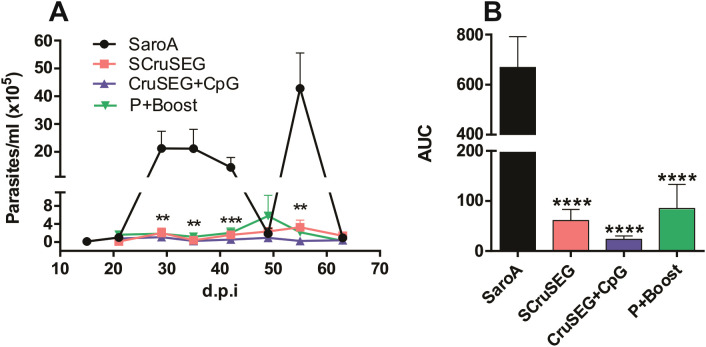 Figure 10
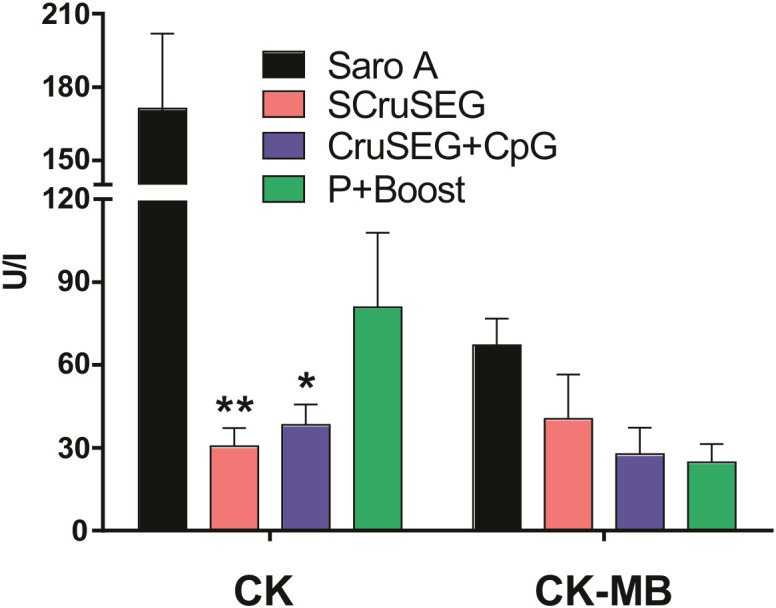 Figure 11
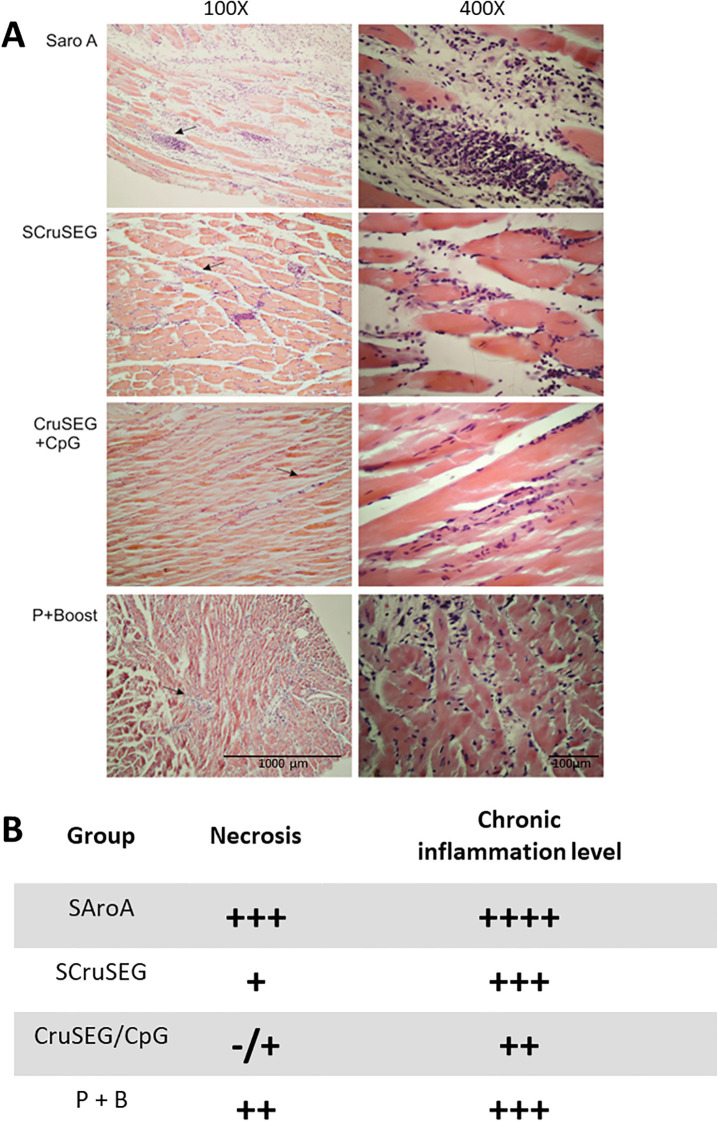 Figure 12
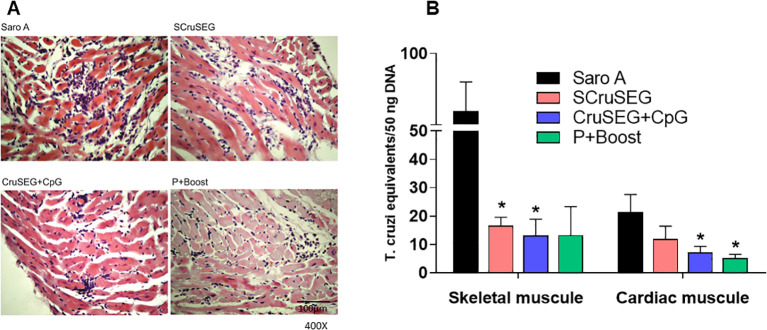 Figure 13
Peer Reviews
No public reviews on file for this paper yet. If you reviewed it on a platform where reviews are public (OpenReview, ICLR, NeurIPS, ICML), you can paste yours below so the community can read it here.
Videos
No videos yet. Explain this paper in a talk, walkthrough, or lecture? Add one.
Taxonomy
TopicsTrypanosoma species research and implications · Research on Leishmaniasis Studies · Escherichia coli research studies