Evaluating the products of low power, sealed vessel microwave pyrolysis of microalgae
Jolyon J. Glynn, Ewan. D. Ward, Donal McGee, Avtar S. Matharu

TL;DR
This study examines the products of low-power microwave pyrolysis of a microalga, finding that low power yields bio-oils and biochars with potential uses as chemicals, adsorbents, and biofuels.
Contribution
The novelty lies in evaluating low-power microwave pyrolysis of microalgae for producing bio-oils and biochars with specific applications.
Findings
Low power microwave pyrolysis produces bio-oils rich in fatty acids with high heating values.
Biochar produced at 150 W shows the highest copper(II) adsorption capacity.
Products from low power pyrolysis have potential as platform chemicals and adsorbents but limited biofuel use due to low HHV and high ash content.
Abstract
The products of low power, sealed vessel microwave pyrolysis of a proprietary microalga, ALG01, similar to Eustigmatophyceae, were evaluated at fixed power (50 W, 100 W and 150 W). The afforded biochars were characterised by CHNS, ATR-IR, SS 13C NMR, TGA and SEM, whilst the bio-oils were characterised by CHNS, 1H and 13C NMR, GC-MS/FID and ATR-IR. The bio-oils were all rich in fatty acids, although with increased microwave power, these long chain fatty acids experienced cracking. The higher heating values (HHVs) of the bio-oils was calculated, with the 50 W bio-oil attaining the highest HHV (35.04 ± 2.40 MJ/kg). Preliminary copper(II) adsorption studies were performed on the biochars, with activated carbon (AC) used as a control. The biochar produced at 150 W adsorbed the highest amount of copper(II) when dosed at both 1 mg/mL and 10 mg/mL of biochar (110.00 ± 4.83 and 31.26 ± 2.63…
Genes, proteins, chemicals, diseases, species, mutations and cell lines named across the full text — each resolved to its canonical identifier and authoritative record.
Click any figure to enlarge with its caption.
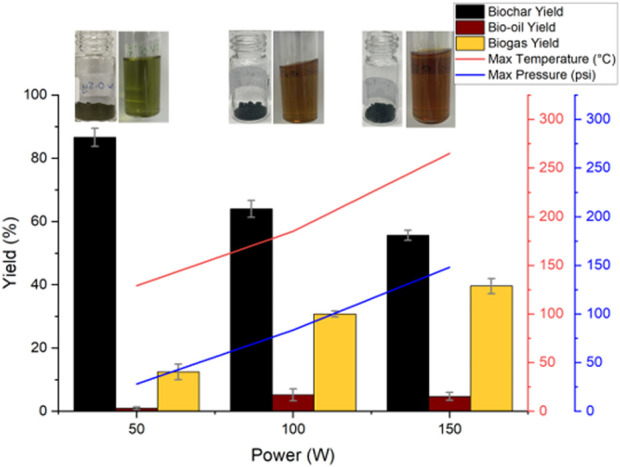 Figure 1
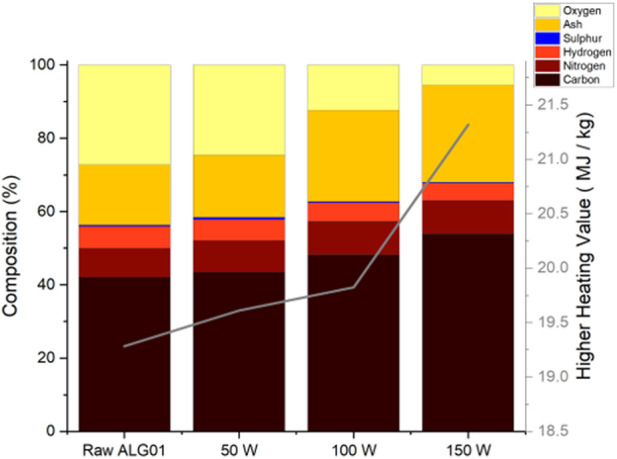 Figure 2
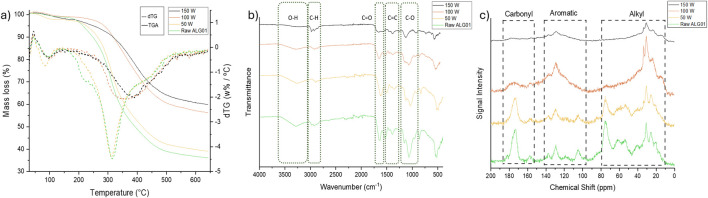 Figure 3
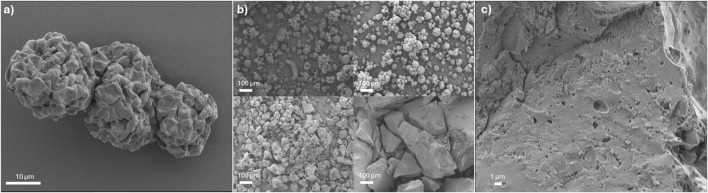 Figure 4
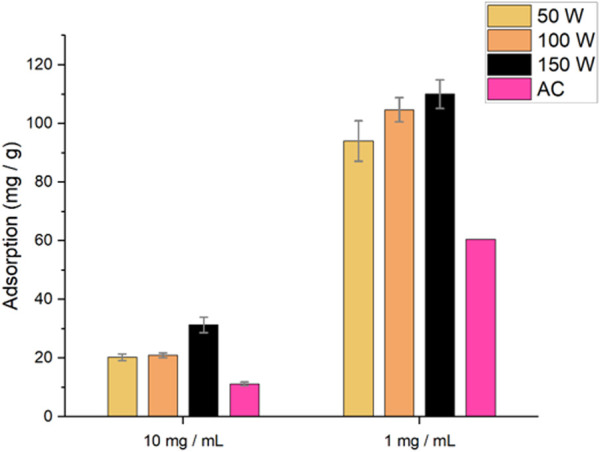 Figure 5
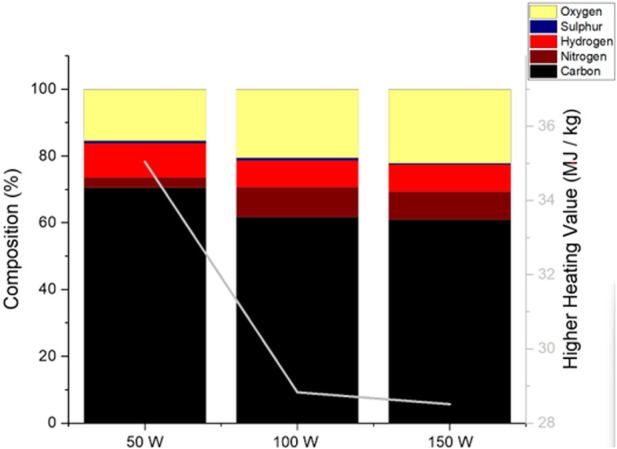 Figure 6
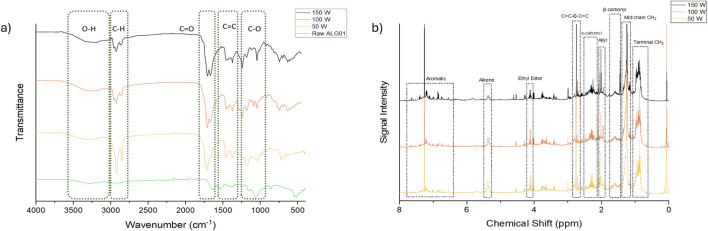 Figure 7
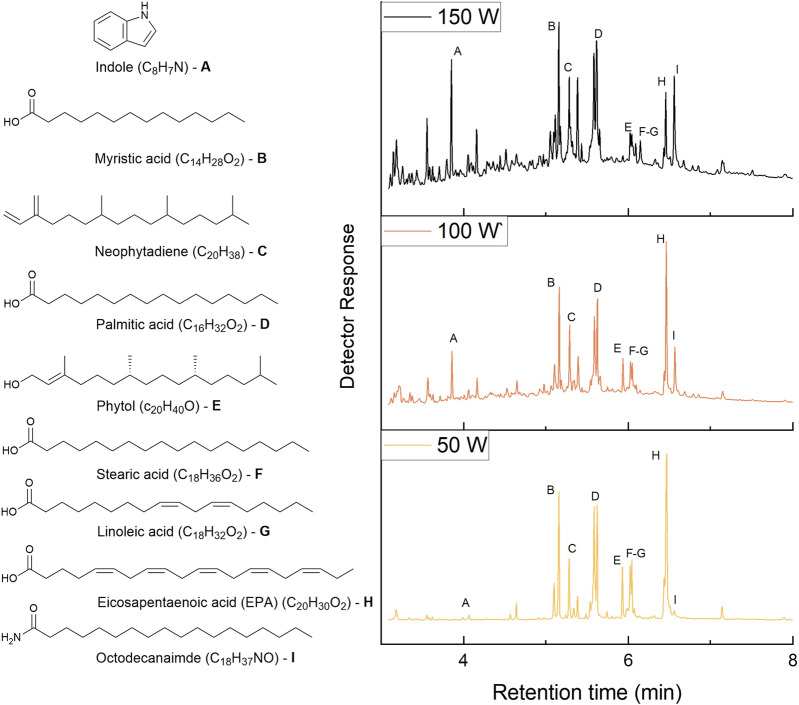 Figure 8
Peer Reviews
No public reviews on file for this paper yet. If you reviewed it on a platform where reviews are public (OpenReview, ICLR, NeurIPS, ICML), you can paste yours below so the community can read it here.
Videos
No videos yet. Explain this paper in a talk, walkthrough, or lecture? Add one.
Taxonomy
TopicsThermochemical Biomass Conversion Processes · Adsorption and biosorption for pollutant removal · Biodiesel Production and Applications