Expanding the differential diagnosis of bone-forming tumors: a new entity characterized by a NIPBL::BEND2 fusion
Danielle Forster, Rashed Al-Khudairi, Fiona Bonar, Alison Cheah, Wendy Brown, Richard Boyle, Dorte Wren, Adrienne Flanagan, Fernanda Amary, Paul O’Donnell

TL;DR
A new type of bone-forming tumor is identified, driven by a rare NIPBL::BEND2 fusion, expanding the known range of tumors associated with this genetic event.
Contribution
The paper reports two new cases of low-grade bone-forming tumors linked to a NIPBL::BEND2 fusion, expanding the clinical spectrum of this rare genetic entity.
Findings
Two new cases of bone-forming tumors with a NIPBL::BEND2 fusion were identified in patients with distinct clinical presentations.
These tumors lacked features of high-grade osteosarcoma or phosphaturic mesenchymal tumors, suggesting a novel clinical entity.
The findings suggest that low-grade bone-forming tumors can now be added to the range of phenotypes associated with the NIPBL::BEND2 fusion.
Abstract
We report two bone-forming tumors driven by a newly recognized fusion. The first is a lesion in the distal radius of a 59-year-old female subject, which had been present for 10 years. Imaging showed an intramedullary tumor with an exophytic dorsal component and marked sclerosis, histologically best classified as low-grade osteosarcoma. The second was a destructive lesion in the left ulna of a 13-year-old female with a short history of elbow pain. Imaging showed a lytic lesion with subtle tumor ossification, histologically best classified as an atypical osteoblastoma-like tumor. A NIPBL::BEND2 fusion was found in both cases on whole genome sequencing. This fusion has been previously reported in three bone lesions, two of which were reported as phosphaturic mesenchymal tumors and the other exhibited features of a high-grade osteosarcoma. These newly reported cases were bone-forming, but…
Genes, proteins, chemicals, diseases, species, mutations and cell lines named across the full text — each resolved to its canonical identifier and authoritative record.
Click any figure to enlarge with its caption.
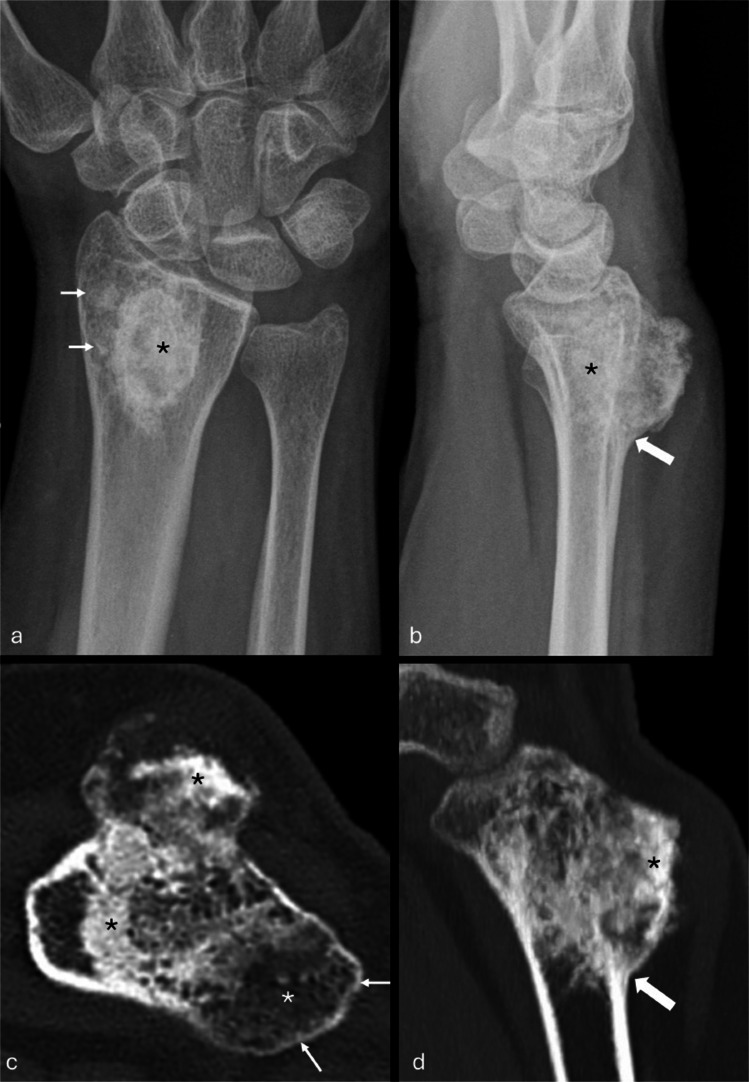 Figure 1
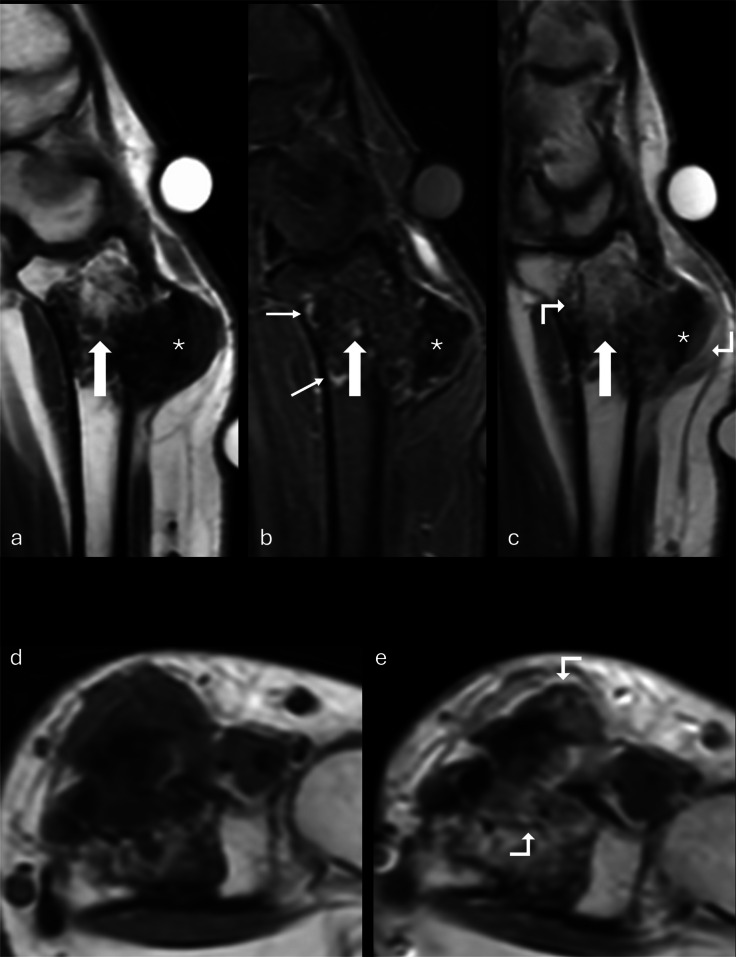 Figure 2
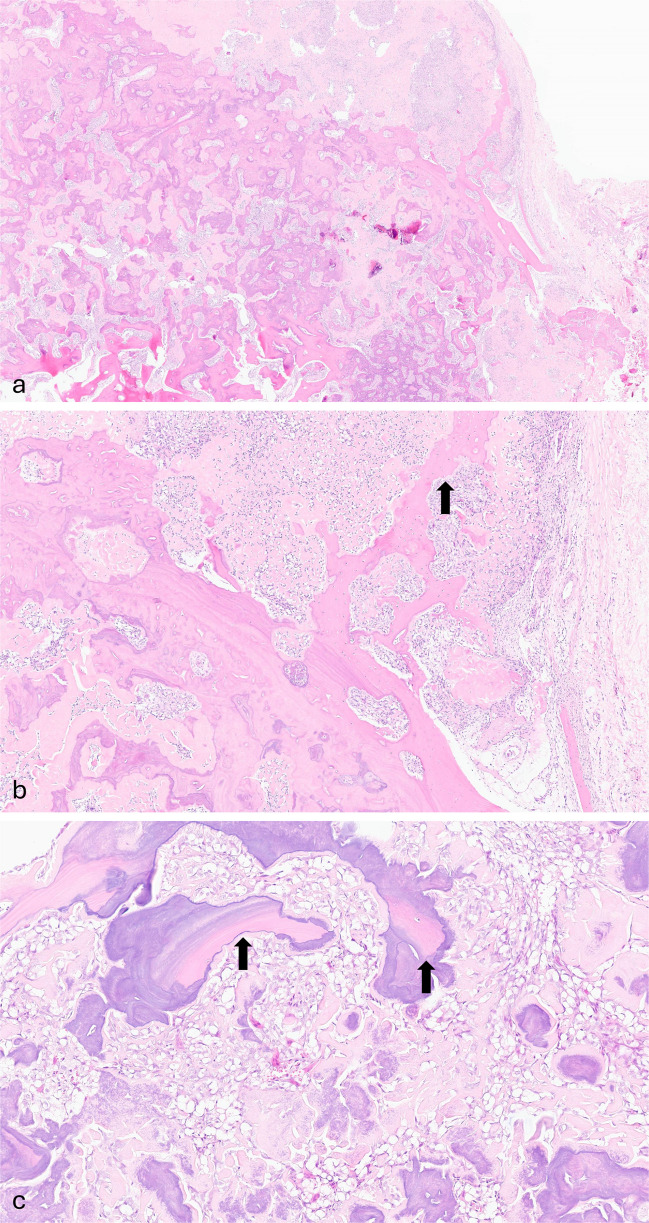 Figure 3
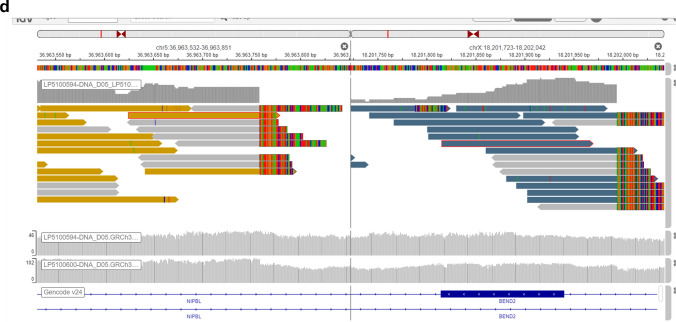 Figure 3
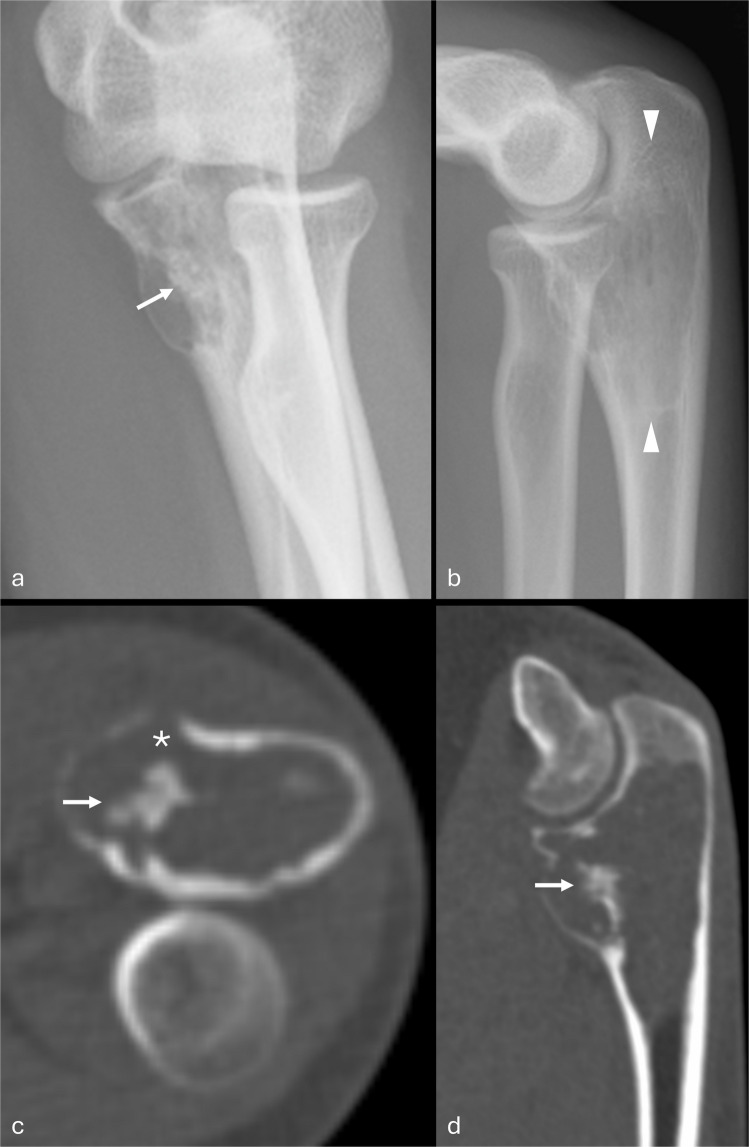 Figure 4
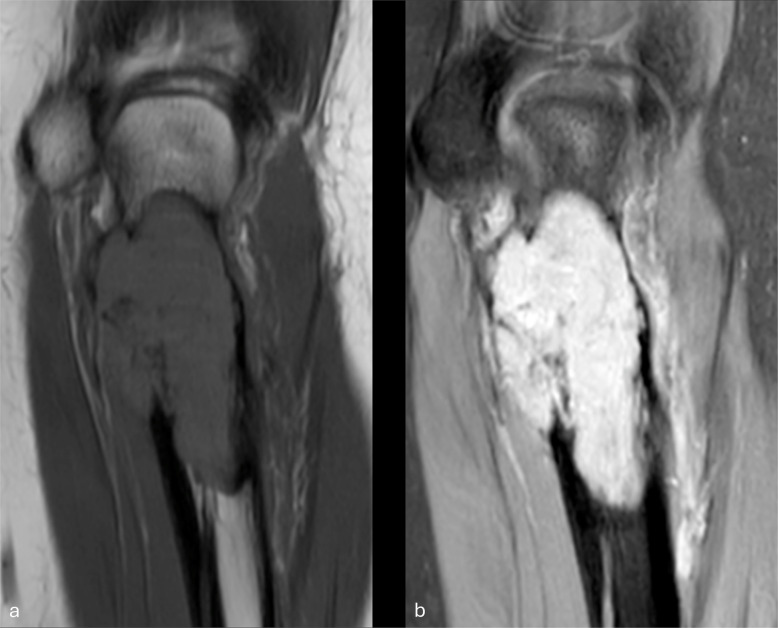 Figure 5
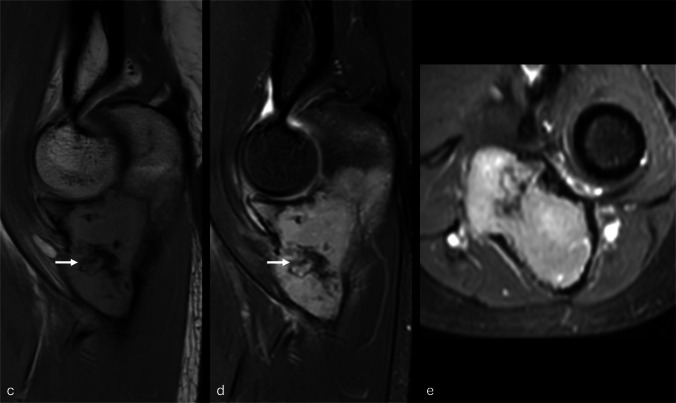 Figure 5
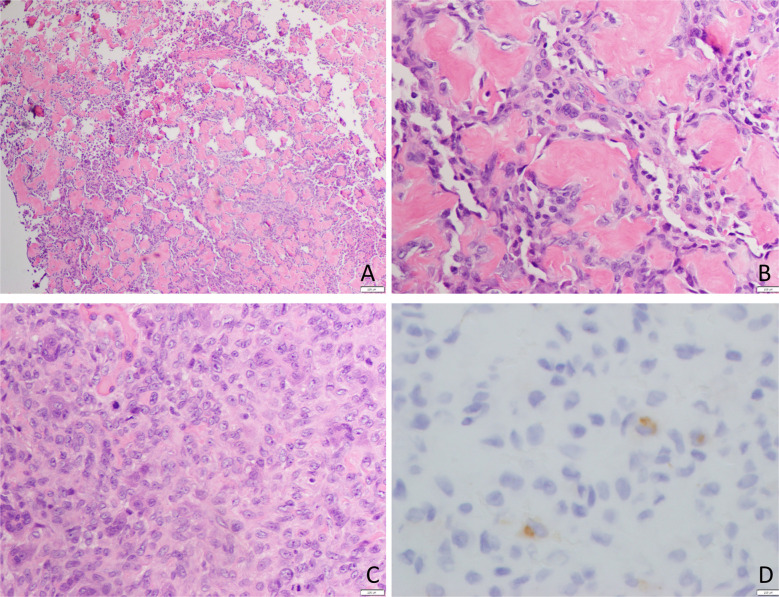 Figure 6
Peer Reviews
No public reviews on file for this paper yet. If you reviewed it on a platform where reviews are public (OpenReview, ICLR, NeurIPS, ICML), you can paste yours below so the community can read it here.
Videos
No videos yet. Explain this paper in a talk, walkthrough, or lecture? Add one.
Taxonomy
TopicsBone Tumor Diagnosis and Treatments · Sarcoma Diagnosis and Treatment · Dermatological and Skeletal Disorders