Relationship between hypercoagulability and mesenteric ischemia early after cardiac surgery
Zulfugar T. Taghiyev, Mike Sadowski, Lili-Marie Beier, Carina Leweling, Sophia Gunkel, Paula Keschenau, Johannes Kalder, Borros M. Arneth, Chrysanthi Skevaki, Ulrich Sachs, Jens Müller, Andreas Böning

TL;DR
This study explores how hypercoagulability after cardiac surgery may be linked to mesenteric ischemia by analyzing blood markers in patients.
Contribution
The study identifies TAT and F1.2 as potential markers for hypercoagulability in mesenteric ischemia after cardiac surgery.
Findings
TAT levels were significantly higher in mesenteric ischemia patients 12 hours after ICU admission.
Mesenteric ischemia patients showed a 3.9-fold increase in F1.2 levels compared to controls.
Higher I-FABP and D-dimer levels were observed in mesenteric ischemia patients at ICU admission and 12 hours later.
Abstract
Cardiac surgery is considered to be a hypercoagulable state with an increased incidence of thromboembolic events. To evaluate the connection between hypercoagulability and mesenteric ischemia (Me-Is), we investigated hemostatic parameters in patients with diagnosed Me-Is. Out of a cohort of 500 consecutive cardiac surgery patients, 25 patients with hyperinflammatory indicators (interleukin-6 > 600 ng/l) and metabolic acidosis (lactate > 4 mmol/l) were retrospectively matched 1:4 into Me-Is (n = 5) and control (n = 20) groups. Blood samples collected before surgery, on intensive care unit (ICU) admission, and 12 h after ICU admission were assessed for hemostatic parameters, including fibrinogen, D-dimer, thrombin-anti-thrombin complex (TAT), and prothrombin fragments 1 + 2 (F1.2). Thrombin generation assays were conducted on all samples, and intestinal fatty acid-binding protein (I-FABP)…
Genes, proteins, chemicals, diseases, species, mutations and cell lines named across the full text — each resolved to its canonical identifier and authoritative record.
Click any figure to enlarge with its caption.
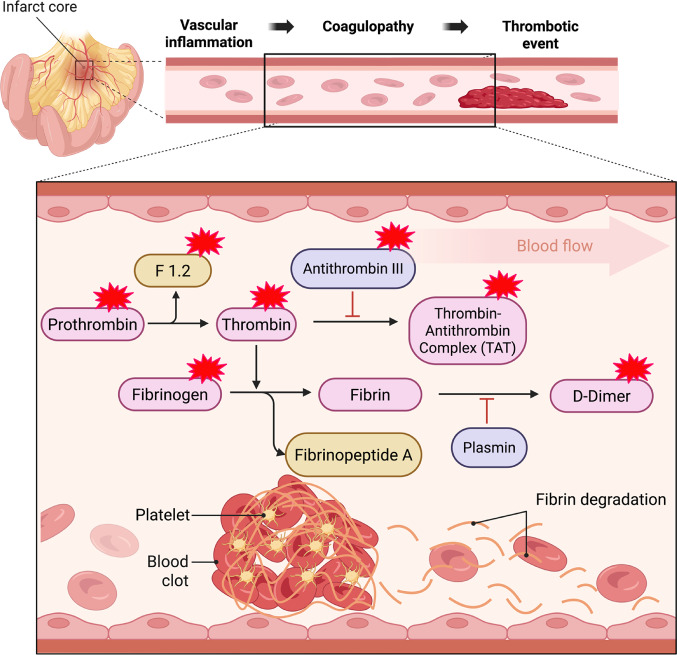 Figure 1
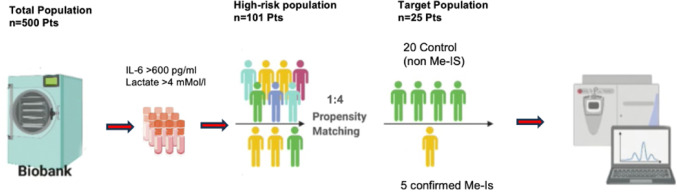 Figure 2
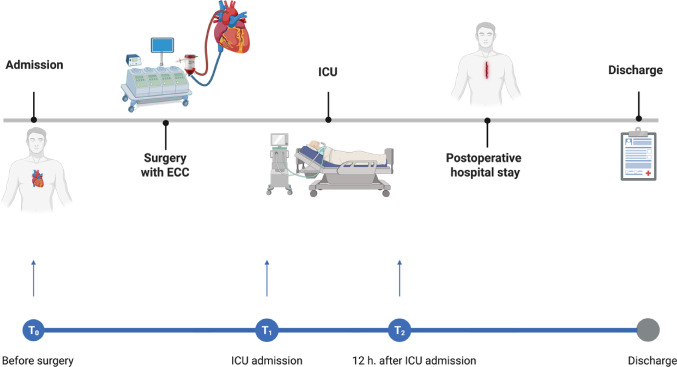 Figure 3
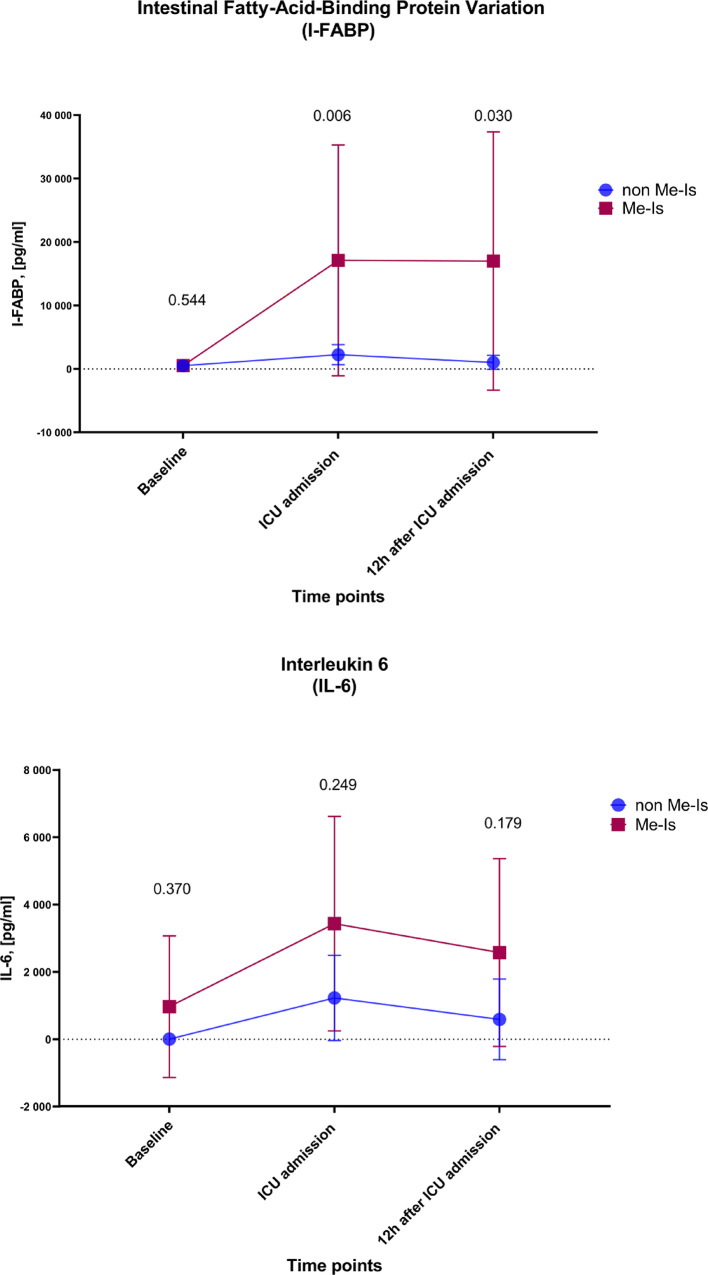 Figure 4
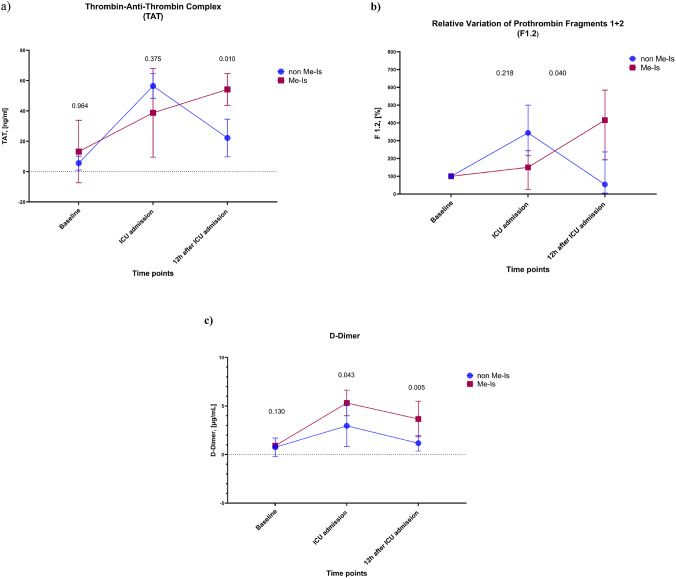 Figure 5
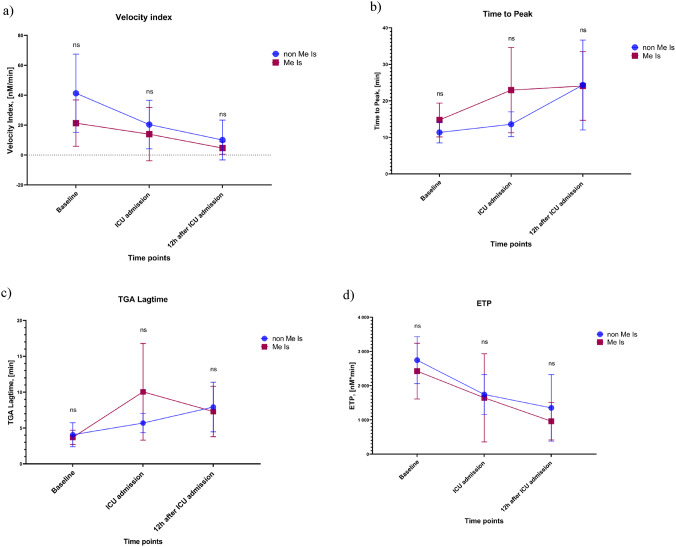 Figure 6
Peer Reviews
No public reviews on file for this paper yet. If you reviewed it on a platform where reviews are public (OpenReview, ICLR, NeurIPS, ICML), you can paste yours below so the community can read it here.
Videos
No videos yet. Explain this paper in a talk, walkthrough, or lecture? Add one.
Taxonomy
TopicsAbdominal vascular conditions and treatments · Atrial Fibrillation Management and Outcomes · Potassium and Related Disorders