Sequential formation of Drosophila circuit asymmetry via prolonged structural plasticity
Johann W. Markovitsch, Daniel Mitić, Alisa del Pilar Jiménez García, Zane Alsberga, Sarah Kainz, Rashmit Kaur, Thomas Hummel

TL;DR
This study shows how asymmetry in Drosophila brain circuits develops through interactions of pioneer neurons and structural plasticity.
Contribution
The study reveals a novel mechanism of circuit asymmetry formation via axonal interactions and dynamic adhesion molecule expression in Drosophila.
Findings
Directional asymmetry in Drosophila brain circuits arises from axonal interactions of bilateral pioneer neurons.
Fasciclin 2 expression maintains structural plasticity during axonal remodeling for circuit lateralization.
Reduced circuit asymmetry due to Fasciclin 2 manipulation affects adult brain function.
Abstract
Structural and functional differences between brain hemispheres are a common feature of animal nervous systems with reduced bilateral asymmetry often linked to impaired cognitive performance. How neuronal left-right asymmetry is initiated and integrated into a bilaterally symmetrical ground pattern is poorly understood. Here, we show that the directional asymmetry of a Drosophila central brain circuit originates from axonal interactions of two types of bilateral pioneer neurons. Subsequent recruitment of neighboring neurons into the asymmetric neuropil primordium results in hemisphere-specific microcircuits. Circuit lateralization requires dynamic expression of the cell adhesion molecule Fasciclin 2 to maintain structural plasticity in axonal remodeling. Reduced circuit asymmetry following cell type–specific Fasciclin 2 manipulation affects adult brain function. These results reveal an…
Genes, proteins, chemicals, diseases, species, mutations and cell lines named across the full text — each resolved to its canonical identifier and authoritative record.
Click any figure to enlarge with its caption.
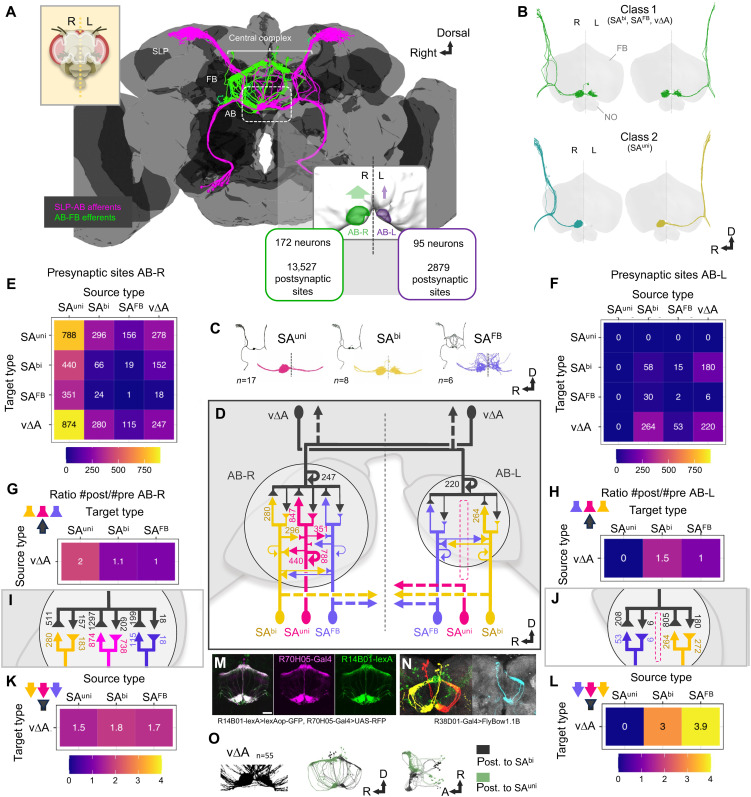 Figure 1
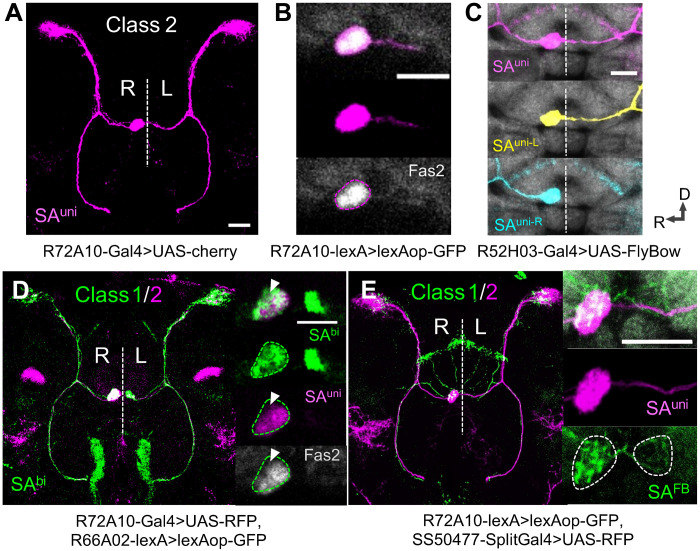 Figure 2
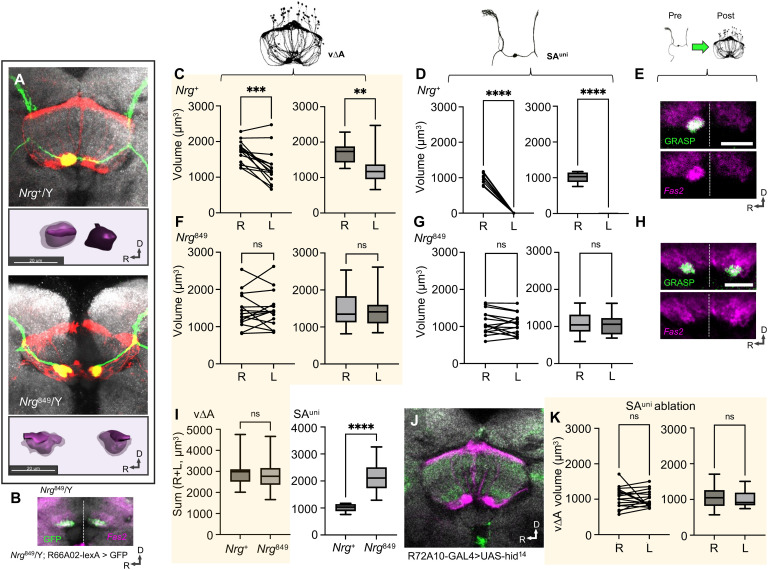 Figure 3
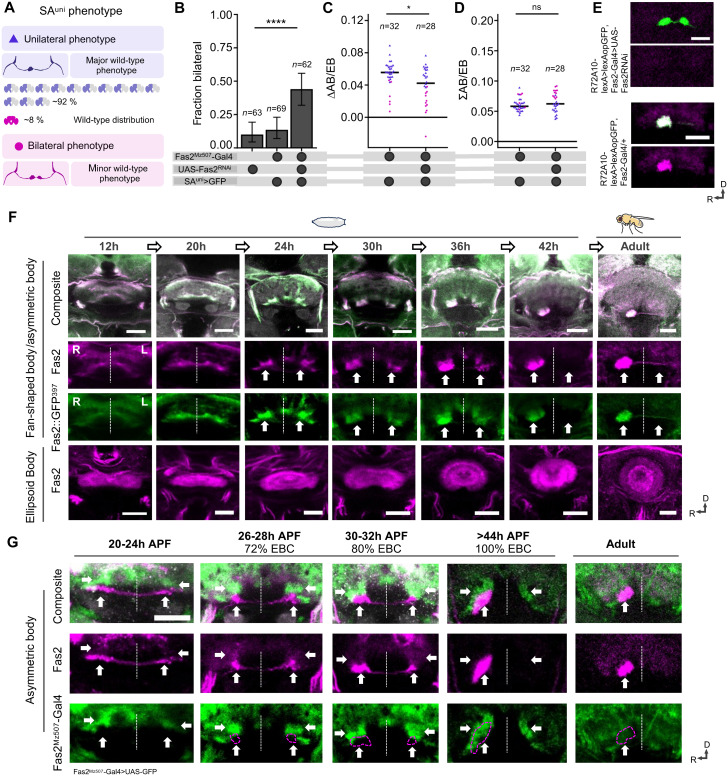 Figure 4
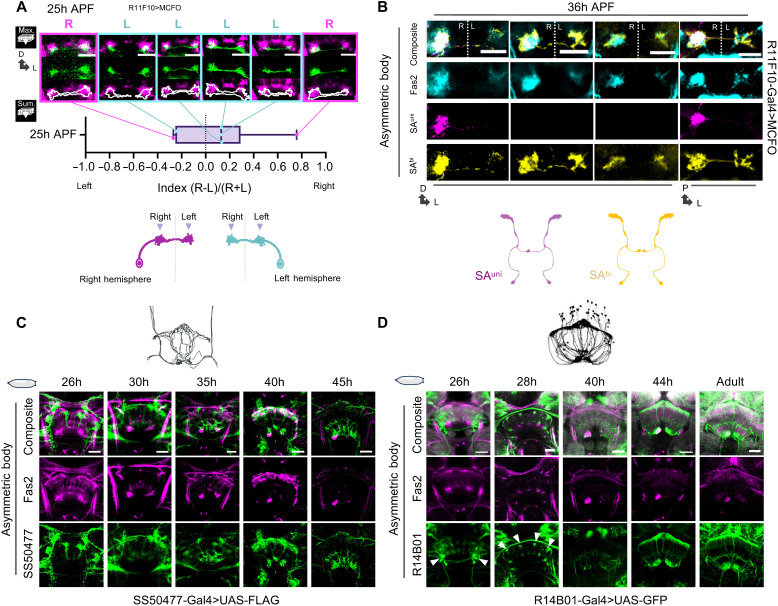 Figure 5
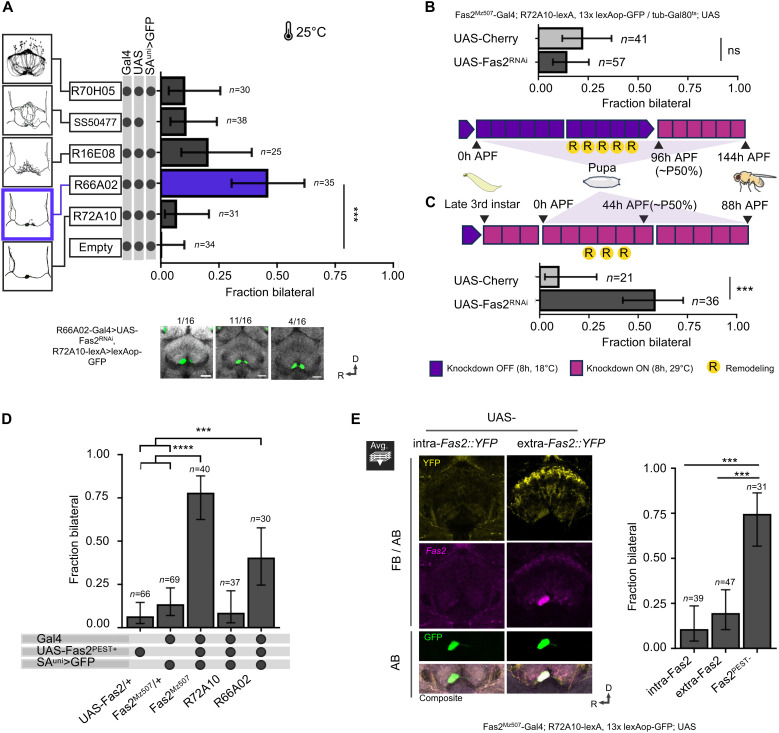 Figure 6
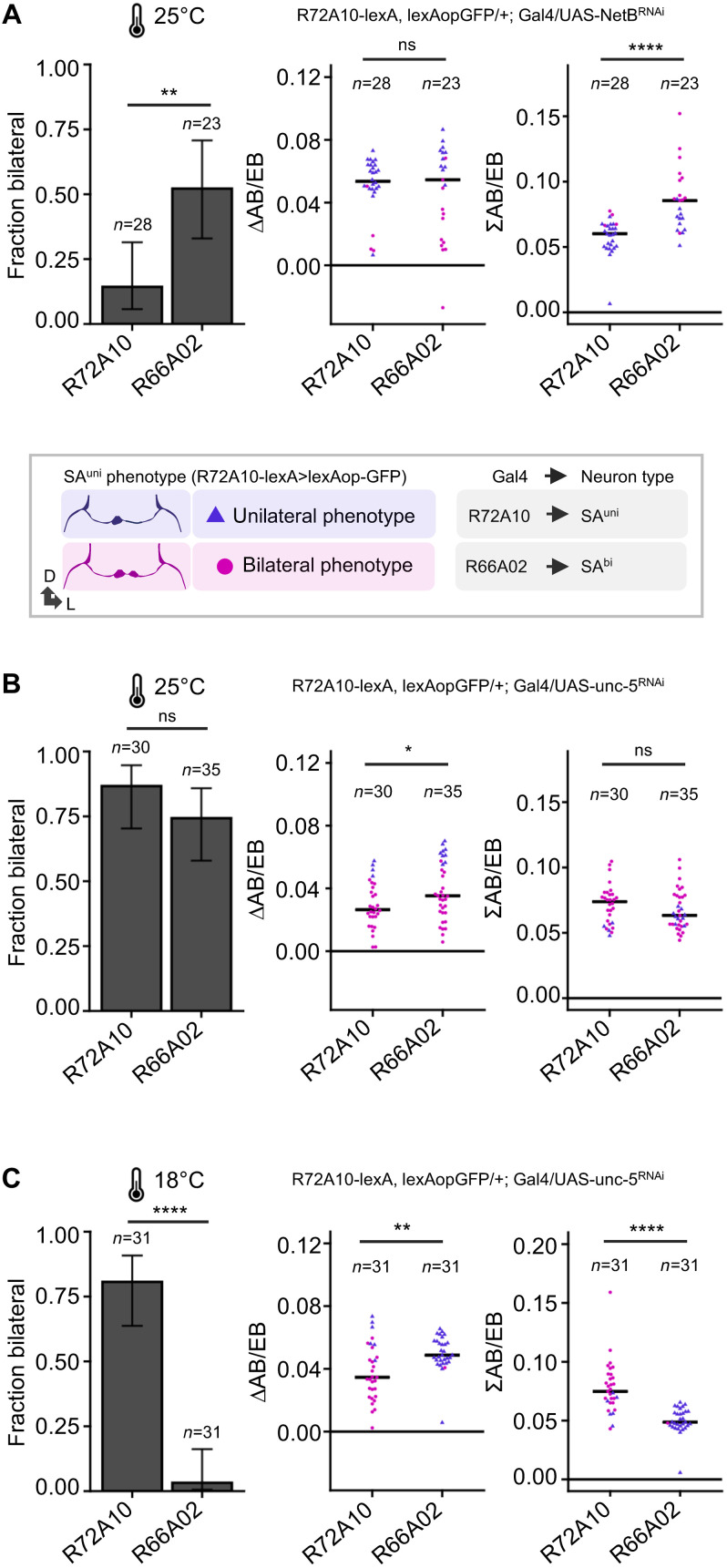 Figure 7
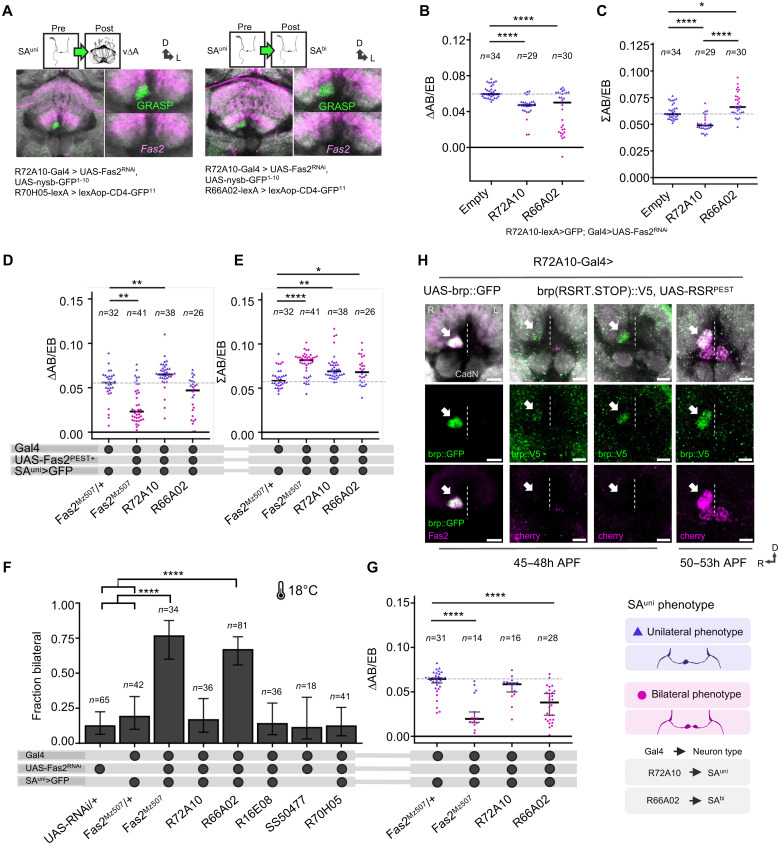 Figure 8
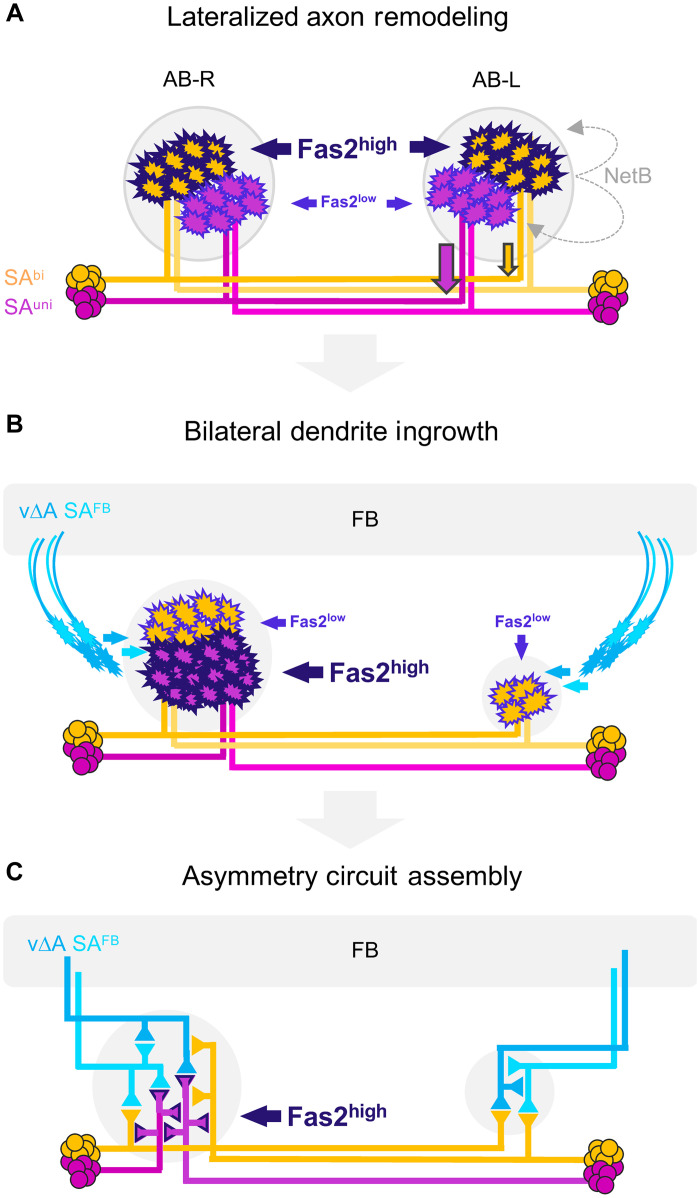 Figure 9
Peer Reviews
No public reviews on file for this paper yet. If you reviewed it on a platform where reviews are public (OpenReview, ICLR, NeurIPS, ICML), you can paste yours below so the community can read it here.
Videos
No videos yet. Explain this paper in a talk, walkthrough, or lecture? Add one.
Taxonomy
TopicsHemispheric Asymmetry in Neuroscience · Developmental Biology and Gene Regulation · Neurobiology and Insect Physiology Research