Machine learning–directed massively parallel programmable nucleic acid amplification
Zhi Weng, Wenle Huang, Yi Wu, Xuehao Xiu, Hui Lv, Fei Wang, Xiaolei Zuo, Chunhai Fan, Ping Song

TL;DR
A machine learning approach enables precise control of DNA amplification, improving data storage and disease detection.
Contribution
A thermodynamics-based primer-tag strategy with machine learning enhances amplification control for diagnostics and DNA storage.
Findings
Machine learning improved amplification prediction accuracy from R2 = 0.62 to 0.86.
The method increased DNA data storage density by nearly tenfold and enabled robust steganography.
It detected rare RNA fusions with 100-fold higher sensitivity in cervical cancer analysis.
Abstract
Dynamic regulation of amplification efficiency is pivotal yet challenging in molecular diagnostics and DNA data storage. Here, we develop a thermodynamics-based approach to achieve continuous and precise modulation of nucleic acid amplification efficiency. By decoupling sequence specificity from hybridization energy regulation via a primer-tag compensation strategy, we demonstrate programmed amplification with high resolution (33 versus 81%). Leveraging 2483 experimental data, we constructed a machine learning model that improved prediction accuracy from R2 = 0.62 to = 0.86. In DNA data storage, this amplification strategy increases the density for information preview by nearly one order of magnitude and robust file steganography via differential amplification. In clinical validation, our method outperformed uniform amplification in cervical cancer RNA variant analysis, detecting rare…
Genes, proteins, chemicals, diseases, species, mutations and cell lines named across the full text — each resolved to its canonical identifier and authoritative record.
Click any figure to enlarge with its caption.
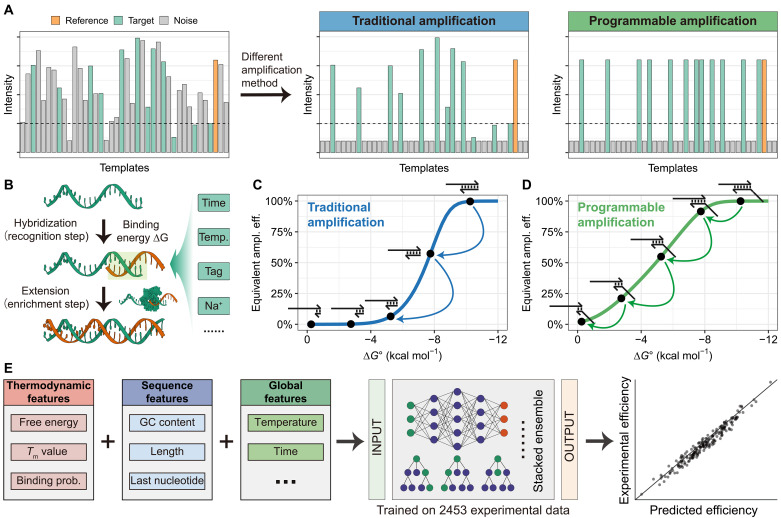 Figure 1
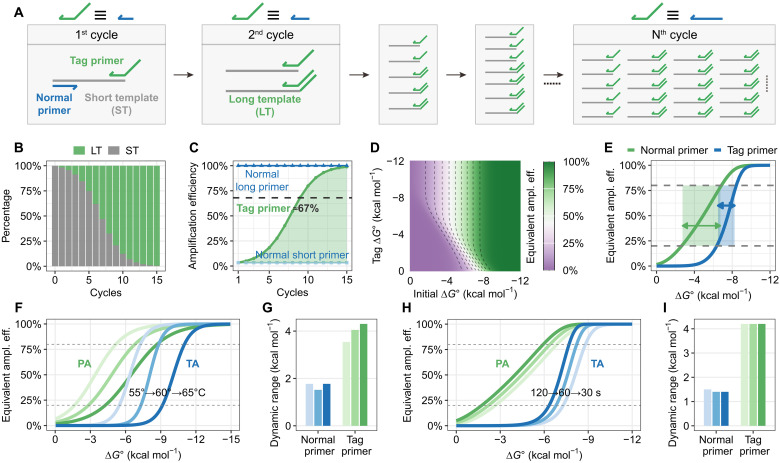 Figure 2
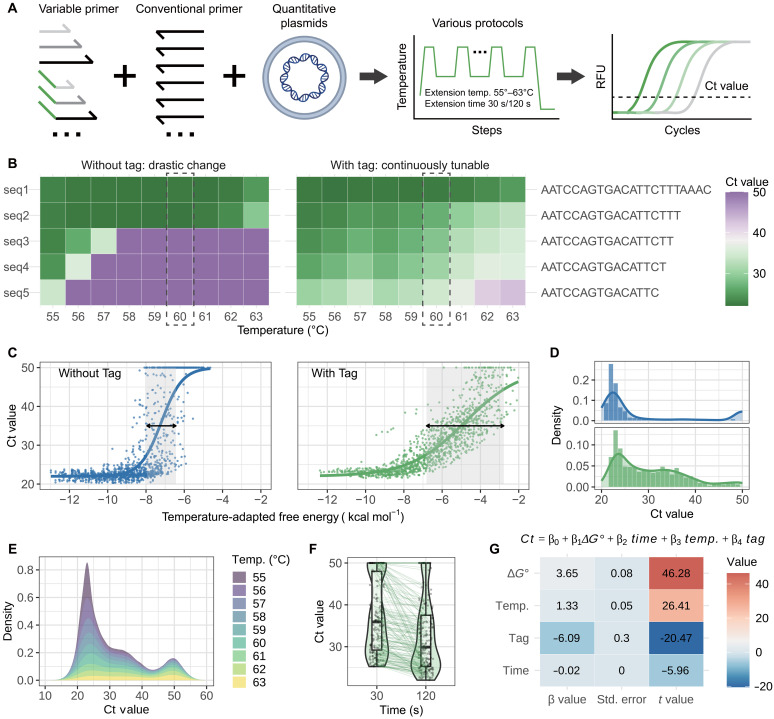 Figure 3
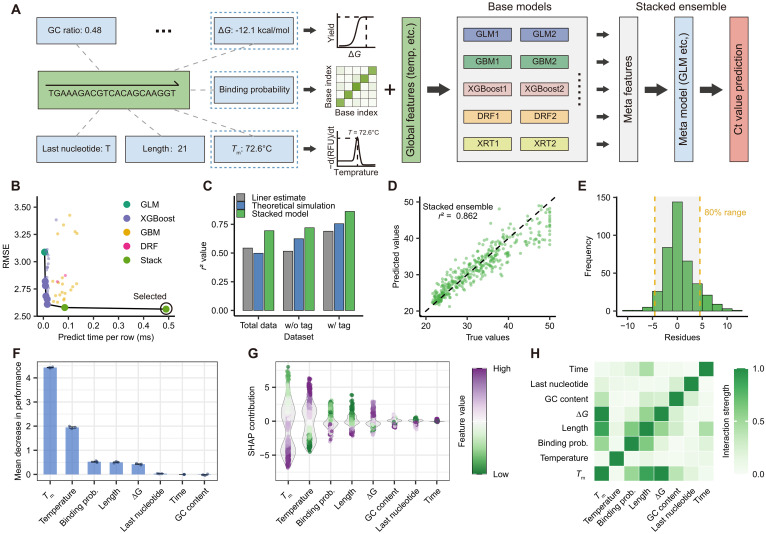 Figure 4
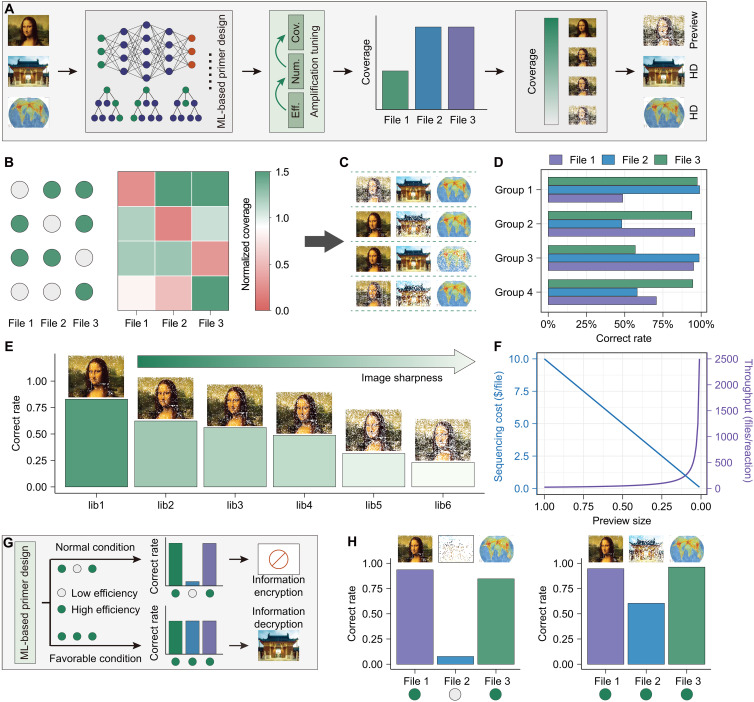 Figure 5
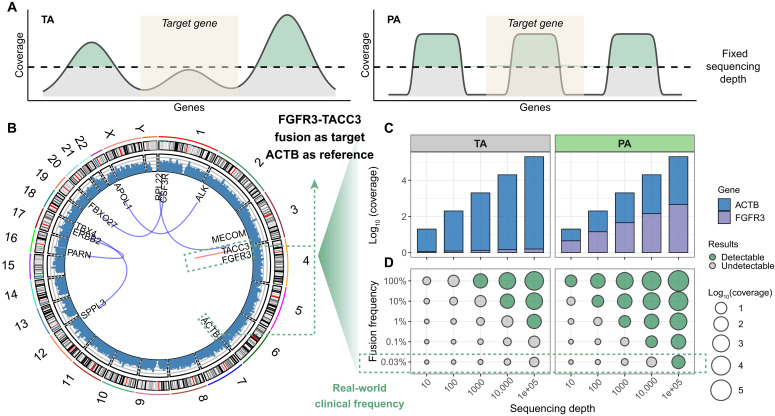 Figure 6
Peer Reviews
No public reviews on file for this paper yet. If you reviewed it on a platform where reviews are public (OpenReview, ICLR, NeurIPS, ICML), you can paste yours below so the community can read it here.
Videos
No videos yet. Explain this paper in a talk, walkthrough, or lecture? Add one.
Taxonomy
TopicsAdvanced biosensing and bioanalysis techniques · Single-cell and spatial transcriptomics · Cancer Genomics and Diagnostics