Modeling the Impact of Malaria Chemoprevention with sulphadoxine-pyrimethamine on the spread of Plasmodium falciparum dhps A581G mutation
Nicholaus Mziray, Lucy C. Okell, Samson Kiware, Gina Cuomo-Dannenburg, Neterindwa Ainea, Deus S. Ishengoma, Nkuba Nyerere

TL;DR
This study uses a mathematical model to show how malaria chemoprevention with SP affects the spread of drug-resistant malaria parasites.
Contribution
The study introduces a deterministic model to evaluate how chemoprevention coverage and frequency influence the spread of SP-resistant malaria parasites.
Findings
Chemoprevention coverage and frequency significantly affect the spread of dhps A581G mutation.
At 45% coverage, dhps A581G prevalence increases from 11% to 27.8% with five treatment cycles.
Chemoprevention coverage level is the most influential factor in resistance spread (explaining 58% of the effect).
Abstract
Sulfadoxine-pyrimethamine (SP) is a key antimalarial used in chemoprevention strategies, including intermittent preventive treatment in pregnancy (IPTp); intermittent preventive treatment in infants (IPTi); seasonal malaria chemoprevention (SMC); and mass drug administration (MDA). Malaria chemoprevention using sulfadoxine-pyrimethamine (SP) has shown a positive impact in preventing millions of malaria cases in the setting were it has widely been implemented. However, the spread of SP resistance in Plasmodium falciparum, particularly the emergence of the dhps A581G mutation which confers fully resistance to SP, threatens its long-term effectiveness. This study uses a mathematical modeling approach to evaluate how different chemoprevention strategies could influence the spread of SP-resistant genotypes in settings where dhps K540E mutation is already near fixation (highly prevalent). We…
Genes, proteins, chemicals, diseases, species, mutations and cell lines named across the full text — each resolved to its canonical identifier and authoritative record.
Click any figure to enlarge with its caption.
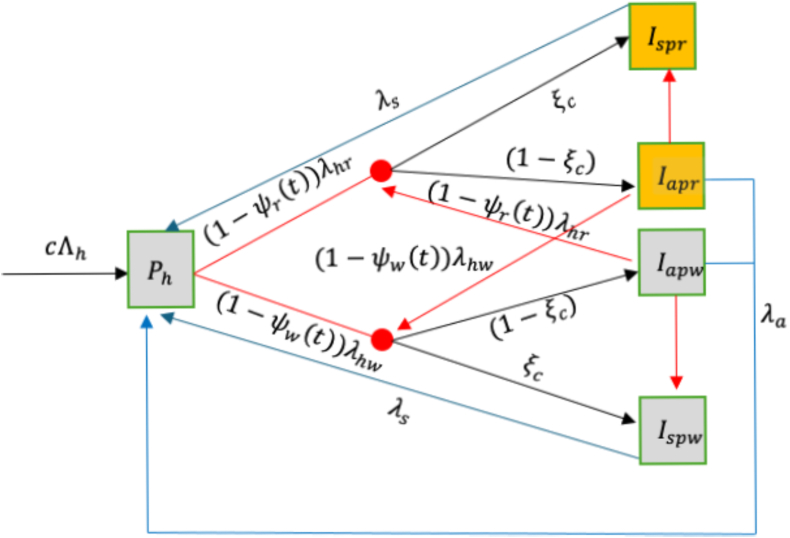 Figure 1
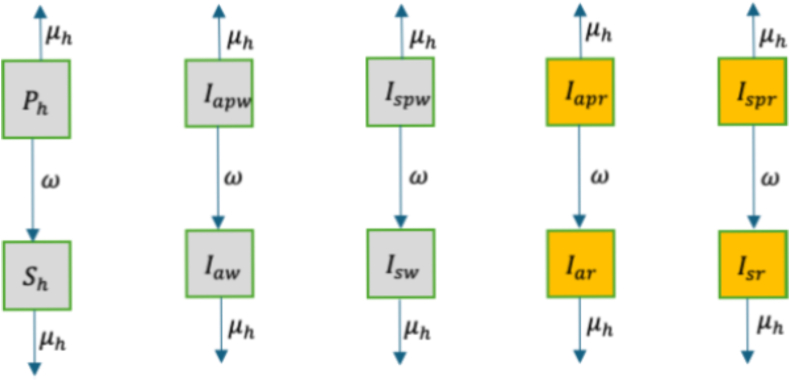 Figure 2
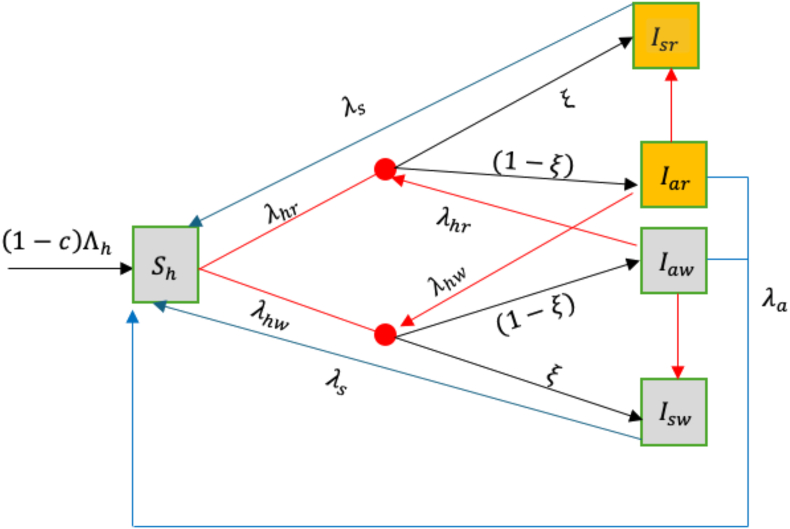 Figure 3
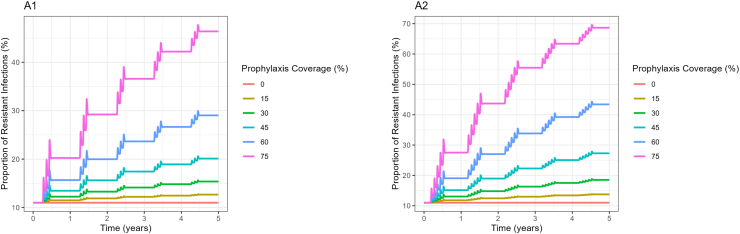 Figure 4
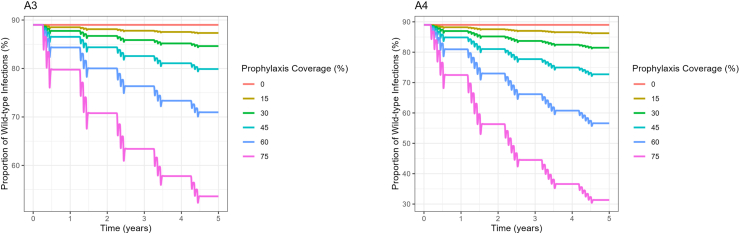 Figure 5
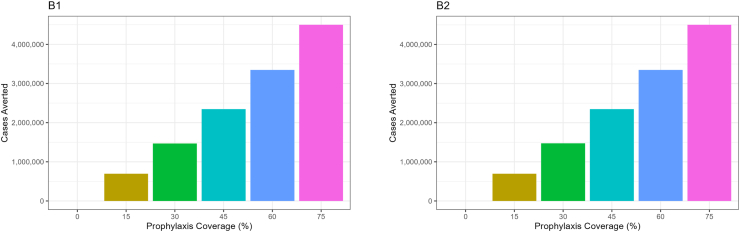 Figure 6
Peer Reviews
No public reviews on file for this paper yet. If you reviewed it on a platform where reviews are public (OpenReview, ICLR, NeurIPS, ICML), you can paste yours below so the community can read it here.
Videos
No videos yet. Explain this paper in a talk, walkthrough, or lecture? Add one.
Taxonomy
TopicsMalaria Research and Control · vaccines and immunoinformatics approaches · Vibrio bacteria research studies