Brain controllability mediates the effects of early life adversity on adolescent behavior and cognition moderated by genetic risks
Huaigui Liu, Yurong Jiang, Huili Sun, Matthew Rosenblatt, Jean Ye, Chunshui Yu, Dustin Scheinost

TL;DR
The study shows how early life adversity affects adolescent brain controllability and behavior, with genetic risks playing a moderating role.
Contribution
The paper introduces brain controllability as a mediator linking early life adversity and mental health outcomes, moderated by genetic risk.
Findings
Early life adversity is associated with increased controllability in key brain networks.
Controllability partially mediates the relationship between adversity and behavioral outcomes.
Genetic risk scores moderate the indirect effects of adversity on cognition and behavior.
Abstract
Early life adversity (ELA) is a robust transdiagnostic risk factor for mental health disorders, yet the neurobiological mechanisms mediating its long-term impact remain poorly understood. Network control theory offers a novel framework for capturing how structural brain networks constrain and support brain dynamics. Controllability increases over development, associates with executive function and mental health, and appears sensitive to environmental insults. Thus, it may reflect a neurobiological mediator between ELA and behavioral outcomes. We tested whether alterations in modal controllability mediate the impact of multidimensional ELA on cognitive and behavioral outcomes in youth, and whether these pathways are shaped by genetic risk for neurodevelopmental conditions. Using data from 7,970 children aged 9–11 years in the Adolescent Brain Cognitive Development (ABCD) Study, we…
Genes, proteins, chemicals, diseases, species, mutations and cell lines named across the full text — each resolved to its canonical identifier and authoritative record.
Click any figure to enlarge with its caption.
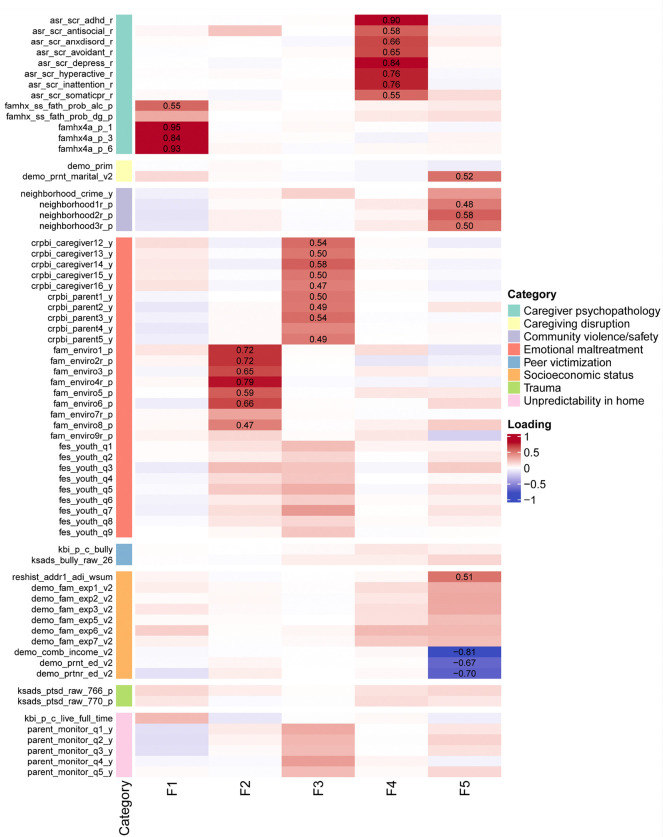 Figure 1
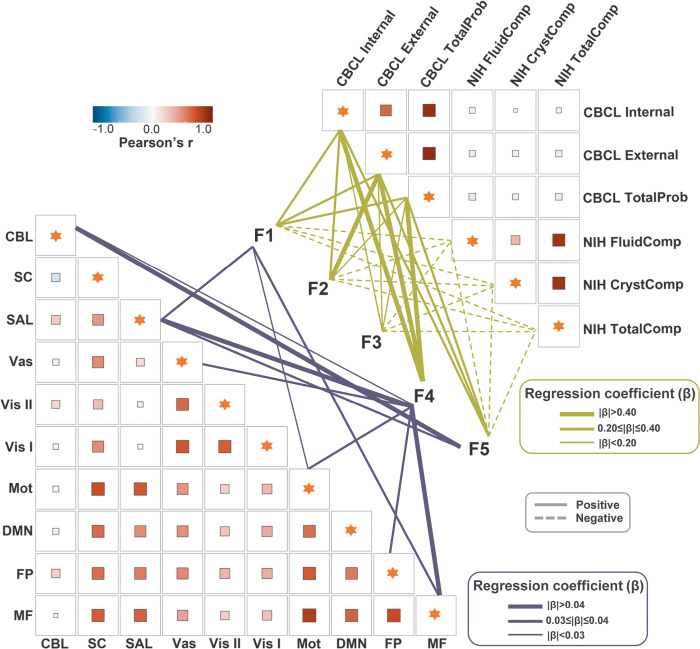 Figure 2
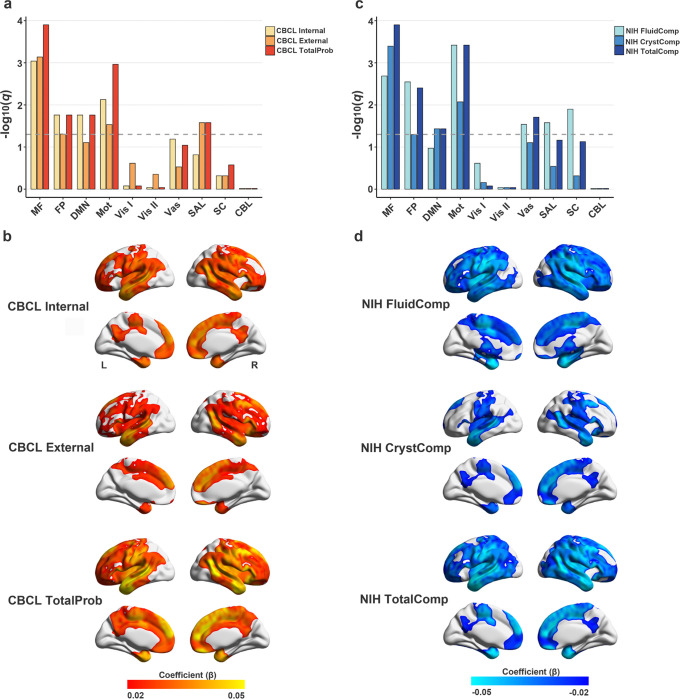 Figure 3
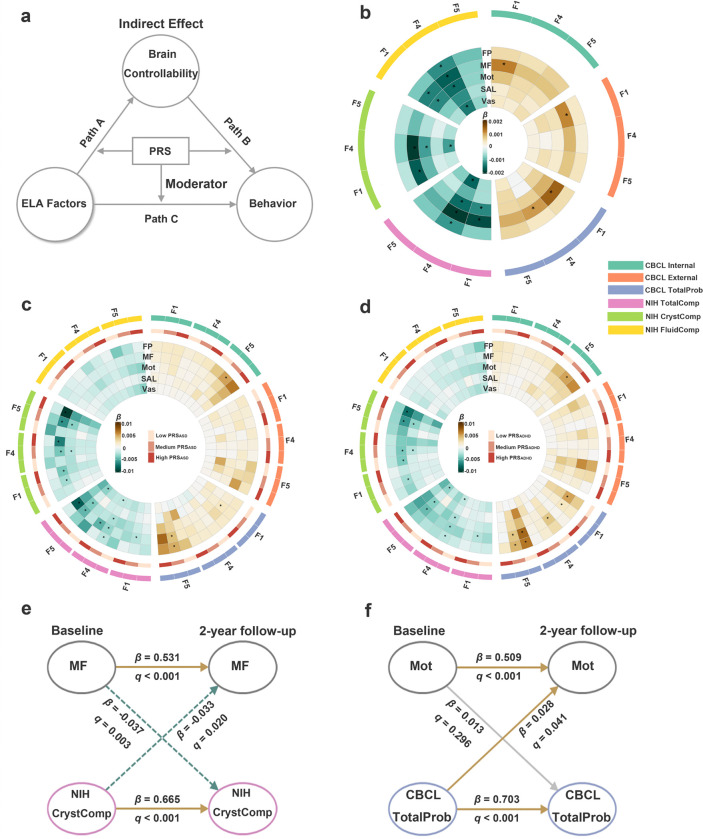 Figure 4
Peer Reviews
No public reviews on file for this paper yet. If you reviewed it on a platform where reviews are public (OpenReview, ICLR, NeurIPS, ICML), you can paste yours below so the community can read it here.
Videos
No videos yet. Explain this paper in a talk, walkthrough, or lecture? Add one.
Taxonomy
TopicsMental Health Research Topics · Attention Deficit Hyperactivity Disorder · Functional Brain Connectivity Studies