Recurrent parasitemias with artemisinin partial resistance mutations during the 2024 Ethiopia malaria resurgence: a case series
Dessalegn Geleta, Bokretsion G. Brhane, Adugna Abera, Mahlet Belachew, Heven Sime, Atsbeha Gebreegziaxher, Melak Getu, Abraham Ali, Neamin Tesfaye, Medhanye Habtetsion, Belayneh Kokobe, Mandefro Kebede, Zemene Worku, Geremew Tasew, Gemechu Tadesse, Getachew Tollera

TL;DR
This study reports on malaria resurgence in Ethiopia linked to artemisinin resistance mutations, highlighting the need for better surveillance to guide treatment policies.
Contribution
The study documents the presence of artemisinin partial resistance mutations in P. falciparum during Ethiopia's 2024 malaria resurgence.
Findings
Three out of 15 patients had parasites with the K13 P441L mutation associated with artemisinin resistance.
Markers of resistance to other antimalarial drugs were largely fixed in the parasite population.
The findings suggest ongoing drug pressure and the need for integrated molecular surveillance.
Abstract
Ethiopia experienced a marked resurgence of malaria in 2024. Artemisinin-based combination therapies (ACTs) are first-line treatment for uncomplicated Plasmodium falciparum malaria and threatened by the emergence of artemisinin partial resistance (ART-R), associated with mutations in the P. falciparum kelch13 (k13) gene, that could undermine treatment efficacy and accelerate transmission. We used the national Public Health Emergency Management (PHEM) surveillance system to characterize malaria resurgence and further investigate antimalarial drug resistance markers among cases of recurrent clinical malaria in three selected resurgence sites in central Ethiopia. Parasite isolates from 15 patients with confirmed clinical recurrent P. falciparum malaria were genotyped for molecular markers associated with drug resistance, including mutations in k13, pfcrt, pfmdr1, pfdhfr, and pfdhps using…
Genes, proteins, chemicals, diseases, species, mutations and cell lines named across the full text — each resolved to its canonical identifier and authoritative record.
Click any figure to enlarge with its caption.
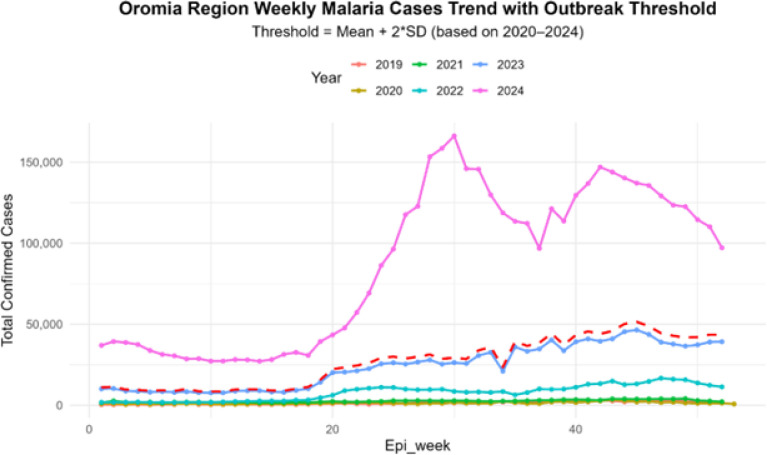 Figure 1
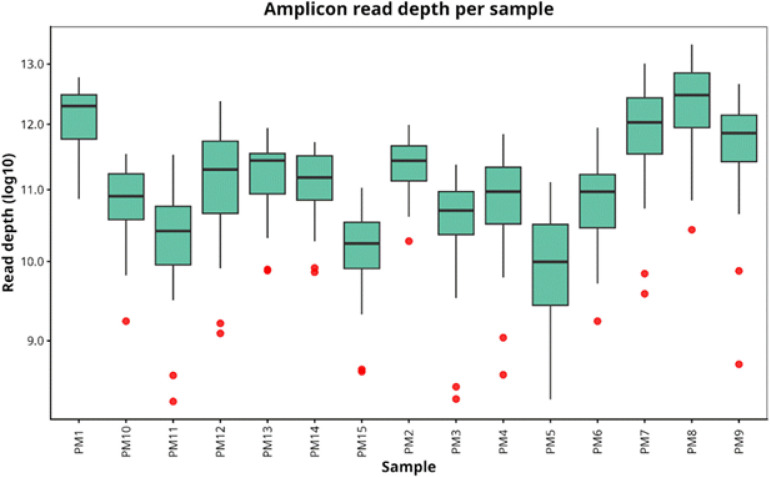 Figure 2
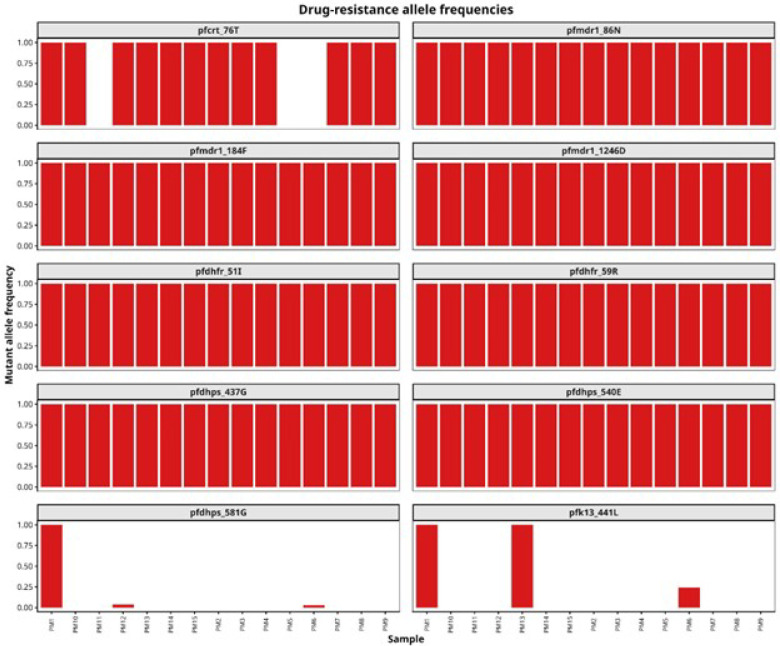 Figure 3
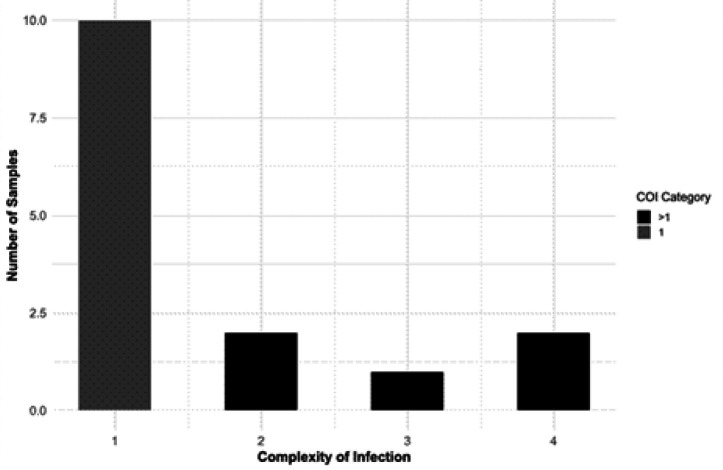 Figure 4
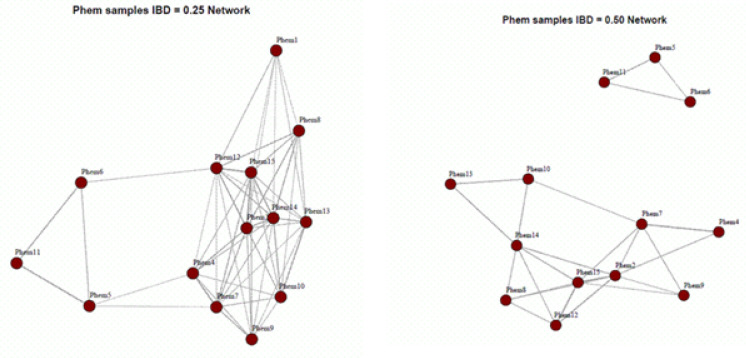 Figure 5
Peer Reviews
No public reviews on file for this paper yet. If you reviewed it on a platform where reviews are public (OpenReview, ICLR, NeurIPS, ICML), you can paste yours below so the community can read it here.
Videos
No videos yet. Explain this paper in a talk, walkthrough, or lecture? Add one.
Taxonomy
TopicsMalaria Research and Control · Pharmaceutical Quality and Counterfeiting · Historical Medical Research and Treatments