Cost-effectiveness of switching to S-1 after fluoropyrimidine-induced hand-foot syndrome or cardiovascular toxicity in the treatment of metastatic colorectal cancer
R. van Eekelen, C.J.A. Punt, J.J.M. Kwakman, V.M.H. Coupé

TL;DR
Switching to S-1 after hand-foot syndrome or cardiovascular toxicity in colorectal cancer treatment can be cost-effective.
Contribution
This study evaluates the cost-effectiveness of switching to S-1 in metastatic colorectal cancer patients experiencing toxicity.
Findings
Switching to S-1-based treatment after toxicity is cost-effective under certain scenarios.
The incremental cost-effectiveness ratios for S-1 strategies were below or near the Dutch cost-effectiveness threshold.
S-1 allows treatment continuation with lower toxicity compared to fluoropyrimidines.
Abstract
The fluoropyrimidines 5-fluorouracil (5FU) and capecitabine are the backbone of systemic therapy for metastatic colorectal cancer (mCRC). Side effects include hand-foot syndrome (HFS) and cardiovascular toxicity (CVT), which may necessitate dose reductions or discontinuation of treatment. S-1 (Teysuno®) is an oral fluoropyrimidine that is licensed for use after fluoropyrimidine-induced HFS or CVT as it showed a lower incidence of those toxicities. It can be used as monotherapy or in combination with oxaliplatin or irinotecan. In this study, we assessed the cost-effectiveness of switching from 5FU or capecitabine-based treatment to S-1-based treatment after a patient with mCRC experiences HFS or CVT. We developed a cohort-level decision analytic model to compare the costs and quality-adjusted life years (QALYs) when hypothetical patients would follow several different treatment…
Genes, proteins, chemicals, diseases, species, mutations and cell lines named across the full text — each resolved to its canonical identifier and authoritative record.
Click any figure to enlarge with its caption.
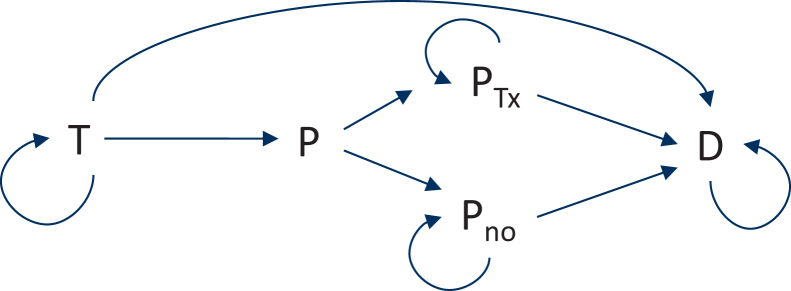 Figure 1
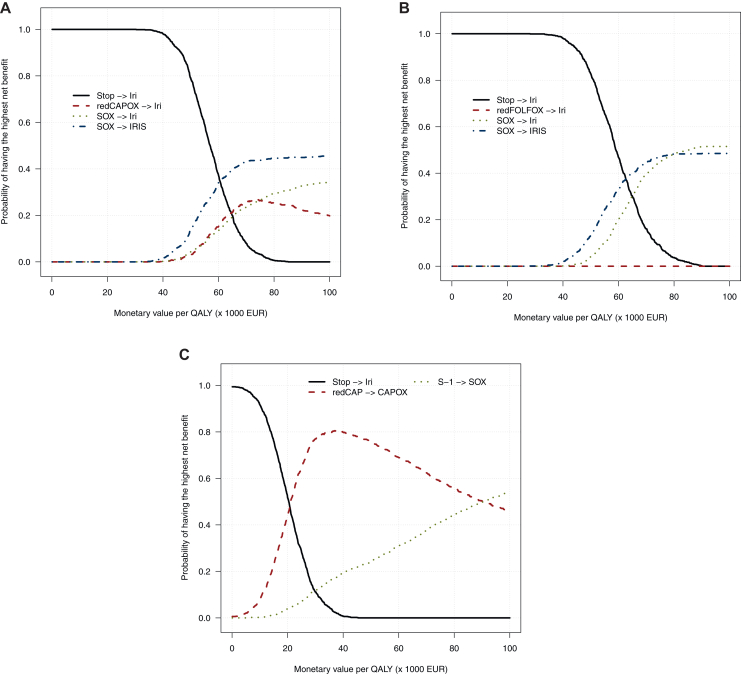 Figure 2
Peer Reviews
No public reviews on file for this paper yet. If you reviewed it on a platform where reviews are public (OpenReview, ICLR, NeurIPS, ICML), you can paste yours below so the community can read it here.
Videos
No videos yet. Explain this paper in a talk, walkthrough, or lecture? Add one.
Taxonomy
TopicsColorectal Cancer Treatments and Studies · Chemotherapy-related skin toxicity · Chemotherapy-induced cardiotoxicity and mitigation