Liposomal versus standard bupivacaine for post-operative opioid requirements following abdominal-based breast reconstruction: A systematic review and meta-analysis
Guilherme Franceschini Machado, Jonathan Mokhtar, Victoria Trasatti Romão, Alexandre G. Lellouch

TL;DR
This study compares liposomal and standard bupivacaine for pain management after breast reconstruction, finding no significant difference in opioid use or recovery time.
Contribution
A systematic review and meta-analysis evaluating the clinical benefits of liposomal bupivacaine in post-operative care for breast reconstruction.
Findings
Liposomal bupivacaine showed a trend toward reduced opioid use and shorter hospital stays, but results were not statistically significant.
Pooled data indicated inpatient opioid use of 132.61 OME and an average hospital stay of 3.39 days with liposomal bupivacaine.
Complication rates like seroma and flap loss were reported at 8% and 1.08%, respectively.
Abstract
Donor-site pain after abdominal-based autologous breast reconstruction affects opioid use and recovery. Liposomal bupivacaine (LB) delivered via the transversus abdominis plane (TAP) block may enhance analgesia compared with standard bupivacaine (SB), yet its added clinical benefit remains unclear. A systematic review and meta-analysis was conducted according to PRISMA 2020 and Cochrane guidelines. Databases searched included PubMed, Embase, and Cochrane Library. Studies comparing LB with SB for the TAP block were included. Outcomes included postoperative opioid consumption, pain scores, hospital length of stay (LOS), time to ambulation, and complications. Both pairwise and single-arm meta-analyses were performed using a random-effects model. A total of twelve studies were included in the analysis, comprising 1,690 participants. Pairwise meta-analyses indicated a trend favoring the…
Genes, proteins, chemicals, diseases, species, mutations and cell lines named across the full text — each resolved to its canonical identifier and authoritative record.
Click any figure to enlarge with its caption.
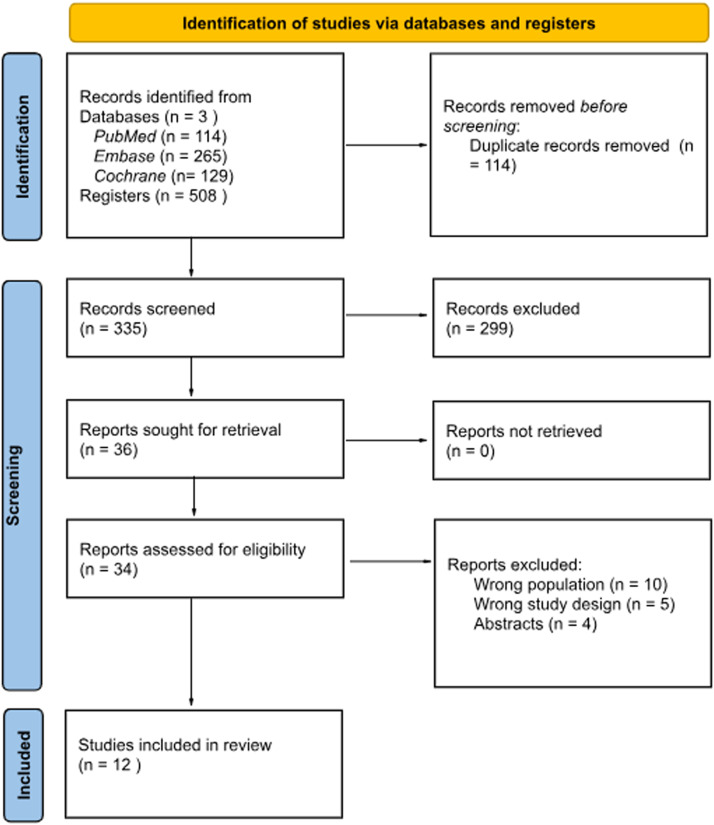 Figure 1
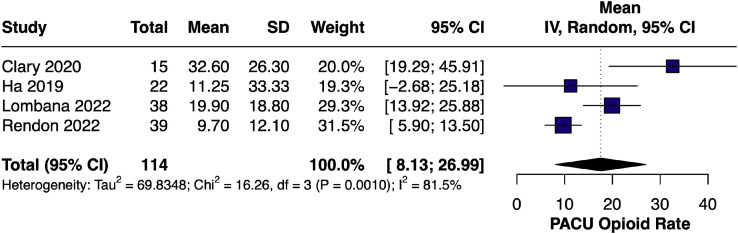 Figure 2
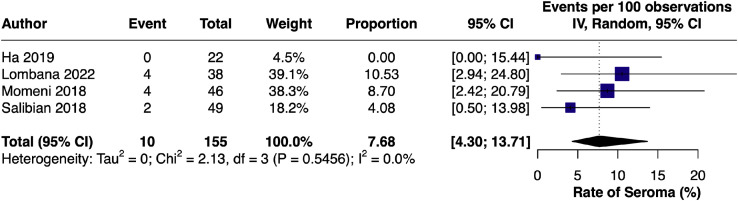 Figure 3
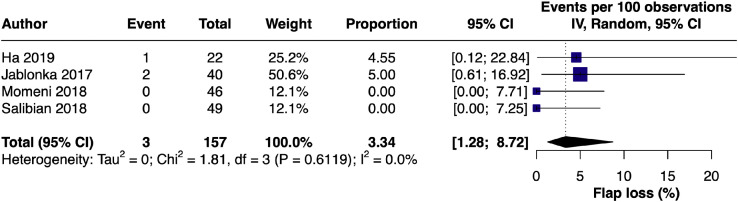 Figure 4
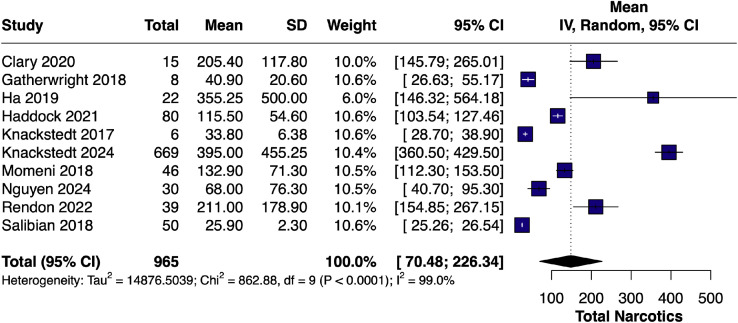 Figure 5
 Figure 6
 Figure 7
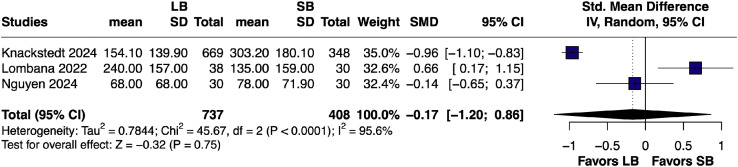 Figure 8
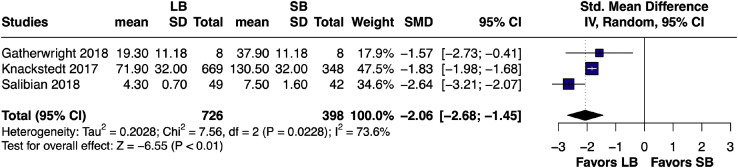 Figure 9
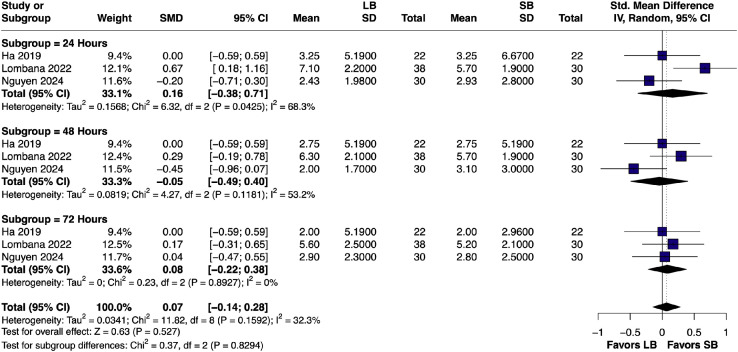 Figure 10
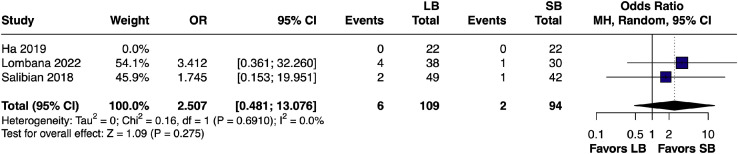 Figure 11
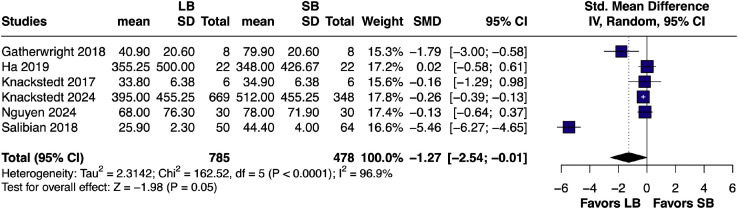 Figure 12
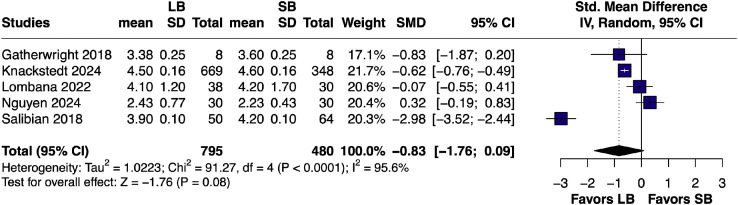 Figure 13
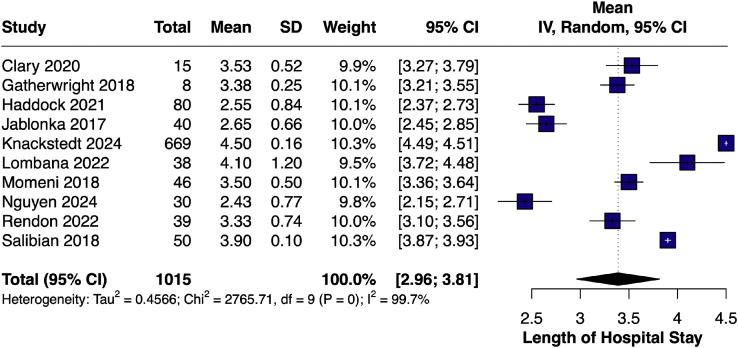 Figure 14
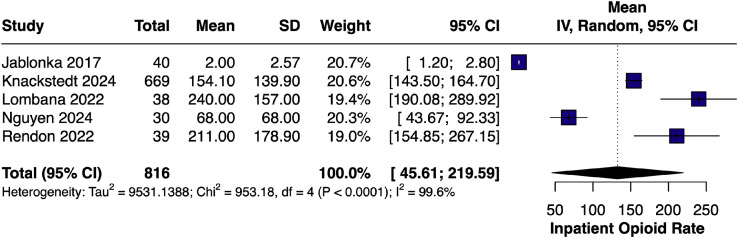 Figure 15
Peer Reviews
No public reviews on file for this paper yet. If you reviewed it on a platform where reviews are public (OpenReview, ICLR, NeurIPS, ICML), you can paste yours below so the community can read it here.
Videos
No videos yet. Explain this paper in a talk, walkthrough, or lecture? Add one.
Taxonomy
TopicsAnesthesia and Pain Management · Cancer, Stress, Anesthesia, and Immune Response · Enhanced Recovery After Surgery