Role of spinal sensorimotor circuits in triphasic muscle command: a simulation approach using goal exploration process
Daniel Cattaert, Matthieu Guemann, Florent Paclet, Luca Lemarchand, Bryce Chung, Pierre-Yves Oudeyer, Aymar de Rugy

TL;DR
This study uses simulations to show that spinal circuits alone can generate triphasic muscle commands during elbow movements, without needing brain input.
Contribution
Demonstrates for the first time that spinal sensorimotor circuits can autonomously produce triphasic muscle commands.
Findings
Spinal circuits can generate triphasic commands without brain involvement.
SET and GO step commands enabled a wide range of functional behaviors.
Triphasic commands were consistently produced across different movement parameters.
Abstract
During rapid voluntary elbow movement on horizontal plane, a stereotyped triphasic pattern is typically observed in the electromyograms (EMGs) of antagonistic muscles acting at this joint. To explain the origin of such triphasic commands, two types of theories have been proposed. Peripheral theories consider that triphasic commands result from sensorimotor spinal networks, either through a combination of reflexes or through a spinal central pattern generator. Central theories consider that the triphasic command is elaborated in the brain. Although both theories were partially supported by physiological data, there is still no consensus about how exactly triphasic commands are elaborated. Moreover, capacities of simple spinal sensorimotor circuits to elaborate triphasic commands on their own have not been tested yet. In order to test this, we modelled arm musculoskeletal system operating…
Click any figure to enlarge with its caption.
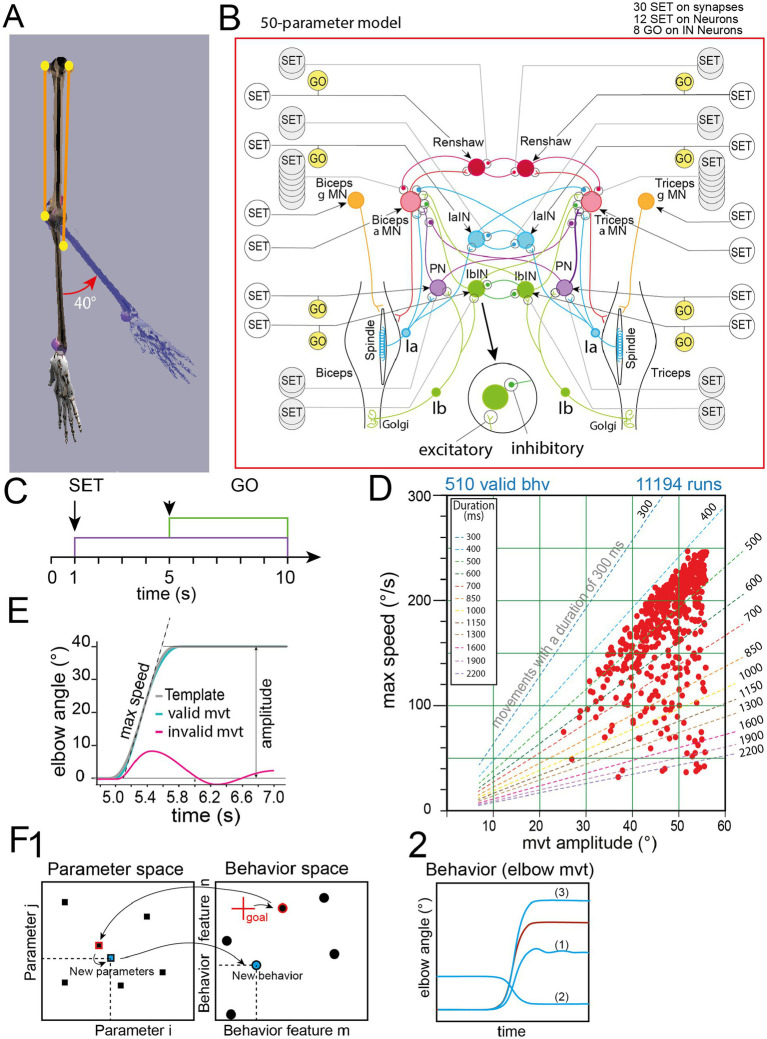 Figure 1
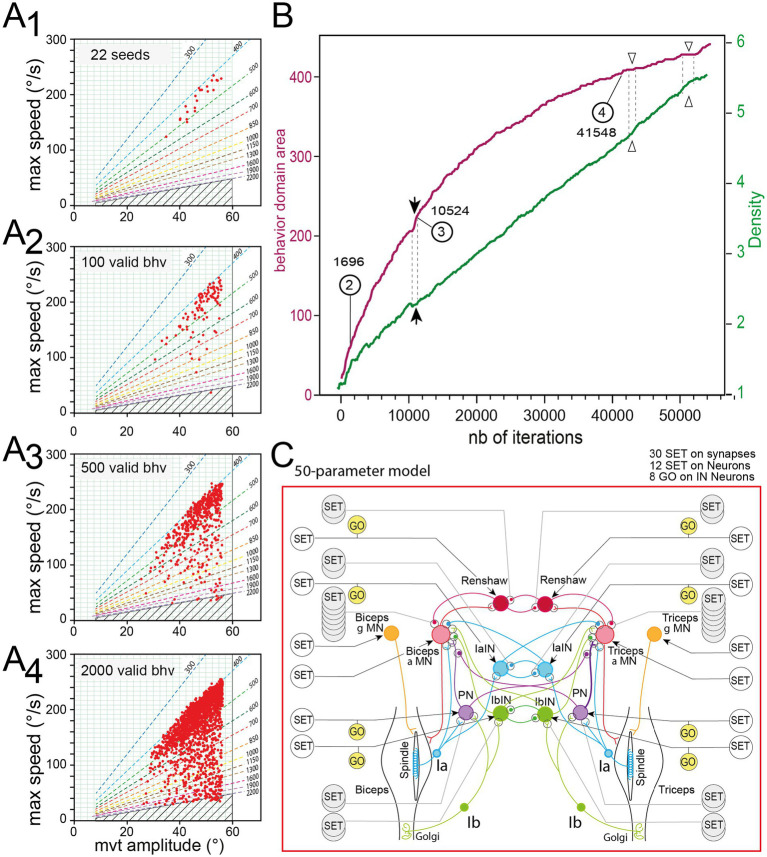 Figure 2
 Figure 3
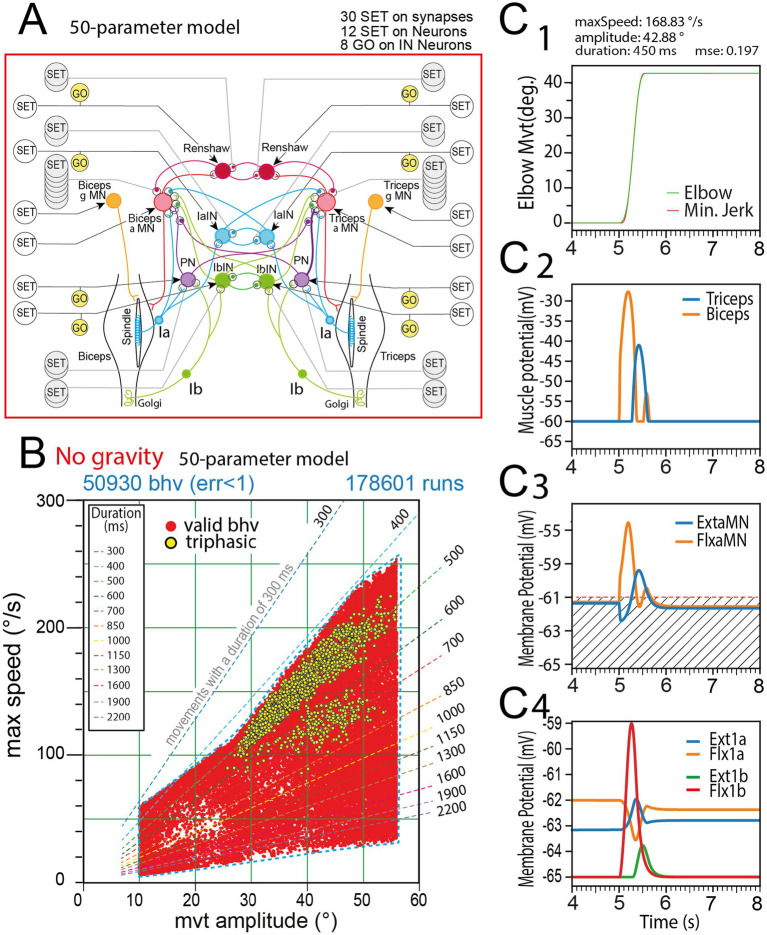 Figure 4
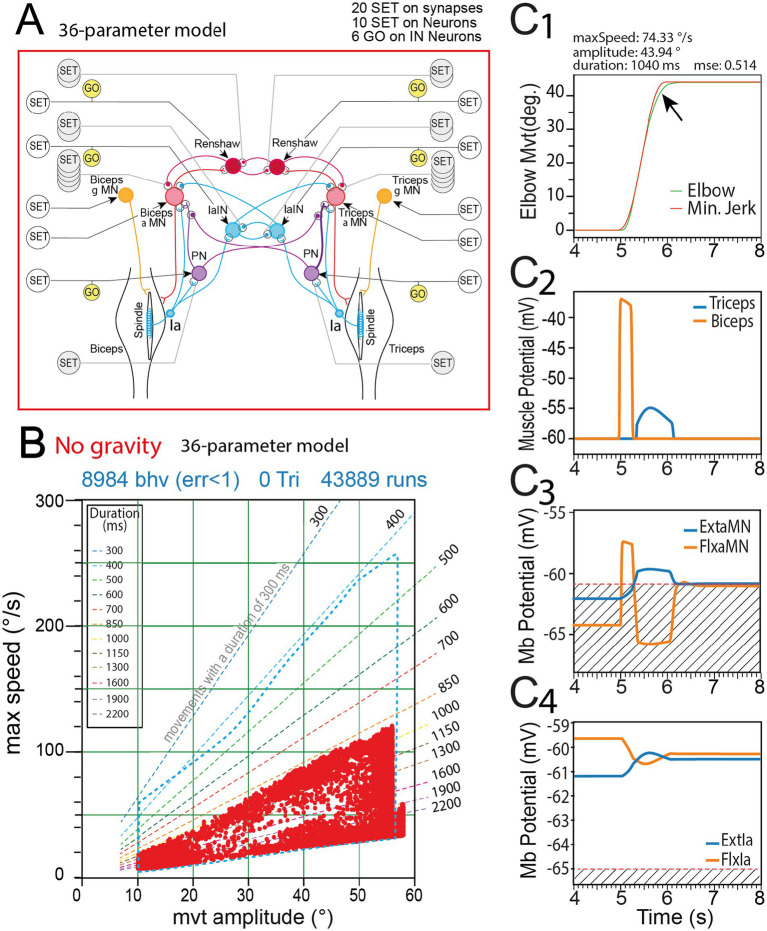 Figure 5
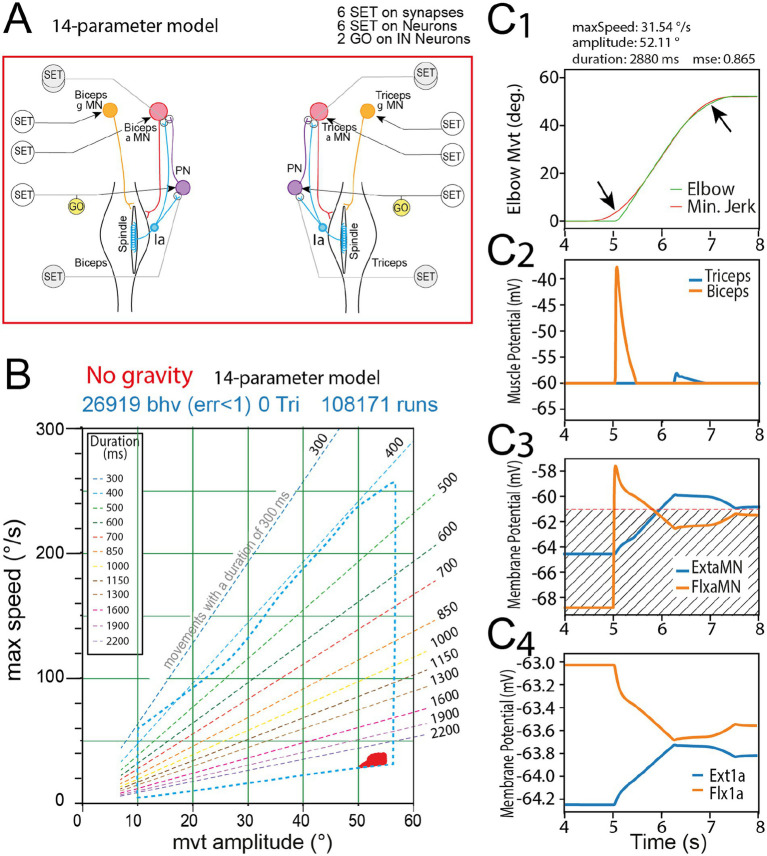 Figure 6
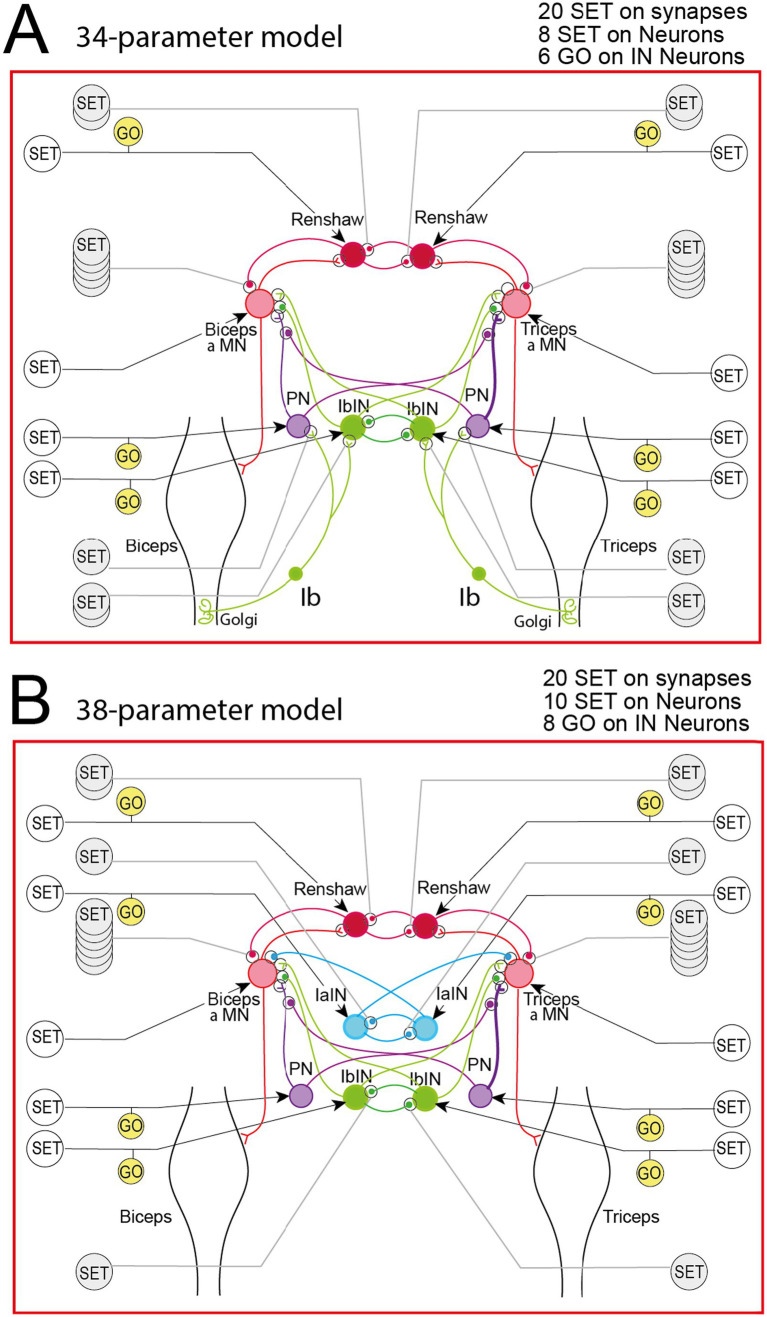 Figure 7
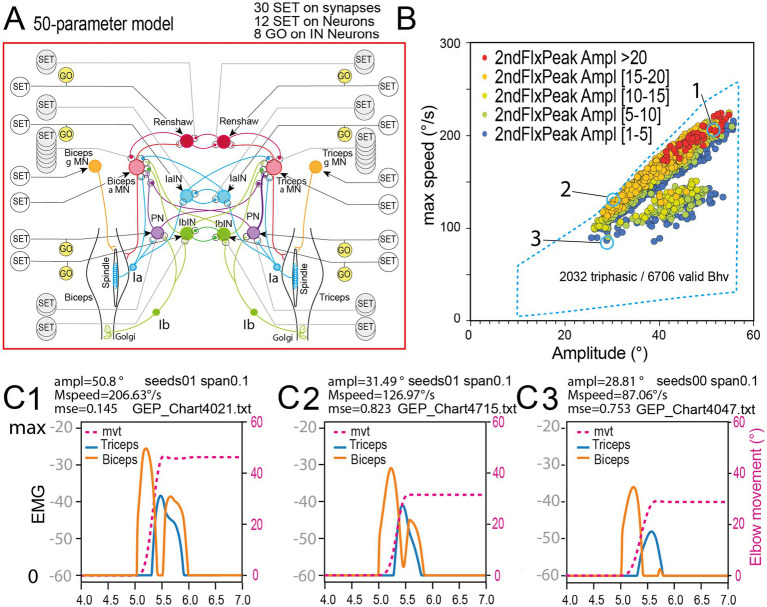 Figure 8
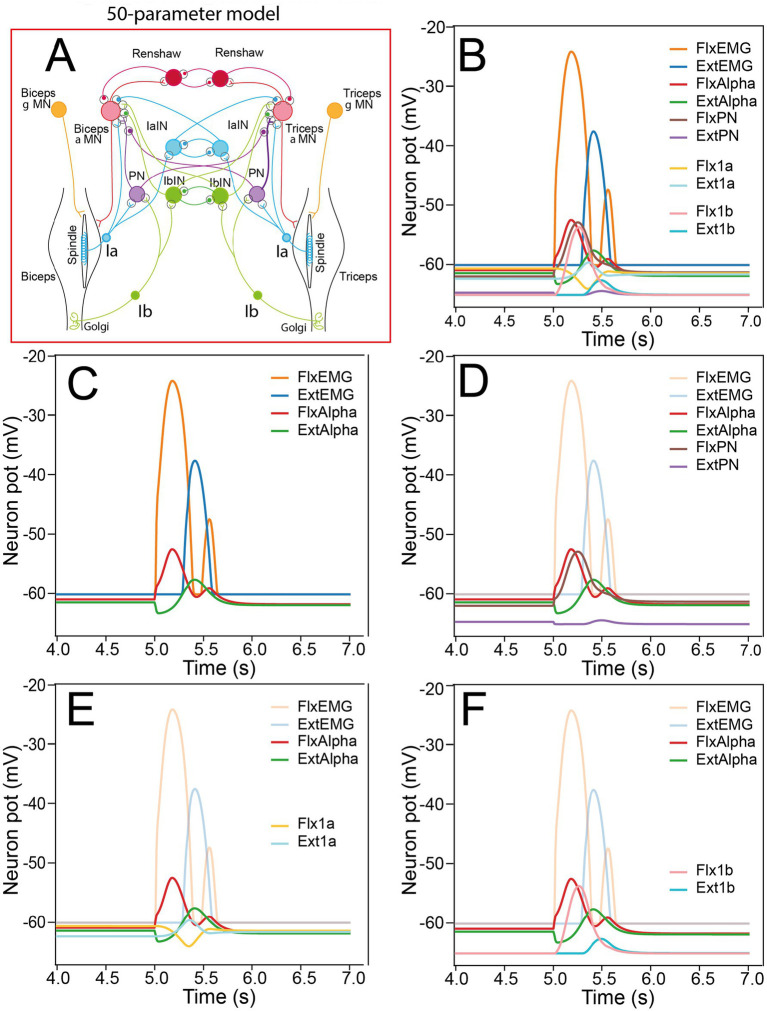 Figure 9
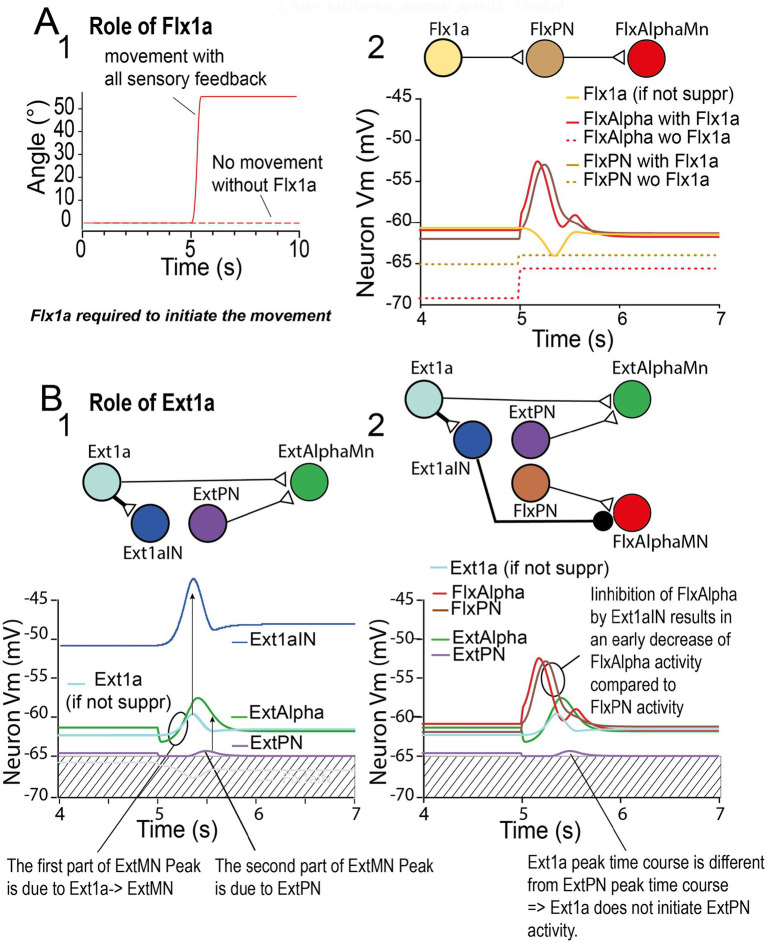 Figure 10
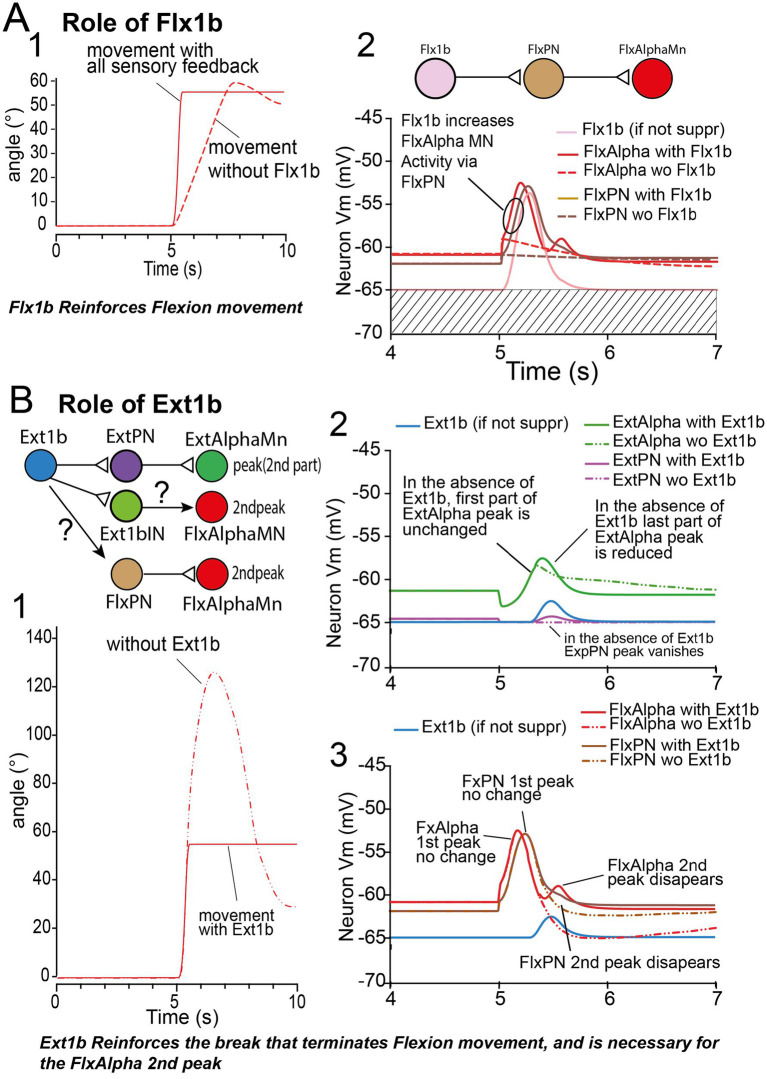 Figure 11
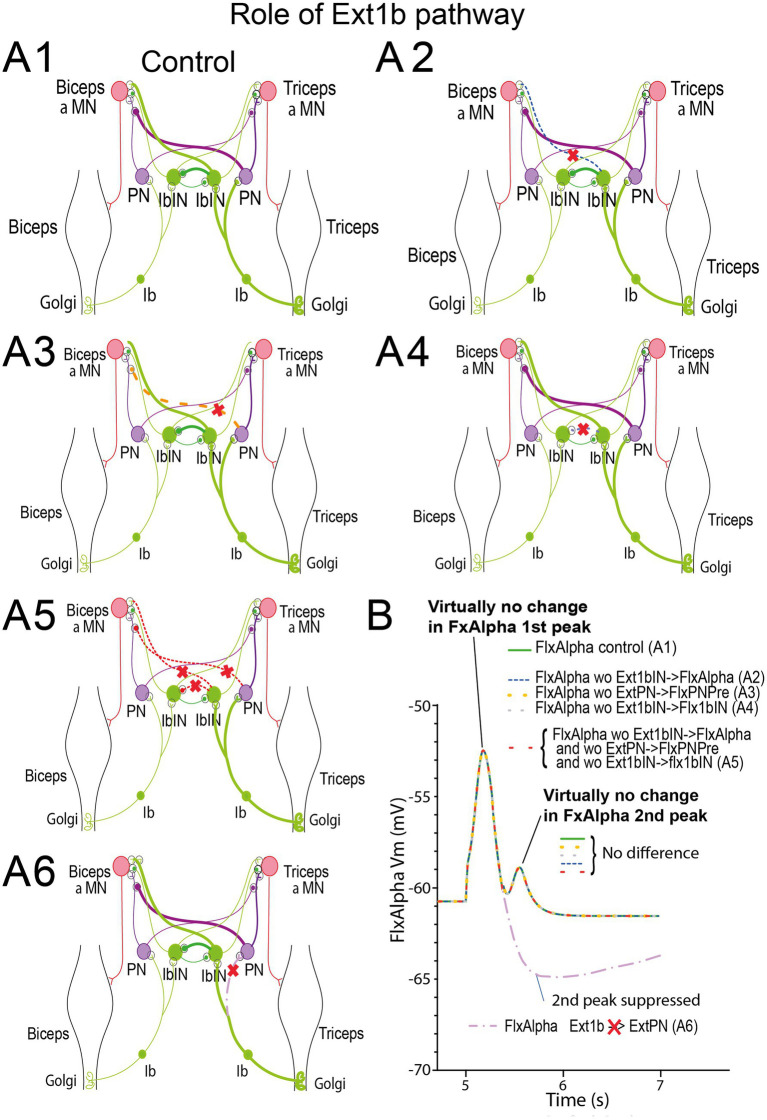 Figure 12
 Figure 13
 Figure 14
Peer Reviews
No public reviews on file for this paper yet. If you reviewed it on a platform where reviews are public (OpenReview, ICLR, NeurIPS, ICML), you can paste yours below so the community can read it here.
Videos
No videos yet. Explain this paper in a talk, walkthrough, or lecture? Add one.
Taxonomy
TopicsMotor Control and Adaptation · Action Observation and Synchronization · Muscle activation and electromyography studies