Early hypoxia-induced secretome remodeling reveals adaptive mechanisms and biomarkers of blood-brain barrier dysfunction in ischemic stroke
Qian Wu, Yao Jiang, Lingling Peng, Yingqiang Dang, Chongge You, Xiaoxin Li

TL;DR
This study identifies early molecular changes in brain blood vessels during stroke and proposes potential biomarkers for early diagnosis and predicting outcomes.
Contribution
The study reveals hypoxia-induced secretome remodeling in brain endothelial cells and identifies novel biomarkers for ischemic stroke.
Findings
Early hypoxia in brain endothelial cells triggers adaptive responses involving metabolic and antioxidant pathways.
Ten candidate biomarkers were identified, with TFRC and DLD showing diagnostic and prognostic relevance in stroke patients.
TFRC levels correlate with poor outcomes, suggesting its role in early cellular adaptation during ischemia.
Abstract
Reversible disruption of the blood-brain barrier (BBB) occurs within hours after the onset of ischemic stroke (IS), offering a critical window for therapeutic intervention. However, the molecular characteristics and their potential as circulating biomarkers associated with this transient phase of BBB dysfunction remain poorly defined. To elucidate these mechanisms, we employed an oxygen-glucose deprivation (OGD) model in human cerebral microvascular endothelial cells (hCMEC/D3) to simulate early ischemic stress, and systematically profiled their secreted proteome and metabolome. By comparing with non-brain-derived human umbilical vein endothelial cells (HUVECs), we identified brain endothelium-specific hypoxic response signatures. These molecules were significantly enriched in pathways related to metabolic reprogramming, antioxidant defense, and epigenetic regulation pathways,…
Genes, proteins, chemicals, diseases, species, mutations and cell lines named across the full text — each resolved to its canonical identifier and authoritative record.
Click any figure to enlarge with its caption.
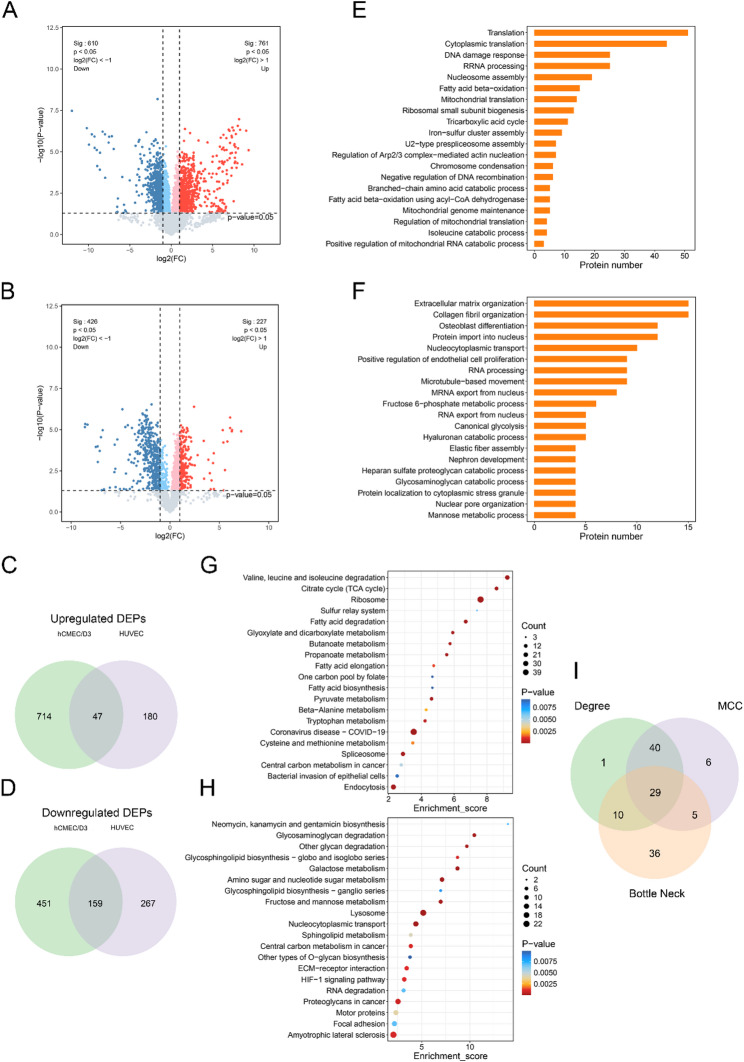 Figure 1
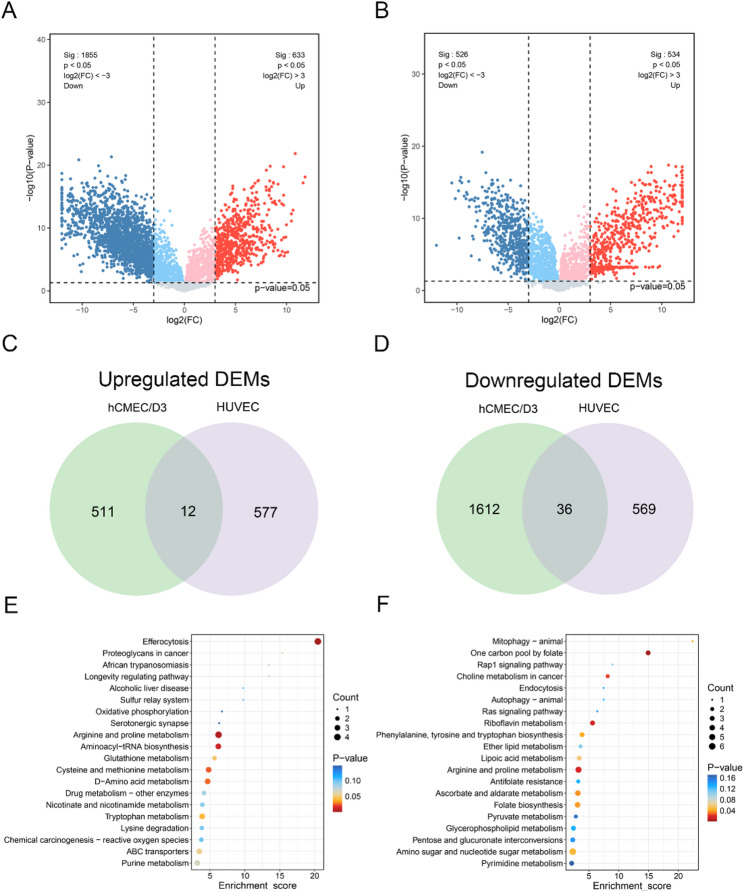 Figure 2
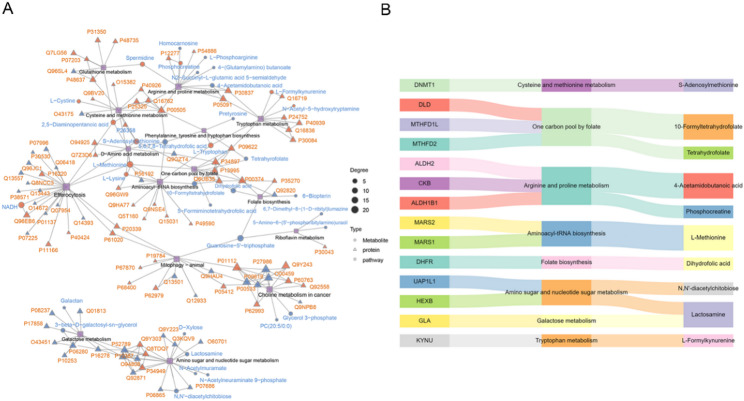 Figure 3
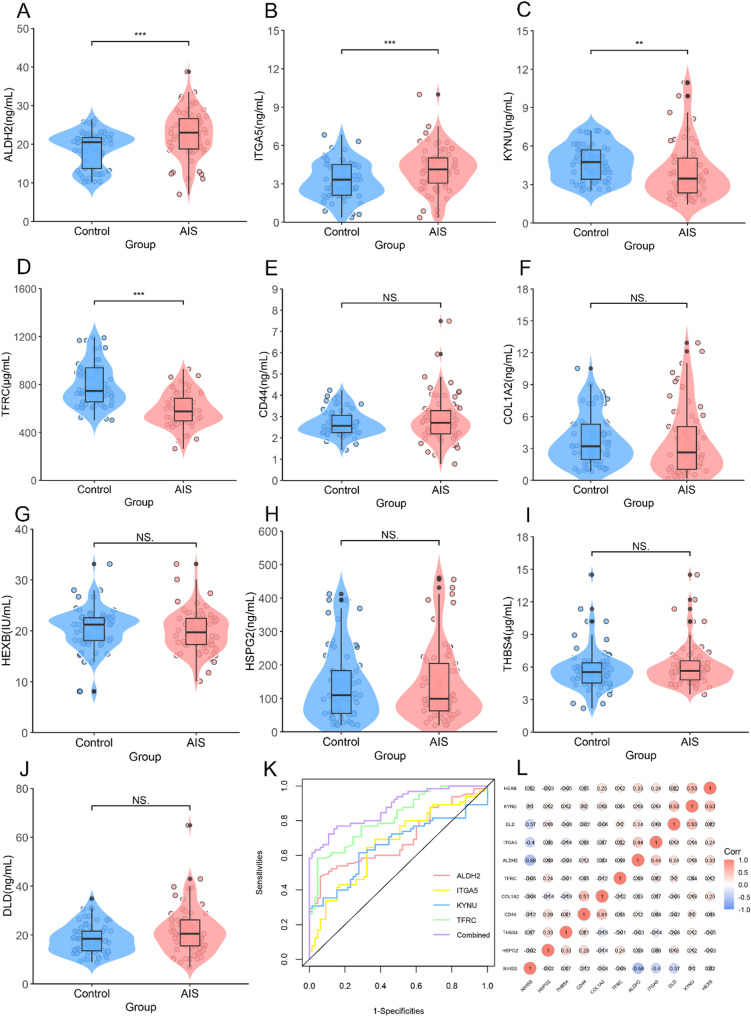 Figure 4
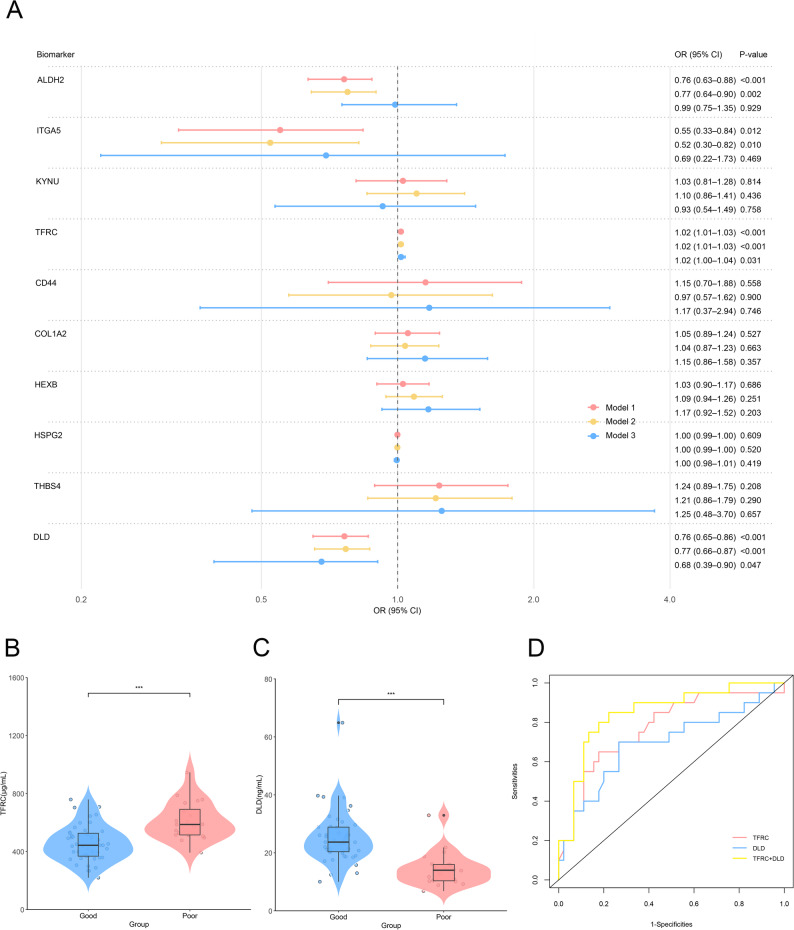 Figure 5
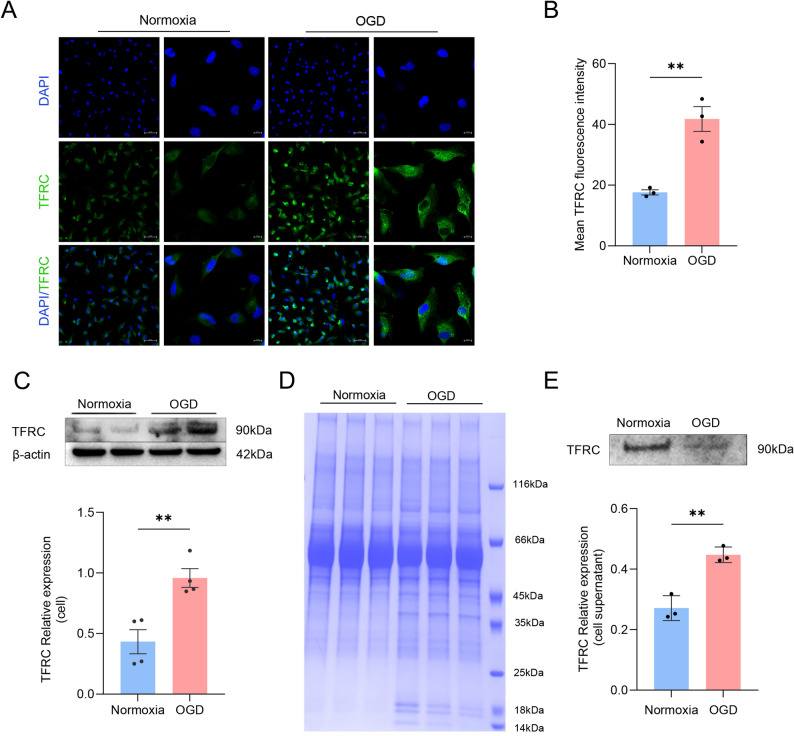 Figure 6
Peer Reviews
No public reviews on file for this paper yet. If you reviewed it on a platform where reviews are public (OpenReview, ICLR, NeurIPS, ICML), you can paste yours below so the community can read it here.
Videos
No videos yet. Explain this paper in a talk, walkthrough, or lecture? Add one.
Taxonomy
TopicsBarrier Structure and Function Studies · Neurological Disease Mechanisms and Treatments · Intracerebral and Subarachnoid Hemorrhage Research