Development and validation of a succinylation-related prognostic model for esophageal squamous cell carcinoma based on multi-omics bioinformatics analysis
Beibei Hua, Weiwei Wang, Huijie Huang, Xuezhi Chang, Tao Ye

TL;DR
This study develops a seven-gene model based on succinylation to predict survival in esophageal squamous cell carcinoma patients and identifies immune and drug resistance patterns.
Contribution
A novel seven-gene succinylation-related prognostic signature for ESCC was developed and validated as an independent biomarker.
Findings
A seven-gene succinylation-related signature was associated with significantly different overall survival in ESCC patients.
High-risk tumors showed an immunosuppressive tumor microenvironment with reduced NK cell infiltration and increased monocyte abundance.
Signature genes were linked to resistance to multiple anticancer agents and were predominantly expressed in malignant and immune cells.
Abstract
Esophageal squamous cell carcinoma (ESCC), an aggressive malignancy with poor prognosis, requires reliable prognostic biomarkers. Protein succinylation, a critical post-translational modification implicated in cancer biology, has not yet been systematically investigated for its prognostic significance in ESCC. Transcriptomic data from GSE53624 (n = 119) and The Cancer Genome Atlas (TCGA)-ESCC (n = 95) cohorts were analyzed in this study. Succinylation-related genes (SRGs) were identified via weighted gene co-expression network analysis (WGCNA), a curated SRG set, and differential expression analysis. A prognostic signature was constructed using LASSO Cox regression and validated internally and externally. Immune infiltration was assessed by CIBERSORT/ssGSEA. miRNA-mRNA and protein-protein interactions (PPIs) and drug sensitivity were evaluated. Gene localization was confirmed with…
Genes, proteins, chemicals, diseases, species, mutations and cell lines named across the full text — each resolved to its canonical identifier and authoritative record.
Click any figure to enlarge with its caption.
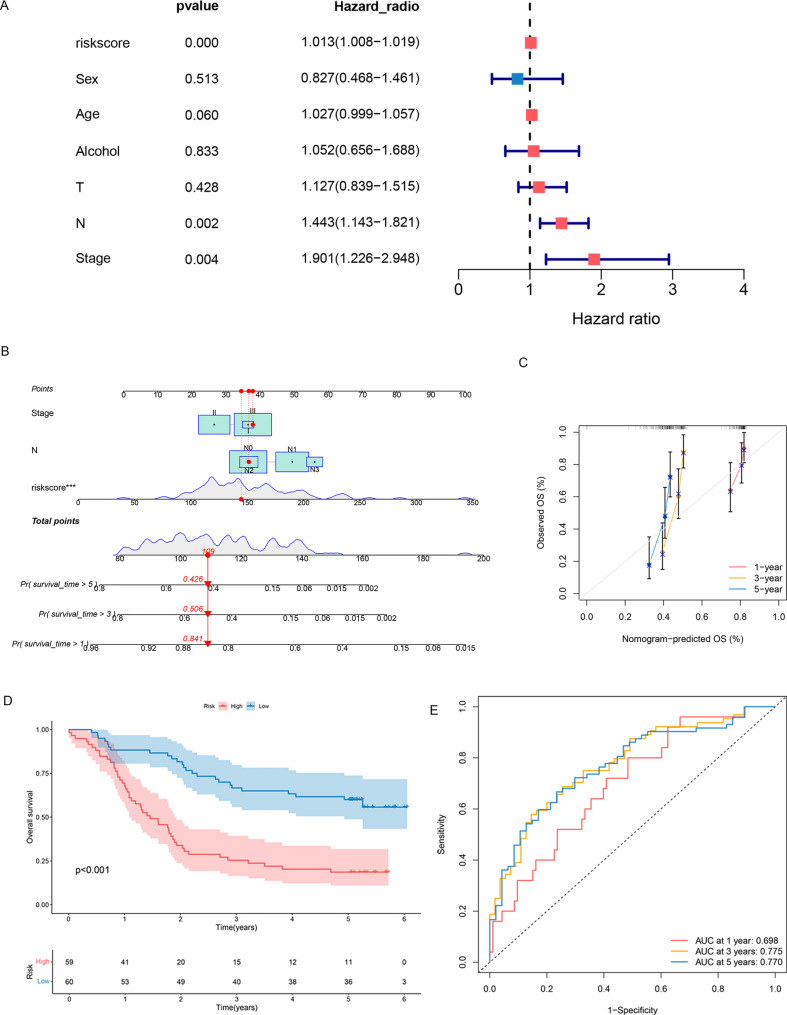 Figure 1
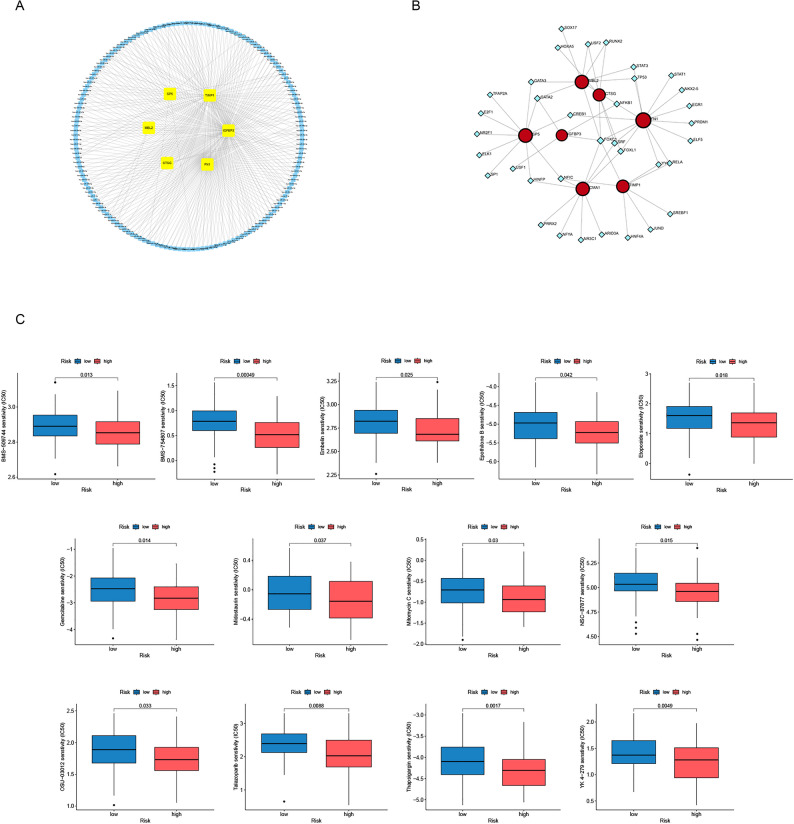 Figure 2
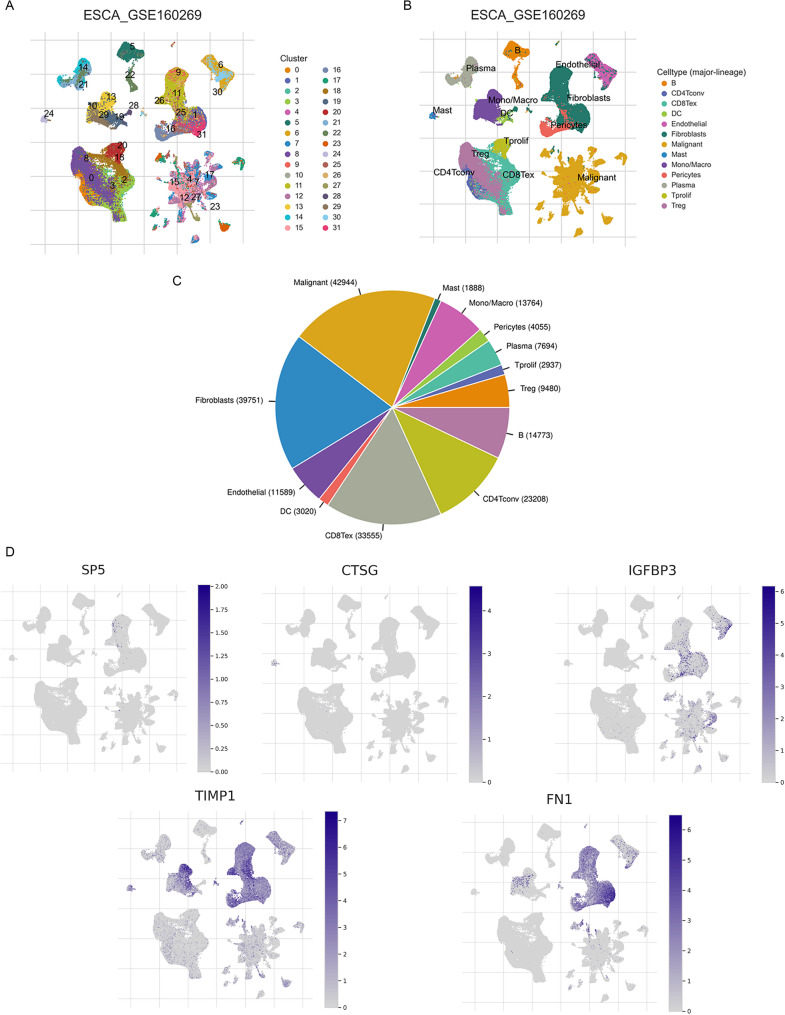 Figure 3
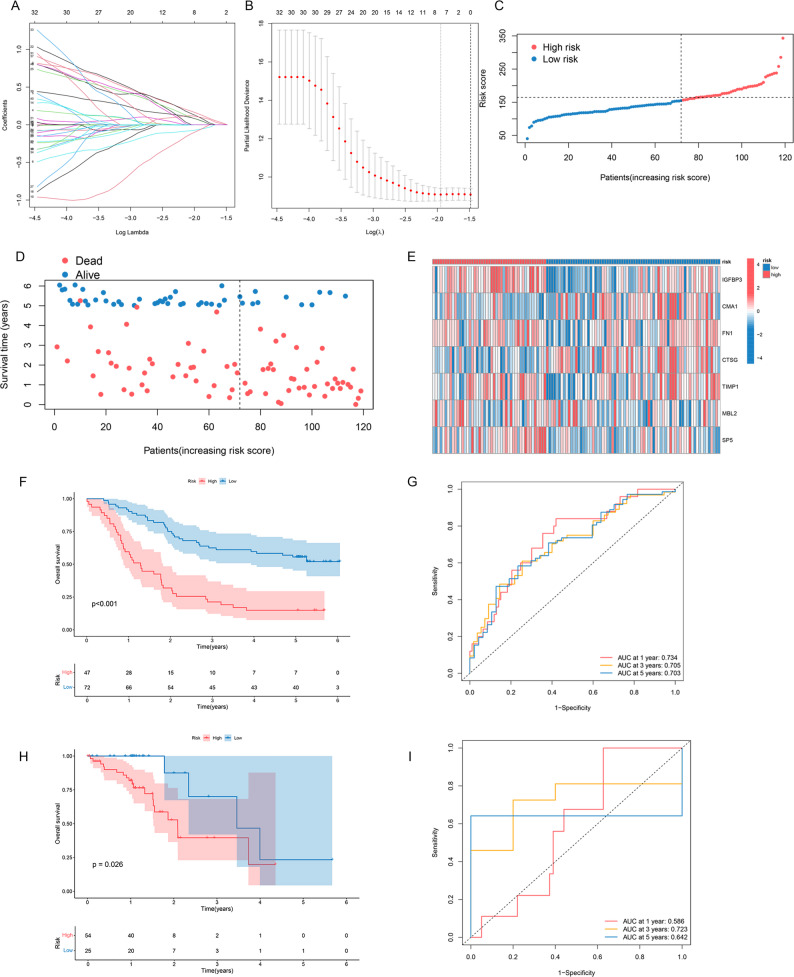 Figure 4
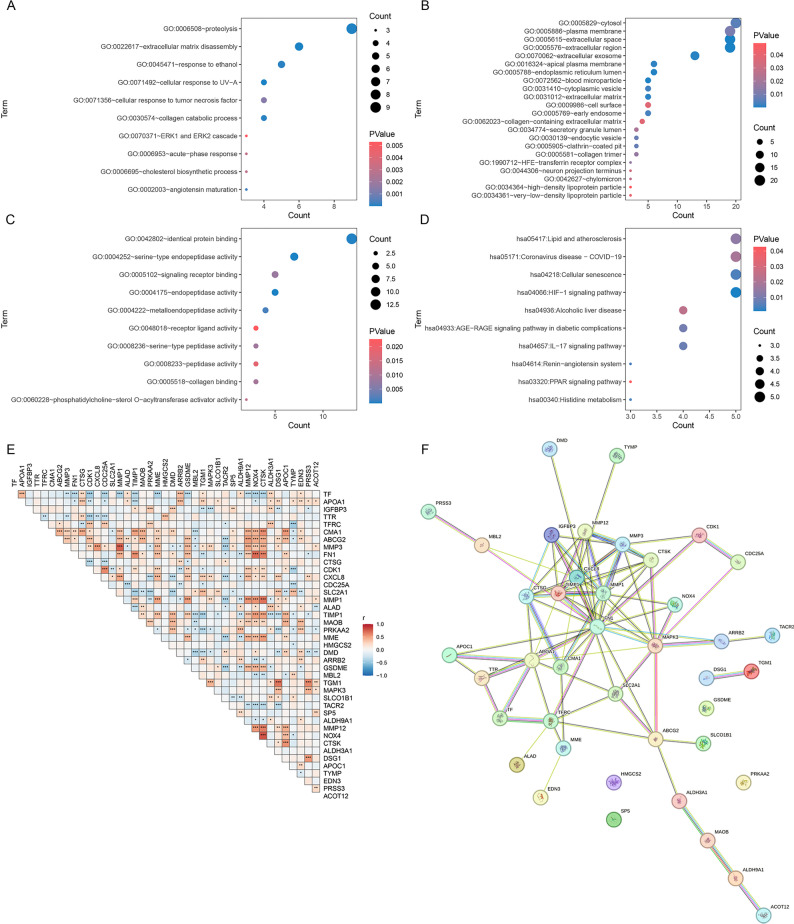 Figure 5
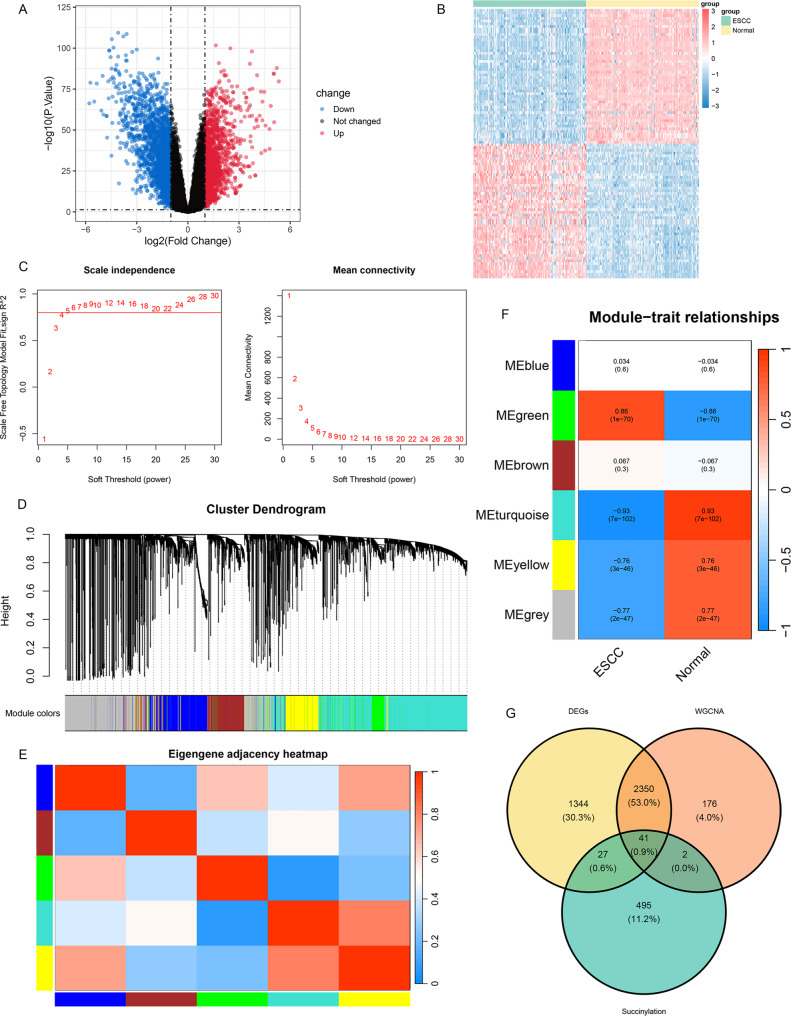 Figure 6
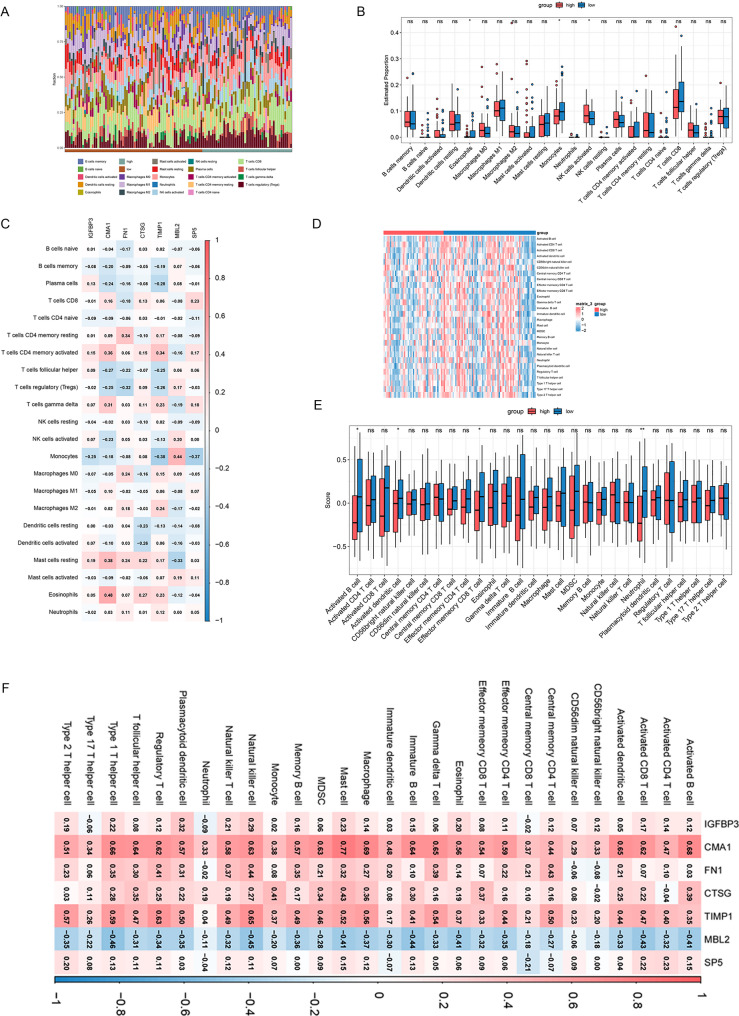 Figure 7
Peer Reviews
No public reviews on file for this paper yet. If you reviewed it on a platform where reviews are public (OpenReview, ICLR, NeurIPS, ICML), you can paste yours below so the community can read it here.
Videos
No videos yet. Explain this paper in a talk, walkthrough, or lecture? Add one.
Taxonomy
TopicsFerroptosis and cancer prognosis · Immune cells in cancer · Protein Tyrosine Phosphatases