Molecular phylogeny and morphometric divergence of native Korean wild mice (Mus musculus)
Daewoo Kim, Jooseong Oh, Jang Geun Oh, Hee-Young Yang, Geun-Joong Kim, Tae-Hoon Lee, Bae-Keun Lee, Chungoo Park, Dong-Ha Nam

TL;DR
This study clarifies the taxonomic status of Korean house mice by combining genetic and morphological data, showing they belong to a single subspecies within Mus musculus.
Contribution
The study resolves taxonomic ambiguities by integrating genetic and morphometric analyses to confirm the subspecific status of Korean house mice.
Findings
Korean house mice belong to the Eurasian M. m. musculus lineage based on mitochondrial DNA analysis.
Morphological traits of Korean mice suggest intraspecific variation rather than distinct subspecies.
Craniometric features distinguish Korean mice from M. m. domesticus-derived laboratory strains.
Abstract
The taxonomic status of house mice (Mus musculus) on the Korean Peninsula has long been debated due to conflicting morphological classifications and limited genetic evidence. Historically, three subspecies (M. m. molossinus, M. m. utsuryonis, and M. m. yamashinai) have been proposed based on external traits, although the validity of these proposals remains uncertain. Thus, this study aimed to integrate genetic and morphological analyses to clarify the phylogenetic relationships of Korean mice relative to the well-known primary M. musculus subspecies and evaluate the taxonomic distinctiveness. Genetic analysis of mitochondrial DNA (cytb gene) from mice across Korea, including islands, mountains, and agricultural fields, confirmed that these mice belong to the Eurasian M. m. musculus lineage. Morphologically, Korean mice exhibited tail ratios consistent with previously assigned…
Genes, proteins, chemicals, diseases, species, mutations and cell lines named across the full text — each resolved to its canonical identifier and authoritative record.
Click any figure to enlarge with its caption.
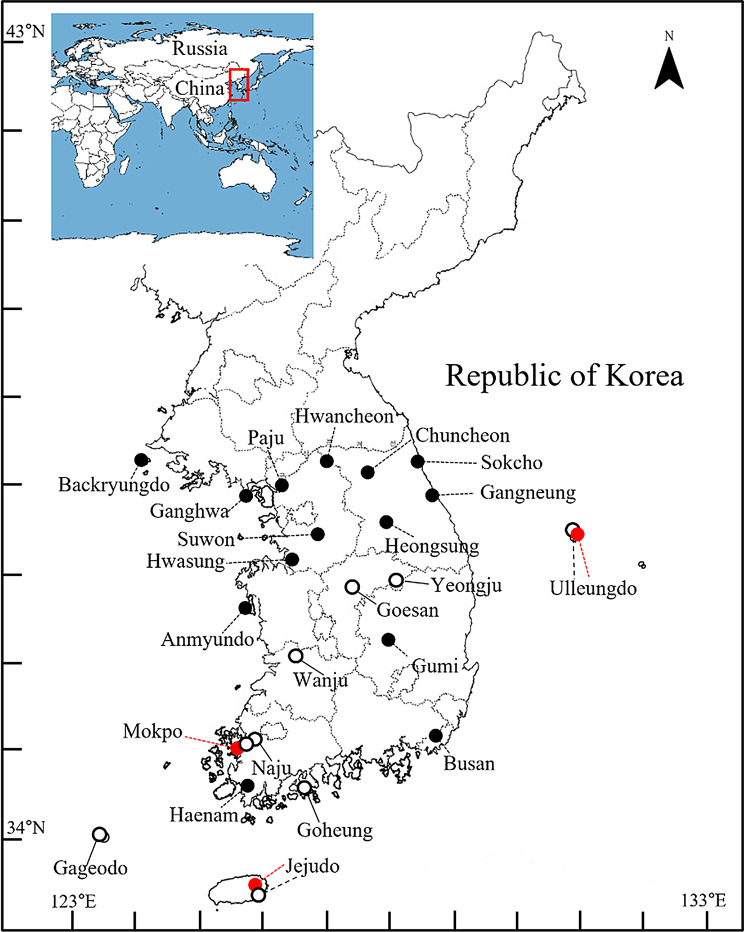 Figure 1
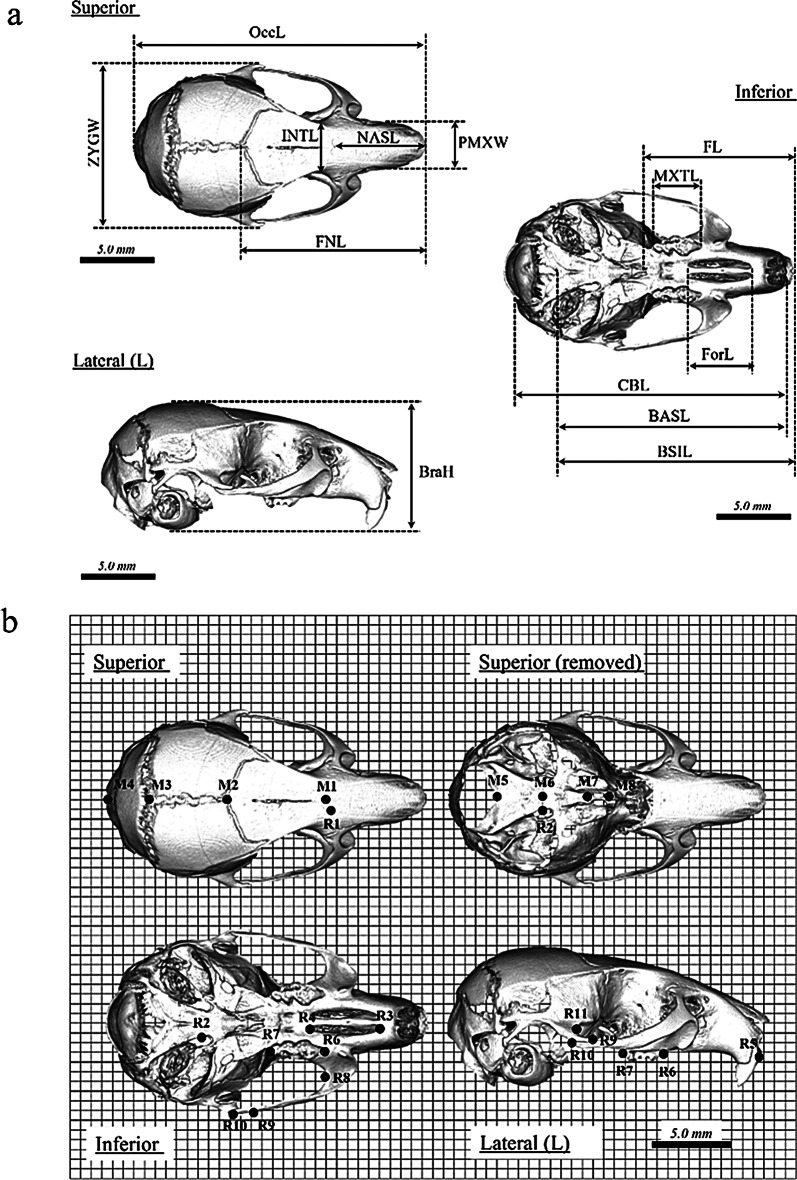 Figure 2
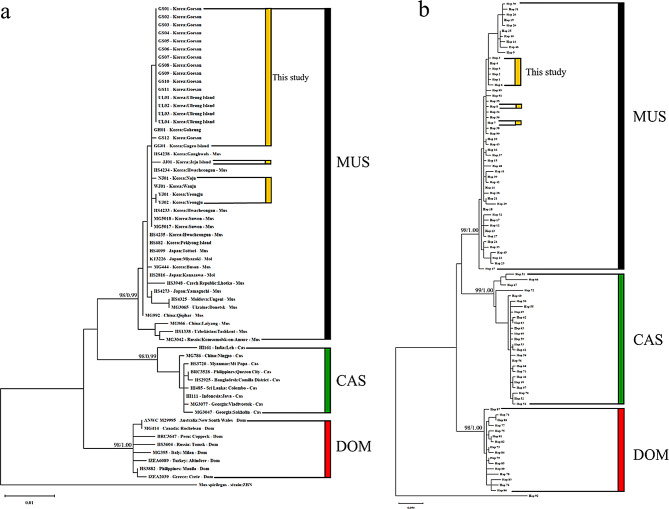 Figure 3
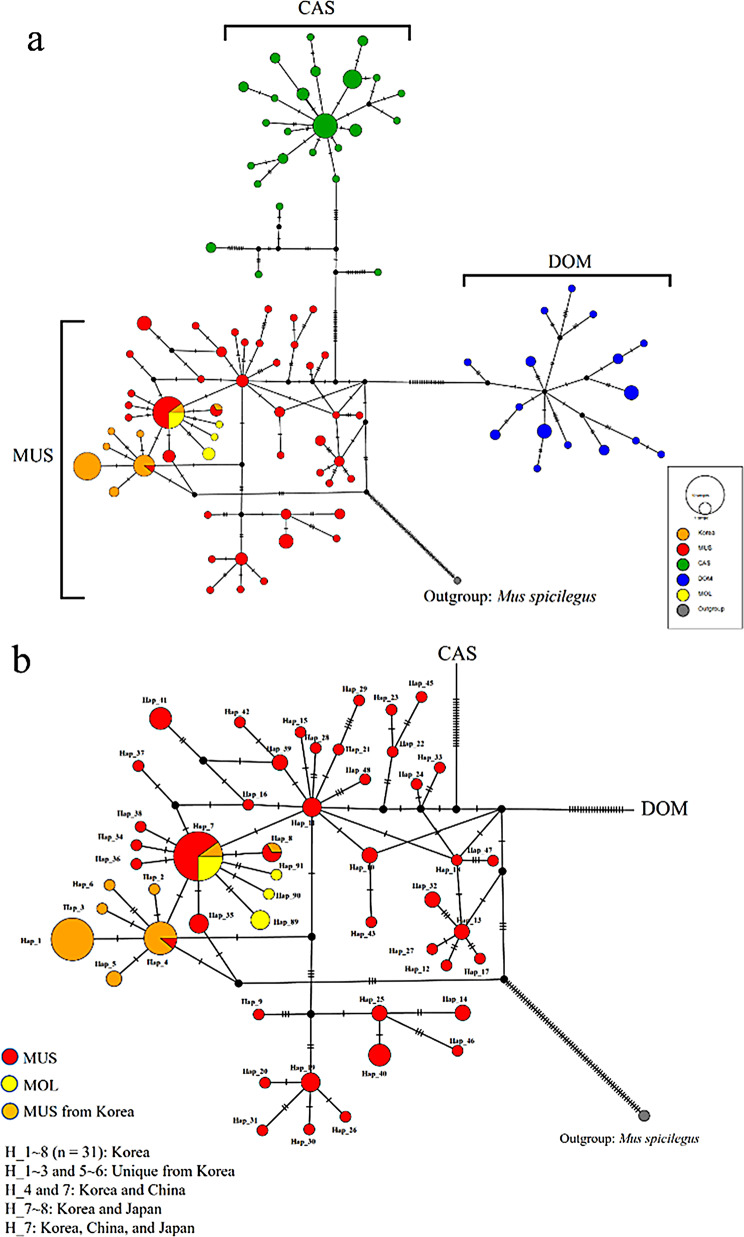 Figure 4
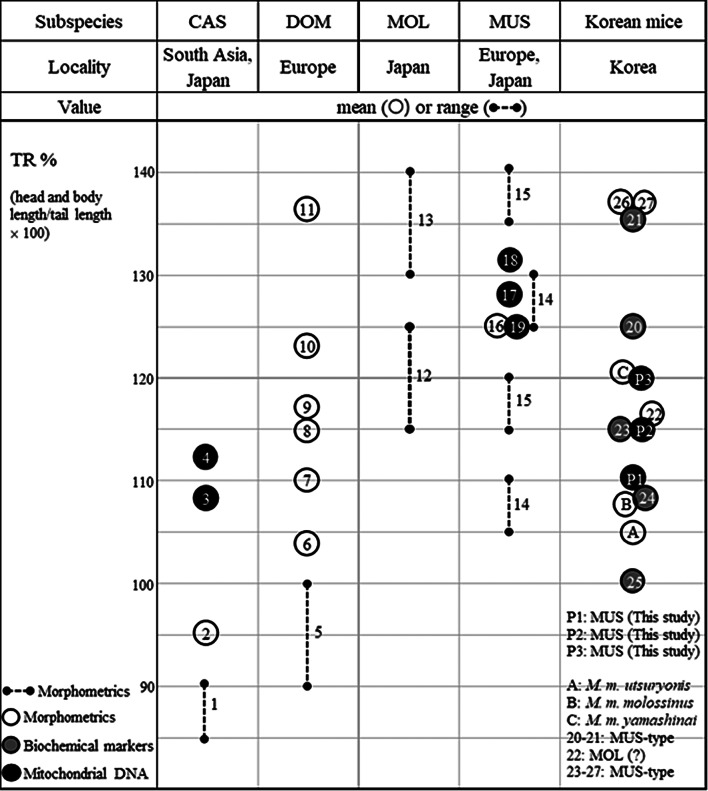 Figure 5
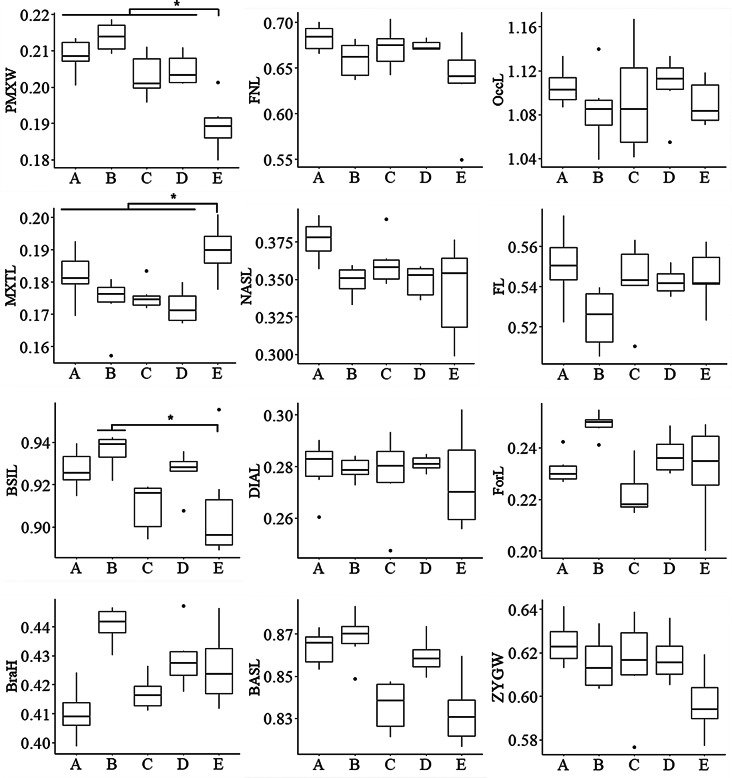 Figure 6
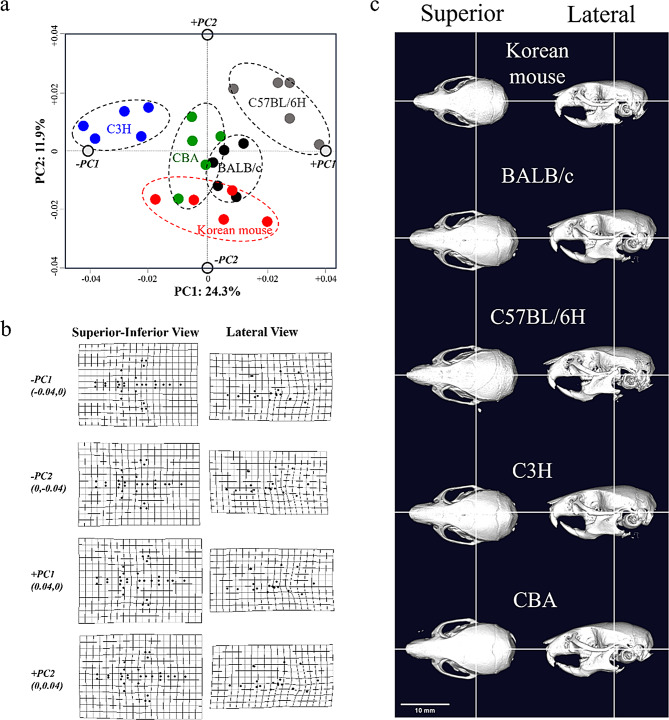 Figure 7
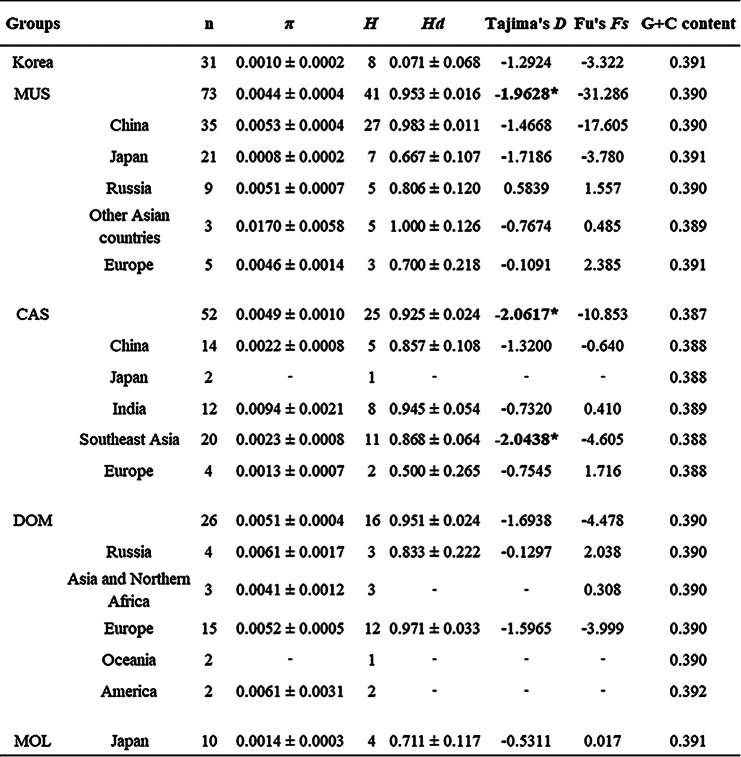 Figure 8
Peer Reviews
No public reviews on file for this paper yet. If you reviewed it on a platform where reviews are public (OpenReview, ICLR, NeurIPS, ICML), you can paste yours below so the community can read it here.
Videos
No videos yet. Explain this paper in a talk, walkthrough, or lecture? Add one.
Taxonomy
TopicsAnimal Ecology and Behavior Studies · Morphological variations and asymmetry · Genetic diversity and population structure