Equine genital and ocular squamous cell carcinomas: clinical, histopathological, molecular and viral characterization with proposed histopathological classification system
Kevin O'Brien, Tim Mair, Hardeep S. Mudhar, Patricia Pesavento, Henry Miller, Simon L. Priestnall, Alejandro Suárez-Bonnet

TL;DR
This study classifies equine squamous cell carcinomas into six subtypes and explores their molecular and viral features to improve prognosis prediction.
Contribution
The first histopathological classification system for equine SCCs is proposed, with subtype-specific prognostic implications.
Findings
Six histopathological subtypes of equine SCCs were identified, with prognostic significance.
p16 expression may serve as a potential prognostic factor in eSCCs.
HER-2 expression is widespread in eSCCs and could be a therapeutic target.
Abstract
Equine squamous cell carcinomas (eSCCs) are common, and a proportion are likely induced by Equus caballus papillomavirus 2 (EcPV-2). Accurate prediction of clinical outcomes is challenging with no recognized prognostic criteria or consistent histopathological classification scheme for eSCC. The aims of this study were to histopathologically subtype a large case series of eSCCs (genital and ocular) and correlate them with p16 and HER-2 expression, equine papillomavirus infection status, and various clinical and histopathological parameters to predict tumour behavior and prognosis. One hundred and eighty-five samples were examined and subtyped histologically. HER-2 and p16 immunohistochemistry (IHC) and in situ hybridization (ISH) for the EcPV-2 E6/E7 oncogenes were performed on a subset of cases, and follow-up survival data were analyzed. The results were compared and correlated with…
Genes, proteins, chemicals, diseases, species, mutations and cell lines named across the full text — each resolved to its canonical identifier and authoritative record.
Click any figure to enlarge with its caption.
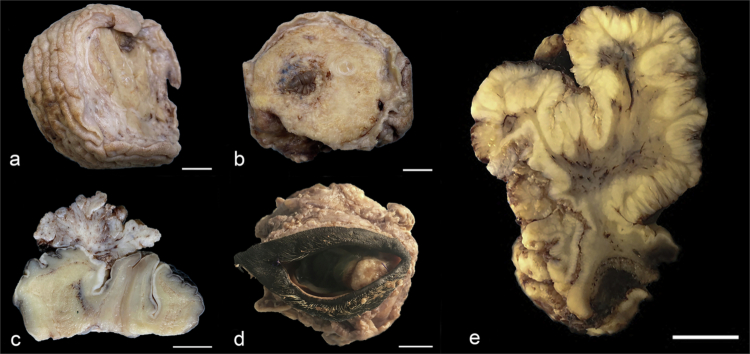 Figure 1
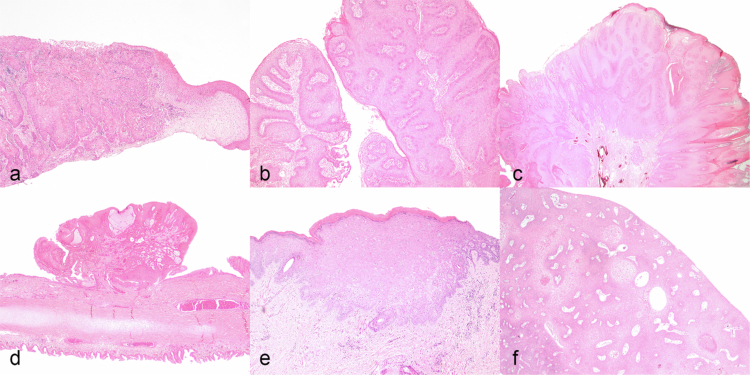 Figure 2
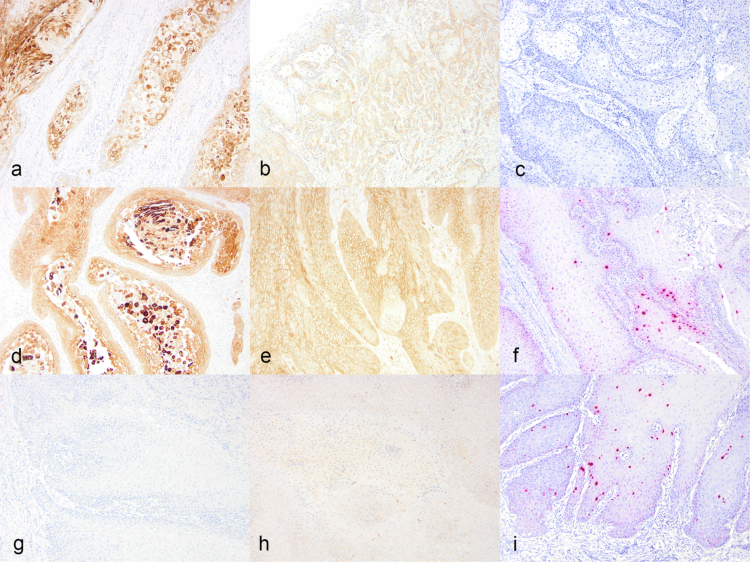 Figure 3
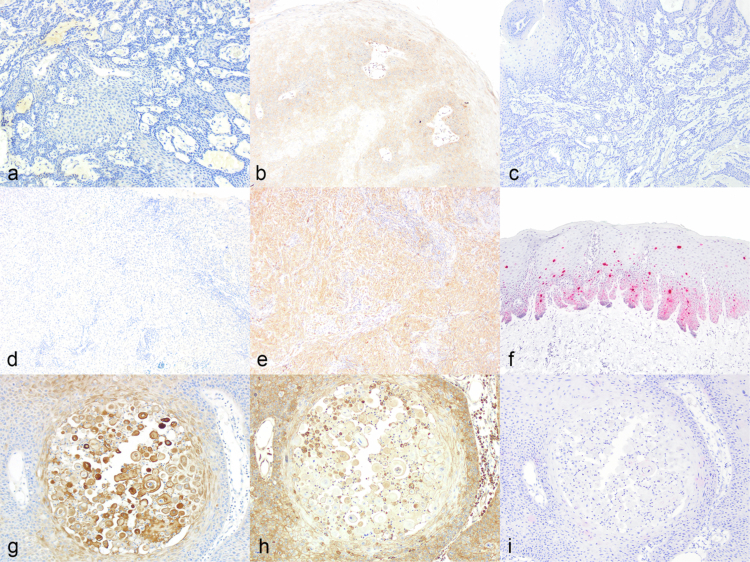 Figure 4
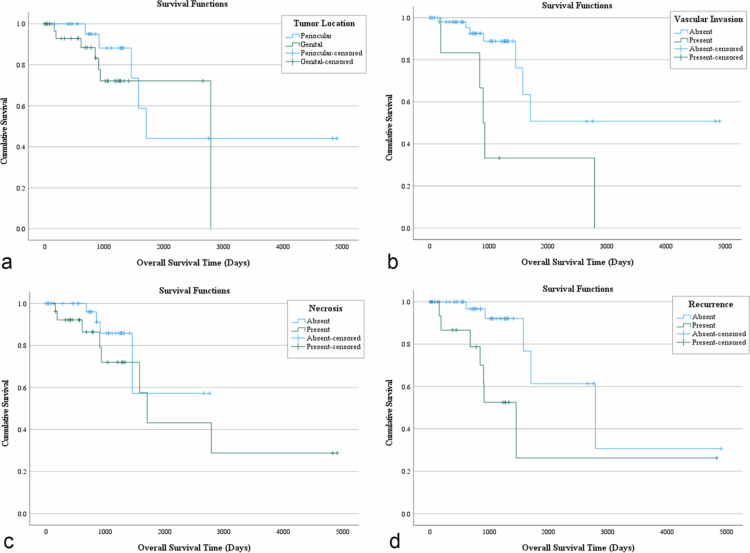 Figure 5
Peer Reviews
No public reviews on file for this paper yet. If you reviewed it on a platform where reviews are public (OpenReview, ICLR, NeurIPS, ICML), you can paste yours below so the community can read it here.
Videos
No videos yet. Explain this paper in a talk, walkthrough, or lecture? Add one.
Taxonomy
TopicsVeterinary Oncology Research · Infectious Diseases and Mycology · Veterinary Equine Medical Research