Interim analysis of all-case post-marketing surveillance study in Japan: lecanemab in patients with early Alzheimer’s disease
Atsushi Iwata, Yukinori Sakata, Kinuyo Koizumi, Akira Endo, Weijie Kuang, Kenta Sumitomo, Mika Ishii

TL;DR
This study analyzes real-world data from 2,672 Japanese patients treated with lecanemab for early Alzheimer’s disease, focusing on side effects like brain imaging abnormalities and infusion reactions.
Contribution
The study provides the largest real-world cohort of lecanemab-treated patients globally, offering insights into ARIA and infusion-related reactions in routine clinical practice.
Findings
7.1% of patients experienced amyloid-related imaging abnormalities (ARIA) after lecanemab treatment.
17.0% of patients experienced infusion-related reactions, with 0.7% classified as serious.
ARIA occurrence was highest in patients with APOE ε4 homozygous genotype.
Abstract
Lecanemab is a monoclonal antibody targeting amyloid-beta protofibrils, indicated for patients with mild cognitive impairment (MCI) and mild dementia due to Alzheimer’s disease. This study reports interim findings of an ongoing, multicenter, prospective, observational post-marketing study for all patients treated with lecanemab in routine clinical practice in Japan, focusing on amyloid-related imaging abnormalities (ARIAs) and infusion-related reactions primarily observed during up to 28 weeks after treatment initiation. Patients treated with lecanemab at any medical institutions across Japan are included in the study. Data are collected using an electronic data capture system via standardized case report forms (CRFs). Study items included the incidence of ARIA, ARIA-edema or effusion (-E), ARIA-hemorrhage (-H: cerebral microhemorrhages, superficial siderosis, and macrohemorrhage),…
Genes, proteins, chemicals, diseases, species, mutations and cell lines named across the full text — each resolved to its canonical identifier and authoritative record.
Click any figure to enlarge with its caption.
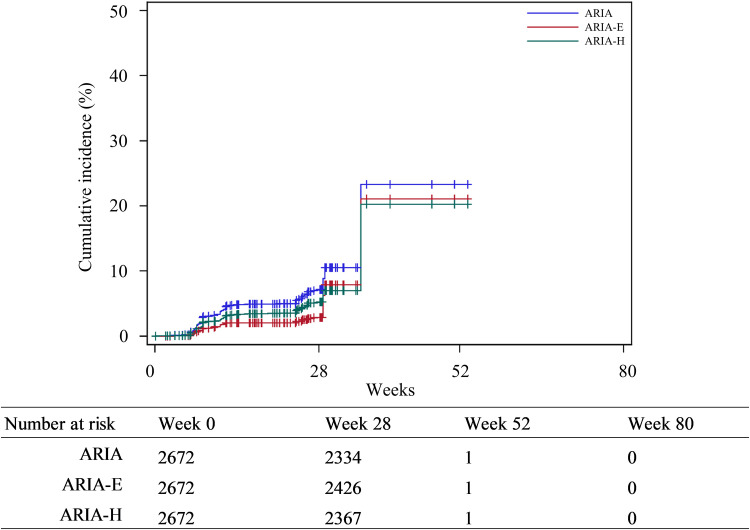 Figure 1
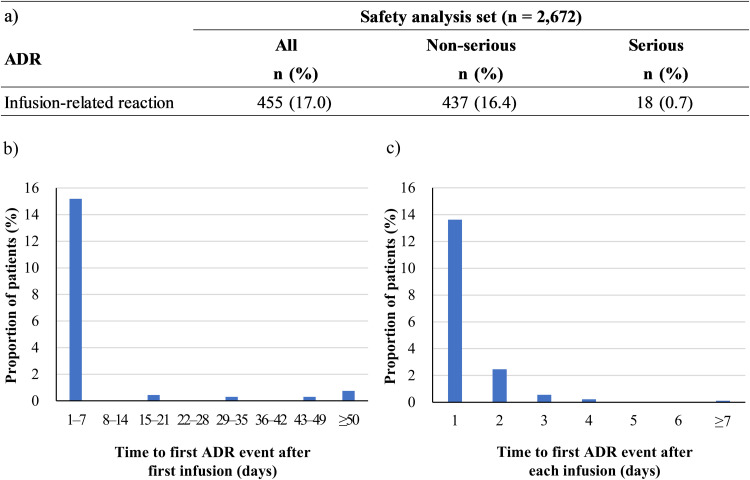 Figure 2
Peer Reviews
No public reviews on file for this paper yet. If you reviewed it on a platform where reviews are public (OpenReview, ICLR, NeurIPS, ICML), you can paste yours below so the community can read it here.
Videos
No videos yet. Explain this paper in a talk, walkthrough, or lecture? Add one.
Taxonomy
TopicsDementia and Cognitive Impairment Research · Intracerebral and Subarachnoid Hemorrhage Research · Alzheimer's disease research and treatments