Targeting oncogenic NTSR1 with liensinine reprograms Gq-mediated signaling to suppress lung adenocarcinoma
Yongfu Wang, Wei Liu, Pengzhuo Tao, Changmin Liu, Yizhen Yuan, Yajing Xue, Hanting Yang, Xiongfeng Liu, Xinyi Zhou, Shilin Chen, Chi Song

TL;DR
Liensinine, a natural compound, inhibits the NTSR1 receptor in lung cancer cells, reducing tumor growth and altering harmful signaling pathways.
Contribution
Liensinine is identified as a novel NTSR1 antagonist that selectively inhibits Gq signaling and reprograms transcriptional pathways in lung adenocarcinoma.
Findings
NTSR1 is overexpressed in LUAD and linked to poor prognosis, immune remodeling, and advanced tumor stage.
Liensinine selectively inhibits NTSR1-Gq signaling, reduces cell proliferation, and induces apoptosis in LUAD cell lines.
Transcriptomic analysis shows liensinine reverses pro-oncogenic pathways and activates protective pathways like steroid biosynthesis.
Abstract
Lung adenocarcinoma (LUAD) is a leading cause of cancer death. Neurotensin receptor 1 (NTSR1), a G protein-coupled receptor, is overexpressed in LUAD and linked to poor prognosis, but its therapeutic potential is underexplored. This study combined multi-database bioinformatics to systematically evaluate the expression, prognostic relevance, genetic alterations, and immune-microenvironment association of NTSR1 across cancer types. The ONE-GO biosensor, SPR, PRESTO-Tango, and in-cell ELISA assays was used to confirm that liensinine specifically inhibits NTSR1-mediated G-protein signaling. Functional consequences of NTSR1 depletion and liensinine treatment—including effects on proliferation, apoptosis, and global transcription—were examined in vitro via CCK-8, flow cytometry, RNA-seq and Western blot. Key findings were validated by RT-qPCR in cellular models and further supported using…
Genes, proteins, chemicals, diseases, species, mutations and cell lines named across the full text — each resolved to its canonical identifier and authoritative record.
Click any figure to enlarge with its caption.
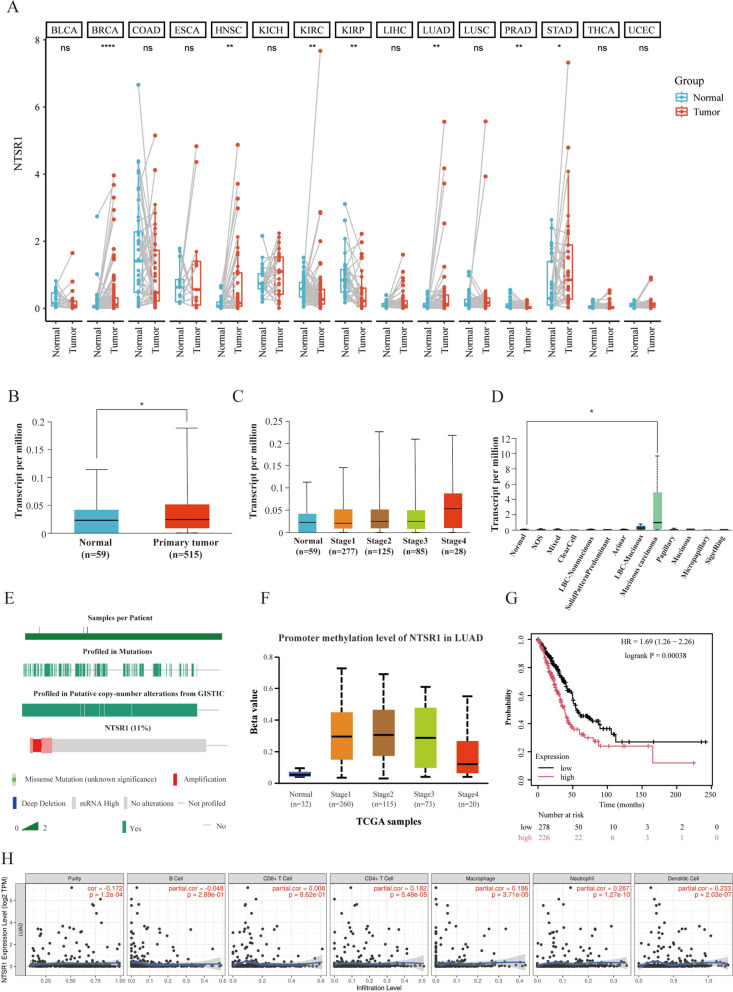 Figure 1
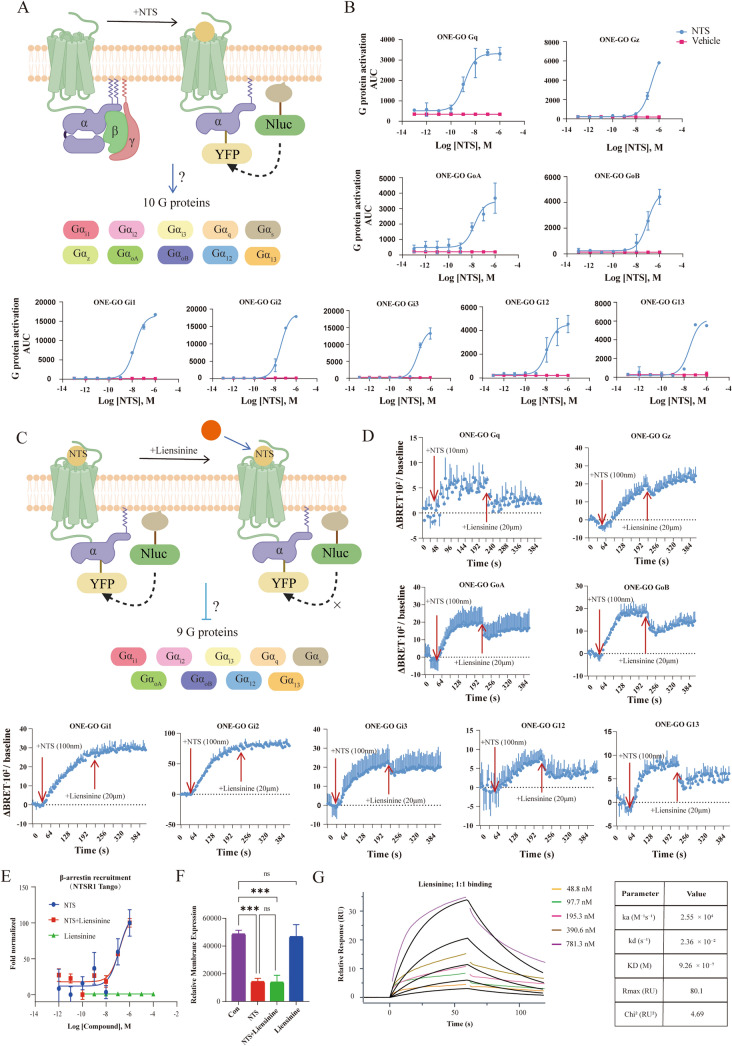 Figure 2
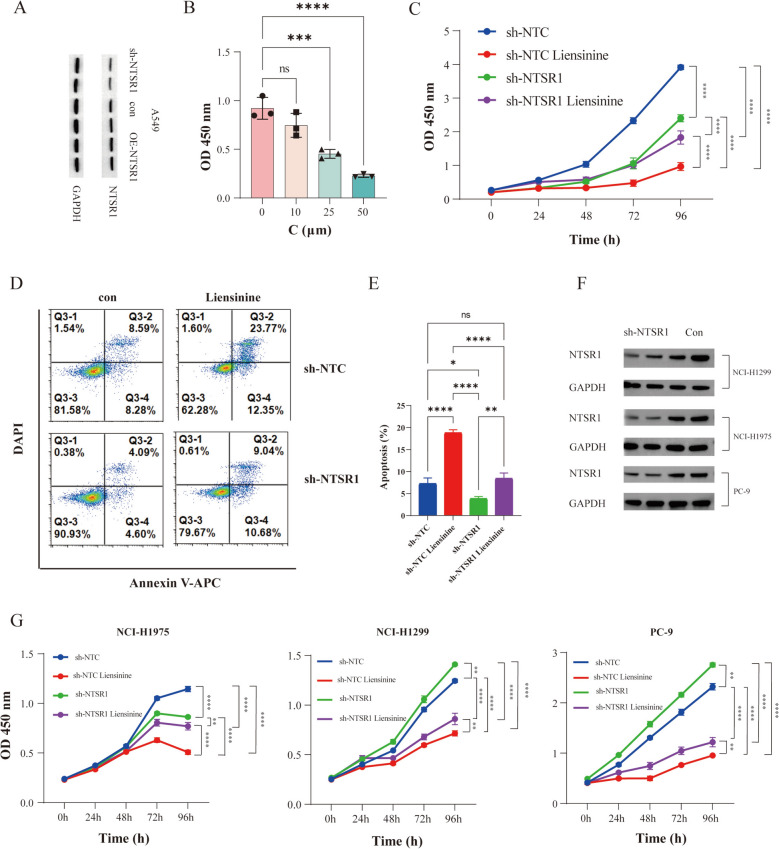 Figure 3
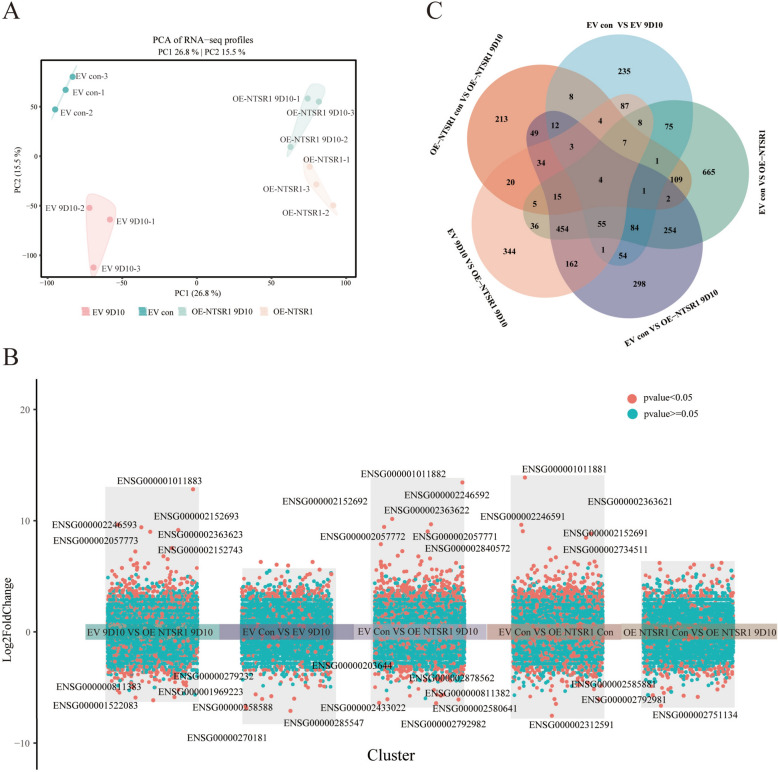 Figure 4
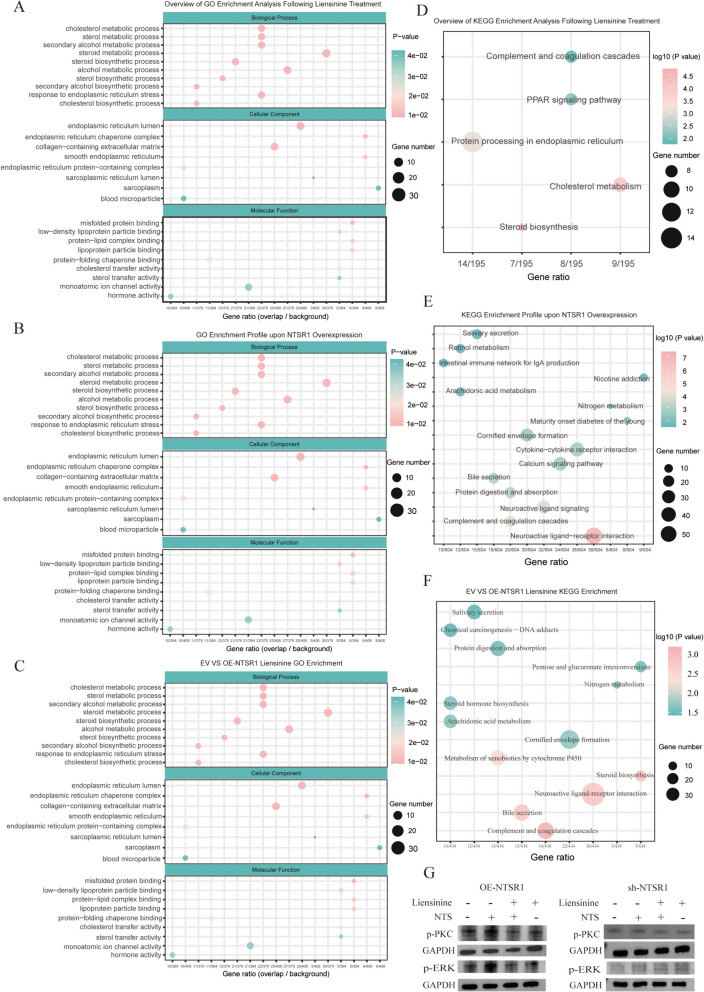 Figure 5
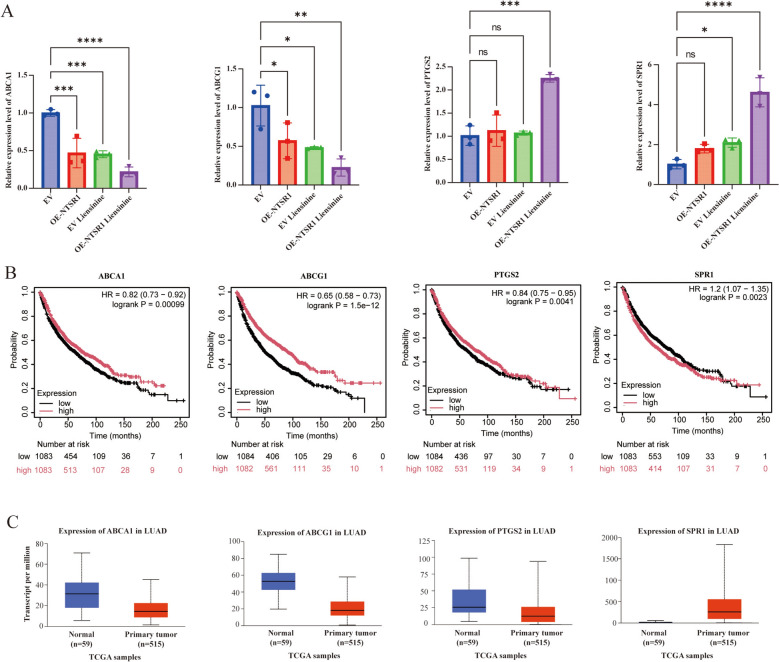 Figure 6
Peer Reviews
No public reviews on file for this paper yet. If you reviewed it on a platform where reviews are public (OpenReview, ICLR, NeurIPS, ICML), you can paste yours below so the community can read it here.
Videos
No videos yet. Explain this paper in a talk, walkthrough, or lecture? Add one.
Taxonomy
TopicsNeuropeptides and Animal Physiology · Cancer, Stress, Anesthesia, and Immune Response · Receptor Mechanisms and Signaling