The dynamic 3D horse: analyzing the relationship between whole body pathomechanics and joint degeneration in the fetlocks
Gwyneth P. Miller, Jean Luc Cornille, Ronda Hanning, Alexander K. K. Lee, Elizabeth W. Uhl, Michelle L. Osborn

TL;DR
This study explores how whole-body movement and posture affect joint degeneration in horses and demonstrates how 3D modeling can help assess the impact of rehabilitation.
Contribution
The paper introduces a novel use of 3D modeling and CT data to analyze and demonstrate the effects of rehabilitative therapy on equine joint degeneration.
Findings
A 3D horse model based on CT data was used to track posture and joint changes during rehabilitation.
The study shows how targeted therapy can rebalance forces affecting the hindlimbs and potentially reduce joint degeneration.
The approach provides a proof of concept for using advanced imaging in equine veterinary medicine.
Abstract
Lameness is often associated with degenerative joint disease (DJD). Current therapies focus on minimizing pain or treating specific lesions but generally do not address the pathomechanical forces that are the root cause of degeneration. Treatments based on specific, whole-body therapies are becoming common in humans with DJD, but are still not routinely applied in equine cases. Designing targeted therapies for horses requires recognizing habitual postures and movements that are pathological. An important but often missing component for understanding movement postures is accurate and manipulatable anatomical models. In this case study, a three-dimensional model of a horse based on CT data is manipulated using advanced imaging and animation software Autodesk® Maya® to demonstrate the habitual working posture of a horse with DJD of the fetlock joints before, during, and after the…
Genes, proteins, chemicals, diseases, species, mutations and cell lines named across the full text — each resolved to its canonical identifier and authoritative record.
Click any figure to enlarge with its caption.
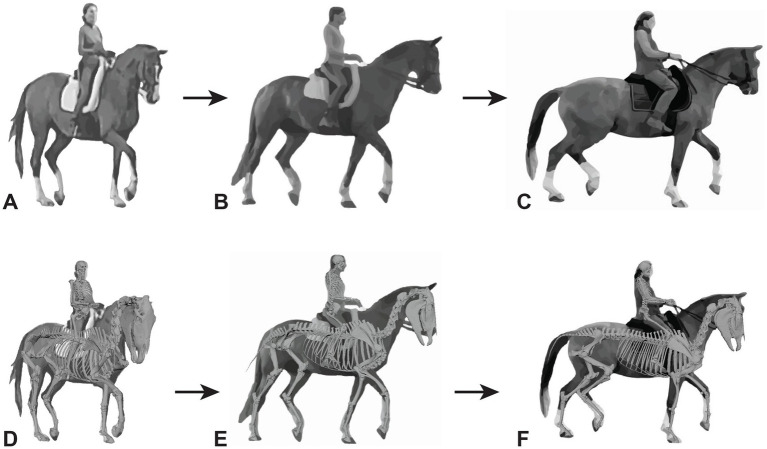 Figure 1
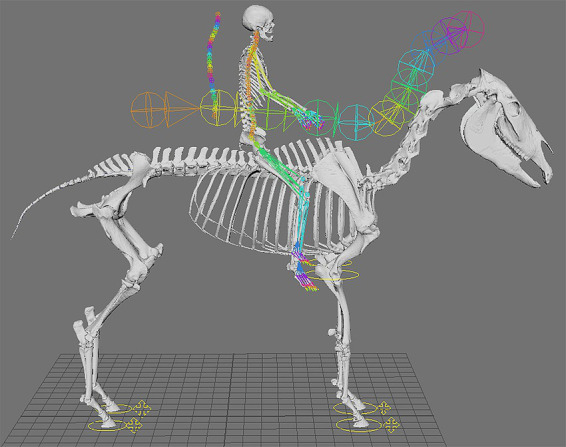 Figure 2
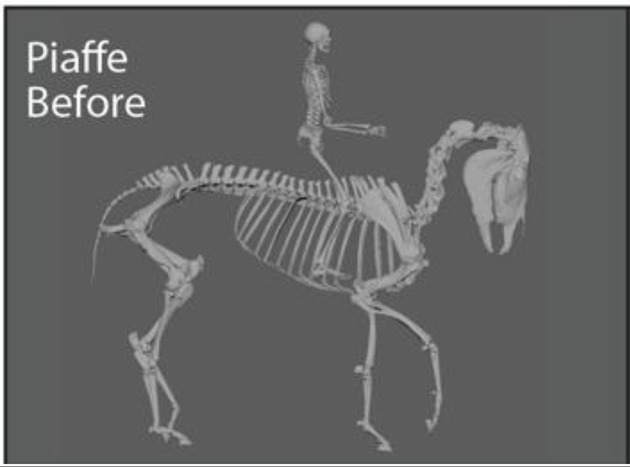 Figure 3
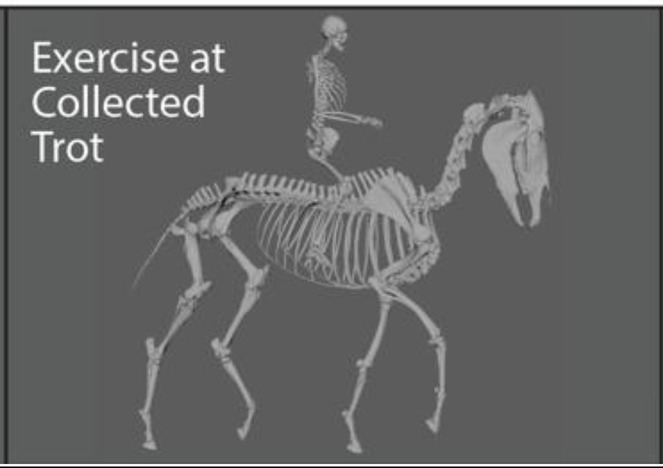 Figure 4
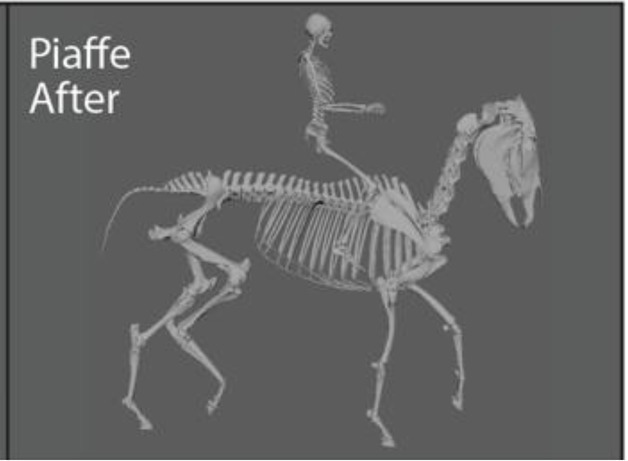 Figure 5
Peer Reviews
No public reviews on file for this paper yet. If you reviewed it on a platform where reviews are public (OpenReview, ICLR, NeurIPS, ICML), you can paste yours below so the community can read it here.
Videos
No videos yet. Explain this paper in a talk, walkthrough, or lecture? Add one.
Taxonomy
TopicsVeterinary Equine Medical Research · Veterinary Orthopedics and Neurology · Veterinary Practice and Education Studies