Comprehensive phenomics and vegetative yield analysis of global kale (Brassica oleracea var. acephala) germplasm in controlled environment agriculture
Adrian Ming Jern Lee, Ting Xiang Neik, Shuang Song, Kwai Wei Chan, Seam Choon Law, Pei-Wen Ong, Ethan Tze Cherng Lim, Fook Tim Chew

TL;DR
This study analyzes the traits of 203 kale varieties under controlled agriculture conditions to identify key characteristics linked to higher yield.
Contribution
The study provides a comprehensive phenomics baseline and identifies key traits associated with kale yield in controlled environments.
Findings
203 kale accessions were analyzed for 113 traits, revealing significant genetic variability.
28 phenotypes were identified as most strongly associated with total aboveground fresh weight, a key yield indicator.
Three principal components explained 87.1% of yield variation, related to plant size, canopy structure, and density.
Abstract
Kale (Brassica oleracea var. acephala) is a high value leafy vegetable with an extensive domestication history and germplasm diversity, making it an ideal target for genetic improvement. To meet growing food security needs particularly with controlled environment agriculture (CEA) systems, specialized breeding strategies are required. The goal of this study was to survey the phenotypic architecture of a global kale germplasm collection under commercial CEA conditions. This study establishes a phenotypic baseline and serves as a hypothesis generating resource for future genetic and physiological studies in kale and other leafy vegetables grown under CEA. A total of 203 kale accessions were phenotyped for 113 quantitative traits using high-throughput phenotyping methods. Significant differentiation was observed across all traits, with coefficient of variation ranging from 2.5% to 180.7%,…
Genes, proteins, chemicals, diseases, species, mutations and cell lines named across the full text — each resolved to its canonical identifier and authoritative record.
Click any figure to enlarge with its caption.
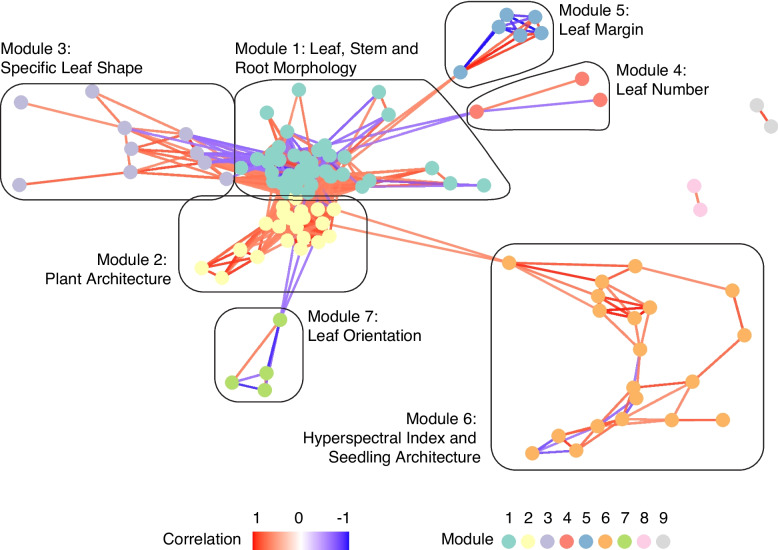 Figure 1
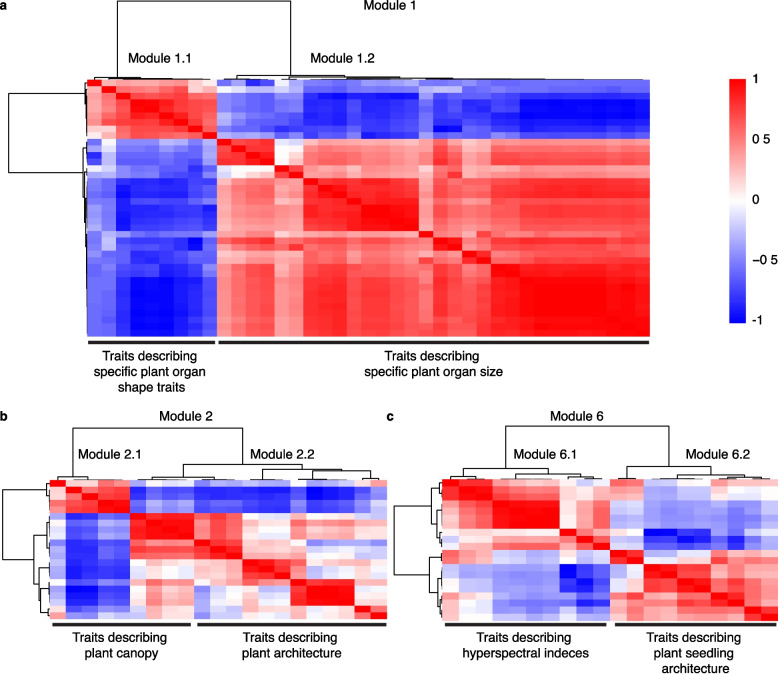 Figure 2
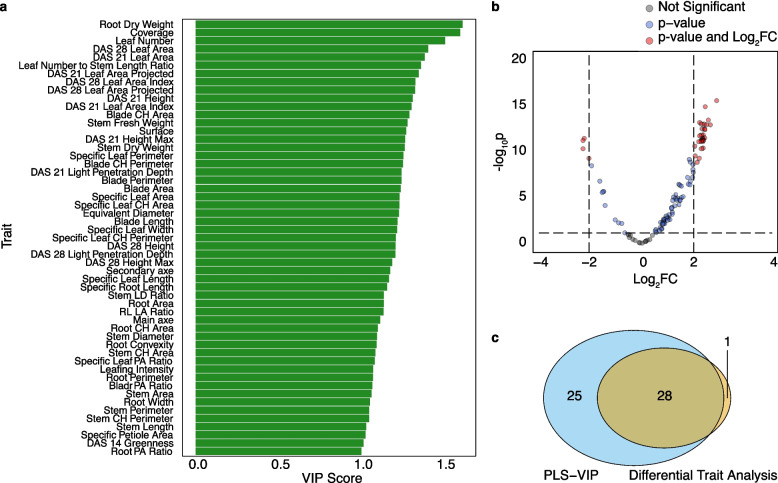 Figure 3
Peer Reviews
No public reviews on file for this paper yet. If you reviewed it on a platform where reviews are public (OpenReview, ICLR, NeurIPS, ICML), you can paste yours below so the community can read it here.
Videos
No videos yet. Explain this paper in a talk, walkthrough, or lecture? Add one.
Taxonomy
TopicsNitrogen and Sulfur Effects on Brassica · Growth and nutrition in plants · Advances in Cucurbitaceae Research