A conserved bioelectrical signature defines subventricular zone-derived human fetal neural stem cells and tracks their differentiation state
Roberta De Zio, Diletta Lucia Capobianco, Daniela Celeste Profico, Giada D’Aloisio, Giuseppe Procino, Maurizio Gelati, Angelo Luigi Vescovi, Francesco Pisani, Maria Svelto, Andrea Gerbino

TL;DR
Human fetal neural stem cells from the subventricular zone have a consistent electrical profile that changes during differentiation, offering a new way to track their development for regenerative therapies.
Contribution
Identifies a reproducible bioelectrical signature in human fetal neural stem cells and tracks its changes during differentiation.
Findings
hfNSCs show a consistent depolarized resting membrane potential and specific potassium currents across donors.
Vm hyperpolarization and current remodeling occur early during differentiation, with late-stage heterogeneity in inward currents.
Bioelectrical profiling can serve as a functional biomarker for standardizing and assessing hfNSC-based therapies.
Abstract
Human fetal neural stem cells (hfNSCs) from the subventricular zone (SVZ) are employed in clinical trials for neurodegenerative diseases, yet their bioelectrical properties remain largely unexplored. Molecular markers alone do not reliably correlate with functional state, highlighting the need for complementary functional descriptors. We performed whole-cell patch-clamp recordings on hfNSCs from three independent SVZ donors (15–16 weeks of gestation) to characterize resting membrane potential (Vm) and voltage-gated currents, assessing inter-donor reproducibility and differentiation dynamics over 30 days in vitro. hfNSCs exhibited a highly reproducible bioelectrical signature across all donors, characterized by a depolarized resting membrane potential (∼−30 mV), a non-excitable profile, and a stereotyped composition of outward K+ currents. The two current components were resolved using…
Genes, proteins, chemicals, diseases, species, mutations and cell lines named across the full text — each resolved to its canonical identifier and authoritative record.
Click any figure to enlarge with its caption.
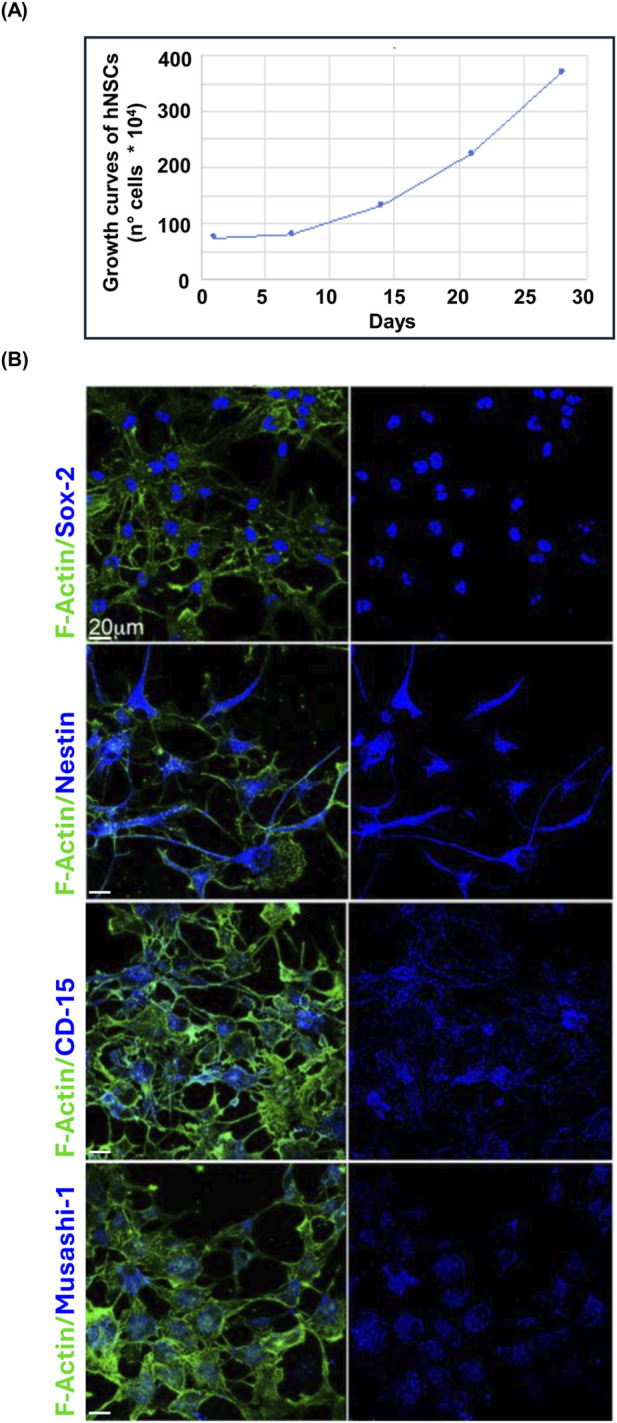 Figure 1
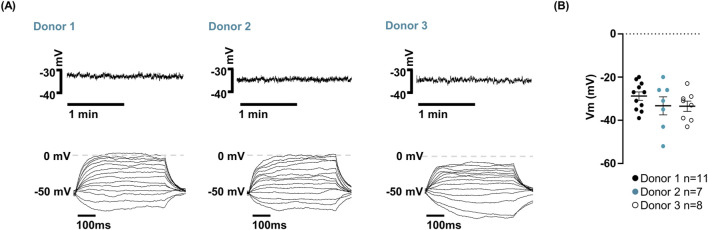 Figure 2
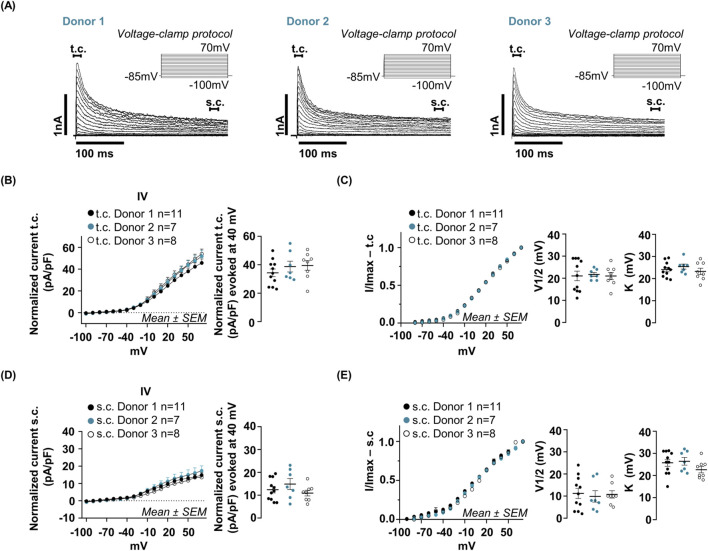 Figure 3
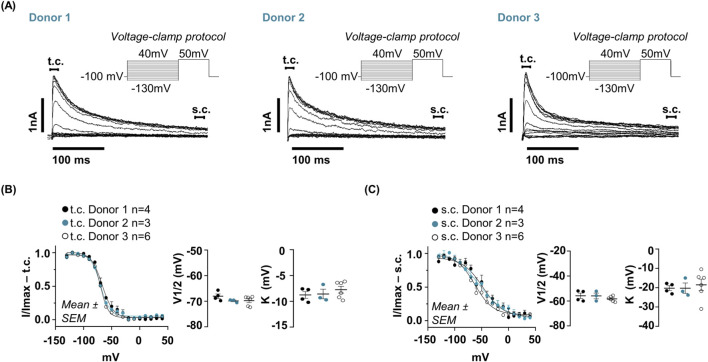 Figure 4
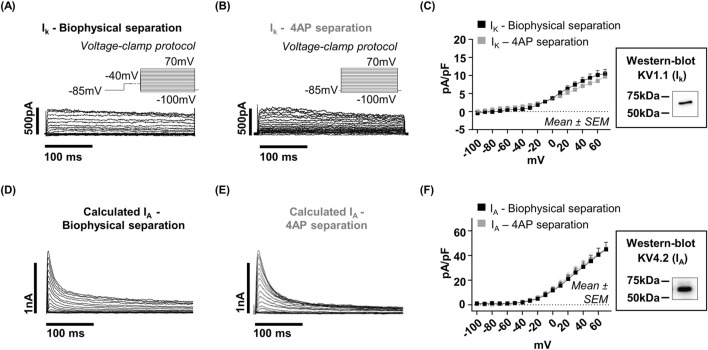 Figure 5
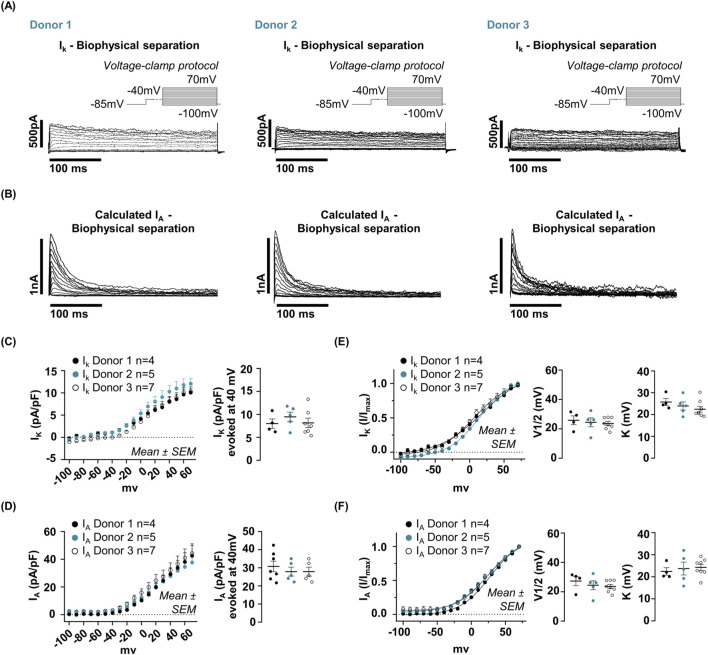 Figure 6
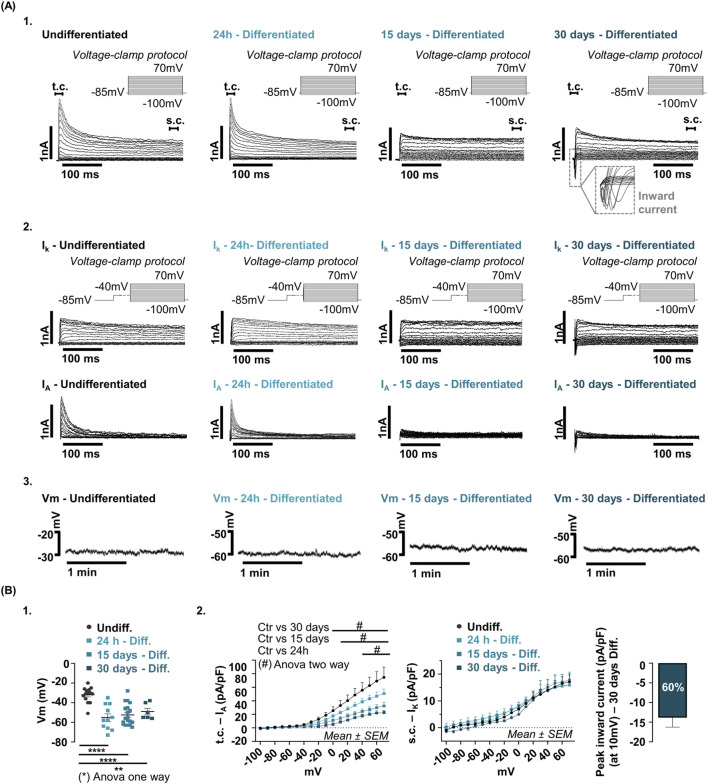 Figure 7
Peer Reviews
No public reviews on file for this paper yet. If you reviewed it on a platform where reviews are public (OpenReview, ICLR, NeurIPS, ICML), you can paste yours below so the community can read it here.
Videos
No videos yet. Explain this paper in a talk, walkthrough, or lecture? Add one.
Taxonomy
TopicsPlanarian Biology and Electrostimulation · Pluripotent Stem Cells Research · Cardiac electrophysiology and arrhythmias