Single-cell landscape of piglet lung response with Actinobacillus pleuropneumoniae
Junhui Zhu, Sibo Zhu, Changyou Xia, Xuan Jiang, Chuntong Bao, Ziheng Li, Rining Zhu, Hexiang Jiang, Fengyang Li, Xiaoguang Zhang, Wei Wang, Hong Chen, Jikun Mei, Jingmin Gu, Na Li, Liancheng Lei

TL;DR
This study uses single-cell RNA sequencing to explore how piglet lungs respond to a bacterial infection that causes severe lung fibrosis.
Contribution
The study reveals new insights into immune cell dynamics and fibrosis mechanisms in pig lungs infected with Actinobacillus pleuropneumoniae.
Findings
Infected pig lungs show increased monocytes, neutrophils, and pDCs with elevated inflammatory gene expression.
A. pleuropneumoniae reduces macrophage numbers by blocking differentiation and inducing apoptosis.
Pathological fibroblast-like cells and epithelial-mesenchymal transition contribute to fibrosis progression.
Abstract
Pulmonary fibrosis is a prevalent, chronic, and fatal illness that poses considerable risks to life and health. Actinobacillus pleuropneumoniae (A. pleuropneumoniae) is an archetypal bacteria responsible for inducing significant pulmonary fibrosis, resulting in substantial economic losses in the pig industry. Nevertheless, the immune response in pig lungs against this pathogen and the specific characteristics of fibrosis remain obscure. In this study, single-cell RNA sequencing (scRNA-seq) analysis of piglet lungs with or without A. pleuropneumoniae infection identified 18 subpopulations with different phenotypes. Monocytes, neutrophils, and plasmacytoid dendritic cells (pDCs) were enriched in the lungs post-infection and responded to infection by boosting IFN-γ-inducible and inflammatory-related gene expression. A. pleuropneumoniae reduces the number of macrophages by inhibiting…
Genes, proteins, chemicals, diseases, species, mutations and cell lines named across the full text — each resolved to its canonical identifier and authoritative record.
Click any figure to enlarge with its caption.
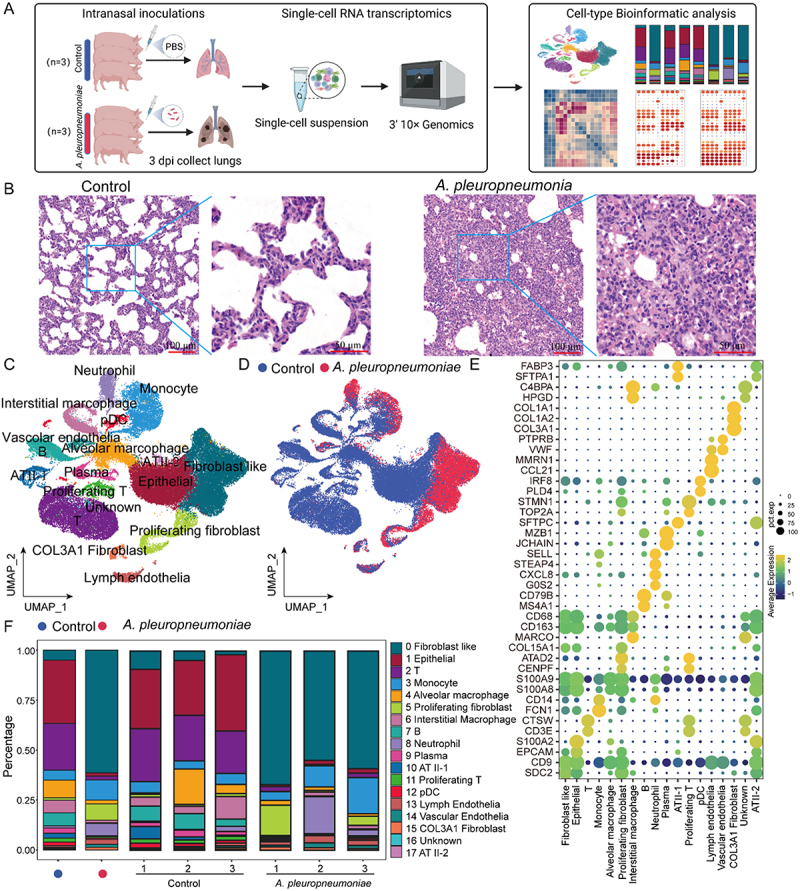 Figure 1
 Figure 2
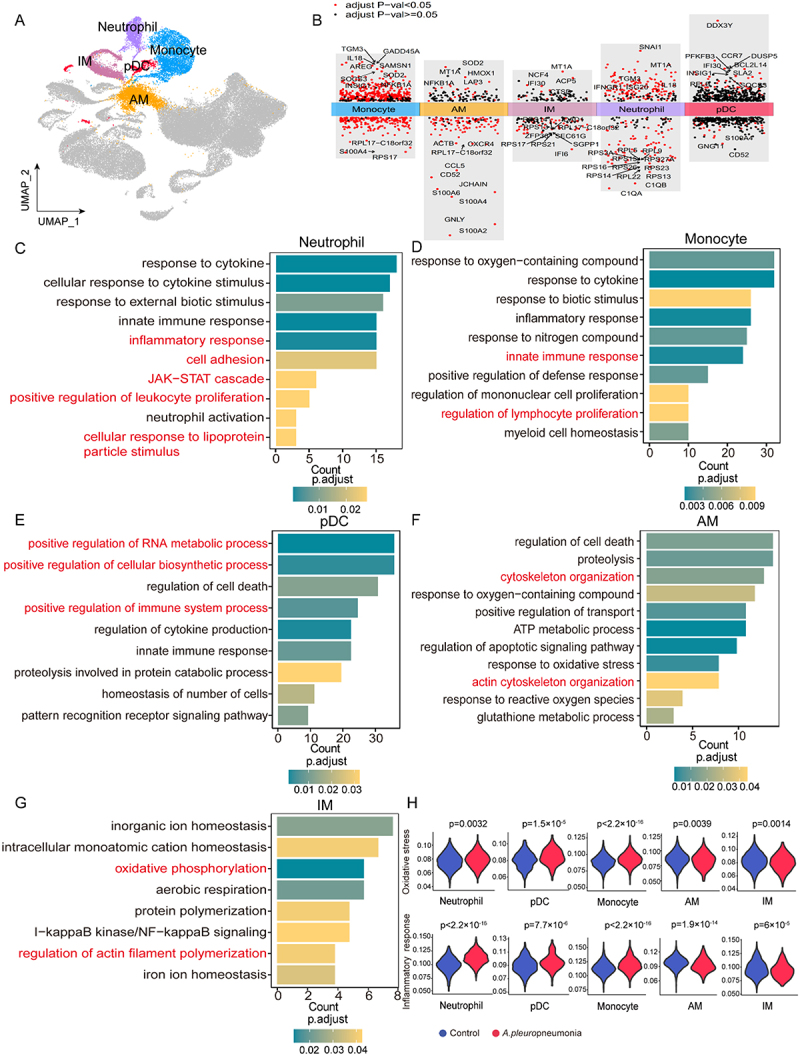 Figure 3
 Figure 4
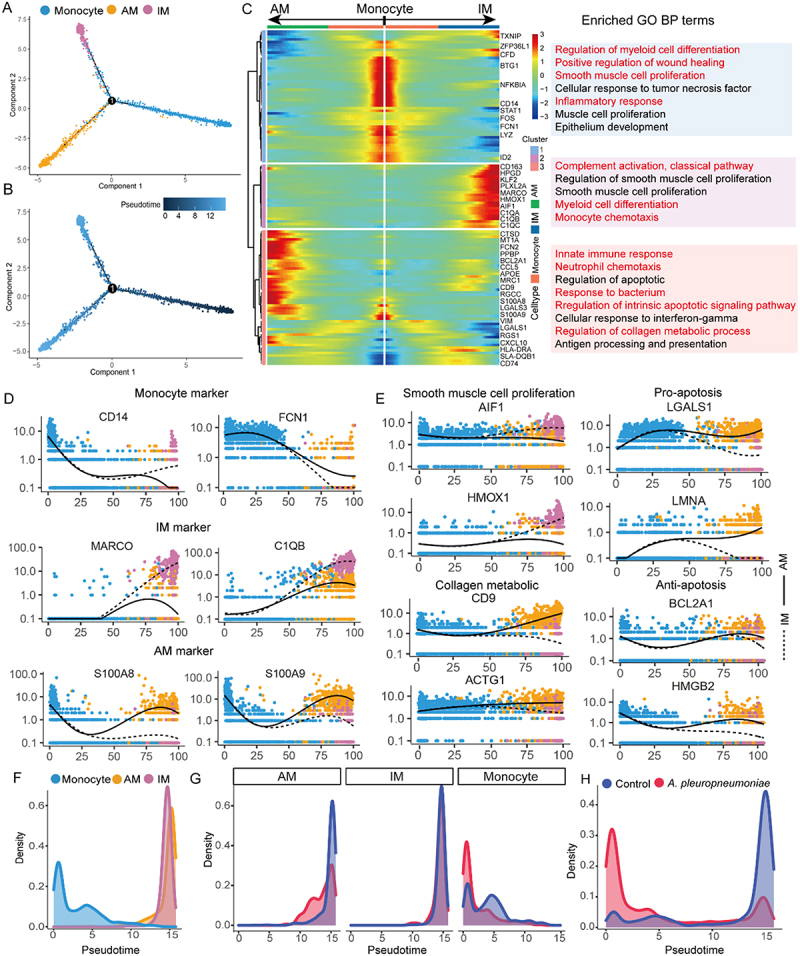 Figure 5
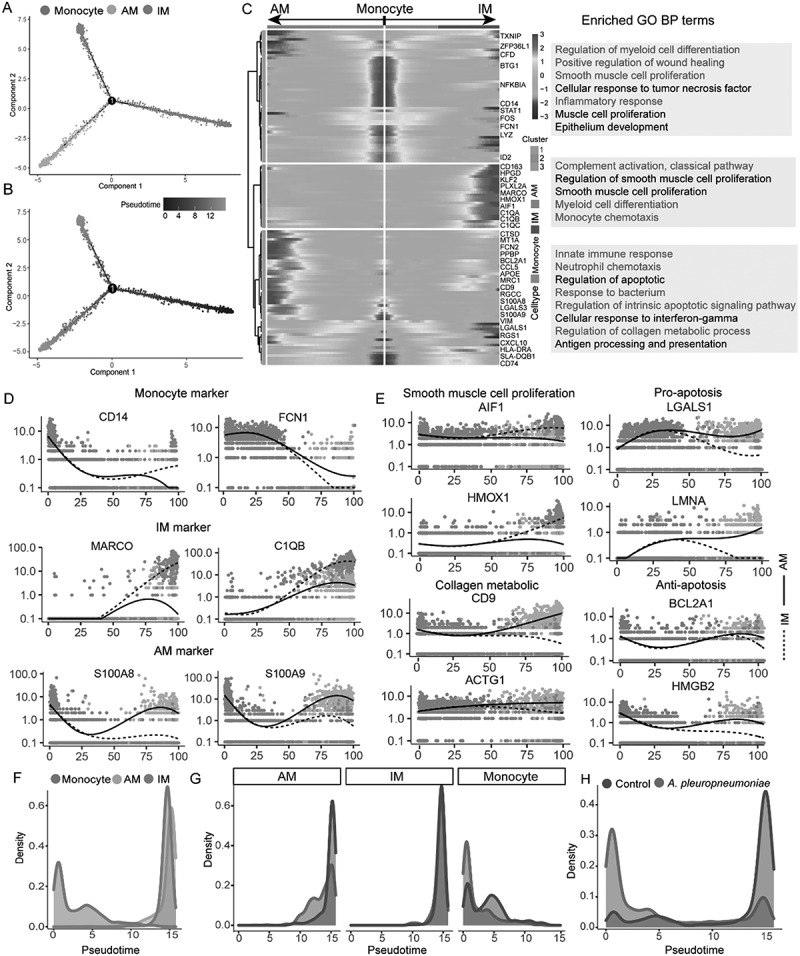 Figure 6
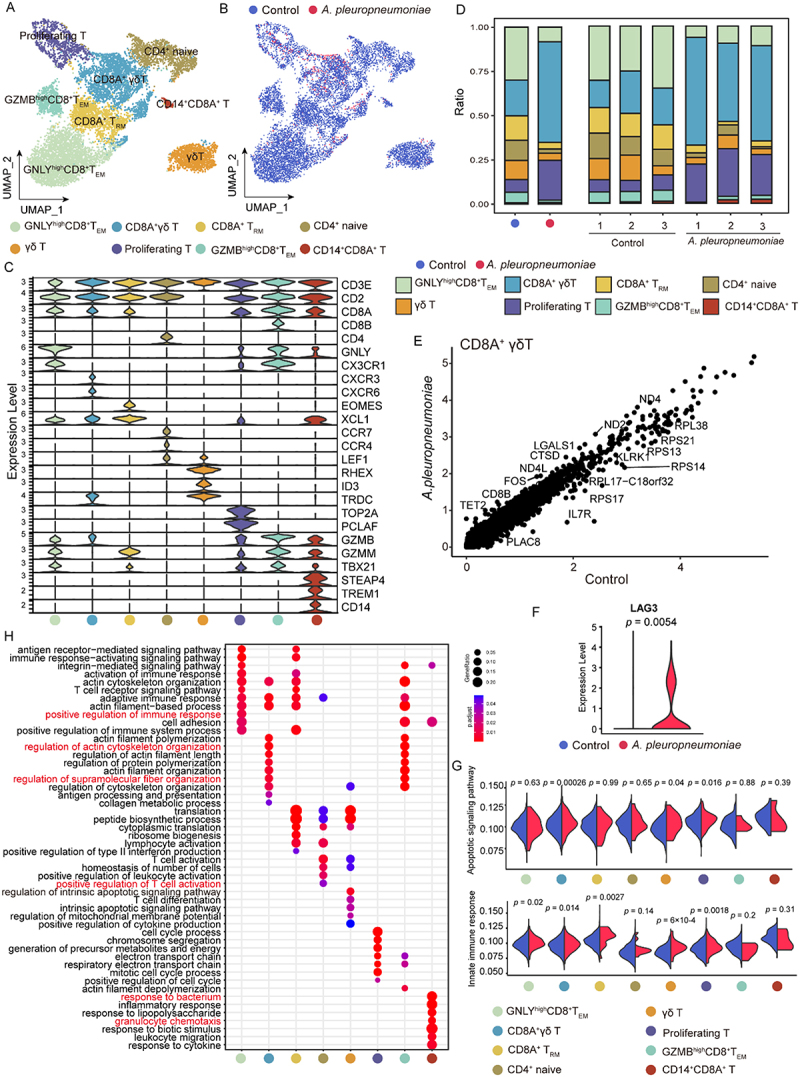 Figure 7
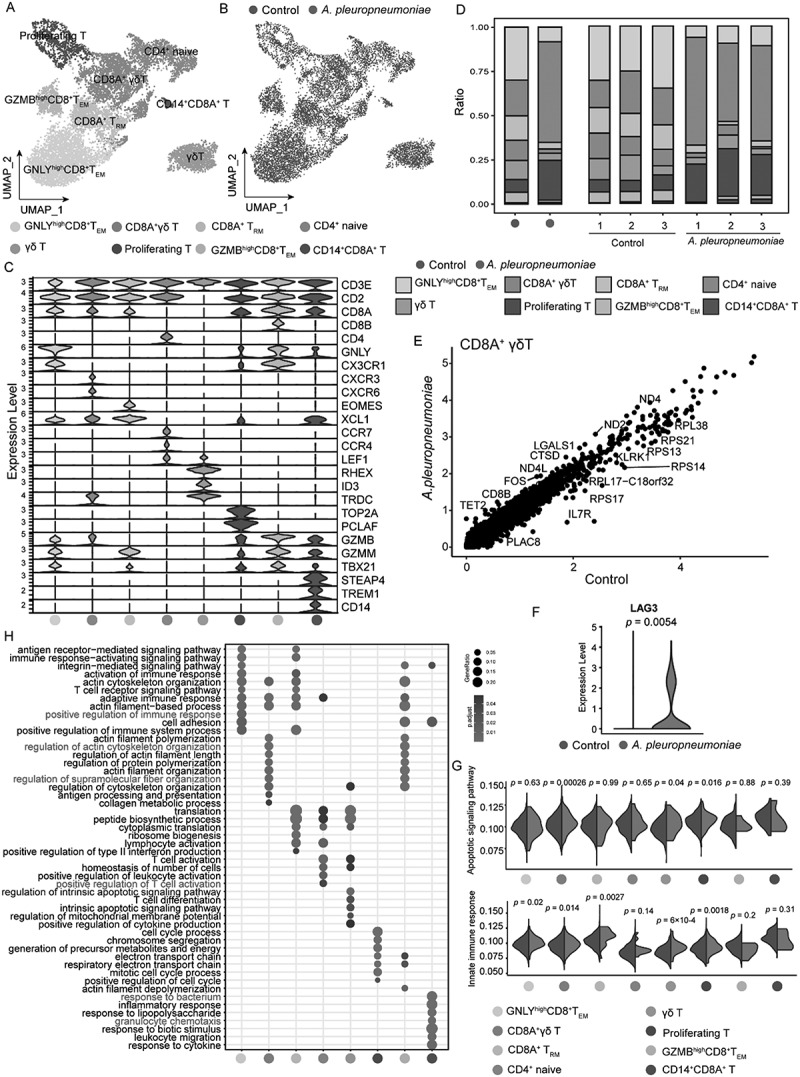 Figure 8
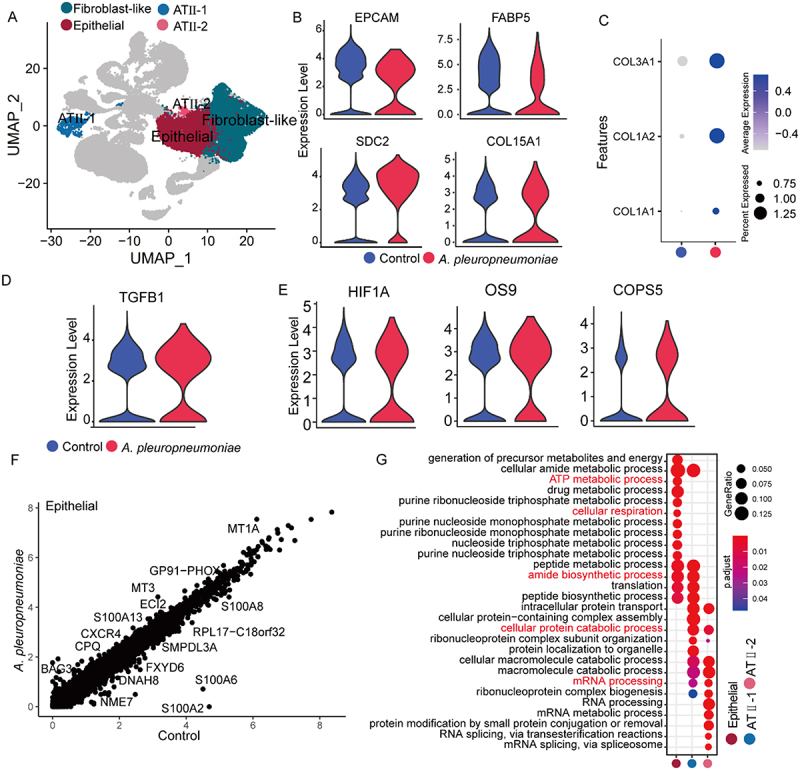 Figure 9
 Figure 10
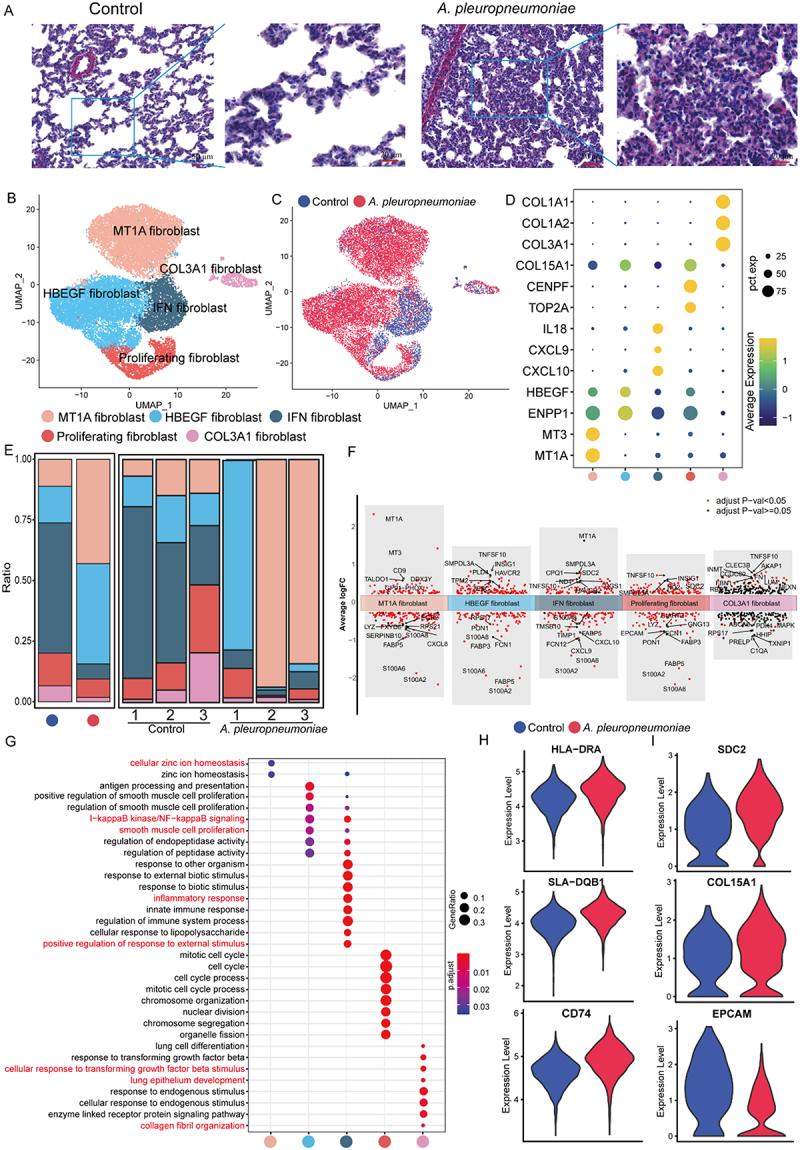 Figure 11
 Figure 12
 Figure 13
 Figure 14
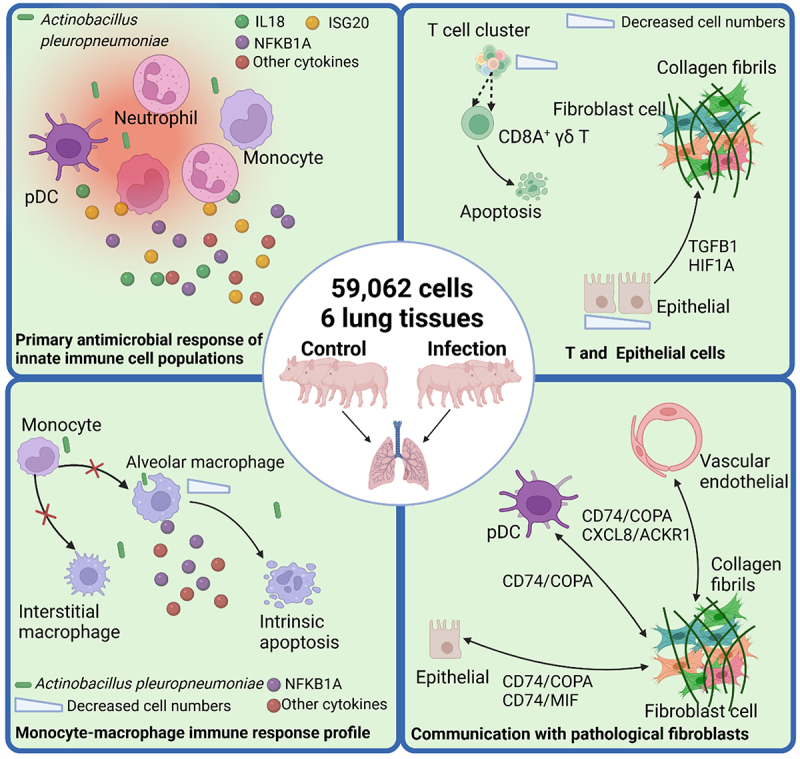 Figure 15
 Figure 16
Peer Reviews
No public reviews on file for this paper yet. If you reviewed it on a platform where reviews are public (OpenReview, ICLR, NeurIPS, ICML), you can paste yours below so the community can read it here.
Videos
No videos yet. Explain this paper in a talk, walkthrough, or lecture? Add one.
Taxonomy
TopicsMicrobial infections and disease research · Studies on Chitinases and Chitosanases · Sinusitis and nasal conditions