Mitigation of salinity stress in Sesbania through inter-cropping with halophyte Hedysarum scoparium in dry-land conditions
Ahmad Azeem, Mai Wenxuan

TL;DR
Growing Sesbania with the salt-tolerant plant Hedysarum scoparium helps reduce the harmful effects of salinity, improving growth and fodder yield in dry-land areas.
Contribution
This study demonstrates that inter-cropping with a halophyte mitigates salinity stress in Sesbania through physiological and biochemical improvements.
Findings
Inter-cropping with Hedysarum scoparium improved ionic balance and reduced stress-related metabolites in Sesbania under salinity.
Inter-cropped Sesbania showed higher chlorophyll content, better photosynthetic pigments, and increased growth traits under saline conditions.
Stress-responsive proteins and antioxidant enzymes were elevated in inter-cropped plants, reducing oxidative damage markers.
Abstract
Salinity severely limits fodder crop productivity in dry-land regions by inducing ionic imbalance, osmotic stress, oxidative damage, and metabolic dysfunction. This study evaluated the growth, physiological, and biochemical responses of Sesbania sesban (L.) Merr. under mono-cropping and inter-cropping systems with halophyte Hedysarum scoparium Fisch. et Mey. (HS). The crops were grown under both saline and fresh water irrigation. Inter-cropping with HS significantly alleviated salinity stress in Sesbania by improving ionic balance and reducing stress-related metabolite accumulation. Under saline conditions, inter-cropped Sesbania showed higher chlorophyll content, enhanced photosynthetic pigments (chlorophyll a, chlorophyll b, carotenoids, and chlorophyll a/b ratio), and improved growth traits, including plant height, biomass per plant, and total fodder yield, compared with mono-cropped…
Genes, proteins, chemicals, diseases, species, mutations and cell lines named across the full text — each resolved to its canonical identifier and authoritative record.
Click any figure to enlarge with its caption.
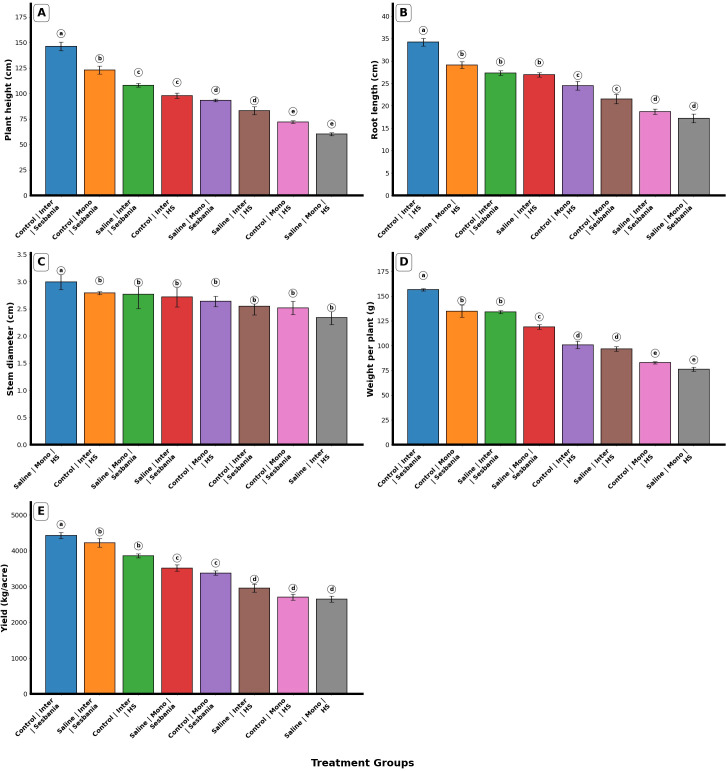 Figure 1
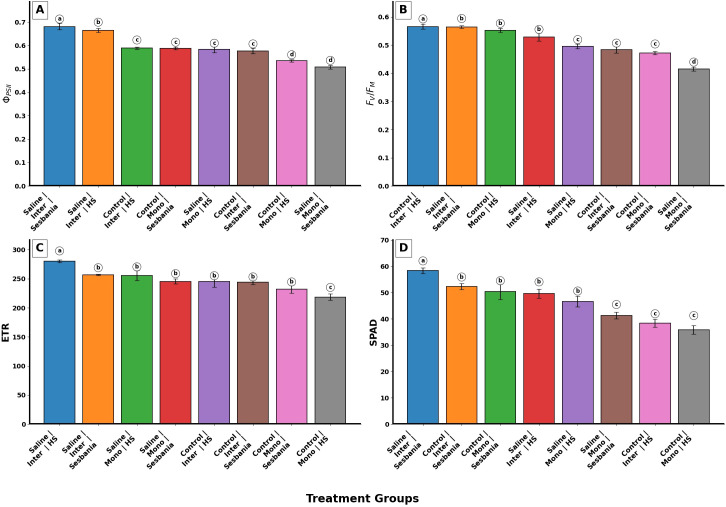 Figure 2
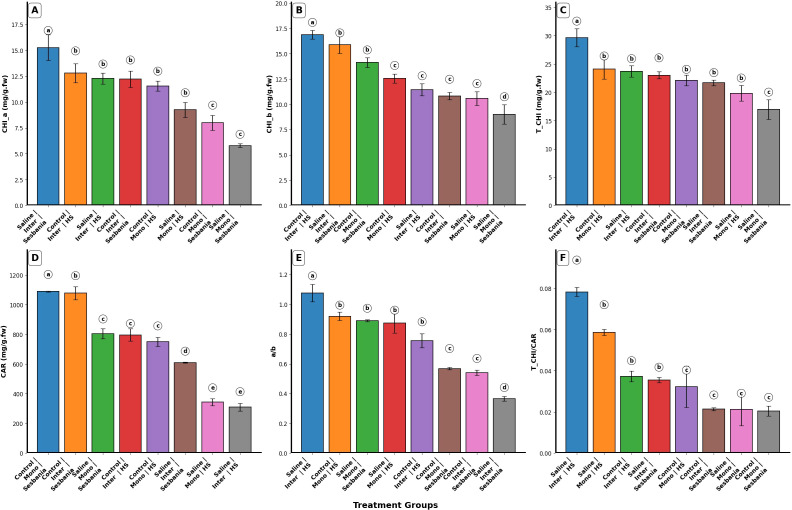 Figure 3
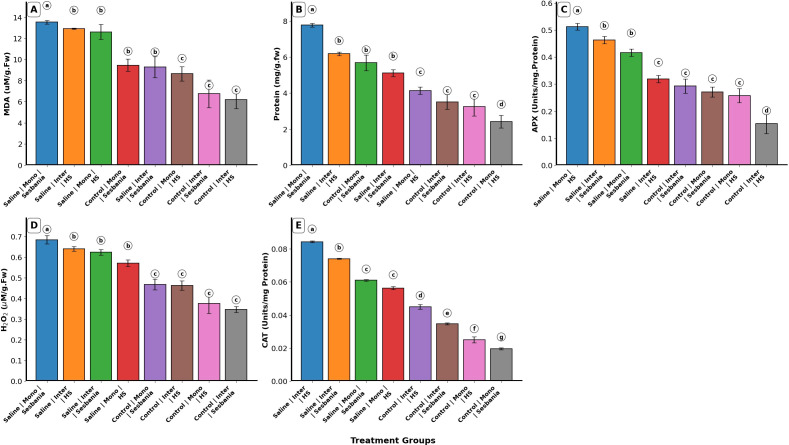 Figure 4
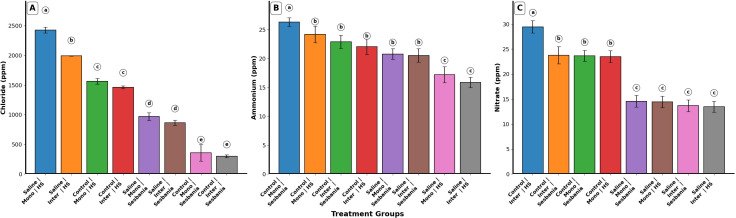 Figure 5
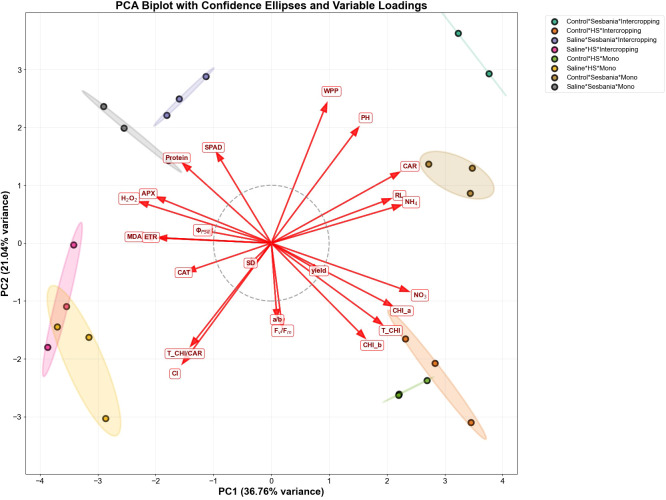 Figure 6
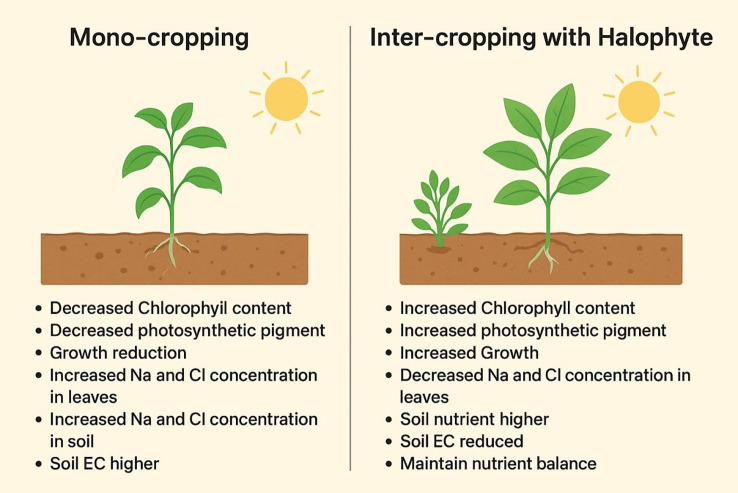 Figure 7
Peer Reviews
No public reviews on file for this paper yet. If you reviewed it on a platform where reviews are public (OpenReview, ICLR, NeurIPS, ICML), you can paste yours below so the community can read it here.
Videos
No videos yet. Explain this paper in a talk, walkthrough, or lecture? Add one.
Taxonomy
TopicsPlant Stress Responses and Tolerance · Plant Growth Enhancement Techniques · Plant responses to water stress