Harnessing Clinical and Biochemical Data for Personalized Cardiovascular Risk Prediction: a Machine Learning Approach Toward Precision Nutrition
Joyeta Ghosh, Tinni Chaudhuri, Jose Arturo Molina Mora, Jyoti Taneja, Ravi Kant

TL;DR
This study uses machine learning to predict cardiovascular disease risk in rural elderly women in India, identifying key health indicators and showing high accuracy with models like Random Forest and XGBoost.
Contribution
The novel use of interpretable machine learning models to predict CVD risk in rural postmenopausal women using clinical and biochemical data.
Findings
Random Forest and XGBoost models achieved high accuracy (98.91%) and AUC (0.998) in predicting CVD risk.
Waist circumference, blood pressure, and fasting glucose were identified as the strongest predictors of elevated CVD risk.
The study demonstrates the feasibility of AI-driven tools for low-cost, early CVD risk detection in resource-limited settings.
Abstract
Cardiovascular disease (CVD) is a leading cause of morbidity and mortality among postmenopausal women in rural India, where healthcare resources remain limited. This study aimed to leverage artificial intelligence (AI) and machine learning (ML) approaches to predict CVD risk in rural elderly women, identify key clinical predictors, and assess model performance using interpretable AI tools. This observational cross-sectional study was conducted in Singur Block (West Bengal) and Amdanga Block (North 24 Parganas District) between March 2014 and August 2018. Data from 458 rural postmenopausal women were analyzed. The outcome variable was the presence or absence of elevated cardiovascular disease risk, defined using composite International Diabetes Federation and American Heart Association criteria. Predictors included waist circumference, blood pressure, fasting blood glucose, HDL…
Genes, proteins, chemicals, diseases, species, mutations and cell lines named across the full text — each resolved to its canonical identifier and authoritative record.
Click any figure to enlarge with its caption.
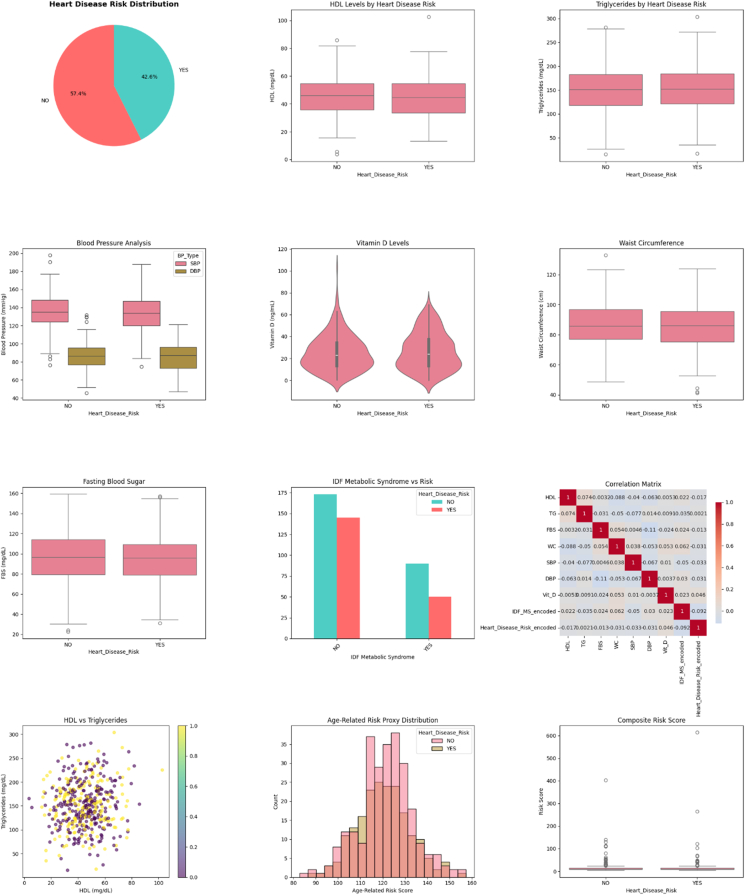 Figure 1
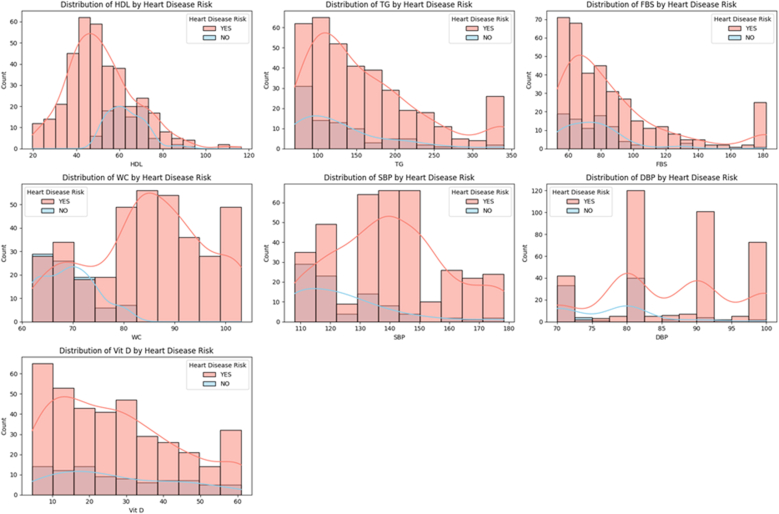 Figure 2
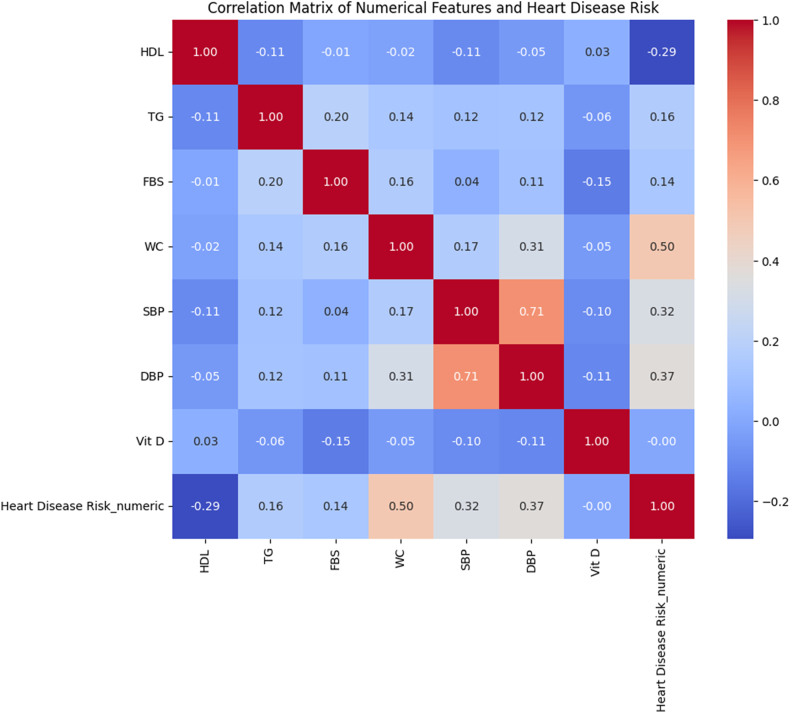 Figure 3
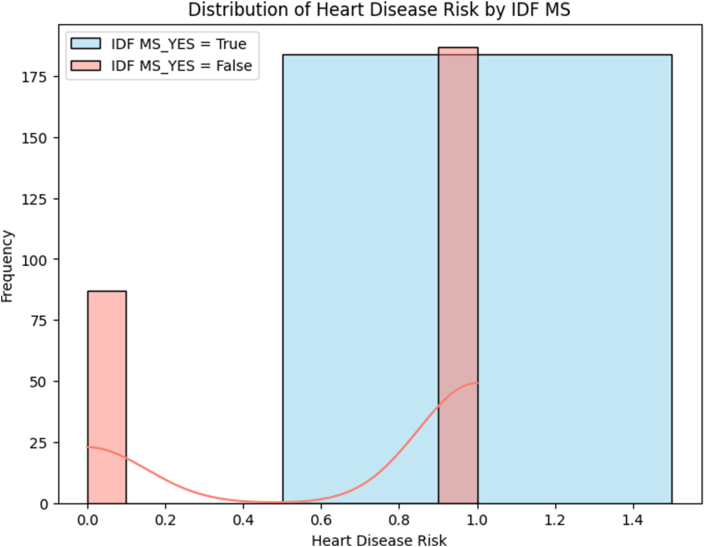 Figure 4
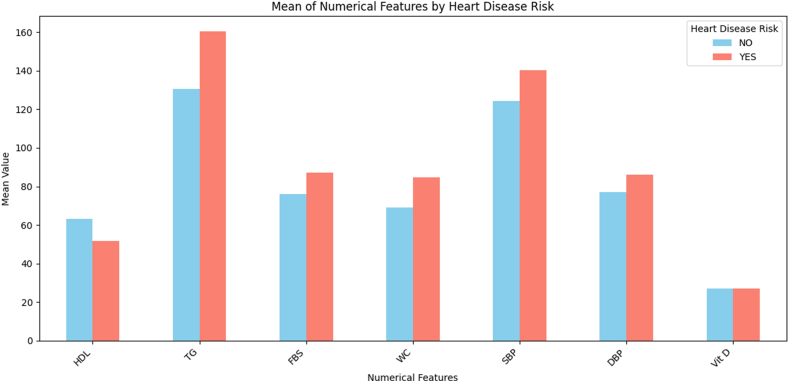 Figure 5
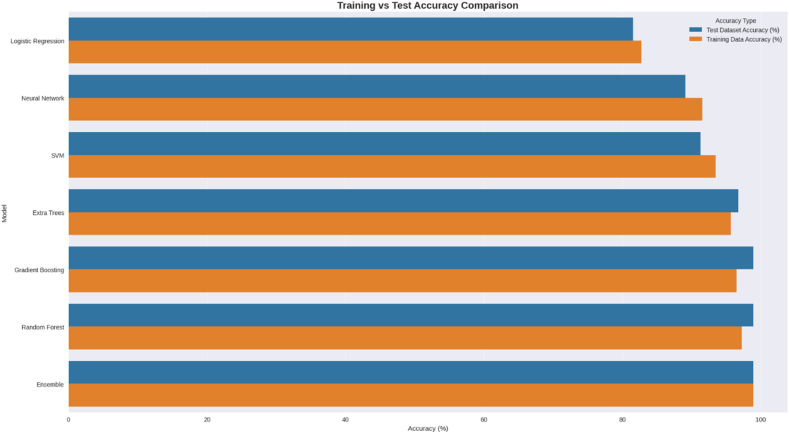 Figure 6
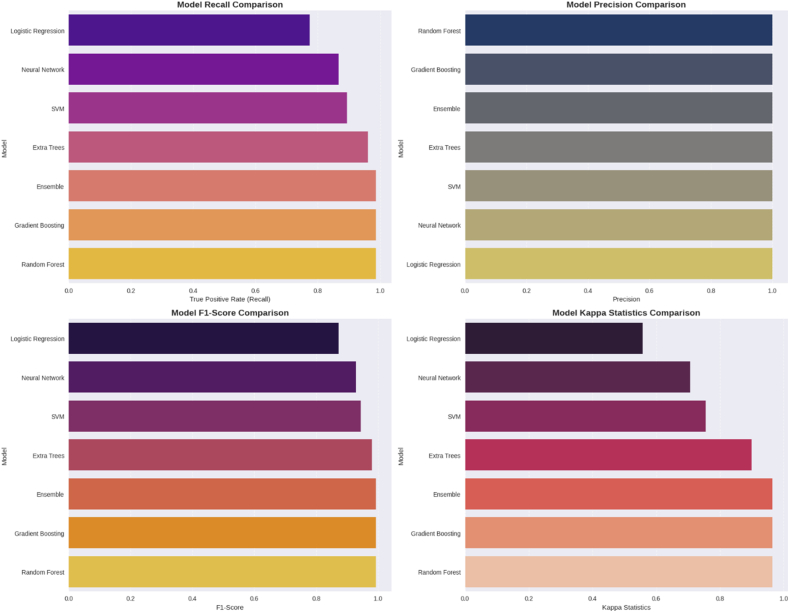 Figure 7
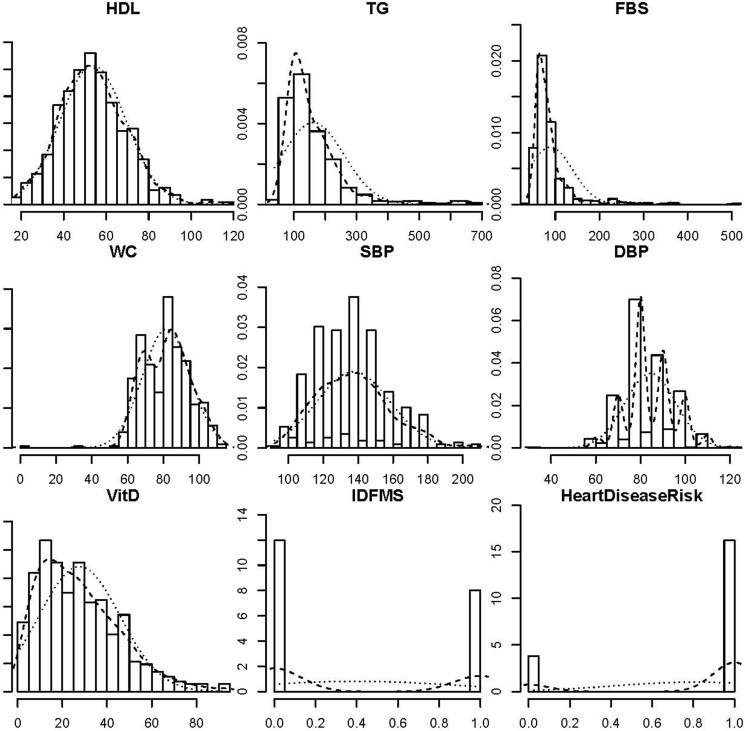 Figure 8
Peer Reviews
No public reviews on file for this paper yet. If you reviewed it on a platform where reviews are public (OpenReview, ICLR, NeurIPS, ICML), you can paste yours below so the community can read it here.
Videos
No videos yet. Explain this paper in a talk, walkthrough, or lecture? Add one.
Taxonomy
TopicsNutrition, Genetics, and Disease · Cardiovascular Health and Risk Factors · Artificial Intelligence in Healthcare