Effect of π-spacer moieties coupled to a porphyrin/PC70BM donor–acceptor for promising organic photovoltaic properties: a DFT study
Malik Muhammad Asif Iqbal, Fakhar Hussain, Hina Javeed, Talha Hassan, Riaz Hussain

TL;DR
This study designs porphyrin-based molecules for organic solar cells and finds that they have improved photovoltaic properties.
Contribution
The novelty lies in using π-spacer moieties with a porphyrin/PC70BM donor–acceptor system to enhance organic photovoltaic performance.
Findings
Designed molecules showed reduced band gaps (3.86–4.07 eV) compared to the reference (4.13 eV).
FF1 exhibited the best photovoltaic properties, including low reorganization energies and high absorption wavelengths.
Molecules displayed bathochromic shifts and intramolecular charge transfer, making them suitable for organic solar cells.
Abstract
The present study involved the design of porphyrin-based molecules (FF1–FF4) with a D1-π-D2-π-D1 configuration. This was accomplished by adding distinct π-spacers to a reference donor molecule. This research employs DFT and time-dependent DFT analyses at the CAM-B3LYP/6-31G(d,p) level to explore optoelectronic and photovoltaic characteristics. The designed molecules showed a decrease in the band gap, with values ranging from 3.86 to 4.07 eV, compared to R (4.13 eV). Furthermore, the molecules displayed bathochromic shifts in the visible region in the gas phase (419.13–435.58 nm) and in the chlorobenzene phase (442.41–457.89 nm) relative to R (410.82 and 436.41 nm, respectively). Moreover, evidence of intramolecular charge transfer (ICT) was obtained by employing DOS and TDM graphical maps. The presence of naphthalene groups at the terminus of the porphyrin core may facilitate charge…
Genes, proteins, chemicals, diseases, species, mutations and cell lines named across the full text — each resolved to its canonical identifier and authoritative record.
Click any figure to enlarge with its caption.
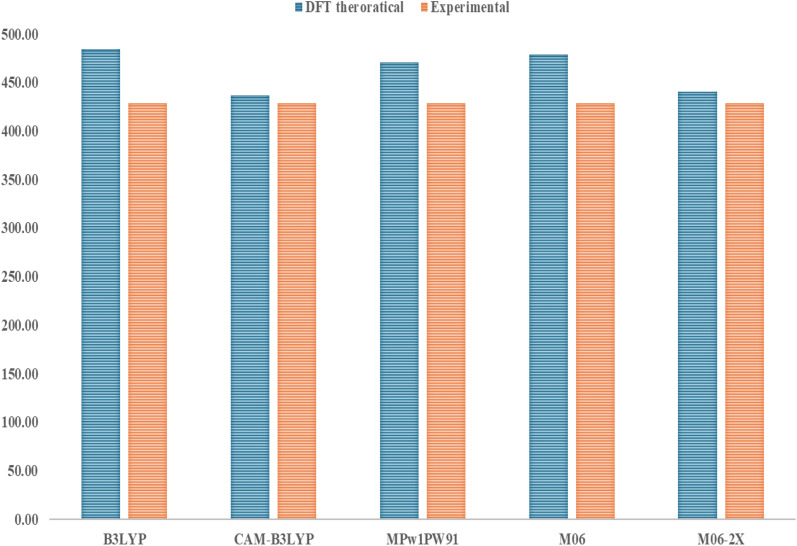 Figure 1
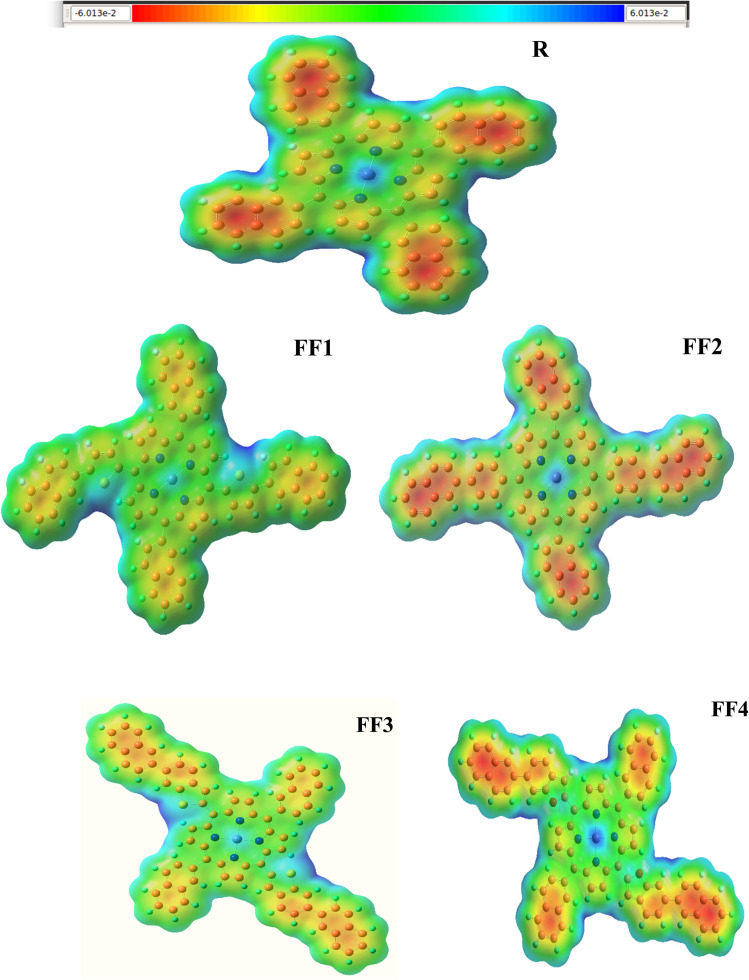 Figure 2
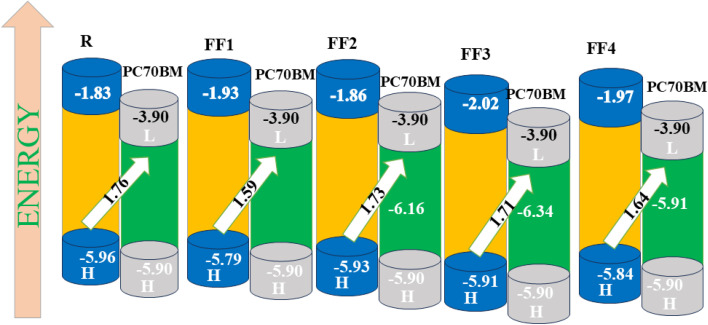 Figure 3
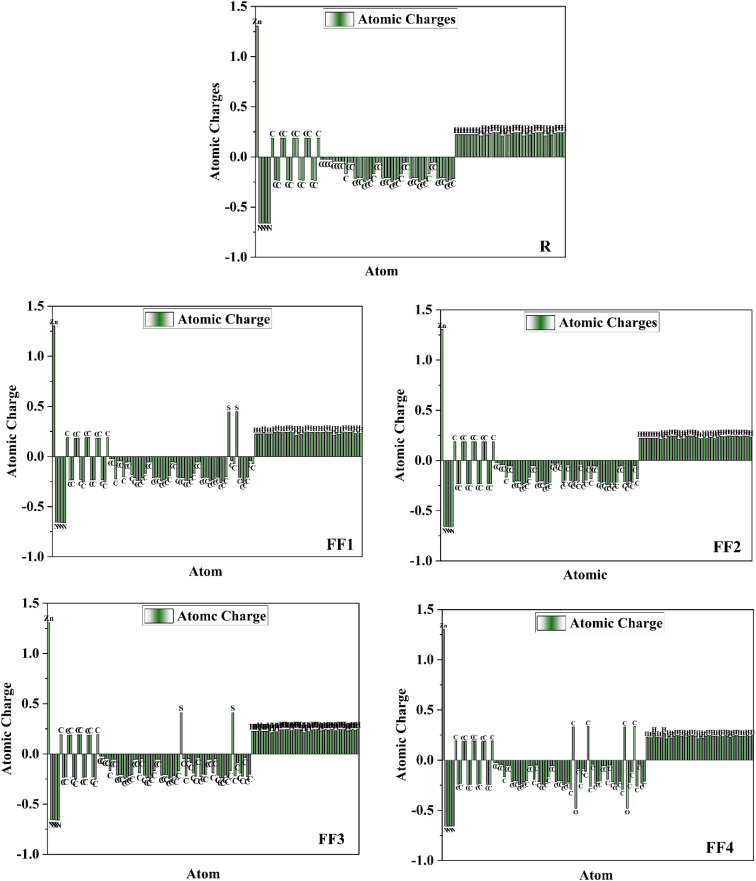 Figure 4
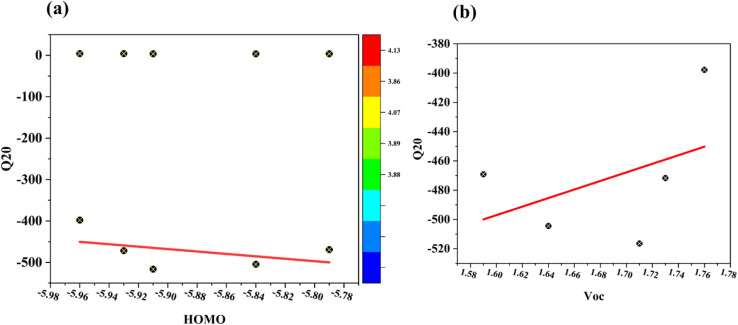 Figure 5
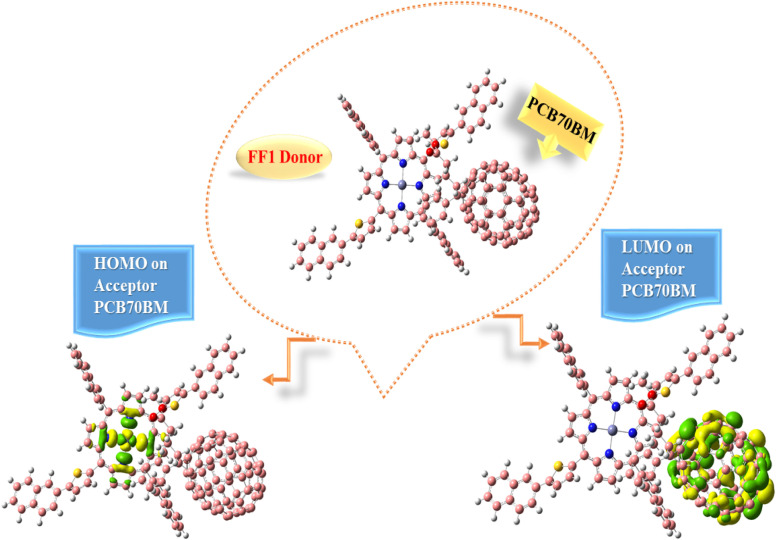 Figure 6
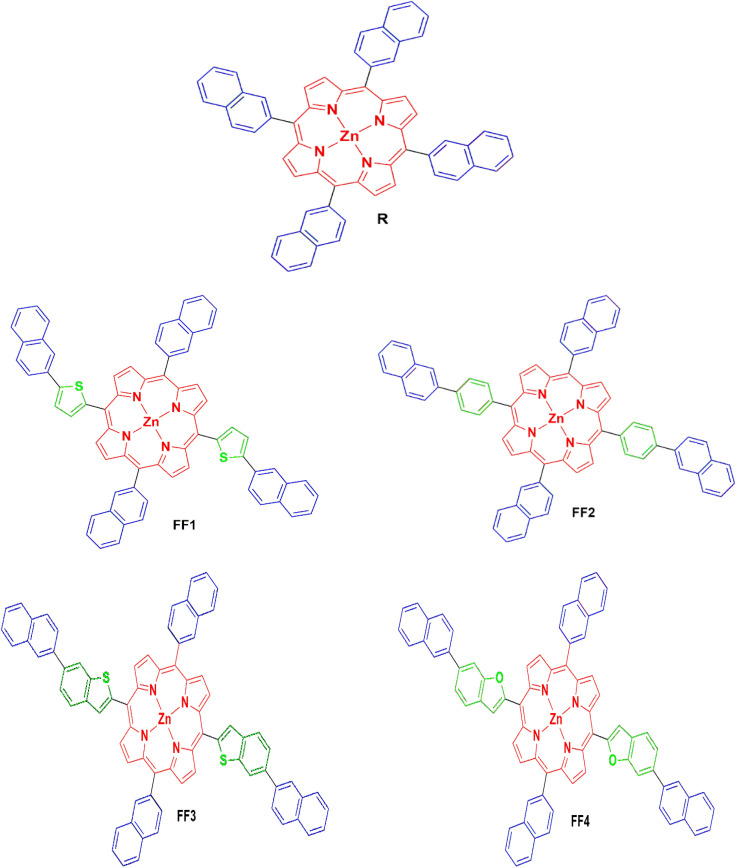 Figure 7
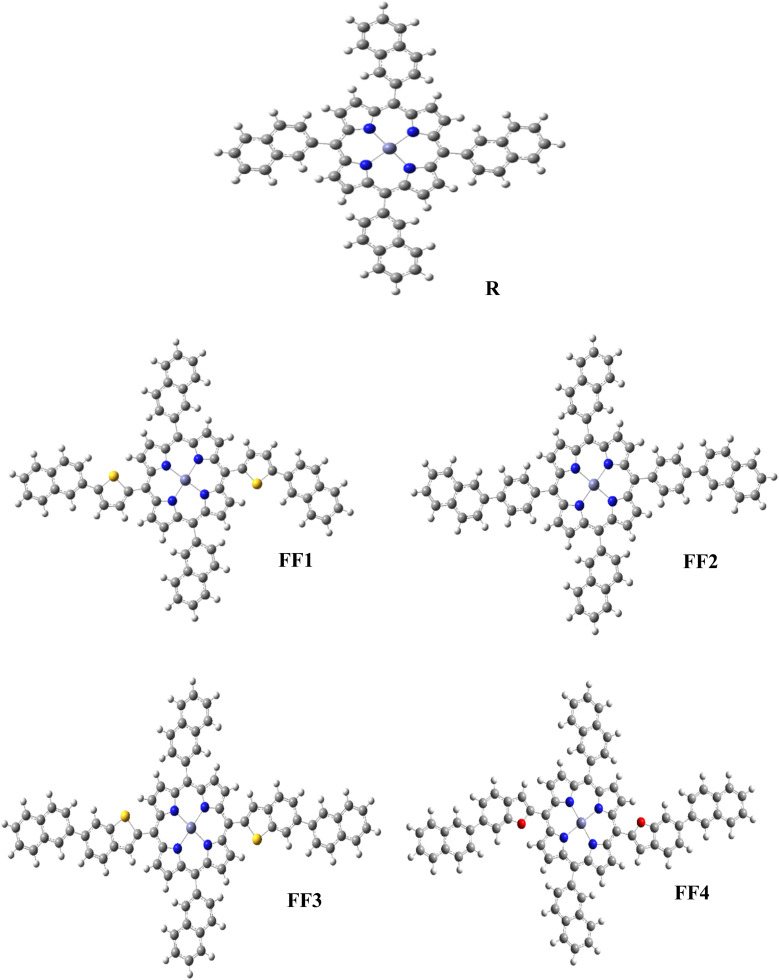 Figure 8
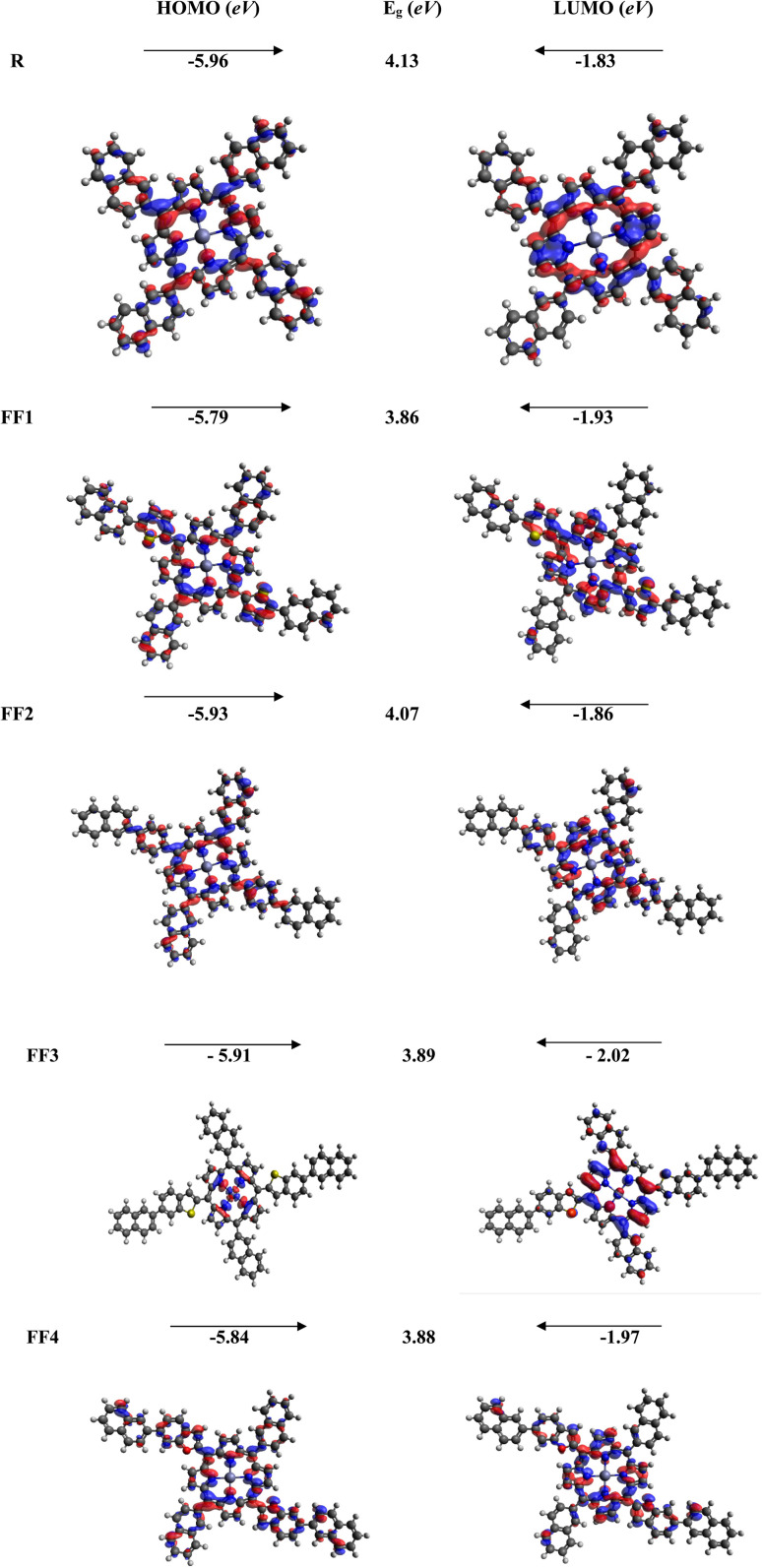 Figure 9
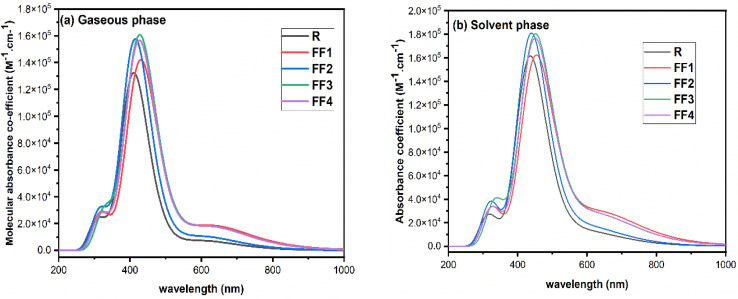 Figure 10
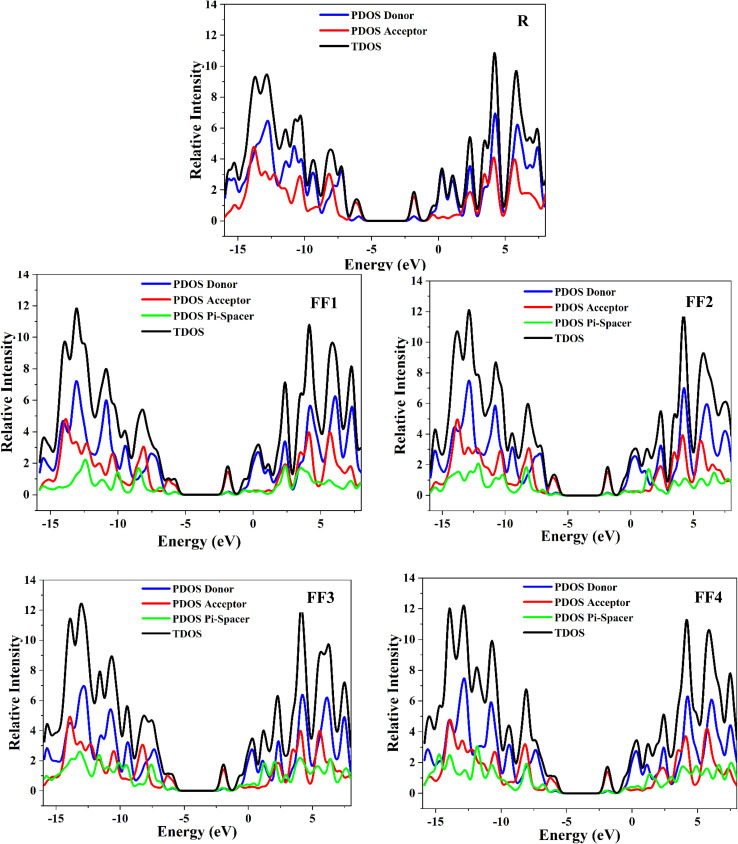 Figure 11
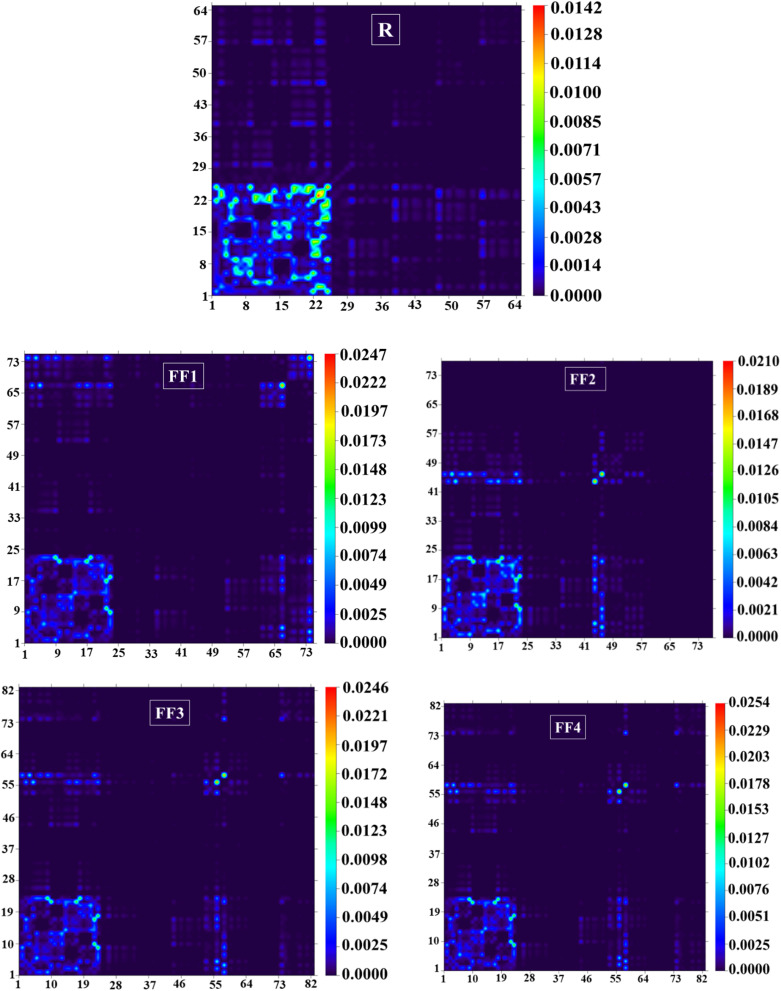 Figure 12
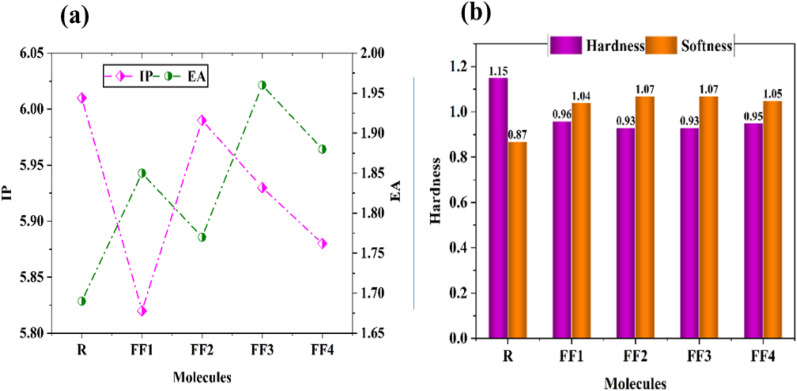 Figure 13
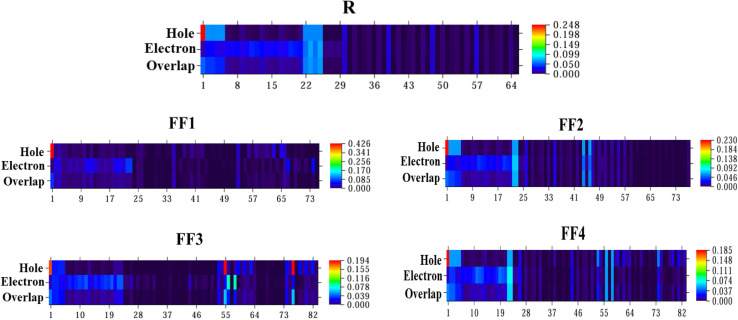 Figure 14
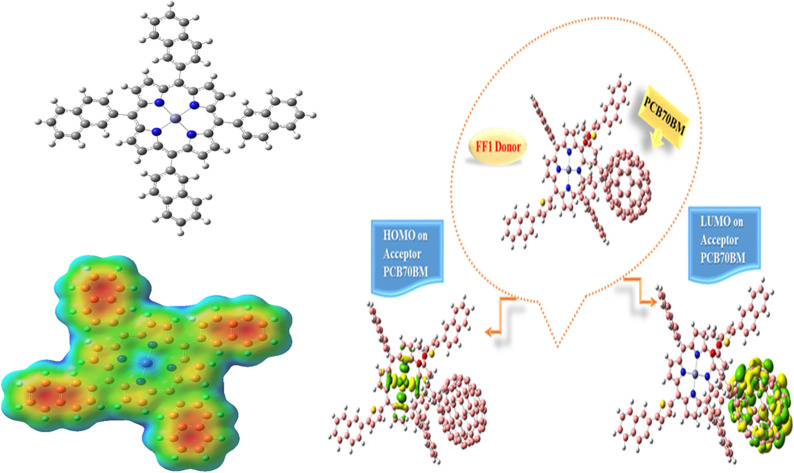 Figure 15
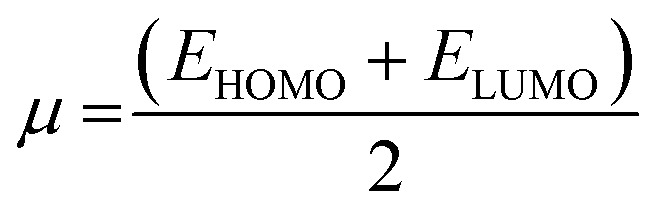 Figure 16
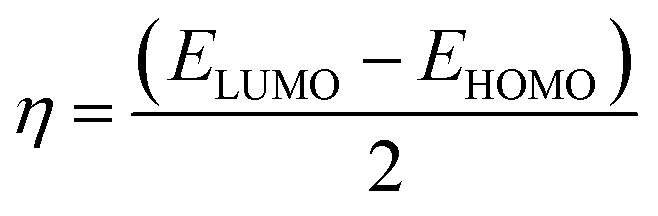 Figure 17
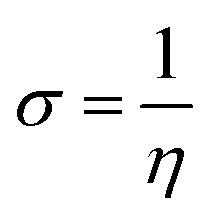 Figure 18
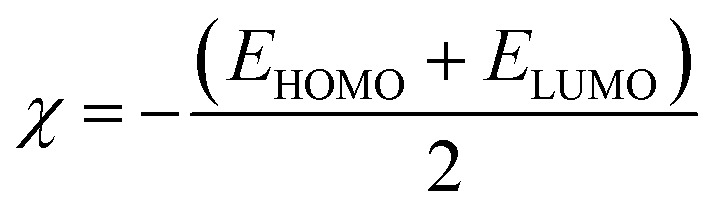 Figure 19
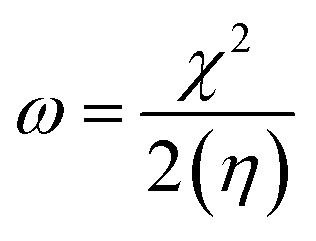 Figure 20
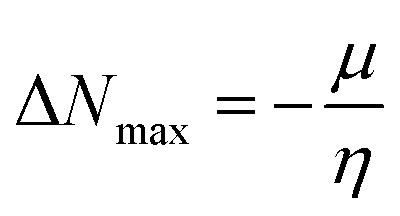 Figure 21
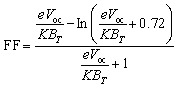 Figure 22
 Figure 23
Peer Reviews
No public reviews on file for this paper yet. If you reviewed it on a platform where reviews are public (OpenReview, ICLR, NeurIPS, ICML), you can paste yours below so the community can read it here.
Videos
No videos yet. Explain this paper in a talk, walkthrough, or lecture? Add one.
Taxonomy
TopicsPorphyrin and Phthalocyanine Chemistry · Synthesis and Properties of Aromatic Compounds · Covalent Organic Framework Applications