Biosurfactant-driven desorption and remediation of heavy oil contaminated soils underpinned by molecular simulations and microbial dynamics
Qi Xiu, Honglin He, Zhenghui Liu, Xuan Ou, Yifei Meng, Kangbo Zhao, Qian Yang, Xinrui Zhang, Yahan Hou, Shun Yao, Peike Gao, Wenjie Xia

TL;DR
This study explores how biosurfactants can help clean oil-contaminated soils by combining simulations and experiments.
Contribution
The study introduces a novel integration of molecular simulations and microbial analysis to optimize biosurfactant-based soil remediation.
Findings
Montmorillonite showed the highest oil adsorption capacity in both simulations and experiments.
Sophorolipid was the most effective biosurfactant for oil desorption from mineral substrates and contaminated soil.
Biosurfactant use increased the abundance of oil-degrading bacteria, enhancing bioremediation.
Abstract
This study integrates molecular dynamics simulations and bench-scale experiments to investigate the adsorption and desorption behaviors of heavy oil on five mineral substrates: SiO2, kaolinite, muscovite, and Ca2+-/Na+-montmorillonite. Adsorption followed Langmuir isotherms, with montmorillonite exhibiting the highest capacities (0.061–0.062 molecules per Å2 for aromatics in simulations; 0.086–0.091 g g−1 in bench-scale tests) and SiO2 the lowest (0.027 pcs per Å2; 0.013 g g−1). Among four biosurfactants evaluated—rhamnolipid, sophorolipid, trehalose lipid, and mannosylerythritol lipid–sophorolipid consistently achieved the greatest desorption efficiency, removing up to 99.63% of adsorbed oil from Na+-montmorillonite and 96.04% from field-contaminated soil. 16S rRNA and metagenomic sequencing revealed an increased abundance of hydrocarbon-degrading bacteria within the soil microbial…
Genes, proteins, chemicals, diseases, species, mutations and cell lines named across the full text — each resolved to its canonical identifier and authoritative record.
Click any figure to enlarge with its caption.
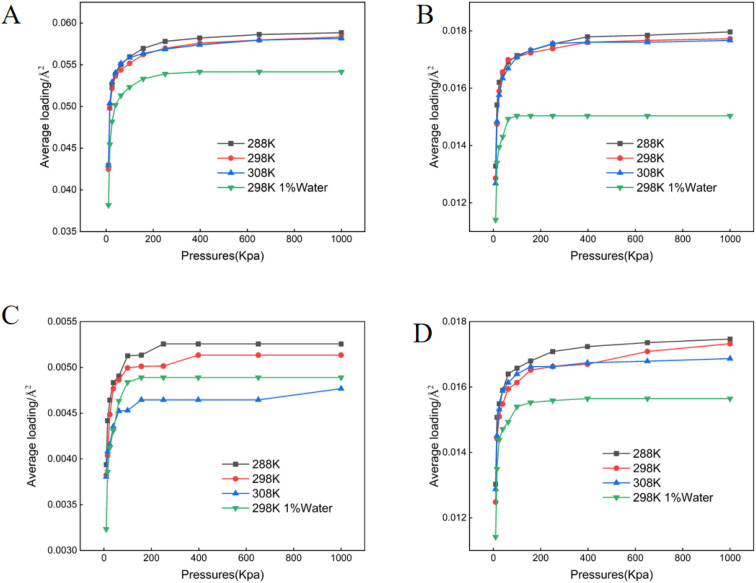 Figure 1
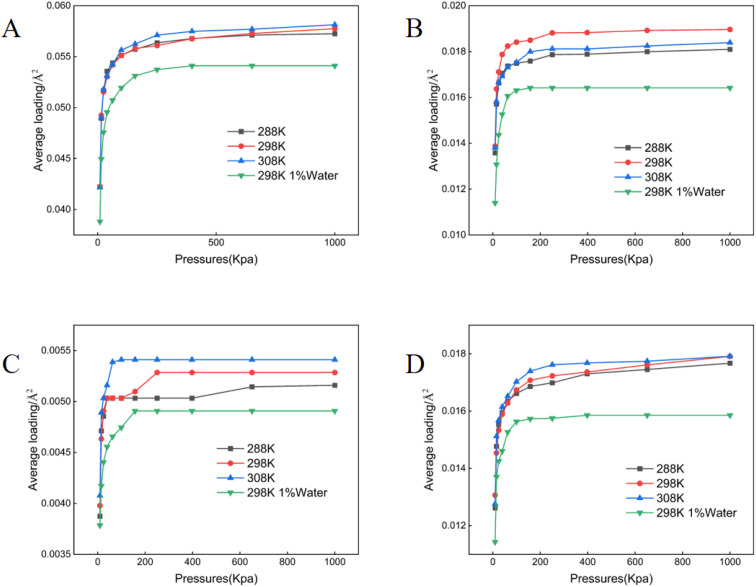 Figure 2
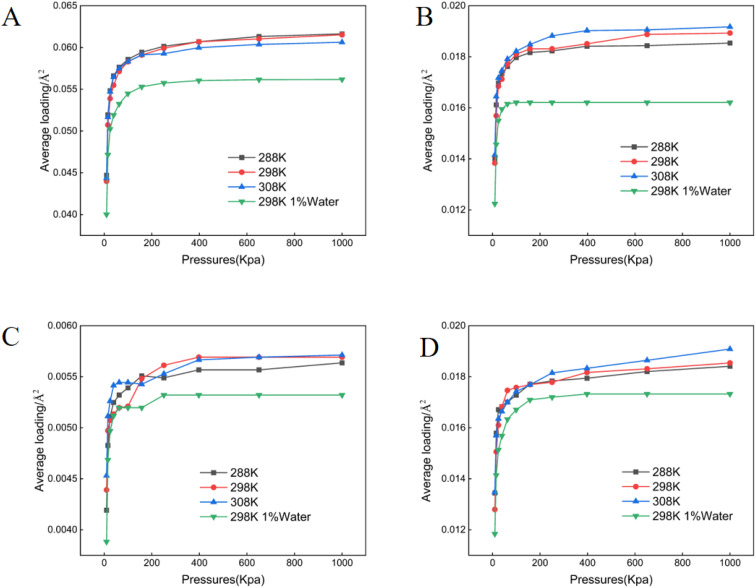 Figure 3
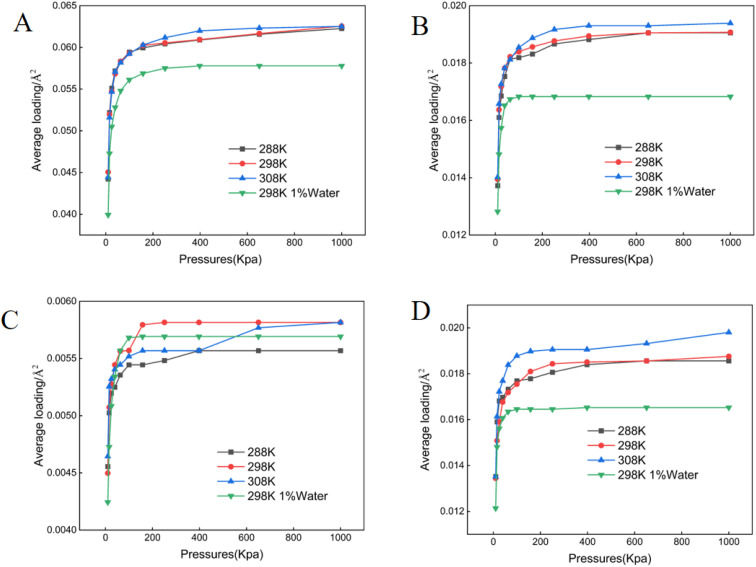 Figure 4
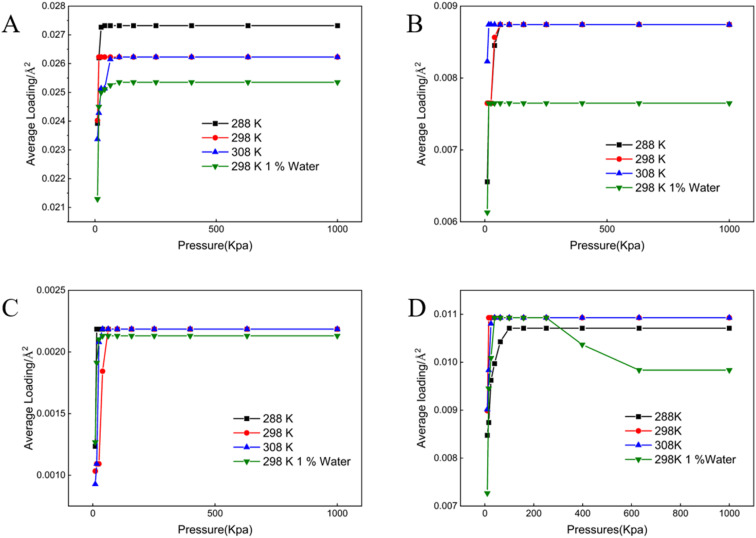 Figure 5
 Figure 6
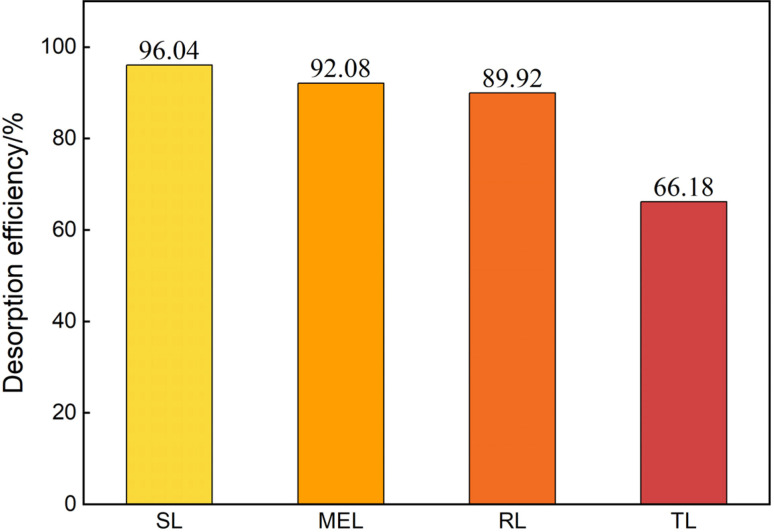 Figure 7
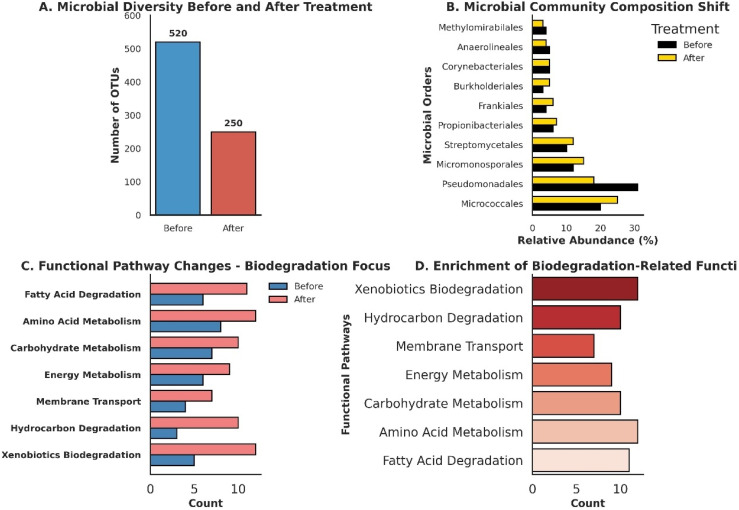 Figure 8
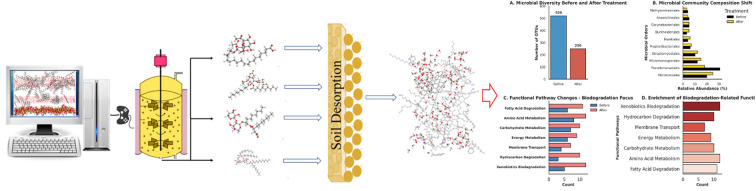 Figure 9
 Figure 10
Peer Reviews
No public reviews on file for this paper yet. If you reviewed it on a platform where reviews are public (OpenReview, ICLR, NeurIPS, ICML), you can paste yours below so the community can read it here.
Videos
No videos yet. Explain this paper in a talk, walkthrough, or lecture? Add one.
Taxonomy
TopicsMicrobial bioremediation and biosurfactants · Groundwater flow and contamination studies · Enhanced Oil Recovery Techniques