Automated Force Field Developer and Optimizer Platform: Torsion Reparameterization
Alejandro Blanco-Gonzalez, William Betancourt, Ryan Michael Snyder, Shi Zhang, Timothy J. Giese, Zeke A. Piskulich, Andreas W. Götz, Kenneth M. Merz, Darrin M. York, Hasan Metin Aktulga, Madushanka Manathunga

TL;DR
This paper introduces a new tool called AFFDO that improves the accuracy of molecular simulations by optimizing torsion parameters for drug-like molecules.
Contribution
The novel AFFDO platform automates torsion parameter reparameterization using GPU-accelerated DFT and gradient-based optimization.
Findings
AFFDO significantly improves GAFF2 torsion parameters against quantum mechanical reference data.
Optimized parameters lead to better agreement with experimental relative binding free energy values.
The platform enables efficient and accurate drug-like molecule simulations.
Abstract
General force fields such as General Amber Force Field (GAFF) have been designed for broad applicability and are widely used in protein–ligand binding simulations in structure-based drug discovery. However, the force field parameters are not always transferable across ligand molecules, and custom reparameterization is sometimes necessary for accurate binding free energy simulations. This is especially true for torsion parameters, which are highly dependent on stereoelectronic and steric effects. Here, we report a novel, flexible, and user-friendly computational tool called the Automated Force Field Developer and Optimizer (AFFDO) platform that allows generating accurate, tailored GAFF2 torsion parameters for drug-like molecules. For a given ligand, AFFDO selects the most important torsions, carries out GPU-accelerated density functional theory calculations to collect reference data and…
Genes, proteins, chemicals, diseases, species, mutations and cell lines named across the full text — each resolved to its canonical identifier and authoritative record.
Click any figure to enlarge with its caption.
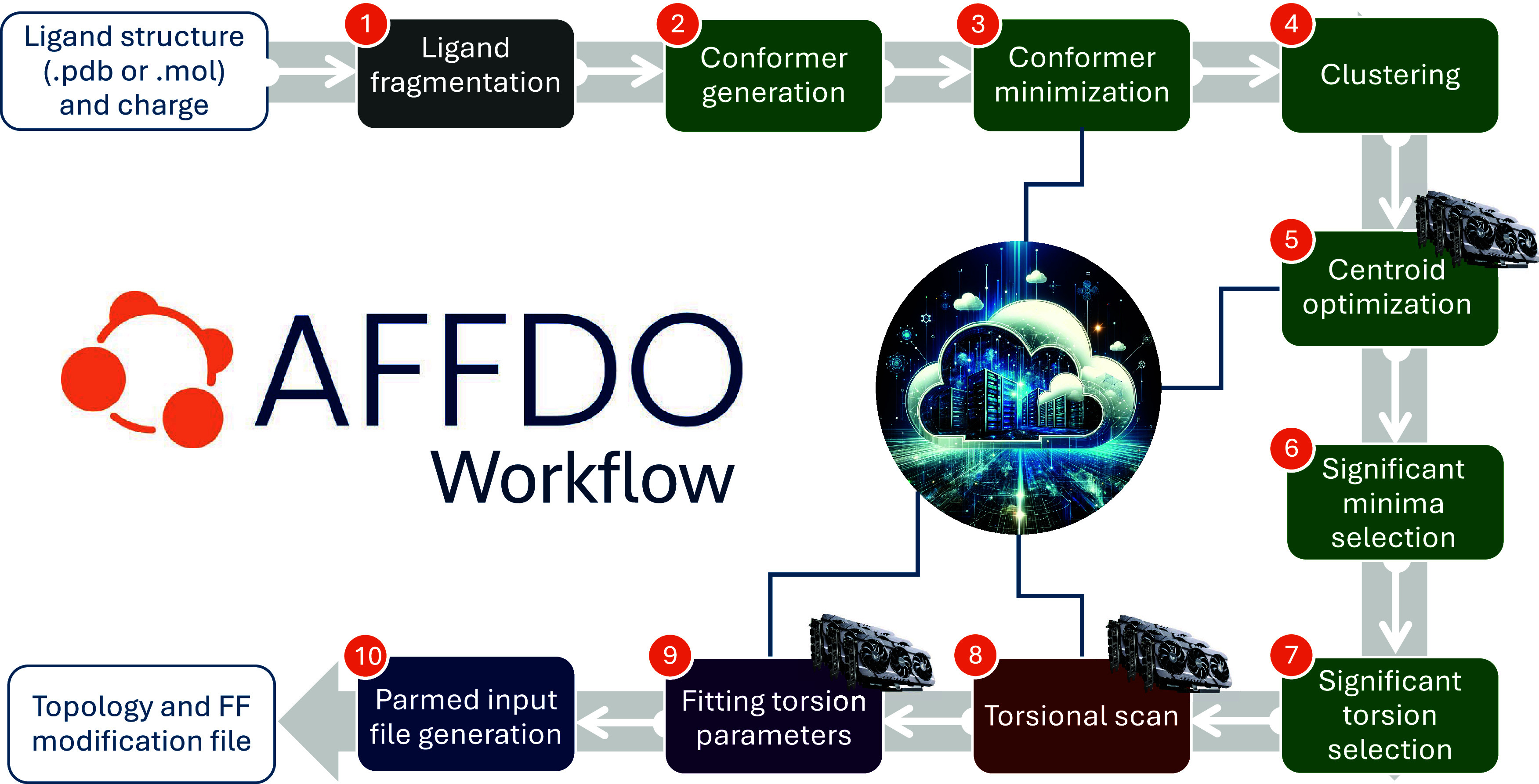 Figure 1
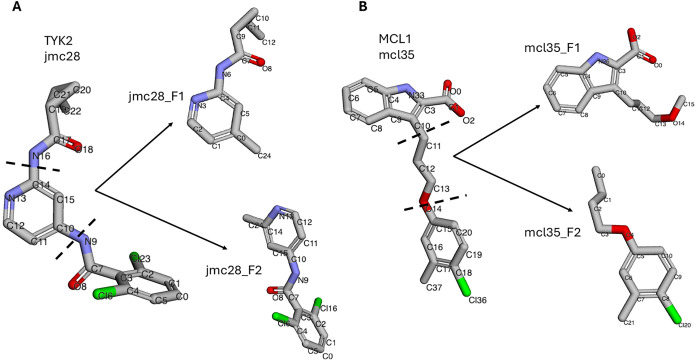 Figure 2
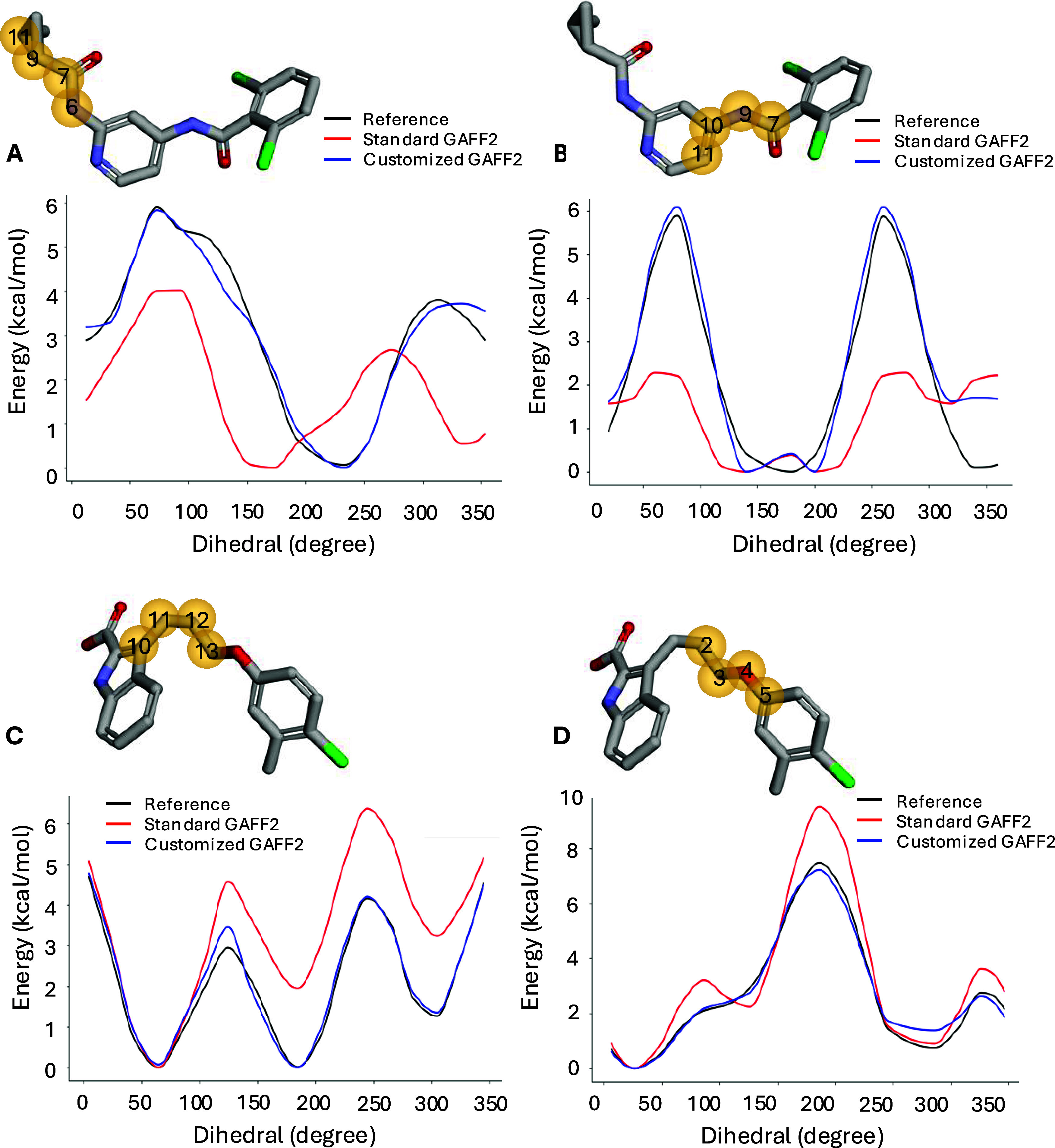 Figure 3
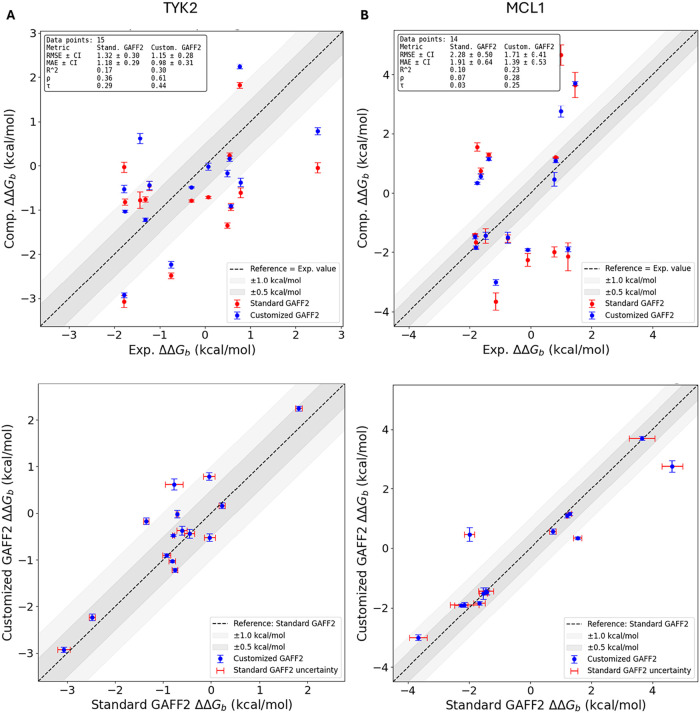 Figure 4
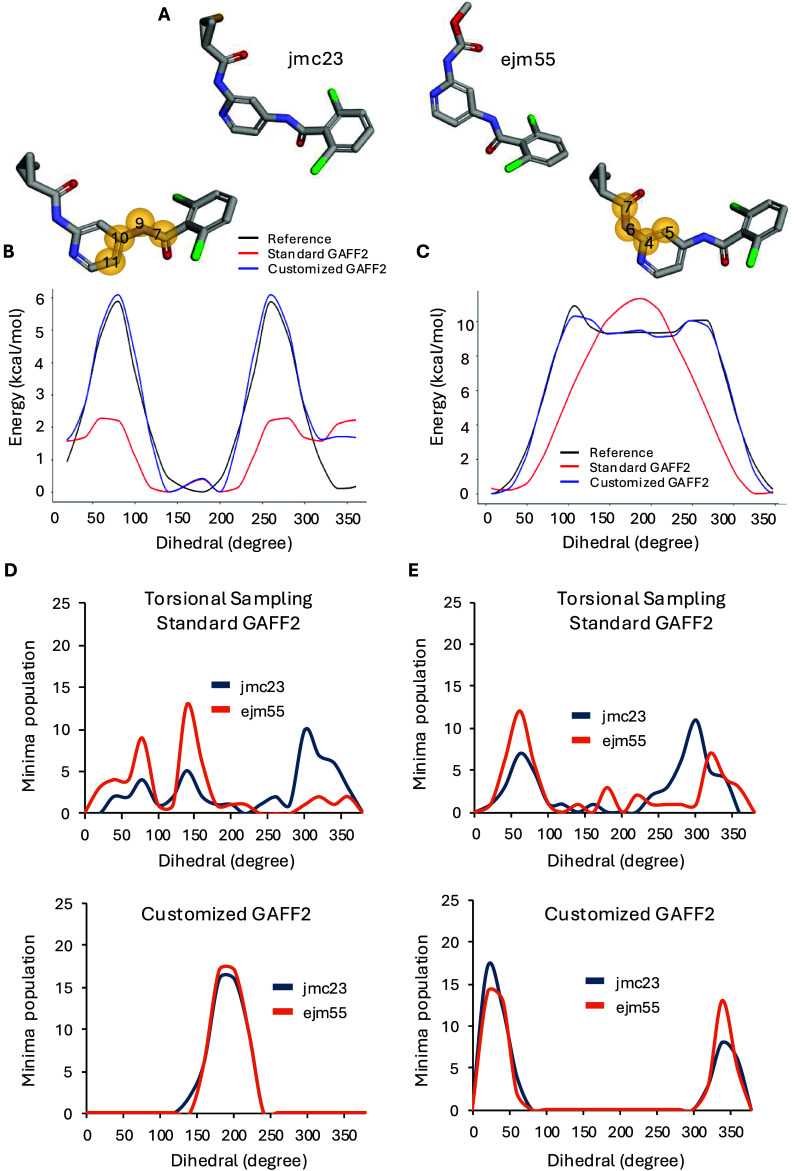 Figure 5
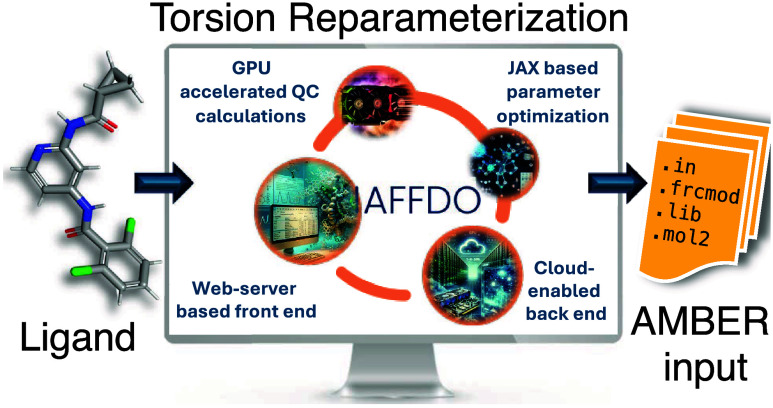 Figure 6
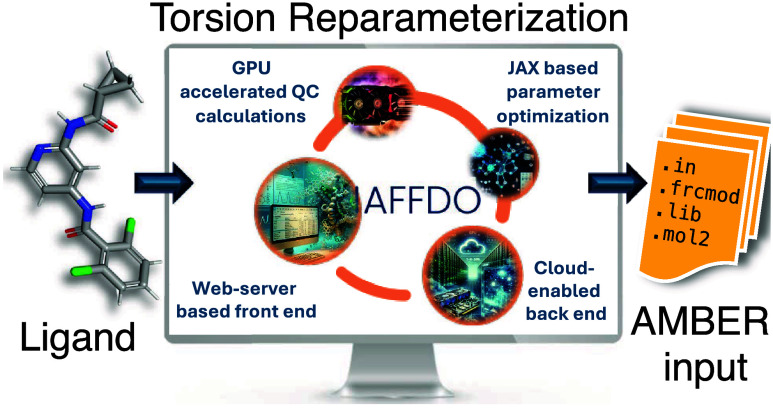 Figure 7
 Figure 8
 Figure 9
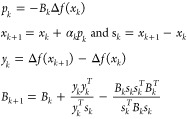 Figure 10
Peer Reviews
No public reviews on file for this paper yet. If you reviewed it on a platform where reviews are public (OpenReview, ICLR, NeurIPS, ICML), you can paste yours below so the community can read it here.
Videos
No videos yet. Explain this paper in a talk, walkthrough, or lecture? Add one.
Taxonomy
TopicsProtein Structure and Dynamics · Computational Drug Discovery Methods · Advanced Physical and Chemical Molecular Interactions