Integrating Multiview Information for Enhanced Deep Learning-Based Acute Dermal Toxicity Prediction
Wei Lin, Chi Chung Alan Fung

TL;DR
This paper introduces MVIToxNet, a deep learning model that improves acute dermal toxicity prediction by integrating multiview molecular data and using a weighted model averaging strategy.
Contribution
MVIToxNet is a novel model that integrates multiview features and uses weighted model averaging to enhance toxicity prediction.
Findings
MVIToxNet significantly outperforms existing baselines in acute dermal toxicity prediction.
The use of multiview features and weighted model averaging improves generalization on small and imbalanced datasets.
The proposed methods show potential for data-driven model design in toxicity prediction.
Abstract
Accurate prediction of acute dermal toxicity is vital for the safe and effective development of contact drugs. While numerous deep learning models have been created to replace costly and ethically challenging animal toxicity tests, most approaches overlook the multiview information on molecules. To overcome this limitation, we introduce a novel model named MVIToxNet, which integrates multiview features from both molecular fingerprints and SMILES sequences. To capture the multiview information on SMILES, MVIToxNet incorporates character-level and atom-level features. In addition, byte-pair encoding tokenization is utilized to capture substructural details within molecules, allowing the model to differentiate similar SMILES by assigning distinct tokens to different substructures. Since the data sets in this study are small and imbalanced, we argue that selecting a single model based…
Genes, proteins, chemicals, diseases, species, mutations and cell lines named across the full text — each resolved to its canonical identifier and authoritative record.
Click any figure to enlarge with its caption.
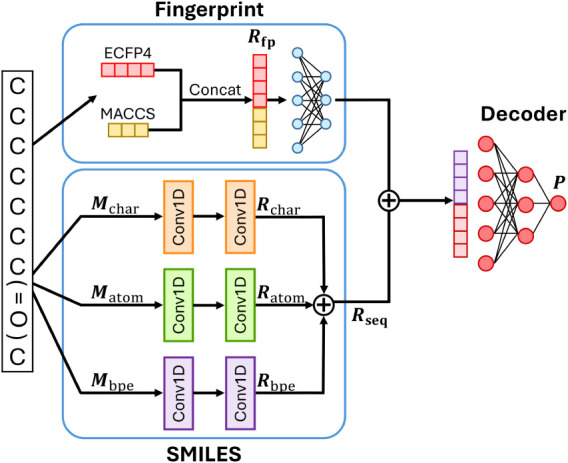 Figure 1
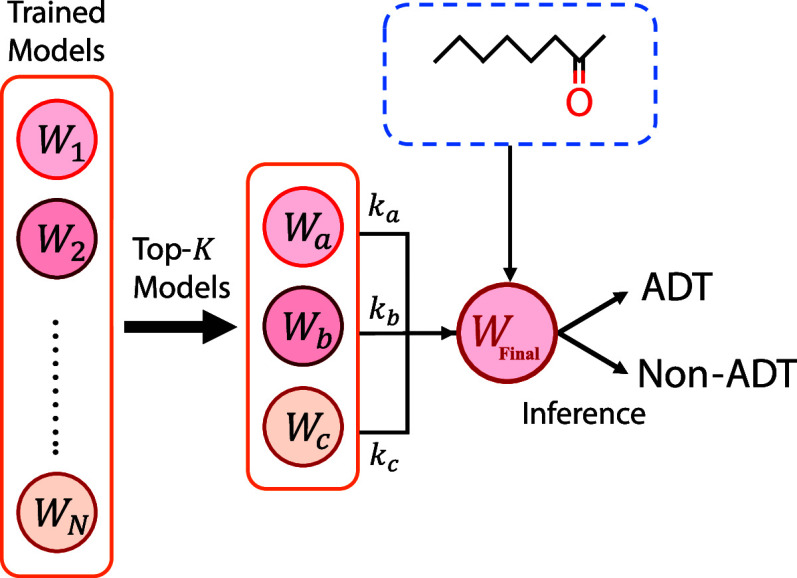 Figure 2
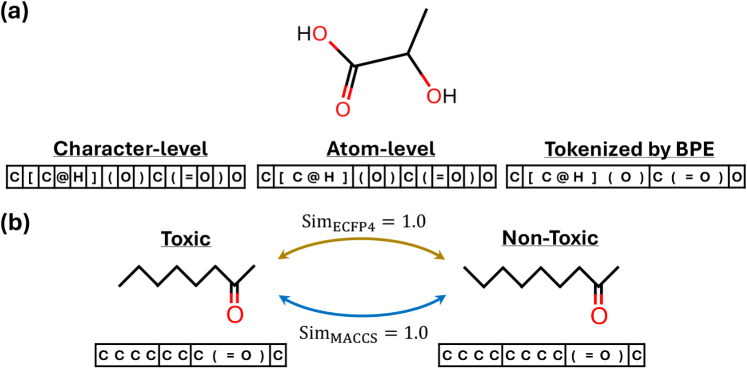 Figure 3
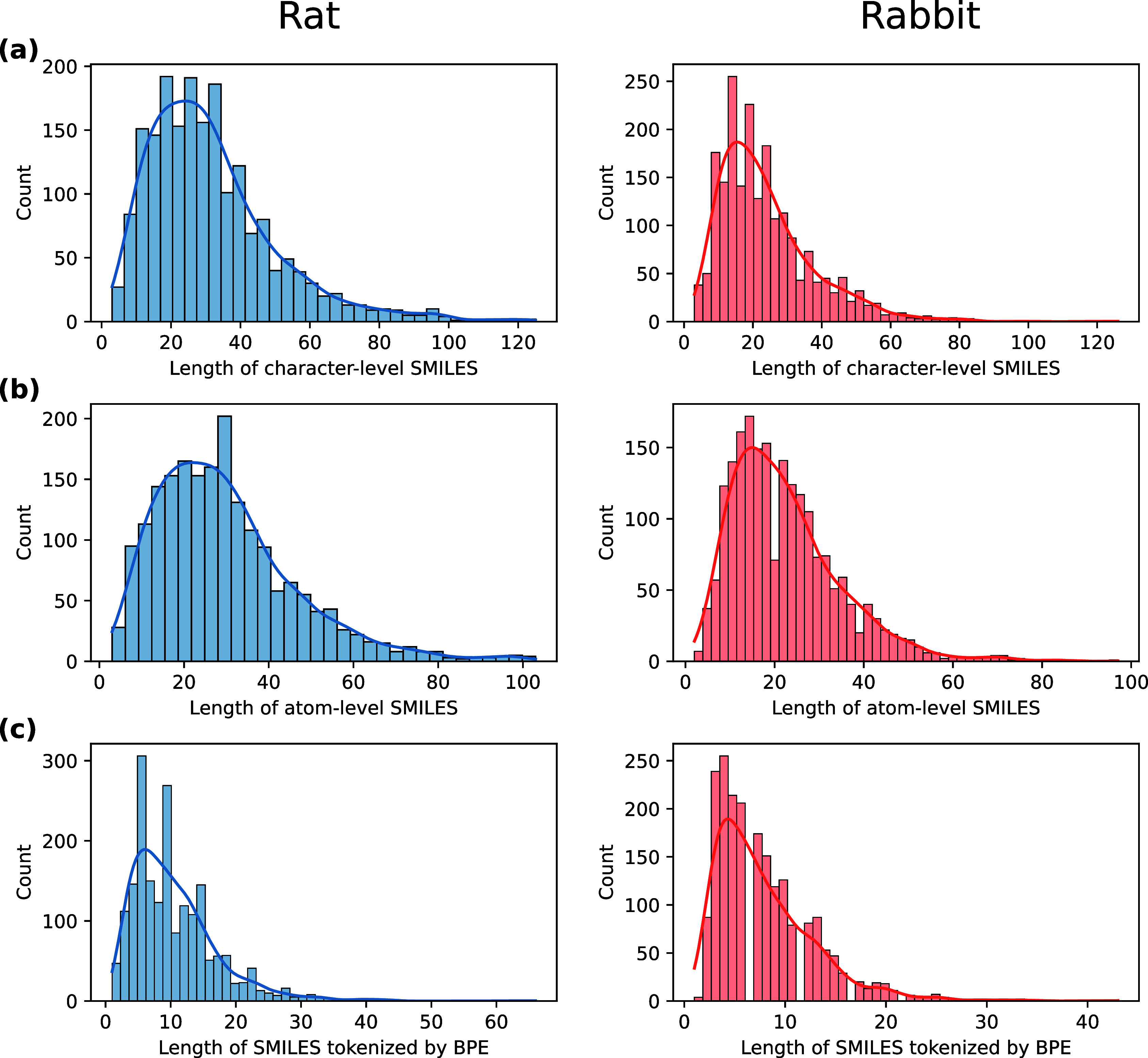 Figure 4
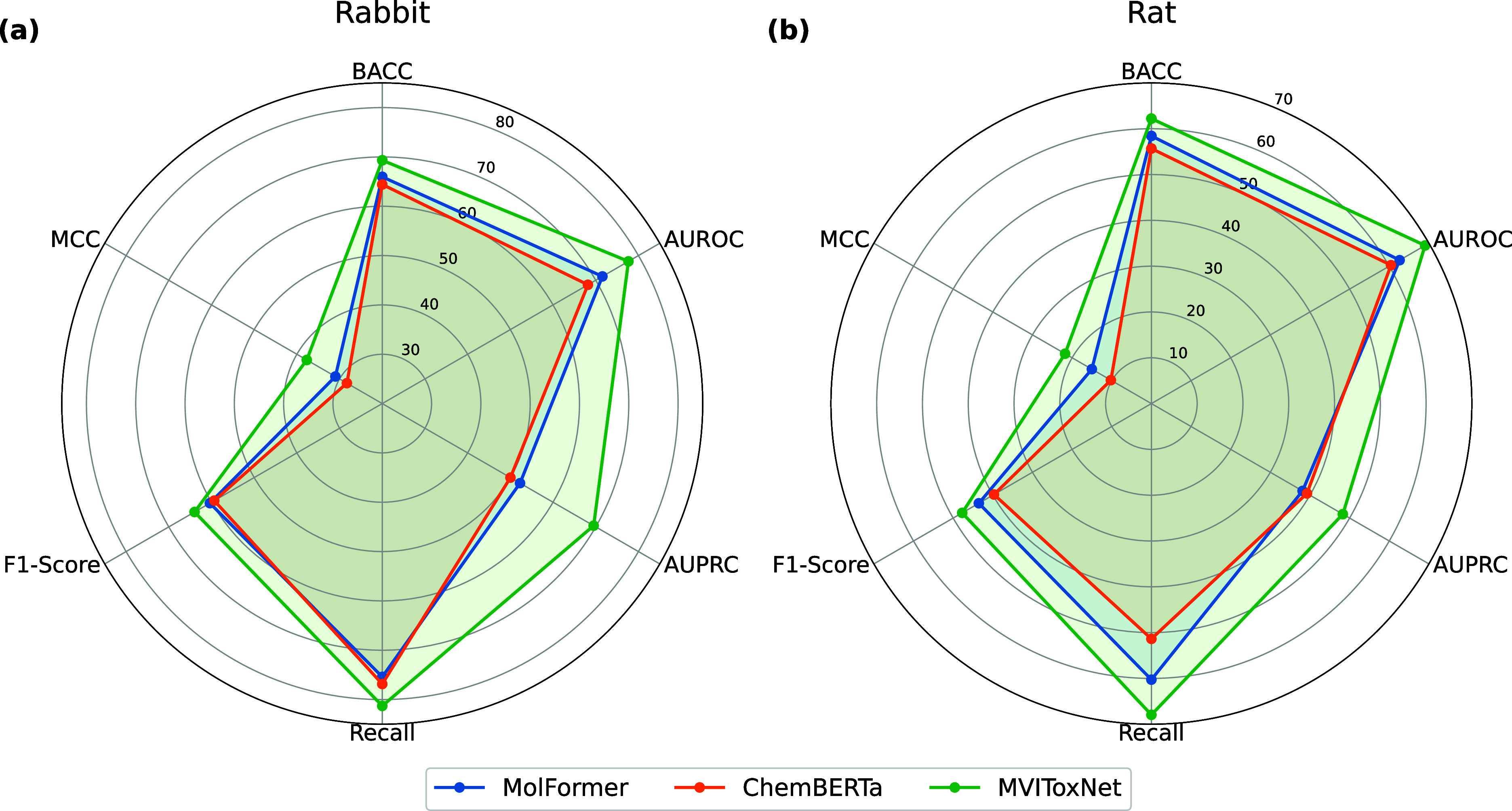 Figure 5
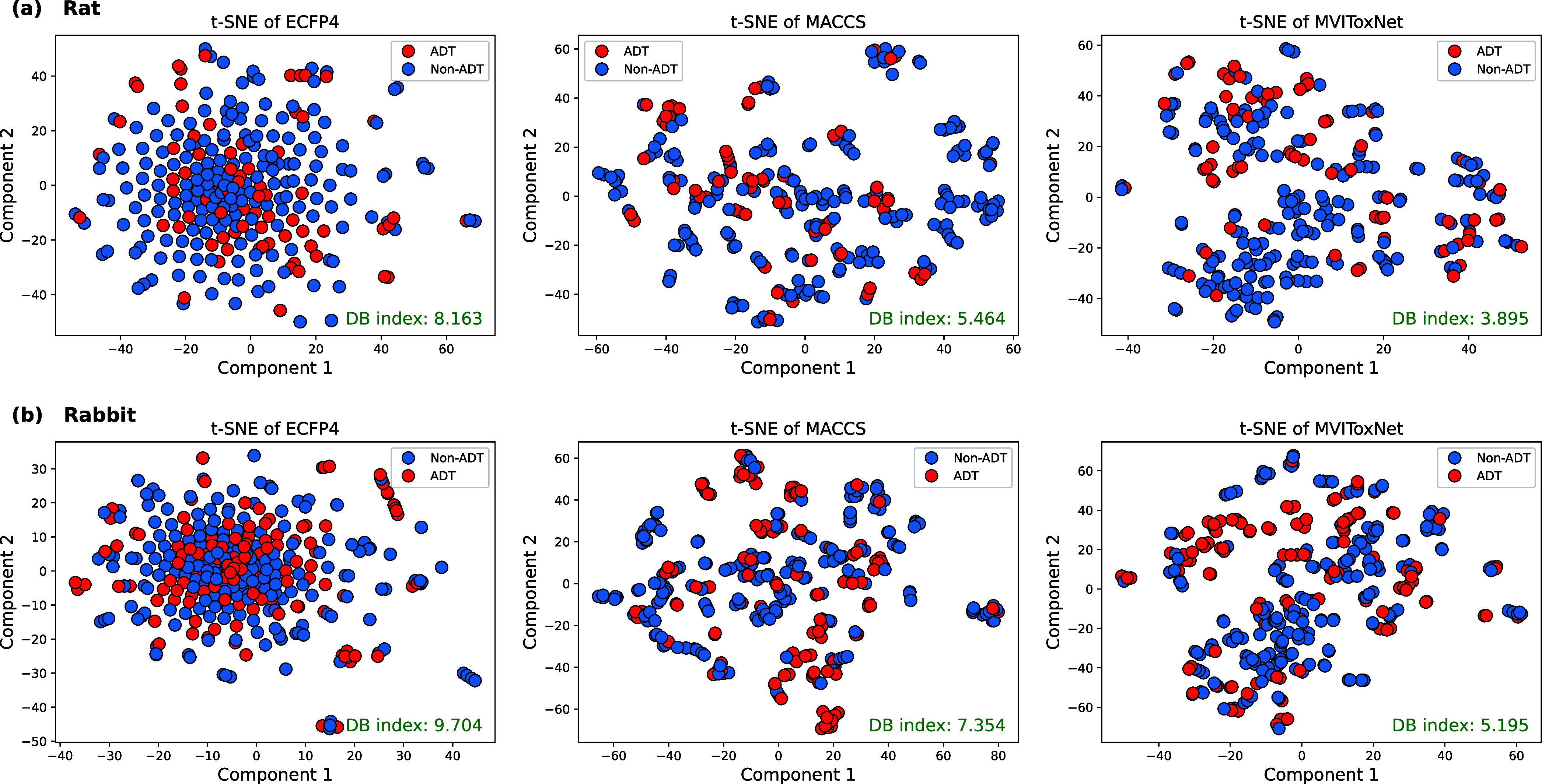 Figure 6
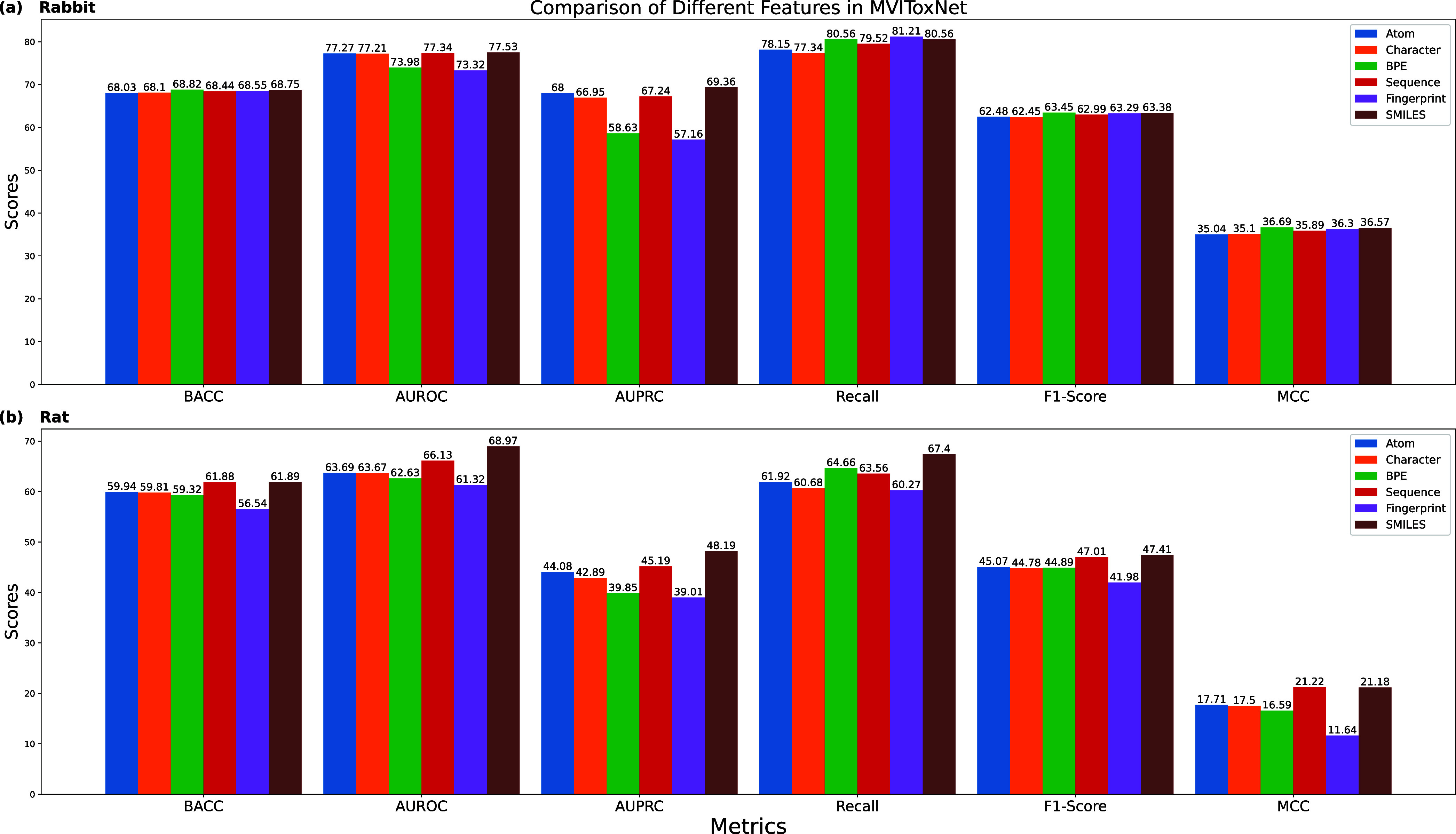 Figure 7
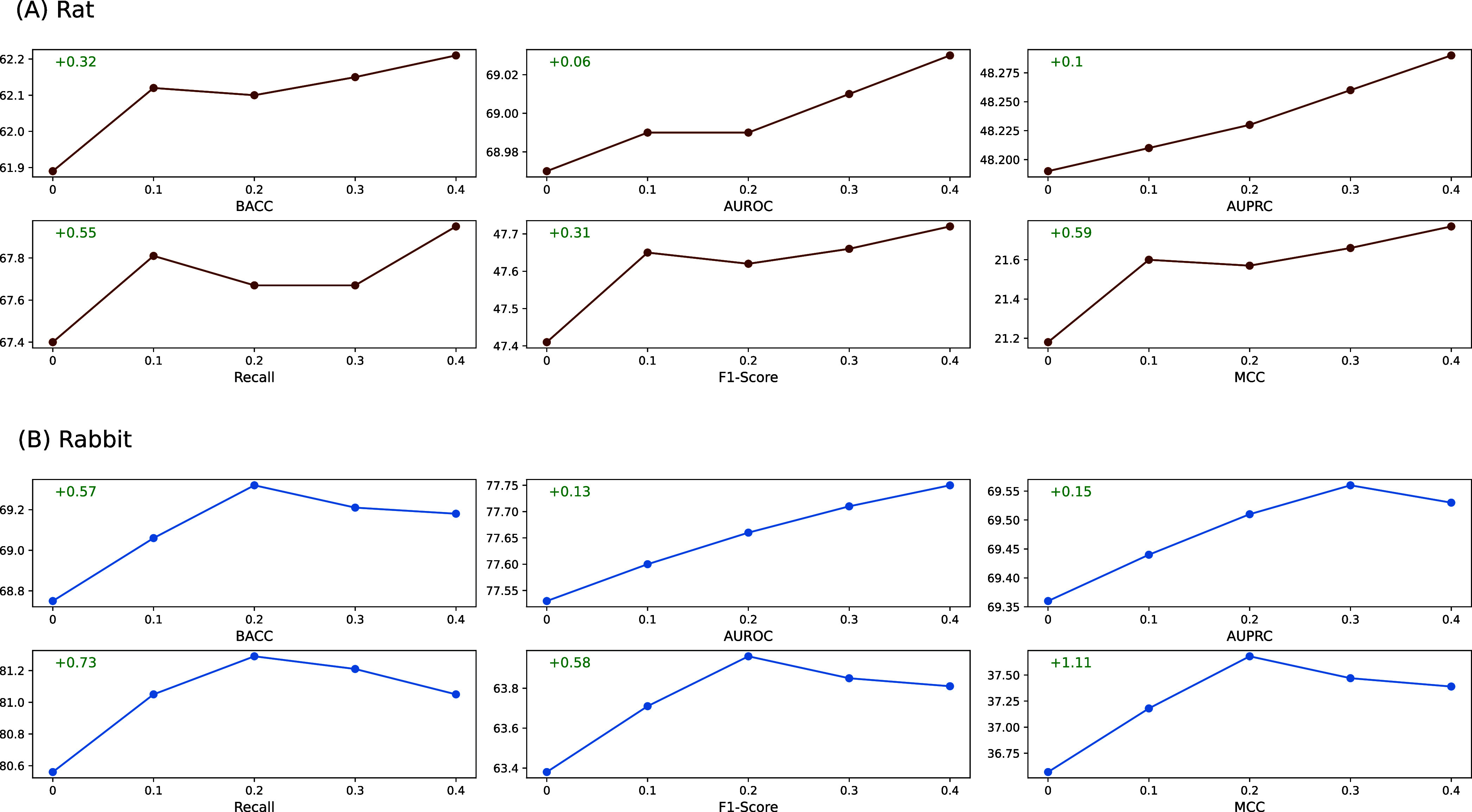 Figure 8
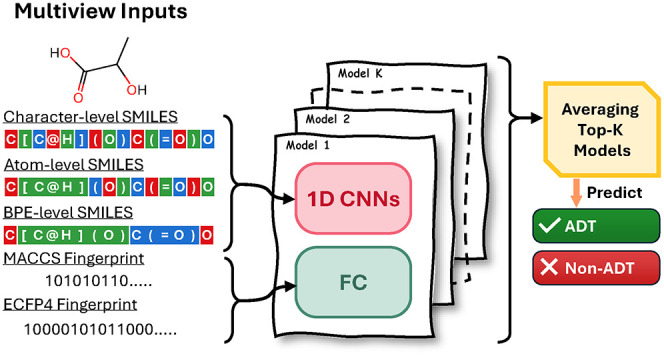 Figure 9
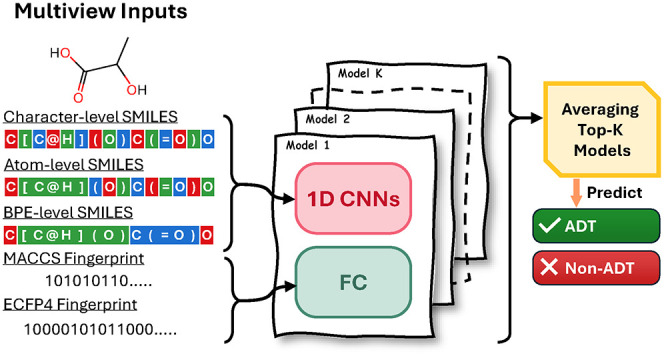 Figure 10
 Figure 11
 Figure 12
 Figure 13
 Figure 14
 Figure 15
 Figure 16
 Figure 17
 Figure 18
 Figure 19
 Figure 20
 Figure 21
 Figure 22
 Figure 23
 Figure 24
 Figure 25
 Figure 26
 Figure 27
 Figure 28
 Figure 29
 Figure 30
 Figure 31
 Figure 32
 Figure 33
Peer Reviews
No public reviews on file for this paper yet. If you reviewed it on a platform where reviews are public (OpenReview, ICLR, NeurIPS, ICML), you can paste yours below so the community can read it here.
Videos
No videos yet. Explain this paper in a talk, walkthrough, or lecture? Add one.
Taxonomy
TopicsComputational Drug Discovery Methods · Cholinesterase and Neurodegenerative Diseases · Machine Learning in Bioinformatics