Query Matters: How Selection Strategies Influence Active Learning in Drug Discovery
Huw J. Williams, Stephen D. Pickett, Andrew Baxter, David S. Palmer

TL;DR
This paper introduces a simulation framework for drug discovery that shows how different selection strategies affect the efficiency of finding promising drug candidates.
Contribution
The novel contribution is a machine learning-based simulation framework (SimDMTA) that evaluates query strategies in active learning for drug discovery.
Findings
Uncertainty-based sampling outperforms greedy and hybrid approaches in hit discovery and model generalization.
In the final iteration, 37 of the top 50 compounds were in the top 1% of the chemical space.
Random selection strategies correct biases faster but are less effective at predicting top molecules.
Abstract
We present SimDMTA, an in silico framework designed to simulate the Design–Make–Test–Analyze (DMTA) cycle used in preclinical drug discovery. Using docking scores as a proxy for biological assays, the simulations allow factors controlling the efficiency of the DMTA cycle to be explored in a manner that would not be feasible using traditional experiments due to time and cost constraints. In this workflow, a machine learning model predicts docking scores, selects compounds using various query strategies, docks selected molecules, and retrains iteratively. Starting from a broad chemical space, the model actively samples molecules derived from a 3,5-dimethyl-4-phenylisoxazole scaffold, an active warhead for the Bromodomain 4 (BRD4) BD1 binding site, to refine its predictions. Our results show that uncertainty-based sampling significantly outperforms greedy and hybrid approaches in both hit…
Genes, proteins, chemicals, diseases, species, mutations and cell lines named across the full text — each resolved to its canonical identifier and authoritative record.
Click any figure to enlarge with its caption.
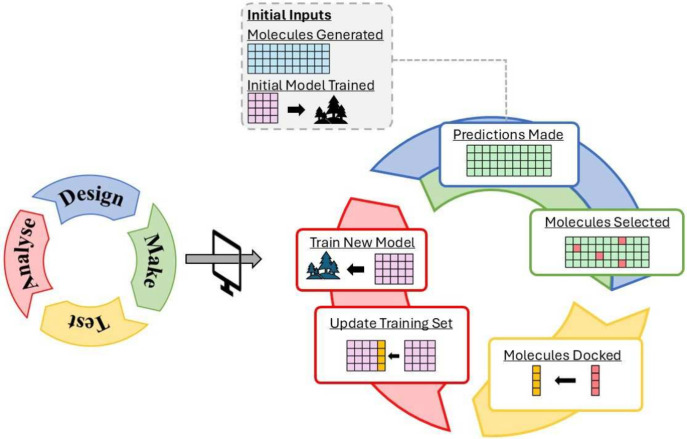 Figure 1
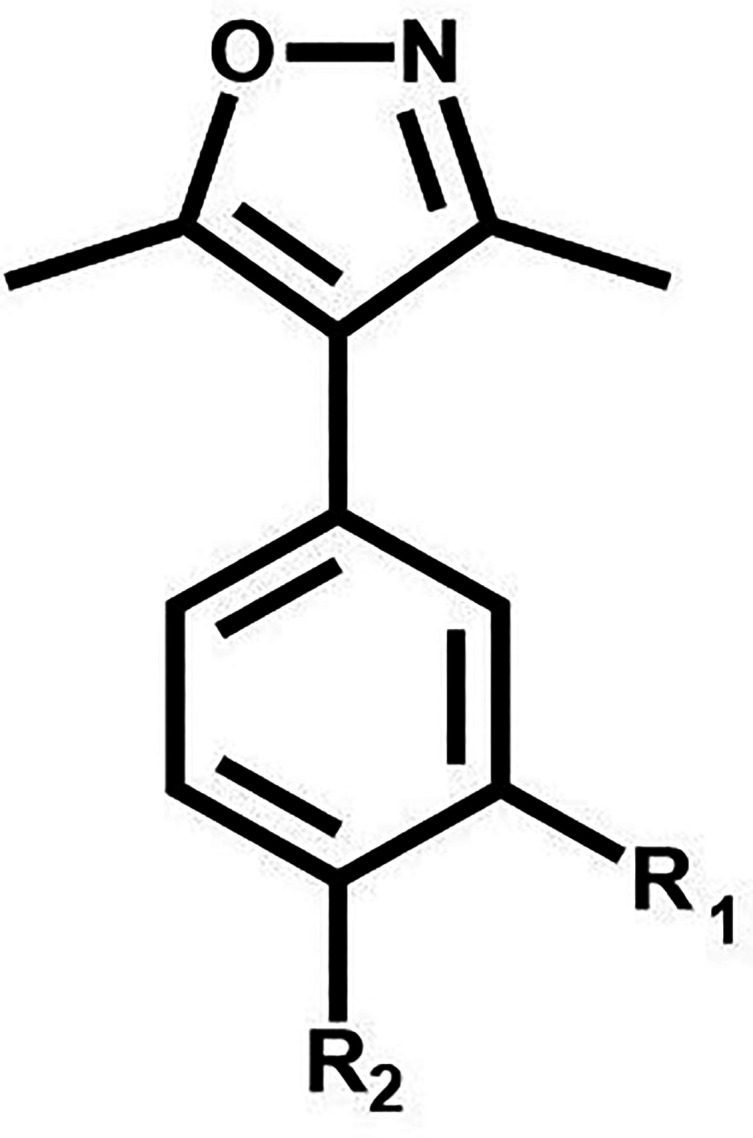 Figure 2
 Figure 3
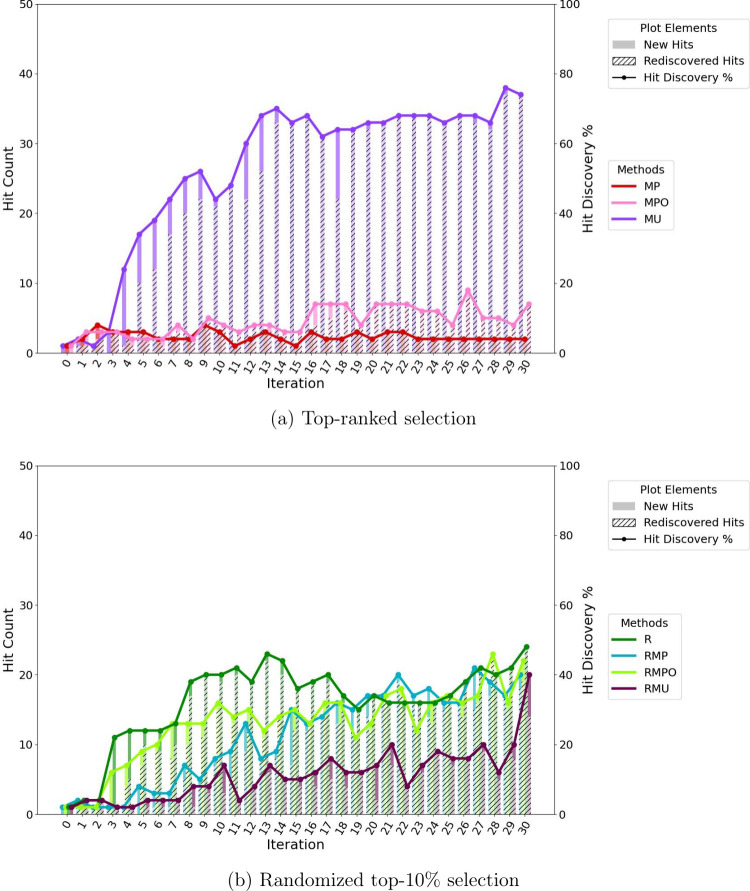 Figure 4
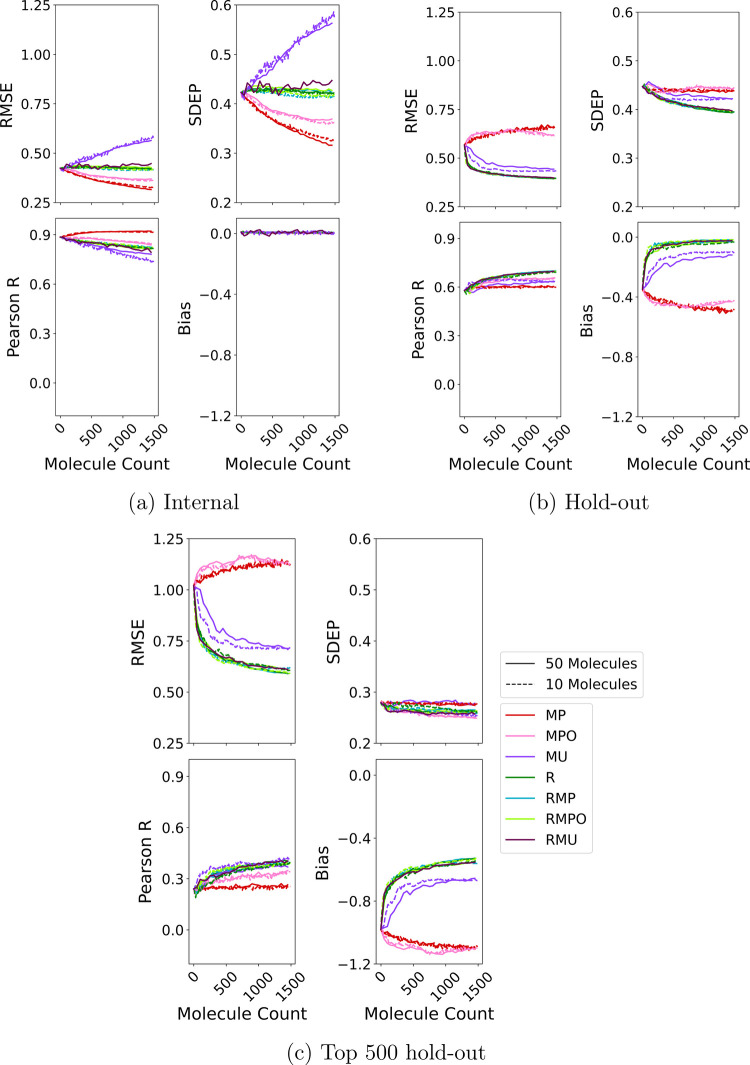 Figure 5
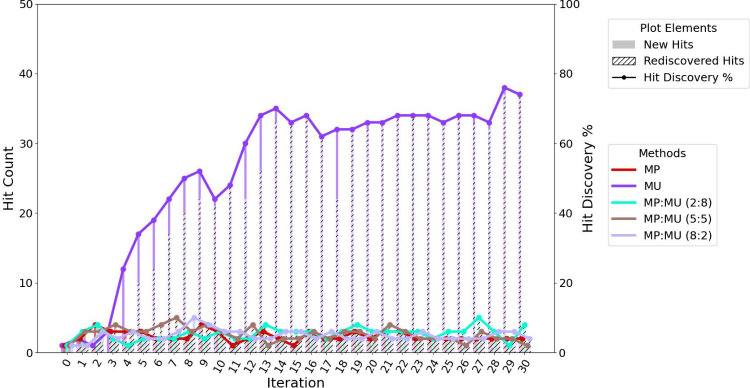 Figure 6
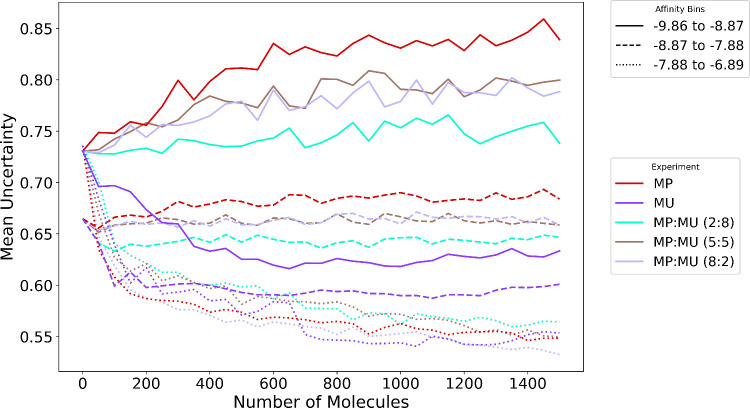 Figure 7
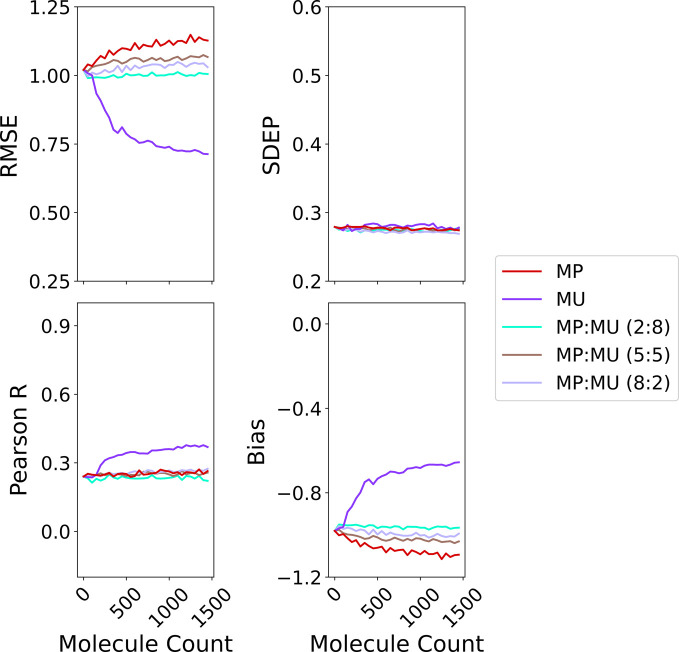 Figure 8
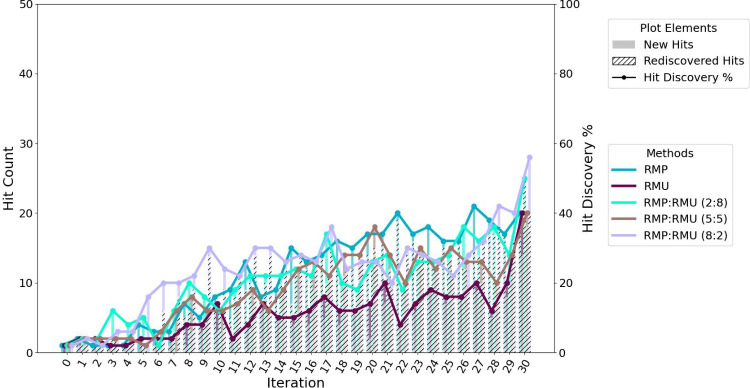 Figure 9
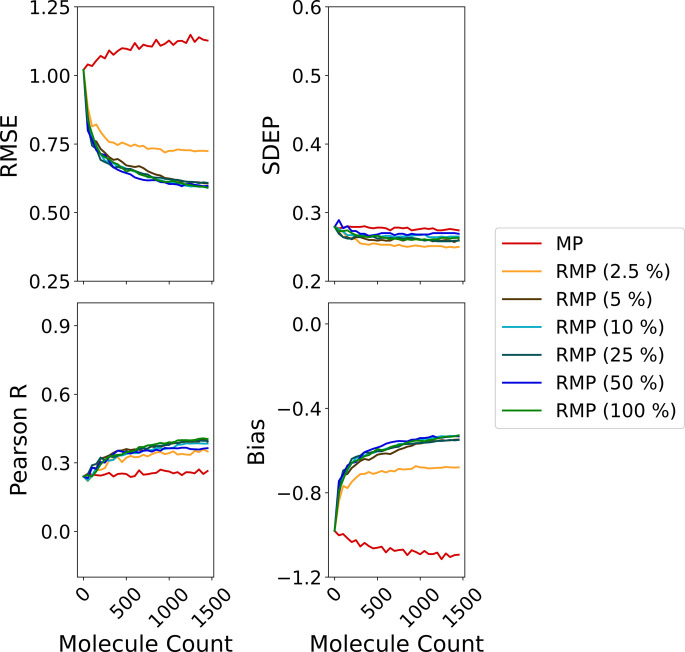 Figure 10
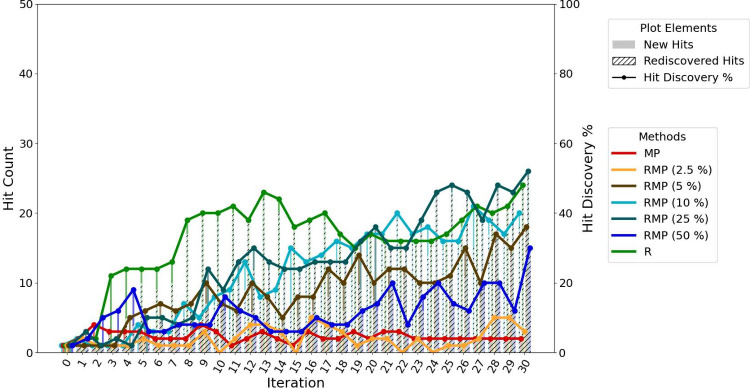 Figure 11
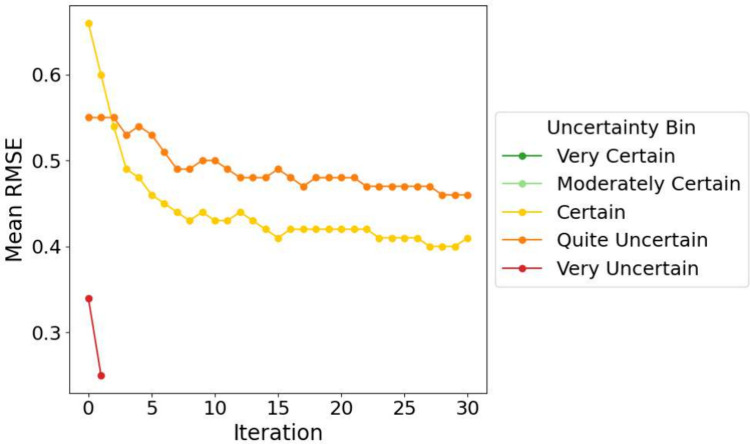 Figure 12
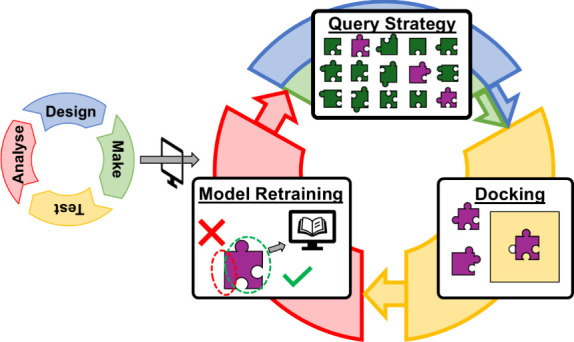 Figure 13
 Figure 14
 Figure 15
 Figure 16
 Figure 17
 Figure 18
Peer Reviews
No public reviews on file for this paper yet. If you reviewed it on a platform where reviews are public (OpenReview, ICLR, NeurIPS, ICML), you can paste yours below so the community can read it here.
Videos
No videos yet. Explain this paper in a talk, walkthrough, or lecture? Add one.
Taxonomy
TopicsMachine Learning and Algorithms · Computational Drug Discovery Methods · Receptor Mechanisms and Signaling