Fine-Tuning DiffDock‑L for Allosteric Kinase Docking
Eric Chen, Justin Green, Yingkai Zhang

TL;DR
This paper improves a docking model to better predict the correct binding positions of allosteric kinase inhibitors.
Contribution
The study introduces a fine-tuned version of DiffDock-L, optimized for allosteric kinase ligand prediction.
Findings
Fine-tuning strategies significantly improved pose recovery for Type III/IV allosteric binders.
The model preserved performance on ATP-site ligands while enhancing allosteric predictions.
Comparisons with cofolding models showed how retraining reshapes the model's sampling distribution.
Abstract
Allosteric kinase inhibitors are an important modality for overcoming resistance and achieving selectivity, yet most structure-based docking and deep generative models are trained predominantly on orthosteric protein–ligand complexes. As a result, current methods often misplace allosteric kinase ligands into the adenosine triphosphate (ATP)-binding site and fail to recover the correct binding mode. Here we curate AlloSet, a kinome-wide, time-split data set of kinase–ligand complexes annotated by binding mode, to systematically evaluate and fine-tune the diffusion-based docking model DiffDock-L for allosteric pose prediction. We explore several fine-tuning strategies, including increased dropout, freezing of torsion parameters with translation/rotation-only fine-tuning, and molecular dynamics-based supersampling of receptor conformations and ligand poses. The resulting DiffDock-L-Allo…
Genes, proteins, chemicals, diseases, species, mutations and cell lines named across the full text — each resolved to its canonical identifier and authoritative record.
Click any figure to enlarge with its caption.
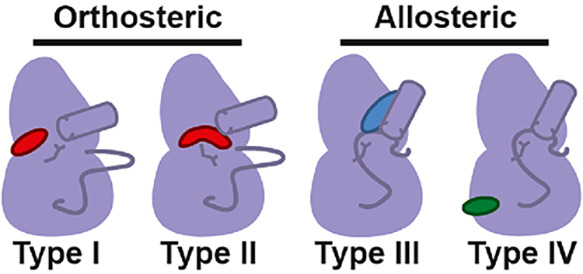 Figure 1
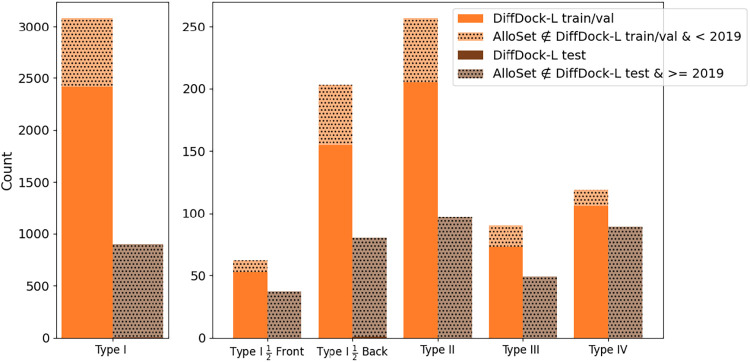 Figure 2
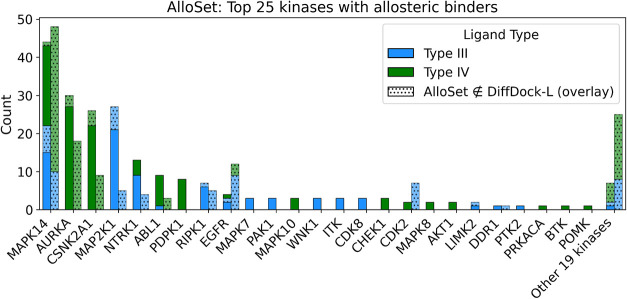 Figure 3
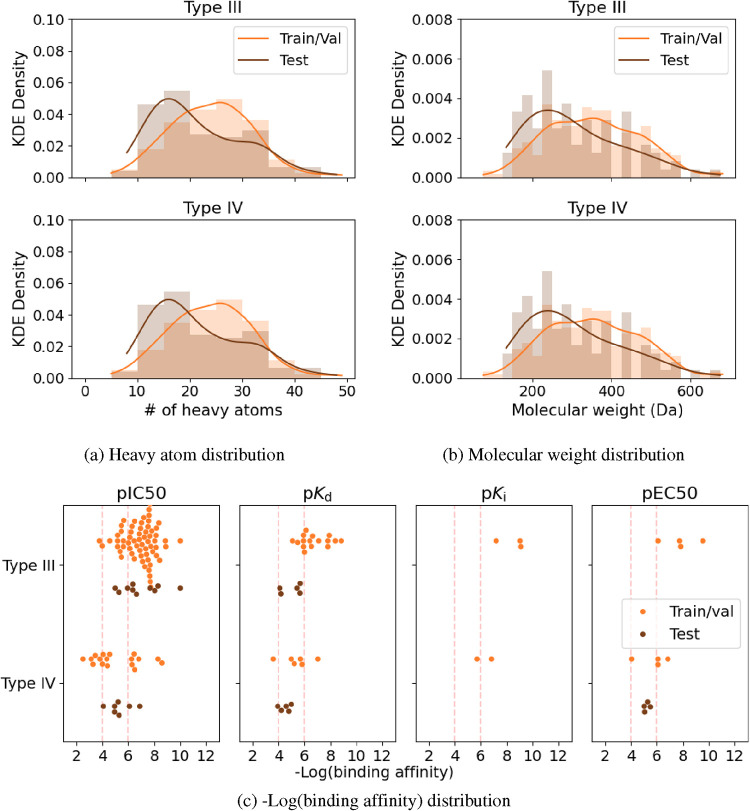 Figure 4
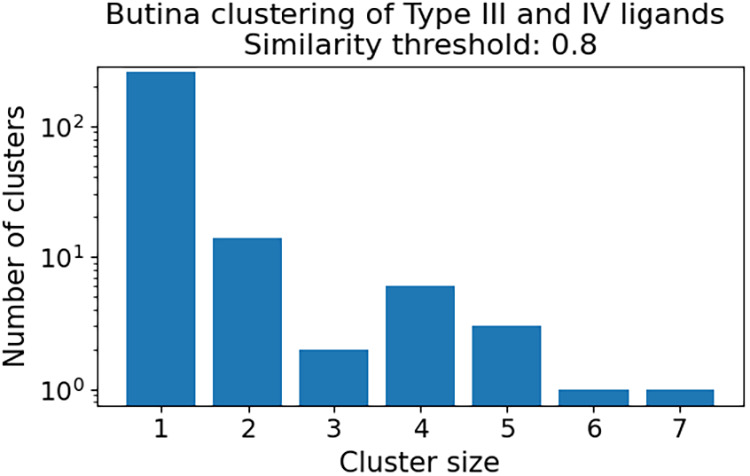 Figure 5
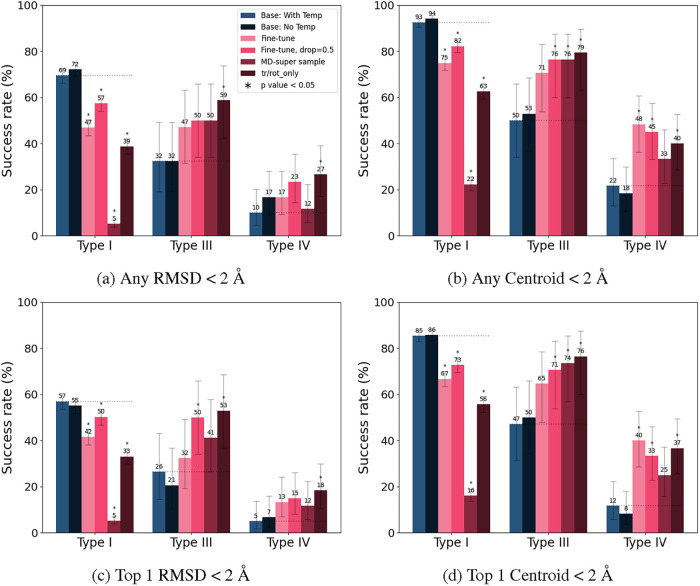 Figure 6
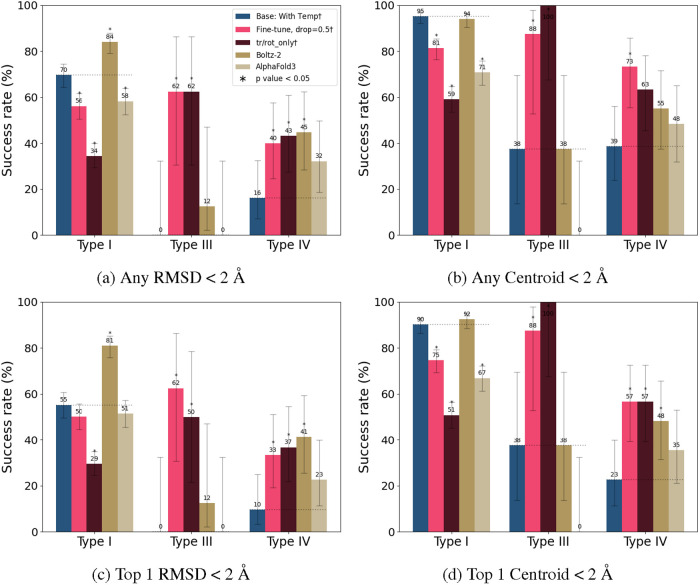 Figure 7
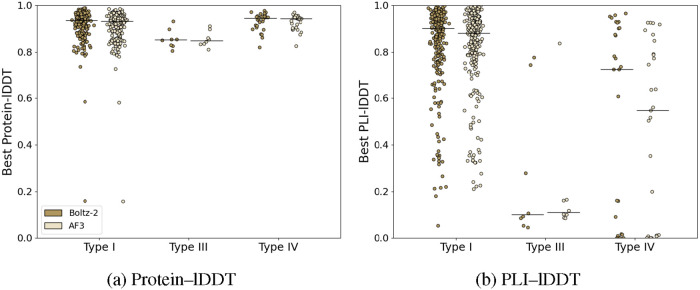 Figure 8
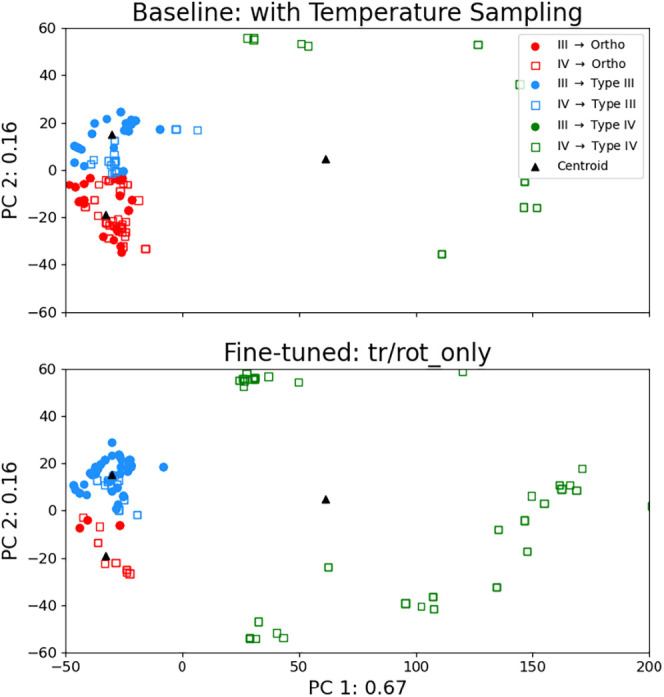 Figure 9
 Figure 10
 Figure 11
 Figure 12
 Figure 13
 Figure 14
 Figure 15
 Figure 16
 Figure 17
 Figure 18
 Figure 19
 Figure 20
 Figure 21
 Figure 22
 Figure 23
 Figure 24
 Figure 25
 Figure 26
 Figure 27
 Figure 28
 Figure 29
 Figure 30
 Figure 31
 Figure 32
 Figure 33
 Figure 34
 Figure 35
Peer Reviews
No public reviews on file for this paper yet. If you reviewed it on a platform where reviews are public (OpenReview, ICLR, NeurIPS, ICML), you can paste yours below so the community can read it here.
Videos
No videos yet. Explain this paper in a talk, walkthrough, or lecture? Add one.
Taxonomy
TopicsComputational Drug Discovery Methods · Protein Structure and Dynamics · Cell Image Analysis Techniques