Comparative Molecular Dynamics Study of the Thermal Stability of CheY Proteins from Hyperthermophilic and Mesophilic Organisms
Salomón J. Alas-Guardado, Melisa S. Anzures-Mendoza, José Y. Sol-Fragoso, Edgar López-Pérez

TL;DR
This study compares the thermal stability of CheY proteins from a heat-loving and a normal-temperature bacterium using molecular simulations.
Contribution
The paper reveals how salt bridges stabilize the CheY protein from a hyperthermophilic organism under high temperatures.
Findings
TmY maintains its structure at high temperatures, unlike EcY which unfolds.
Salt bridges in TmY connect secondary structures and stabilize the protein.
These electrostatic networks preserve domain communication and compactness under thermal stress.
Abstract
The primary function of the CheY protein is to regulate flagellar motility in motile bacteria such as Escherichia coli and Thermotoga maritima. Although the general determinants of thermal stability in CheY from the hyperthermophilic bacterium T. maritima (TmY) have been proposed, the molecular mechanisms that enable this protein to remain structurally and functionally competent at elevated temperatures are not fully understood. Here, we investigated the thermal stability of TmY through all-atom molecular dynamics simulations, using three independent trajectories of 1 μs each at five different temperatures. Equivalent simulations were performed for its mesophilic homologue from E. coli (EcY) to enable a direct comparison under identical conditions. Our observations show that TmY preserves its native fold and global compactness across the entire temperature range, whereas EcY exhibits…
Genes, proteins, chemicals, diseases, species, mutations and cell lines named across the full text — each resolved to its canonical identifier and authoritative record.
Click any figure to enlarge with its caption.
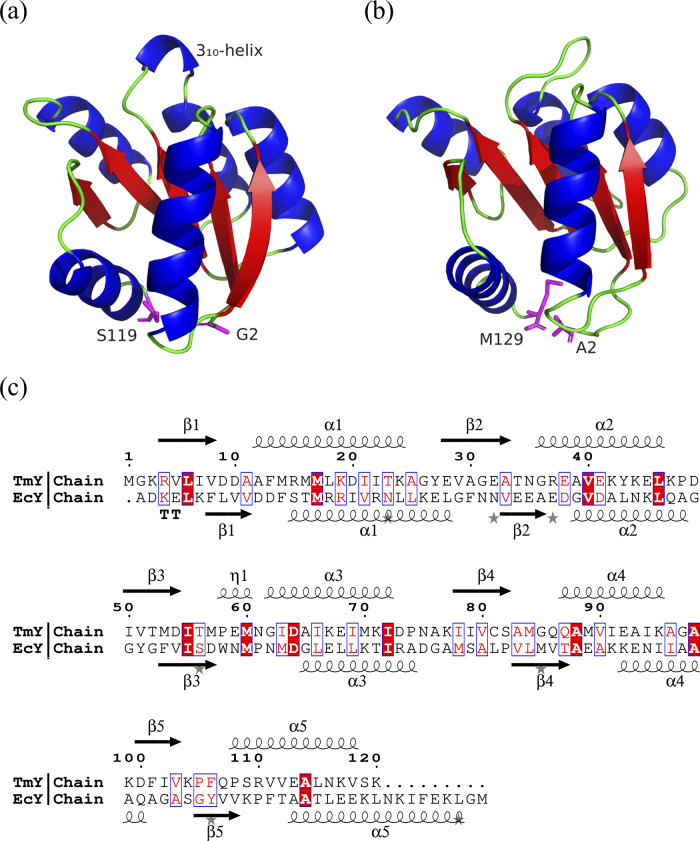 Figure 1
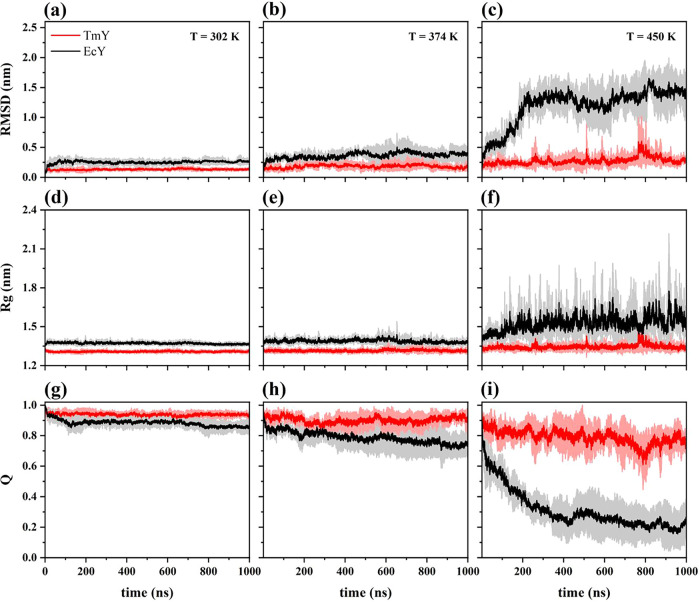 Figure 2
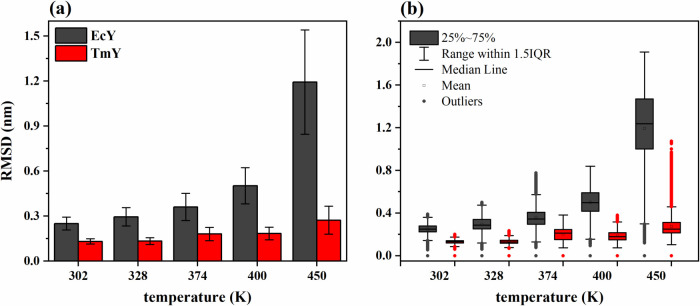 Figure 3
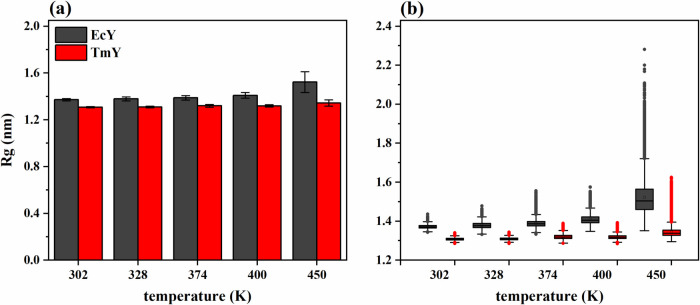 Figure 4
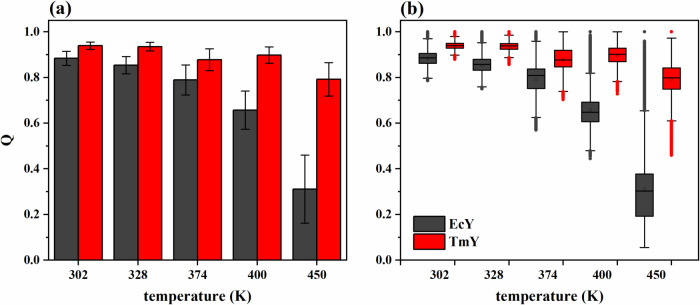 Figure 5
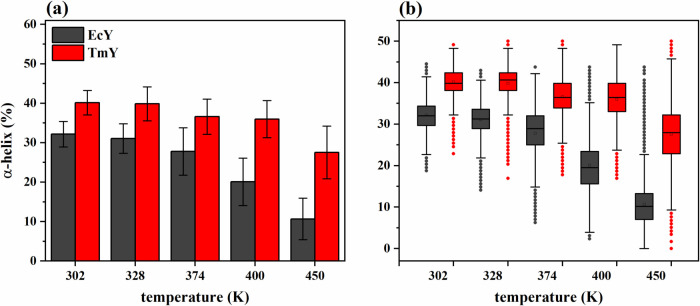 Figure 6
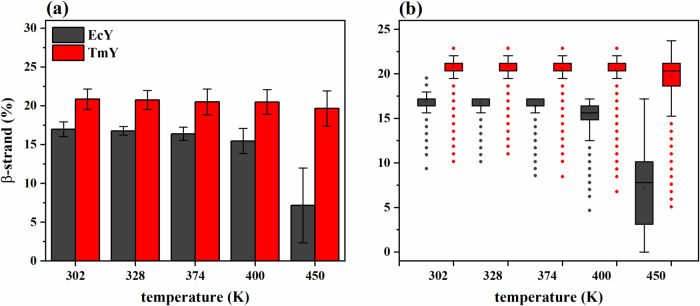 Figure 7
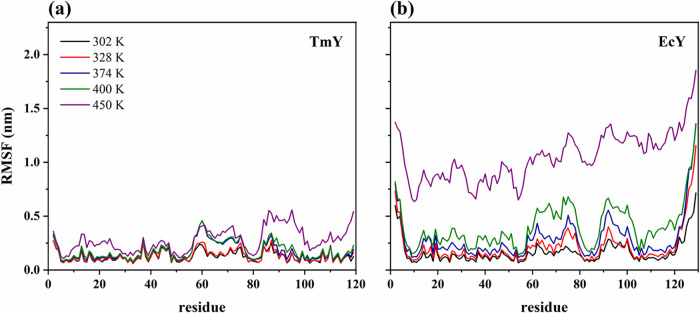 Figure 8
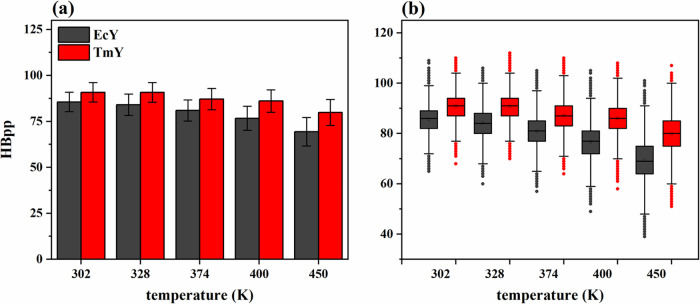 Figure 9
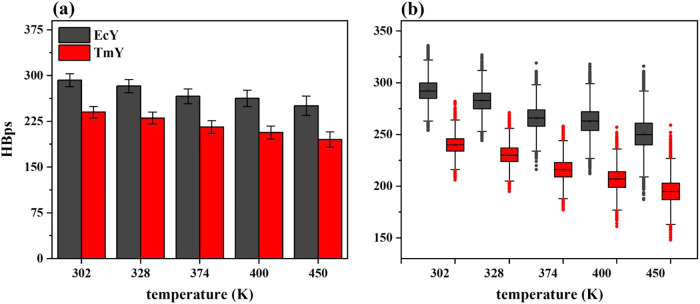 Figure 10
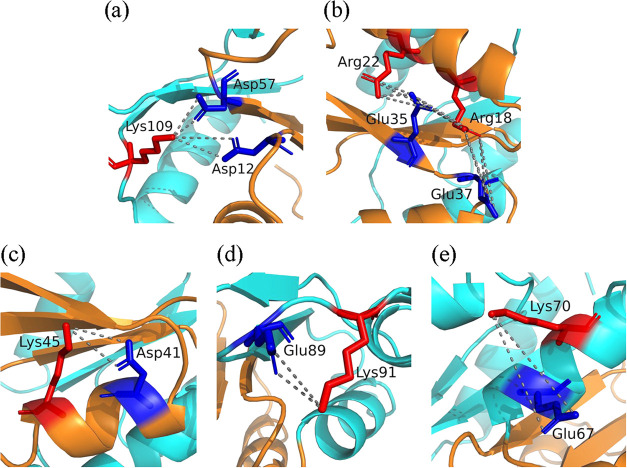 Figure 11
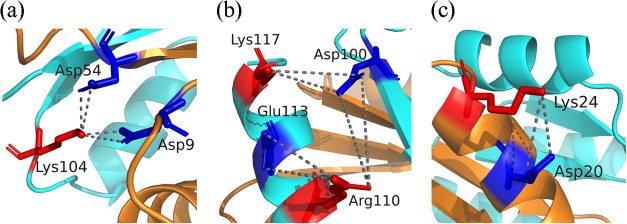 Figure 12
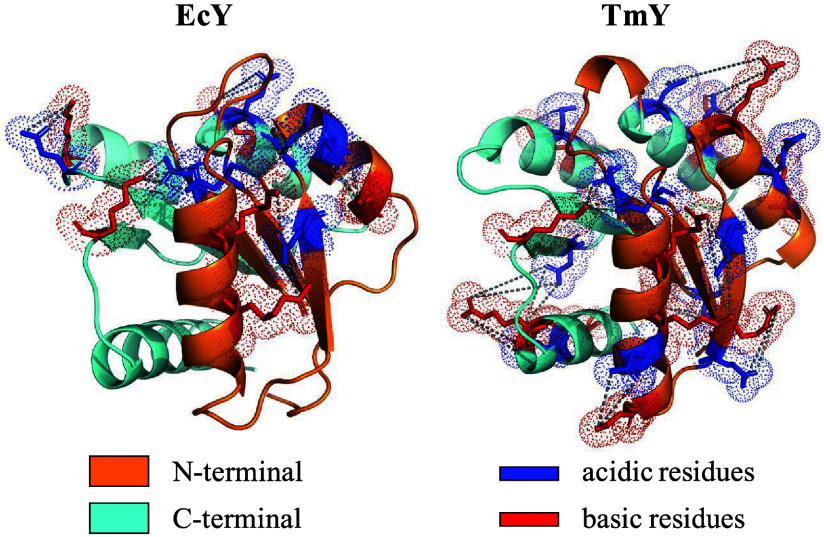 Figure 13
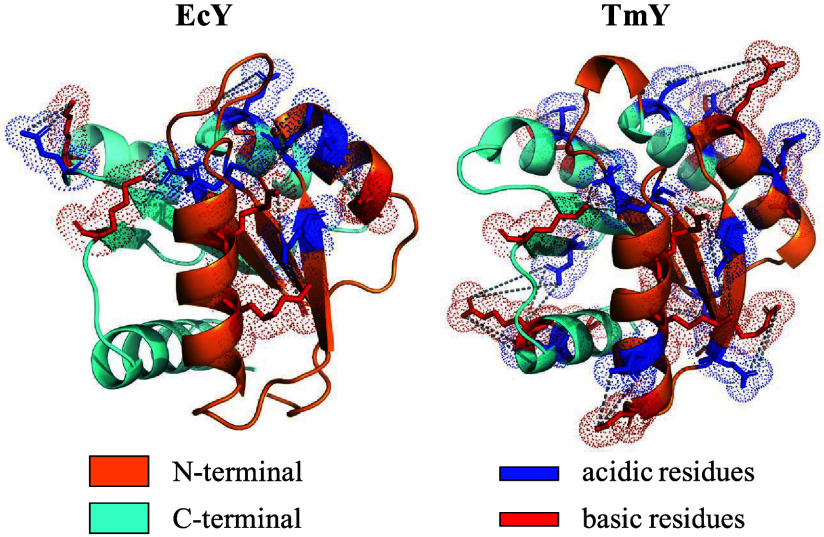 Figure 14
Peer Reviews
No public reviews on file for this paper yet. If you reviewed it on a platform where reviews are public (OpenReview, ICLR, NeurIPS, ICML), you can paste yours below so the community can read it here.
Videos
No videos yet. Explain this paper in a talk, walkthrough, or lecture? Add one.
Taxonomy
TopicsBacterial Genetics and Biotechnology · Protein Structure and Dynamics · Force Microscopy Techniques and Applications