Expanding the Coordination Chemistry of Decavanadate through π‑Hole Interactions with Transition-Metal Cyclen Complexes: Electronic Features and Dye Adsorption
Heloísa de Souza Camilo, Lucas Gian Fachini, Lorena Moreira Braga, Gabriel Barros Baptistella, Juliana Morais Missina, Grazielli da Rocha, Francine Bertella, Patrizia Rossi, Paola Paoli, Eduardo Lemos de Sá, Giovana Gioppo Nunes

TL;DR
This paper explores new ways decavanadate interacts with metal complexes and shows how these structures can help remove pollutants from water.
Contribution
The study reveals a new coordination mode for decavanadate and demonstrates its application in dye adsorption.
Findings
Structures 2 and 3 show a new coordination mode for decavanadate involving triply bridging oxygen.
π-holes in {Cu(cyclen)}²⁺ and {Zn(cyclen)}²⁺ contribute to structural stability through noncovalent interactions.
Compound 2 shows the highest methylene blue bleaching efficiency due to surface charge and particle size.
Abstract
The hybrid decavanadate with macrocycle cyclen (1,4,7,10-tetraazacyclododecane) complexes with the formula [Ni(cyclen)(H2O)2]2[H2V10O28]·2H2O (1) was prepared as an ionic pair, while [{Cu(cyclen)}2(H2V10O28)]·9H2O (2) and [{Zn(cyclen)}3(V10O28)]·4H2O (3) were obtained as discrete molecular entities. The structures of 2 and 3 revealed a new coordination mode for the decavanadate anion, involving a triply bridging oxygen (−μ3-OB) and {TM(cyclen)}2+, where TM = Cu(II) or Zn(II). Electrostatic Surface Potential analysis showed pronounced π-holes in the {Cu(cyclen)}2+ and {Zn(cyclen)}2+ fragments, whereas {Ni(cyclen)}2+ lacks this feature due to stronger metal-cyclen σ-bonding. The Independent Gradient Model based on Hirshfeld partition analysis of {TM(cyclen)}/decavanadate interfaces demonstrated that intramolecular noncovalent interactions play a key role in structural…
Genes, proteins, chemicals, diseases, species, mutations and cell lines named across the full text — each resolved to its canonical identifier and authoritative record.
Click any figure to enlarge with its caption.
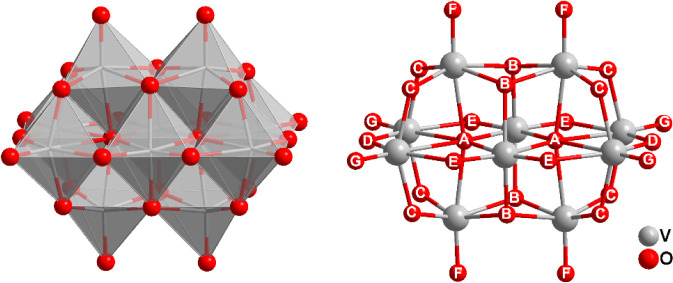 Figure 1
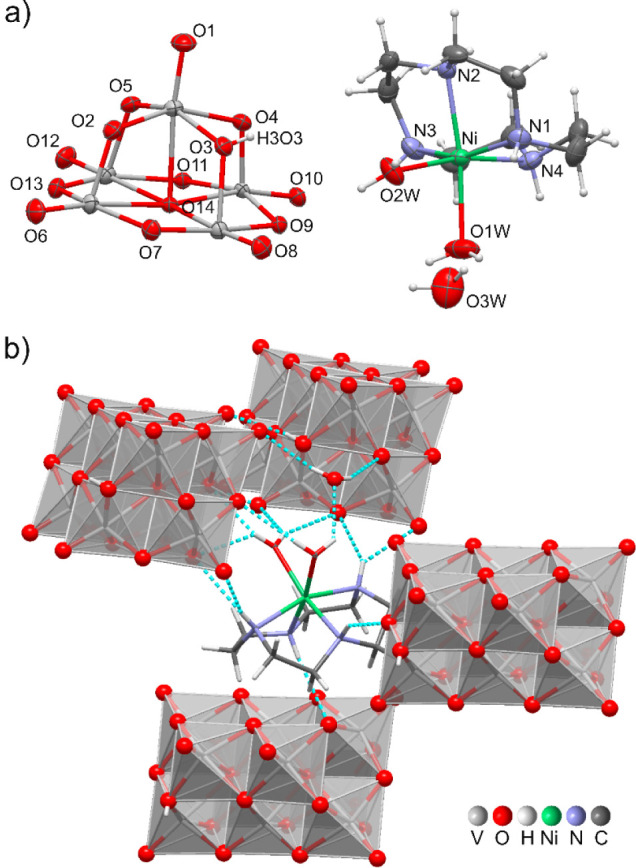 Figure 2
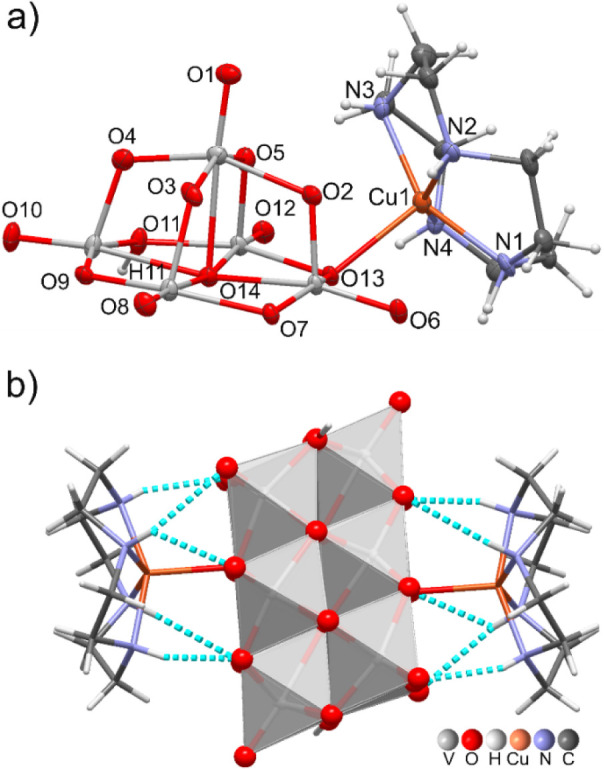 Figure 3
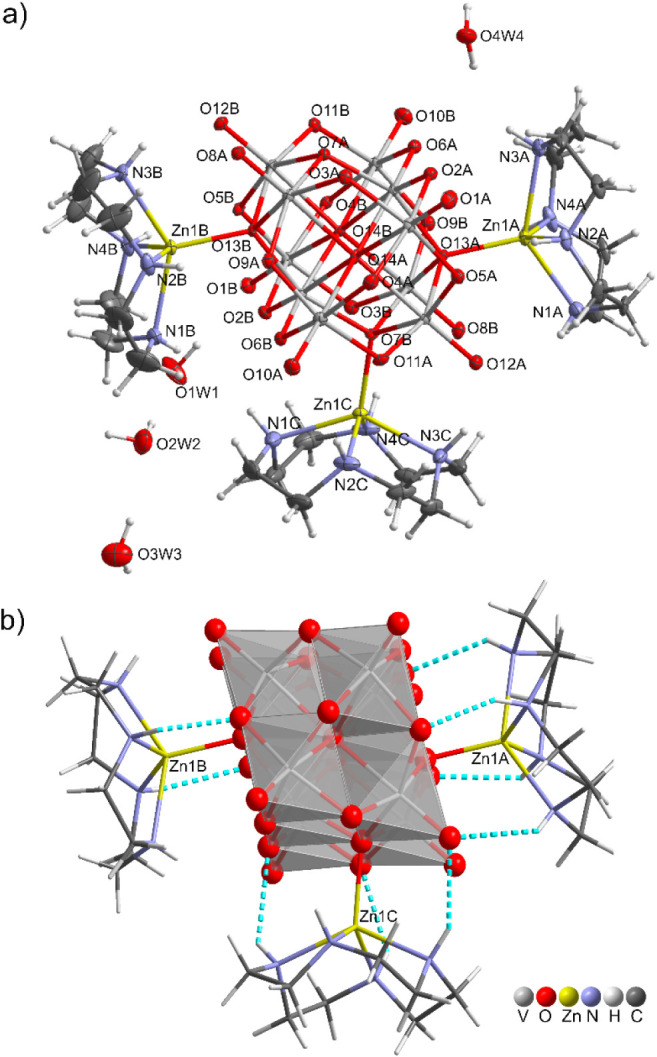 Figure 4
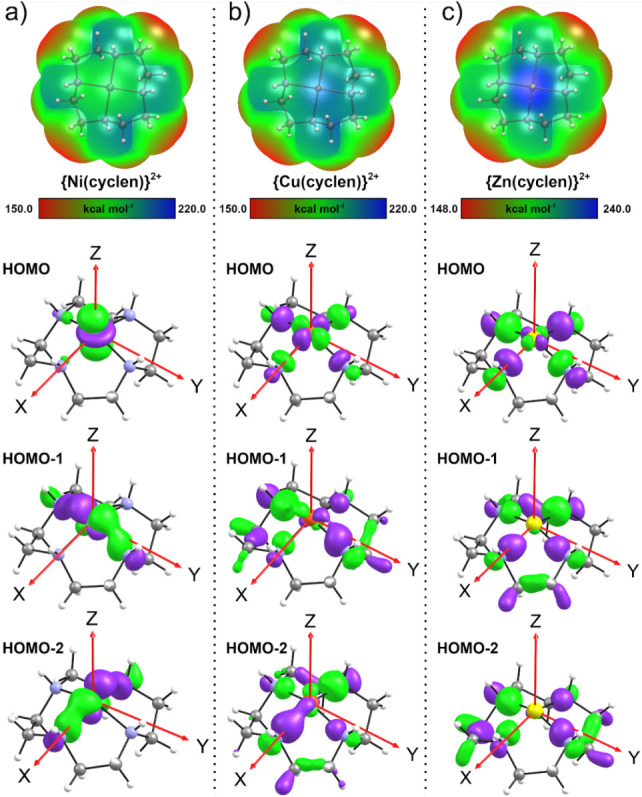 Figure 5
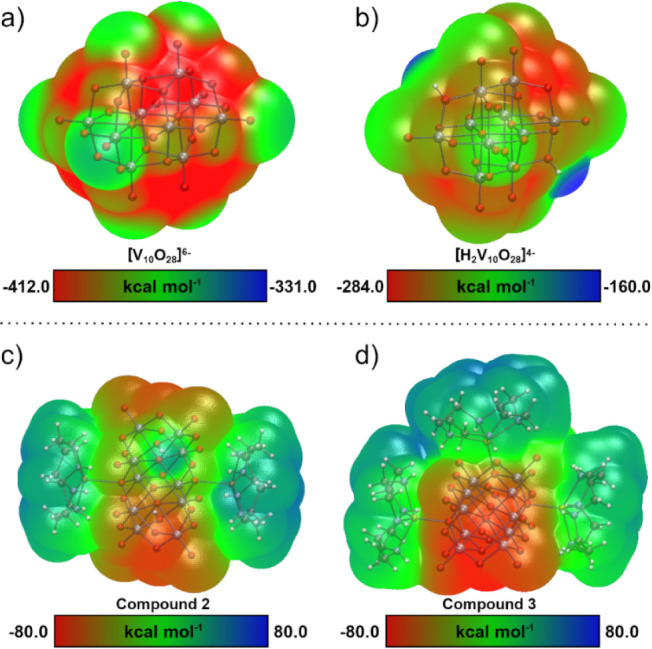 Figure 6
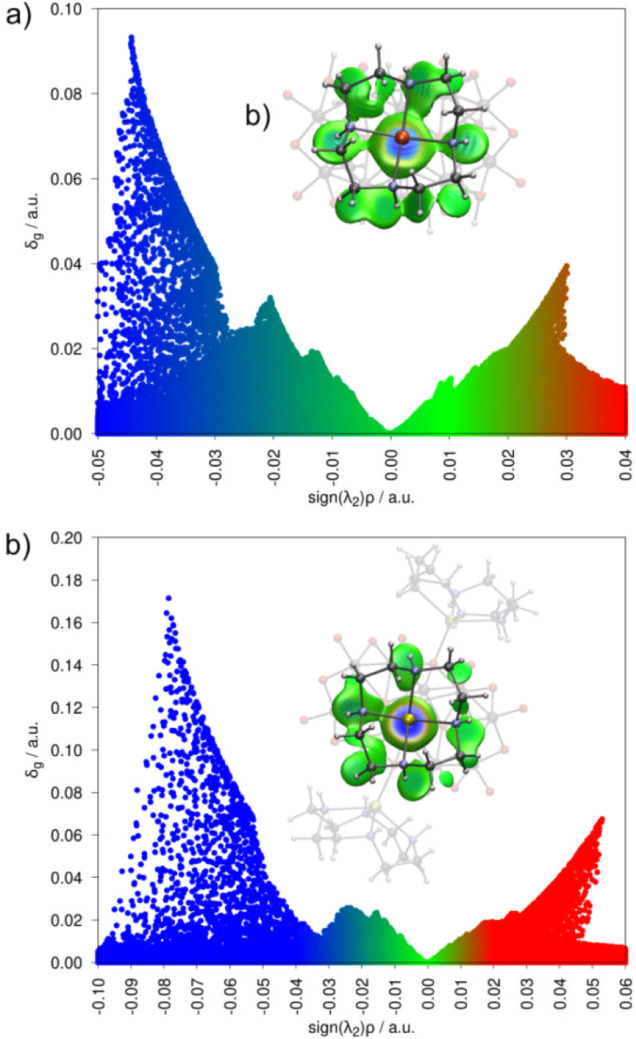 Figure 7
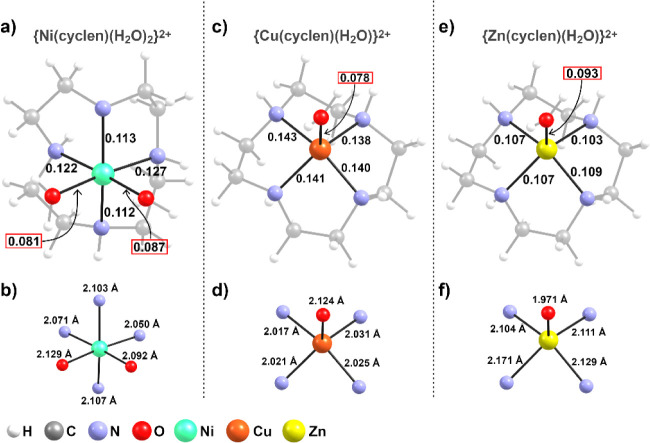 Figure 8
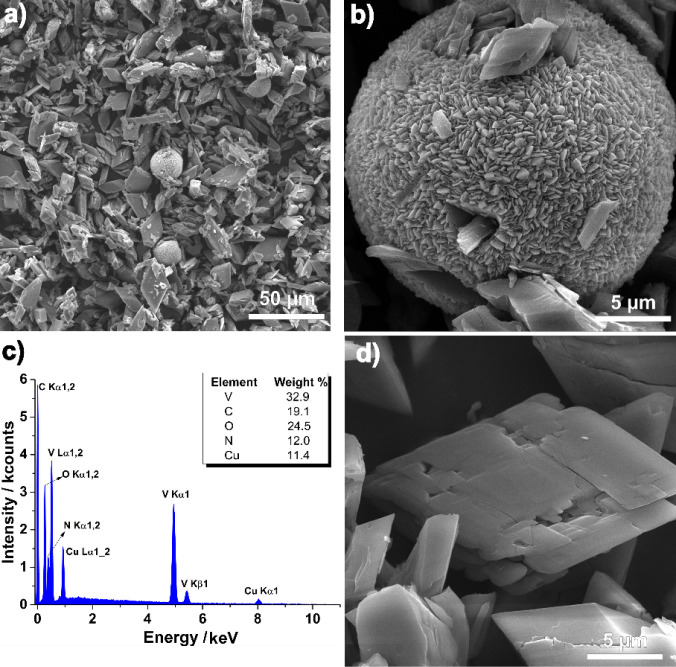 Figure 9
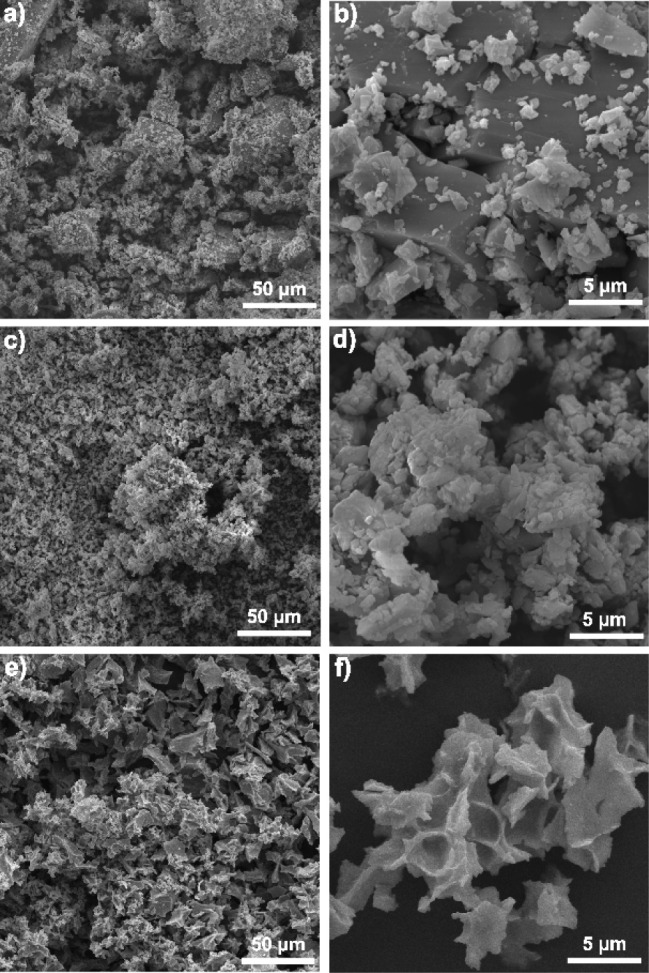 Figure 10
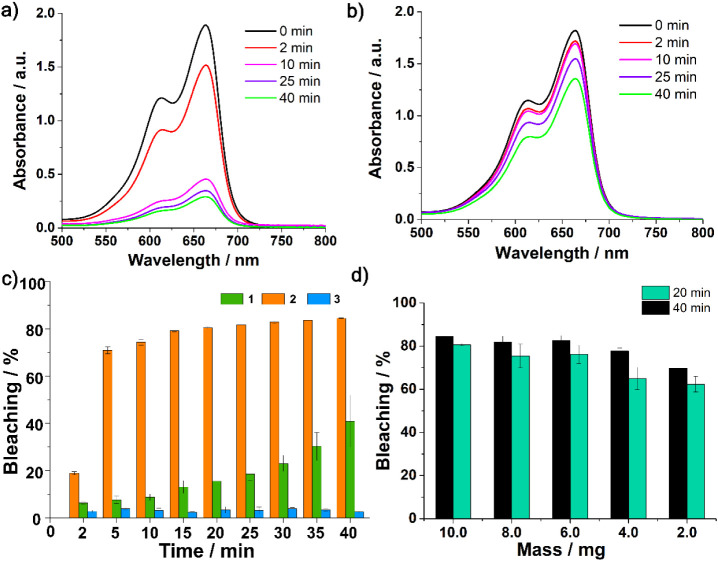 Figure 11
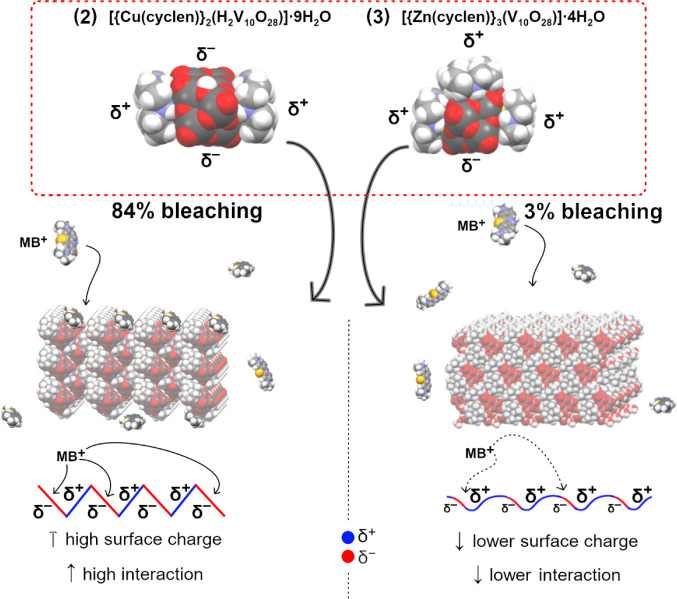 Figure 12
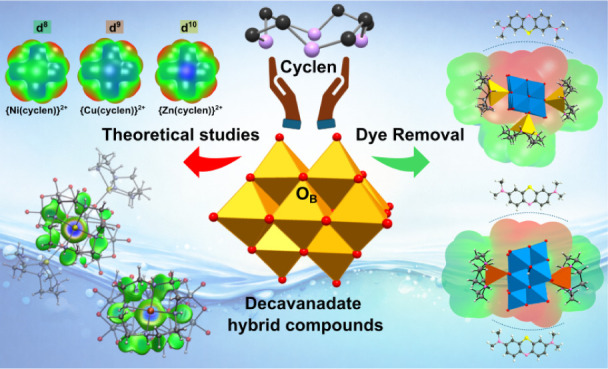 Figure 13
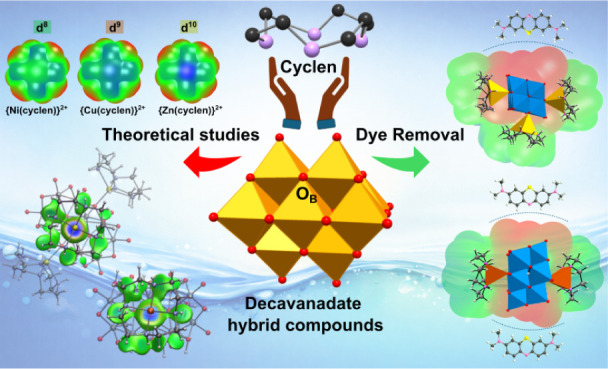 Figure 14
 Figure 15
 Figure 16
 Figure 17
 Figure 18
 Figure 19
 Figure 20
Peer Reviews
No public reviews on file for this paper yet. If you reviewed it on a platform where reviews are public (OpenReview, ICLR, NeurIPS, ICML), you can paste yours below so the community can read it here.
Videos
No videos yet. Explain this paper in a talk, walkthrough, or lecture? Add one.
Taxonomy
TopicsPolyoxometalates: Synthesis and Applications · Metal-Organic Frameworks: Synthesis and Applications · Vanadium and Halogenation Chemistry