plotXVG: Batch Generation of Publication-Quality Graphs from GROMACS Output
Måns K. Rosenbaum, David van der Spoel

TL;DR
plotXVG is a Python tool that helps scientists quickly create high-quality graphs from simulation data, especially useful for publishing research.
Contribution
plotXVG introduces a user-friendly, open-source Python tool for generating publication-quality plots from simulation data.
Findings
plotXVG uses Matplotlib to generate line graphs, heatmaps, and contour plots from GROMACS output.
The tool supports rapid and reproducible generation of graphics without requiring advanced programming skills.
plotXVG is freely available and extensible for custom use cases beyond molecular simulations.
Abstract
Molecular simulation tools, such as GROMACS, are used routinely to produce time series of energies and other observables. To turn these data into publication-quality figures, a user can either use a (commercial) software package with a graphical user interface, often offering fine control and high-quality output, or write their own code to make plots using a scripting language. In the age of big data and machine learning, it is often necessary to generate many graphs, be able to rapidly inspect them, and make plots for manuscripts. Here, we provide a simple Python tool, plotXVG, built on the well-known Matplotlib plotting library, that will generate publication-quality graphics for line graphs as well as heatmaps and contour plots. This will allow users to rapidly and reproducibly generate a series of graphics files without programming, but a simple application programming interface is…
Click any figure to enlarge with its caption.
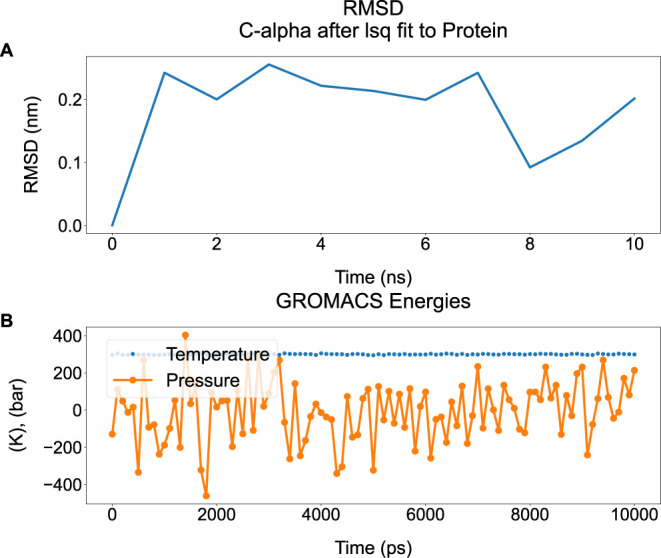 Figure 1
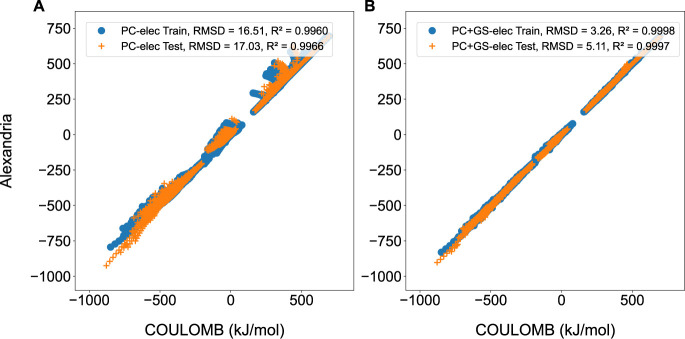 Figure 2
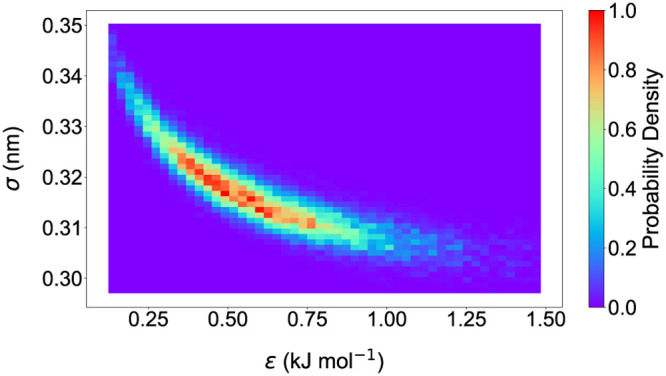 Figure 3
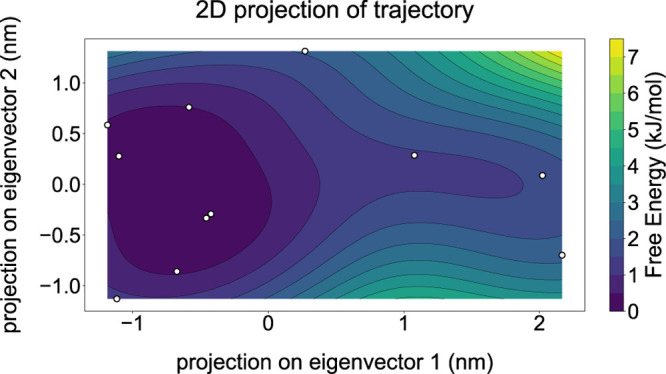 Figure 4
 Figure 5
 Figure 6
 Figure 7
 Figure 8
 Figure 9
 Figure 10
 Figure 11
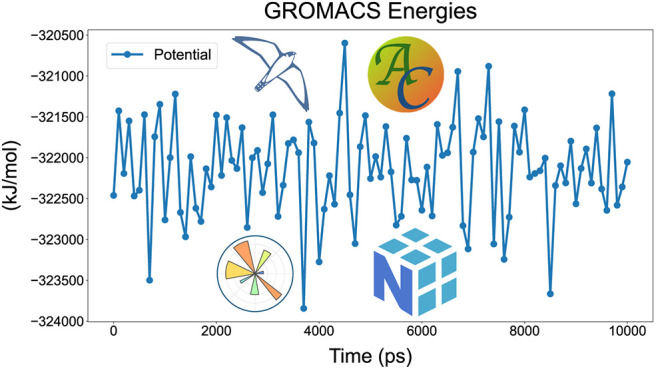 Figure 12
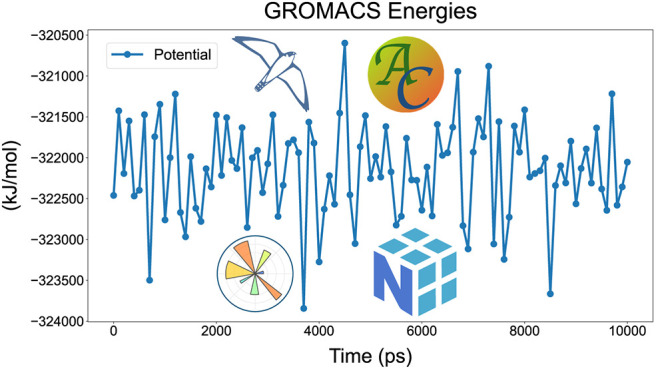 Figure 13
 Figure 14
Peer Reviews
No public reviews on file for this paper yet. If you reviewed it on a platform where reviews are public (OpenReview, ICLR, NeurIPS, ICML), you can paste yours below so the community can read it here.
Videos
No videos yet. Explain this paper in a talk, walkthrough, or lecture? Add one.
Taxonomy
TopicsMachine Learning in Materials Science · Scientific Computing and Data Management · Protein Structure and Dynamics