Combined transcriptomic and proteomic analyses uncover molecular basis of heat tolerance in pakchoi (Brassica rapa subsp. chinensis)
Lei Wang, Fangsheng Gao, Dongqin Zhang, Chenchen Sun, Hongrong Guo, Chenghui Wang, Xuechu Du

TL;DR
The study explores how pakchoi plants tolerate heat stress by combining gene and protein analyses, revealing key biological processes and proteins involved in heat tolerance.
Contribution
The study provides a comprehensive multi-omics analysis of heat tolerance in pakchoi, identifying key genes and proteins like HSP70s involved in stress response.
Findings
Heat stress significantly reduced plant performance and antioxidant enzyme activity in pakchoi.
Integrated omics analysis identified 4414 DEGs and 506 DAPs, with HSP70s playing a pivotal role in heat tolerance.
Up-regulated genes were enriched in pathways like protein processing and energy metabolism, while down-regulated genes were linked to hormone signaling and secondary metabolism.
Abstract
High temperature posed a significant abiotic stress, severely limiting plant growth and development. As a cool-loving vegetable, pakchoi (Brassica rapa subsp. chinensis) is highly sensitive to high temperatures, yet its molecular mechanisms underlying heat stress tolerance in pakchoi are not well explored. This study employed an integrated approach combining physiological assessments with extensive transcriptomic and proteomic profiling of leaves from a heat-tolerant pakchoi line. Our physiological analyses revealed that 5 days of heat stress (39/32°C, day/night) significantly impaired plant performance, resulting in a significant reduction in plant fresh weight, chlorophyll content, and critical Chl fluorescence parameters, including Fv/Fm and PIABS. Furthermore, the activities of key antioxidant enzymes, peroxidase and catalase, were significantly reduced, suggesting a reduced…
Genes, proteins, chemicals, diseases, species, mutations and cell lines named across the full text — each resolved to its canonical identifier and authoritative record.
Click any figure to enlarge with its caption.
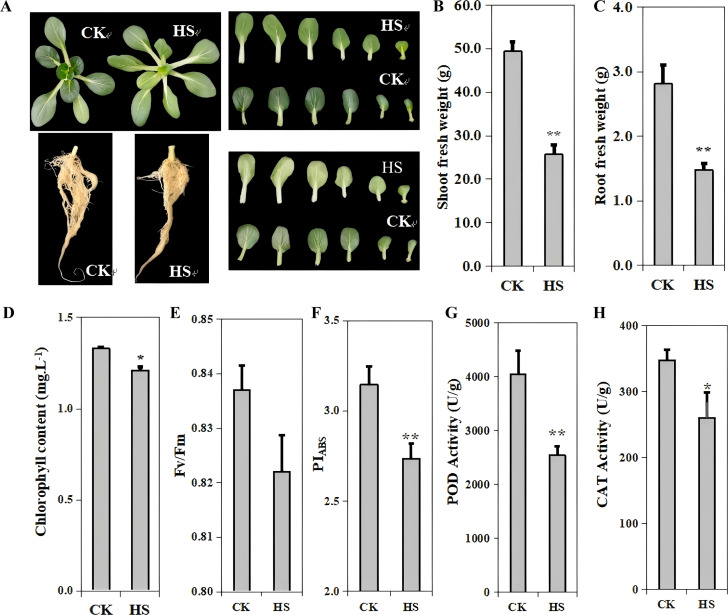 Figure 1
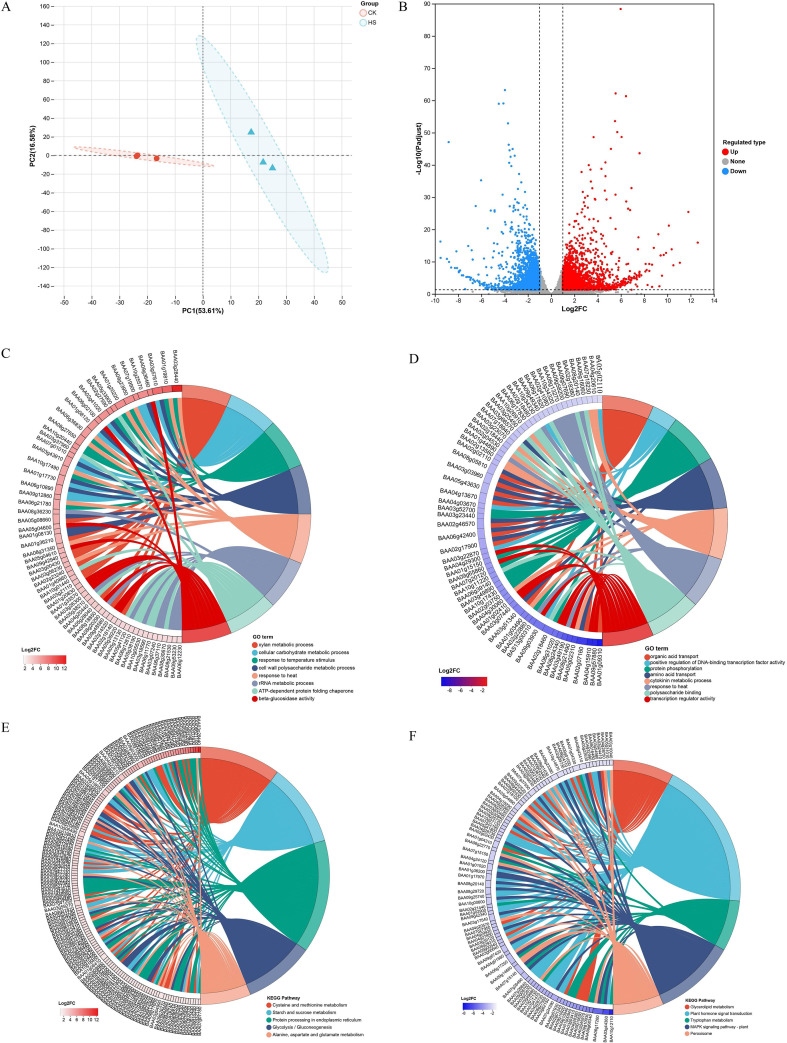 Figure 2
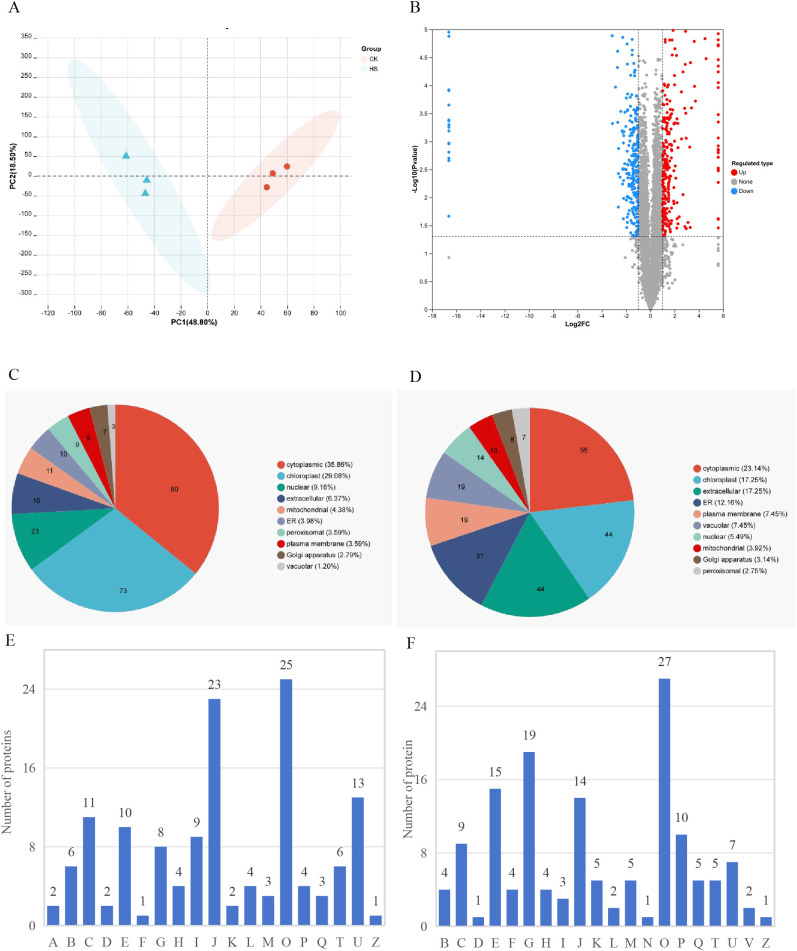 Figure 3
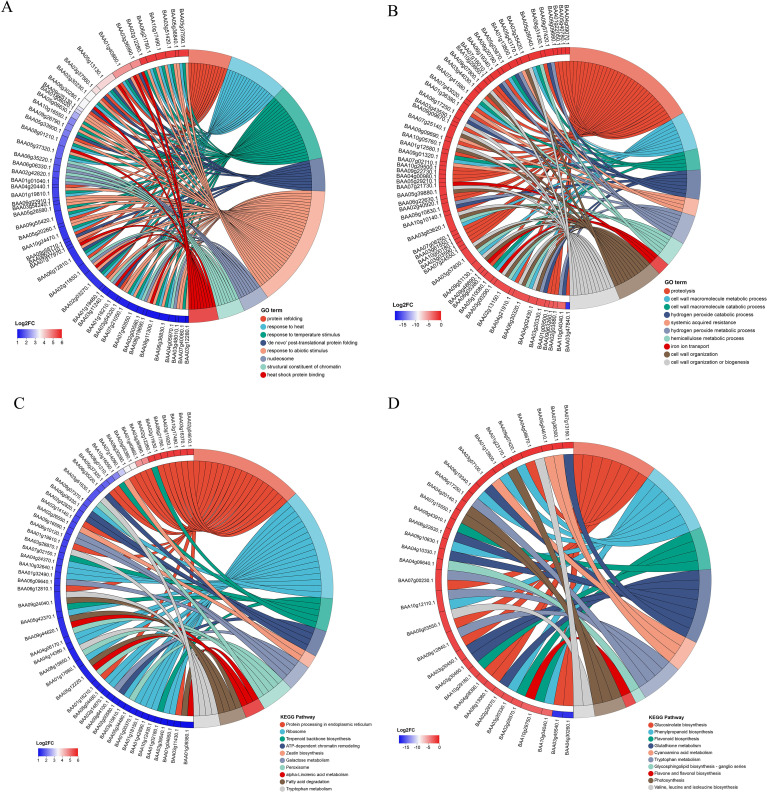 Figure 4
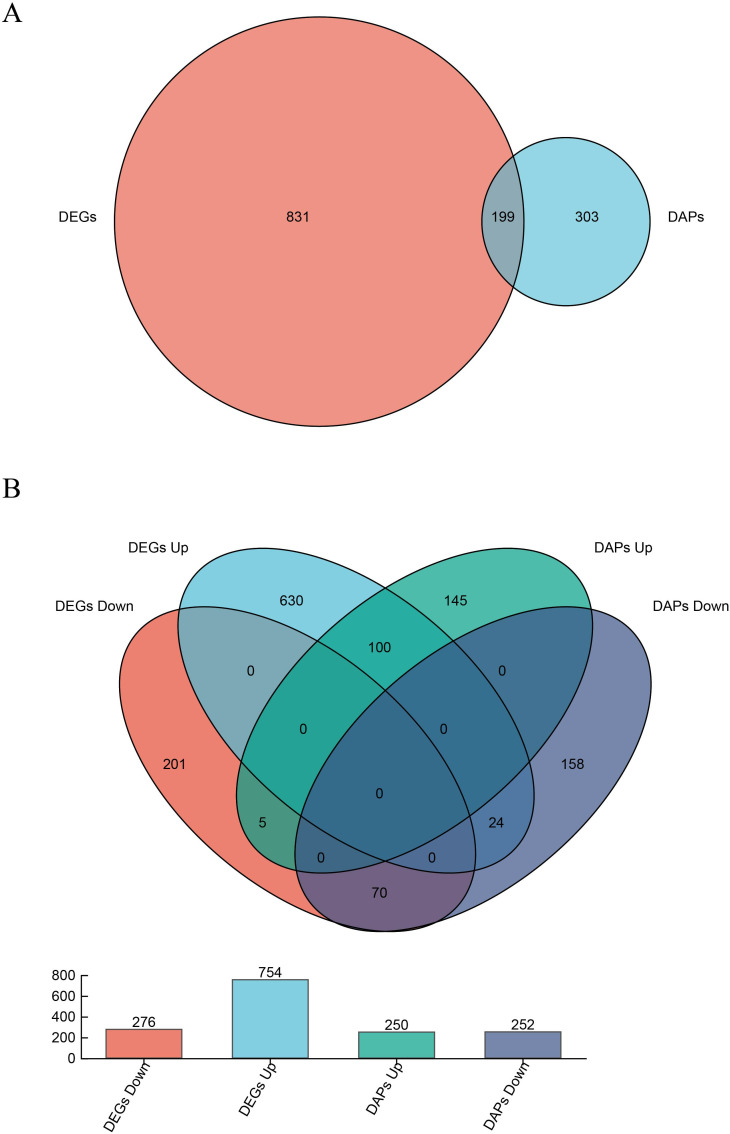 Figure 5
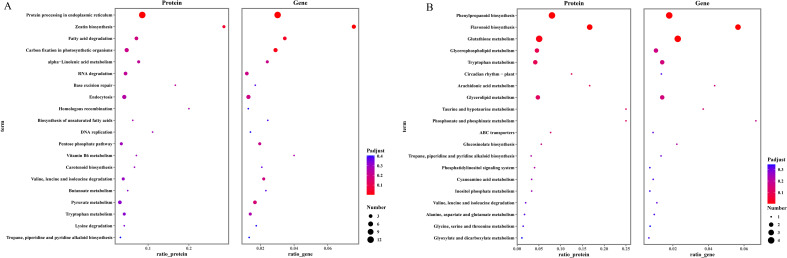 Figure 6
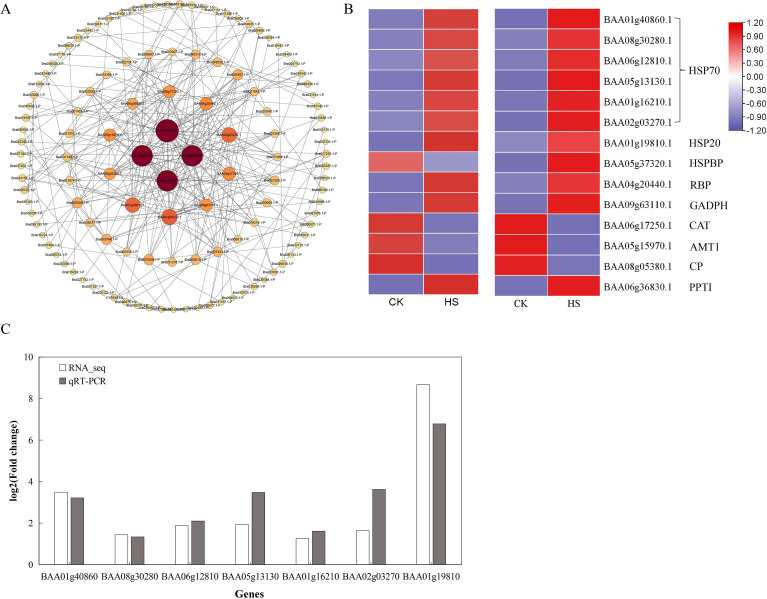 Figure 7
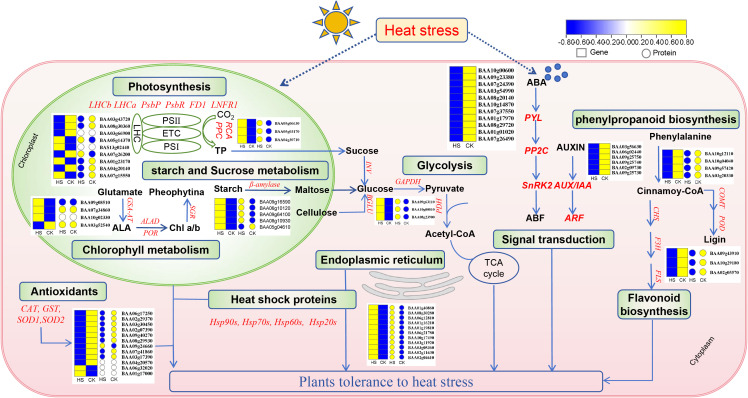 Figure 8
Peer Reviews
No public reviews on file for this paper yet. If you reviewed it on a platform where reviews are public (OpenReview, ICLR, NeurIPS, ICML), you can paste yours below so the community can read it here.
Videos
No videos yet. Explain this paper in a talk, walkthrough, or lecture? Add one.
Taxonomy
TopicsPlant Stress Responses and Tolerance · Nitrogen and Sulfur Effects on Brassica · Lipid metabolism and biosynthesis