Computational optimization of two-photon holographic stimulation sites in vivo
Marcus A Triplett, Edgar Bäumler, Alex Prodan, Rokas Stonis, Darcy S Peterka, Michael Häusser, Liam Paninski

TL;DR
This paper introduces a new computational method to improve the precision of two-photon holographic optogenetics in stimulating specific neurons in the brain.
Contribution
A novel real-time computational method using adaptive non-negative basis function regression to reduce off-target stimulation in optogenetics.
Findings
The NBFR method can fit models for hundreds of neurons in seconds and optimize stimulation sites in milliseconds.
The method was validated in simulations and in vivo experiments in mouse hippocampus.
The approach effectively reduces off-target stimulation under realistic experimental conditions.
Abstract
Objective. Determining the intricate structure and function of neural circuits requires the ability to precisely manipulate circuit activity. Two-photon holographic optogenetics has emerged as a powerful tool for achieving this via flexible excitation of user-defined neural ensembles. However, the precision of two-photon optogenetics has been constrained by off-target stimulation (OTS), an effect where proximal non-target neurons can be unintentionally activated due to imperfect spatial confinement of light onto target neurons. New approaches are therefore needed to resolve the OTS problem. Approach. Here, we introduce a real-time computational method for mitigating OTS that first empirically samples each neuron’s sensitivity to stimulation at proximal locations, and then optimizes stimulation sites using a fast, interpretable model based on adaptive non-negative basis function…
Genes, proteins, chemicals, diseases, species, mutations and cell lines named across the full text — each resolved to its canonical identifier and authoritative record.
Click any figure to enlarge with its caption.
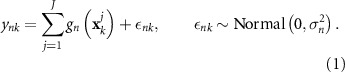 Figure 1
 Figure 2
 Figure 3
 Figure 4
 Figure 5
 Figure 6
 Figure 7
 Figure 8
 Figure 9
 Figure 10
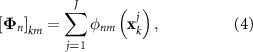 Figure 11
 Figure 12
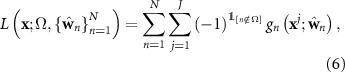 Figure 13
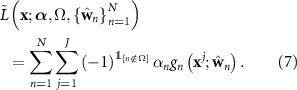 Figure 14
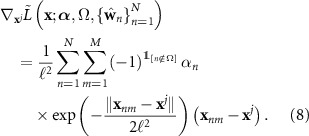 Figure 15
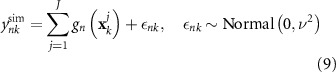 Figure 16
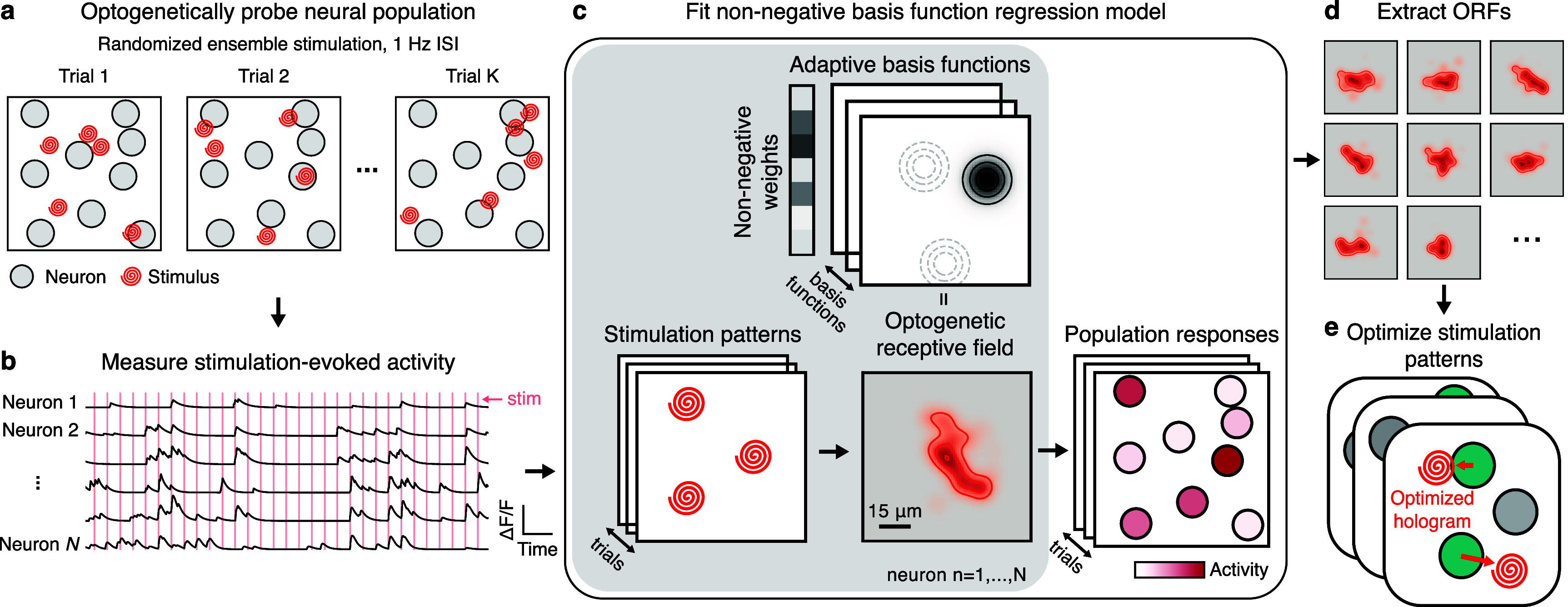 Figure 17
 Figure 18
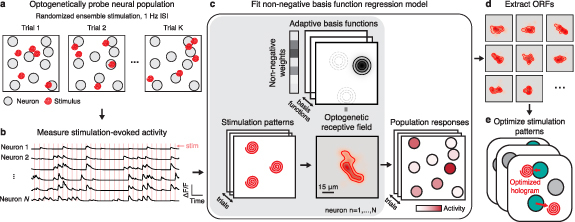 Figure 19
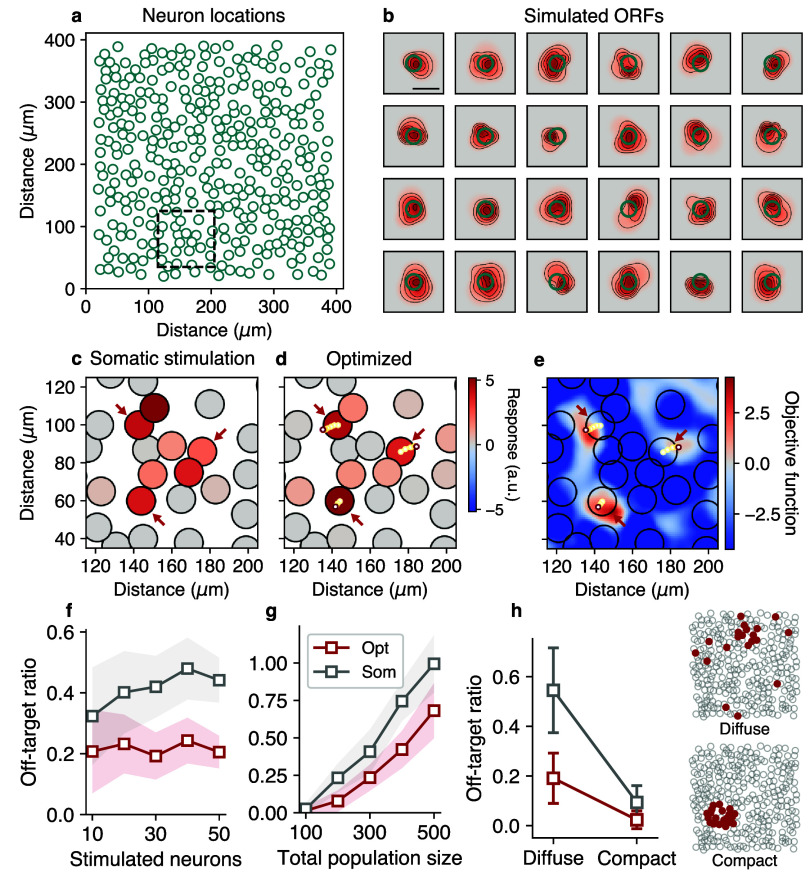 Figure 20
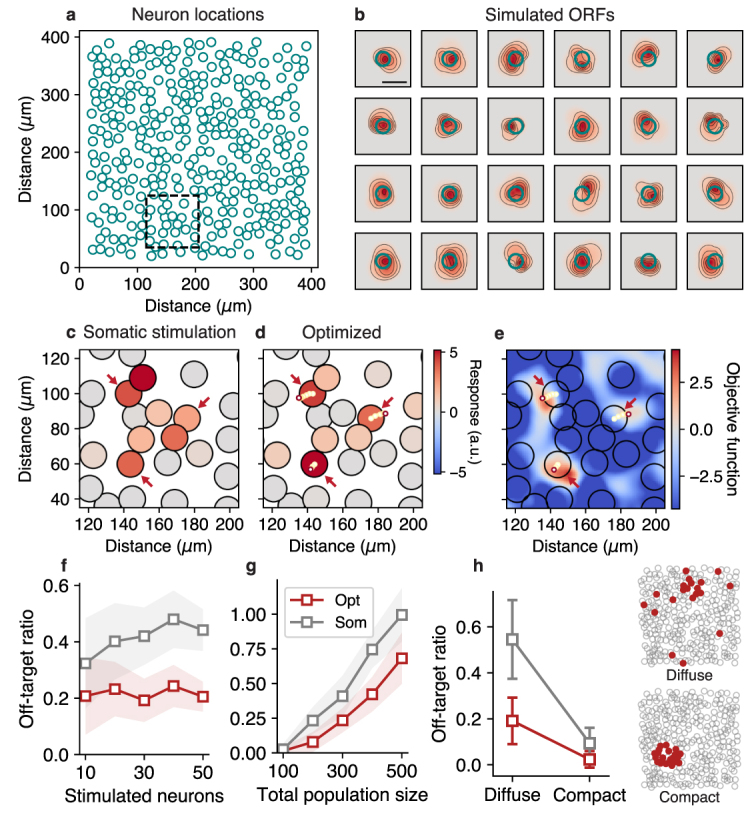 Figure 21
 Figure 22
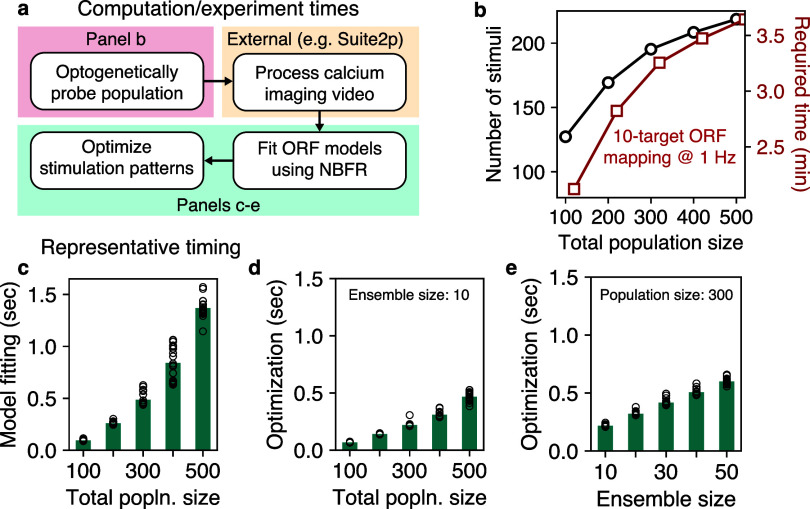 Figure 23
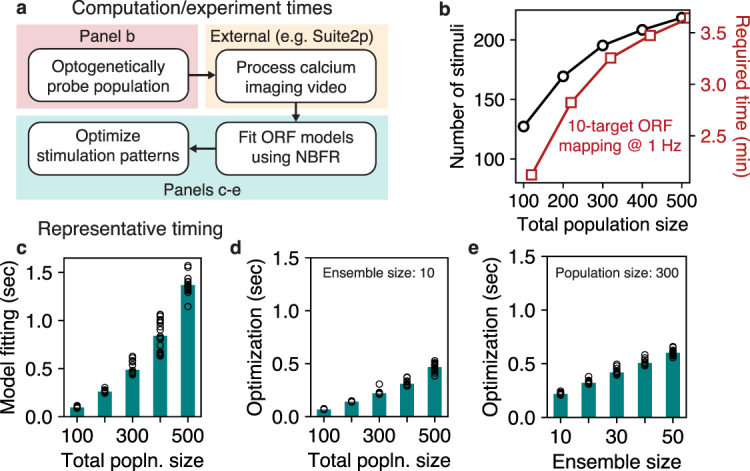 Figure 24
 Figure 25
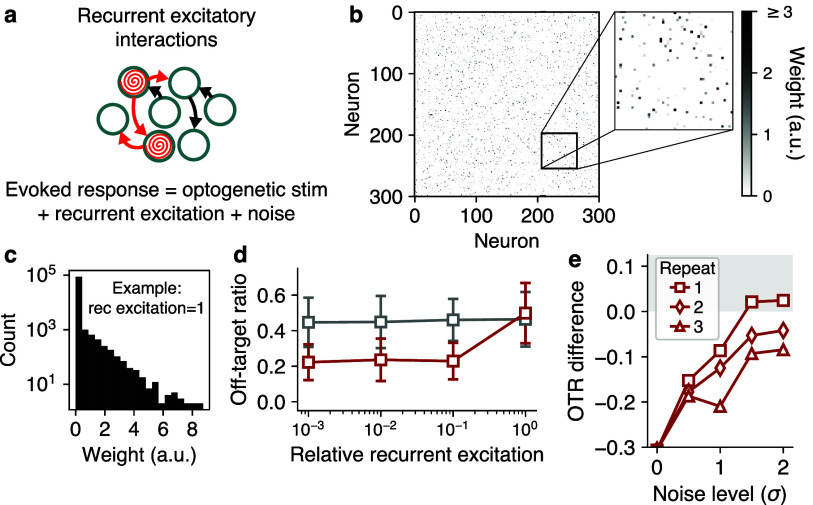 Figure 26
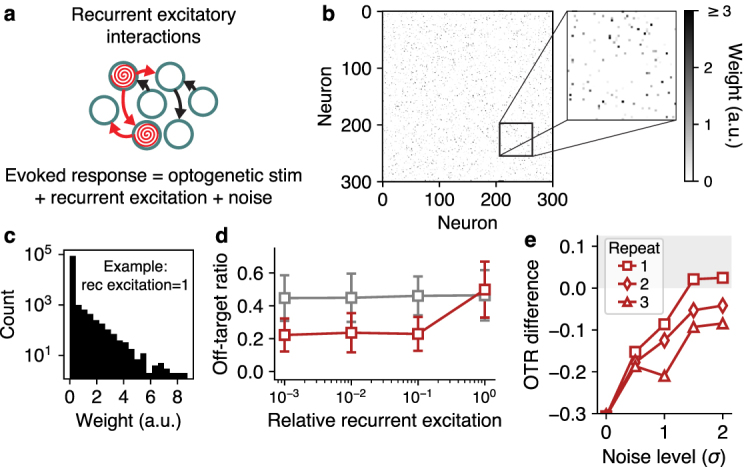 Figure 27
 Figure 28
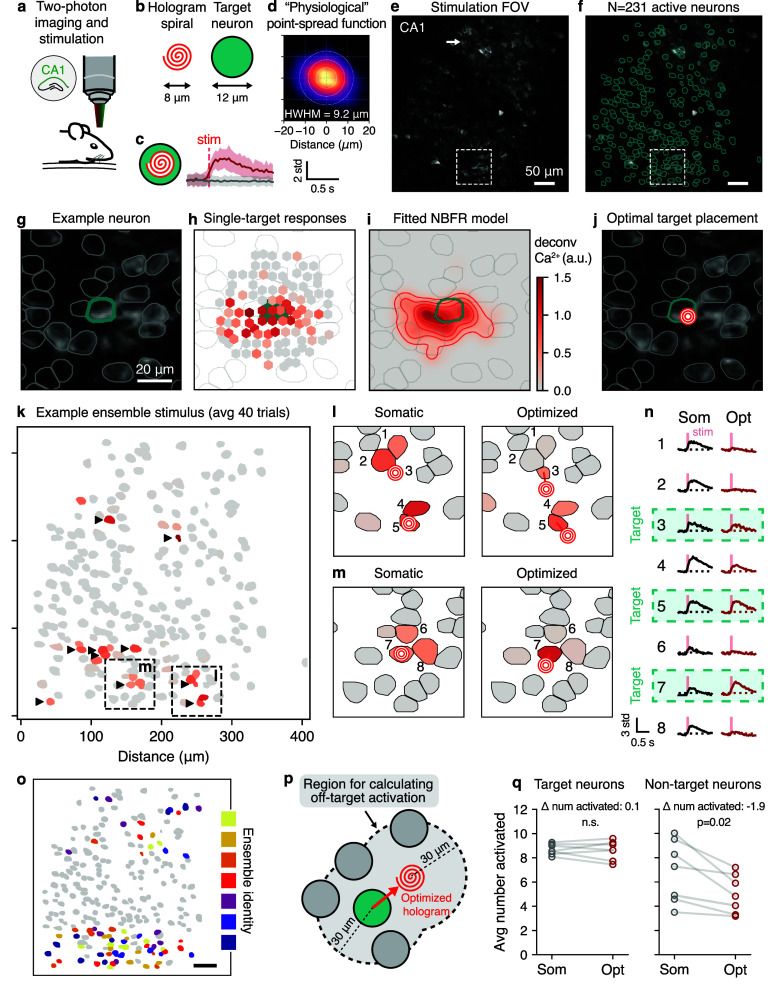 Figure 29
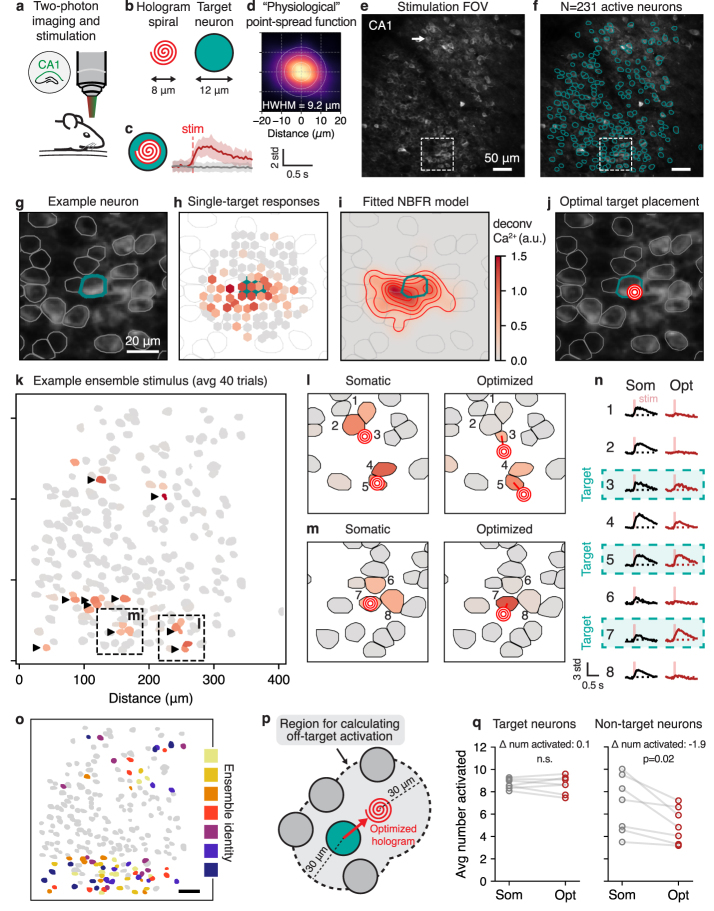 Figure 30
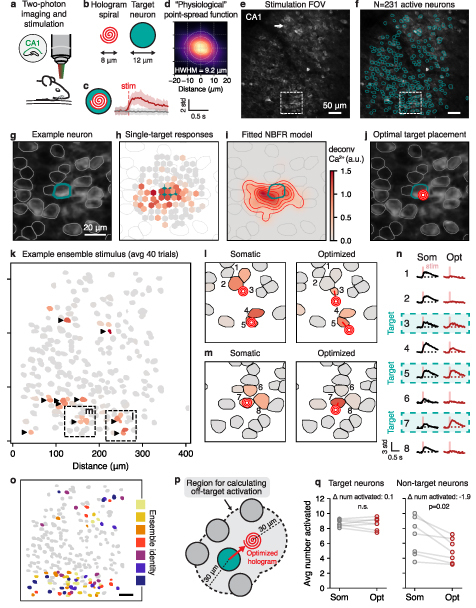 Figure 31
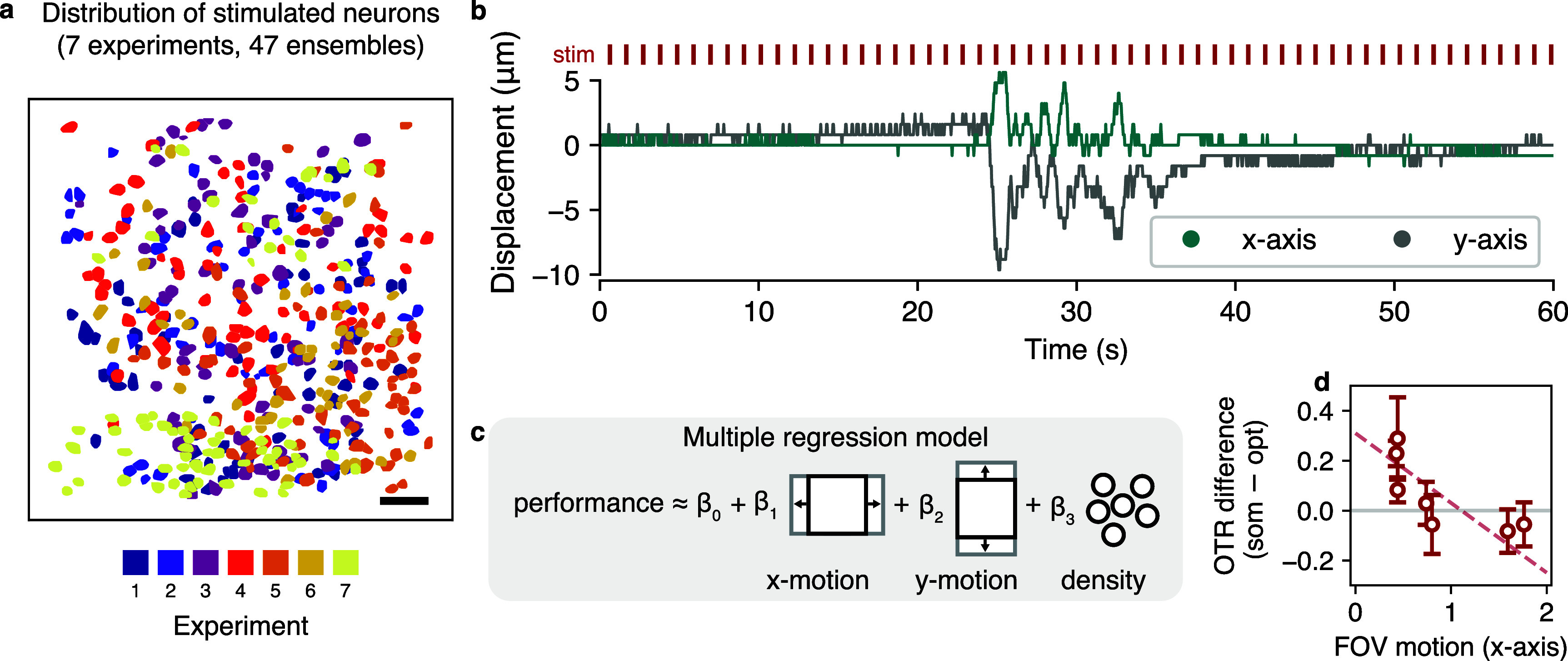 Figure 32
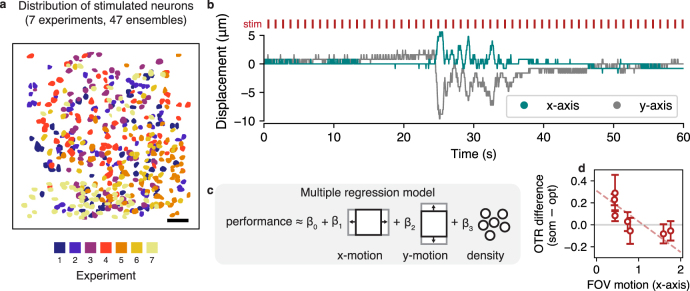 Figure 33
 Figure 34
 Figure 35
 Figure 36
 Figure 37
 Figure 38
 Figure 39
 Figure 40
 Figure 41
 Figure 42
 Figure 43
 Figure 44
 Figure 45
 Figure 46
 Figure 47
 Figure 48
 Figure 49
 Figure 50
Peer Reviews
No public reviews on file for this paper yet. If you reviewed it on a platform where reviews are public (OpenReview, ICLR, NeurIPS, ICML), you can paste yours below so the community can read it here.
Videos
No videos yet. Explain this paper in a talk, walkthrough, or lecture? Add one.
Taxonomy
TopicsPhotoreceptor and optogenetics research · Photochromic and Fluorescence Chemistry · Advanced Fluorescence Microscopy Techniques