Photoactivatable Carborhodol and Carborhodamine Dyes with One Cleavable Group: Synthesis, Spectra, and Fluorescence Nanoscopy Applications
Taukeer A. Khan, Mariano L. Bossi, Alena Fischer, Vladimir N. Belov, Stefan W. Hell

TL;DR
Scientists developed new fluorescent dyes with a single caging group for better solubility and faster photoactivation in super-resolution microscopy.
Contribution
The introduction of monocaged photoactivatable dyes with one cleavable group improves biocompatibility and simplifies activation.
Findings
Monocaged dyes have lower molecular mass and improved solubility compared to traditional dyes with two caging groups.
Probes with COOH groups allow for irreversible single-step photoactivation emitting yellow or orange light.
Carborhodol showed reversible emission changes at pH > 7, useful for orthogonal activation.
Abstract
Photoactivatable (PA) dyes with symmetric structures and two caging groups, rhodamines and carbo- and silicon-rhodamines, have been widely applied in super-resolution microscopy of subcellular structures with optical resolution far below the diffraction limit. The presence of two “heavy” caging groups reduces the solubility of a probe and, eventually, makes it less biocompatible. The photocleavage in two steps prolongs the photolysis time required for complete PA; it may cause excessive bleaching and secondary photoreactions. Here, we introduce “monocaged” PA fluorescent dyes based on xanthene cores with two heteroatoms (N, O, or N, N). In contrast to standard approaches, we protected only one heteroatom (either N or O) with a photocleavable (4,5-dimethoxy-2-nitrobenzyl) group and demonstrate that it is sufficient to mask the fluorescence of carbo-rhodol and carbo-rhodamine dyes. The…
Genes, proteins, chemicals, diseases, species, mutations and cell lines named across the full text — each resolved to its canonical identifier and authoritative record.
Click any figure to enlarge with its caption.
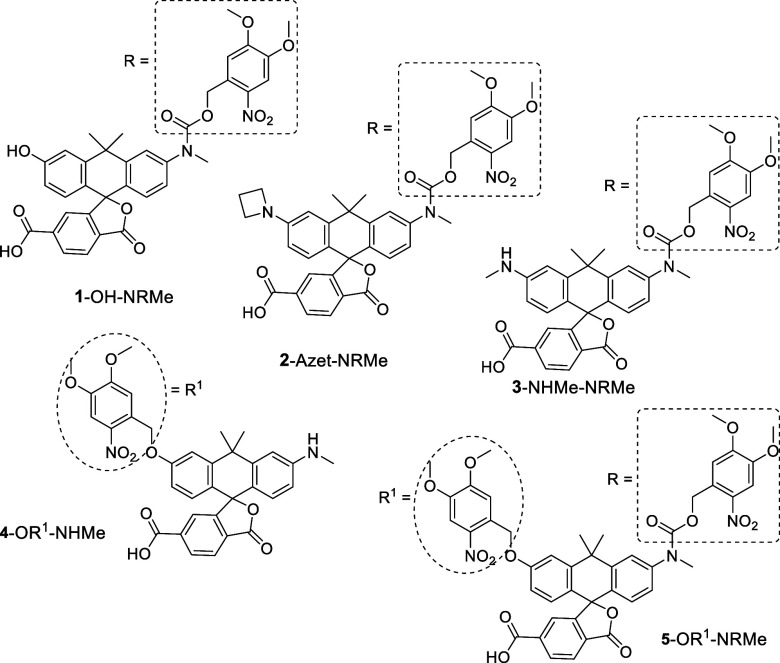 Figure 1
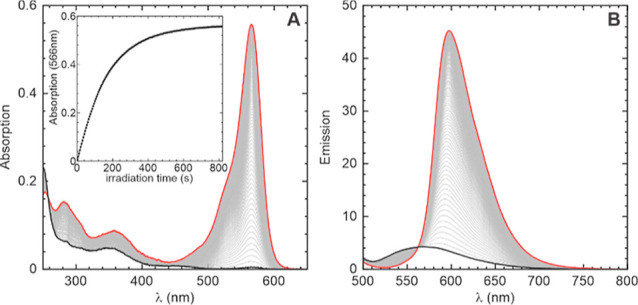 Figure 2
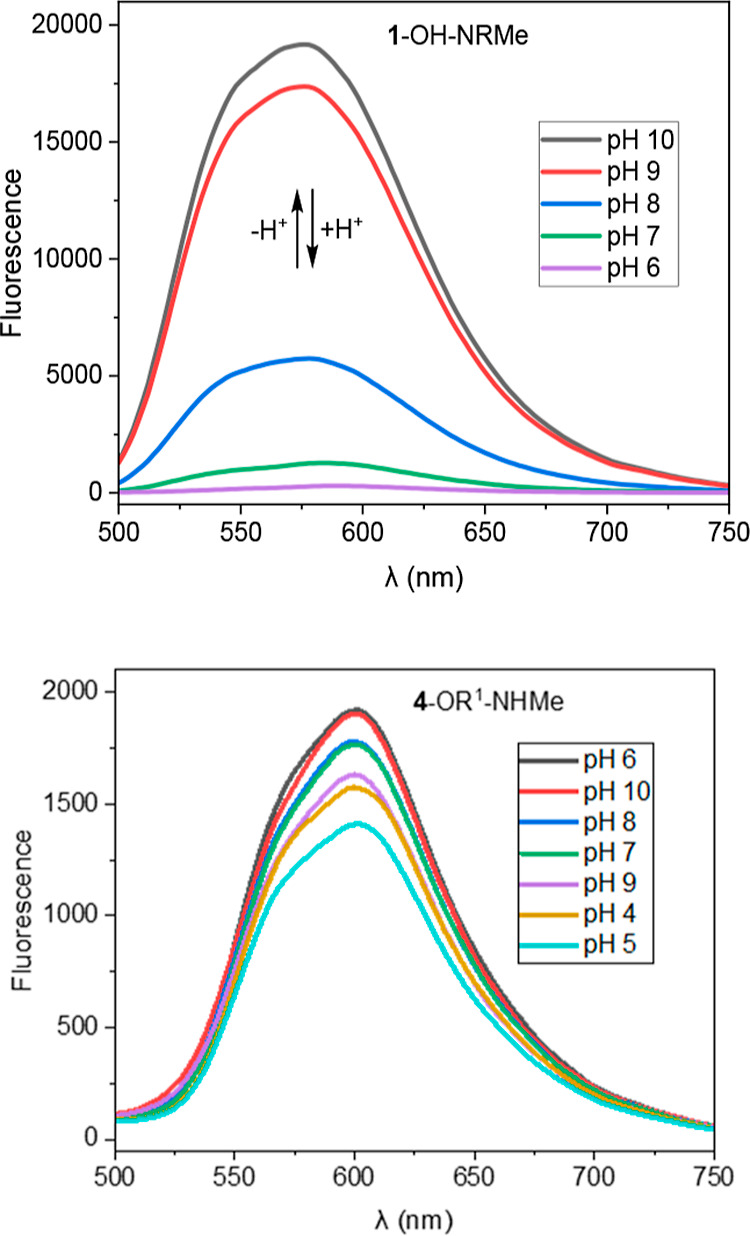 Figure 3
 Figure 4
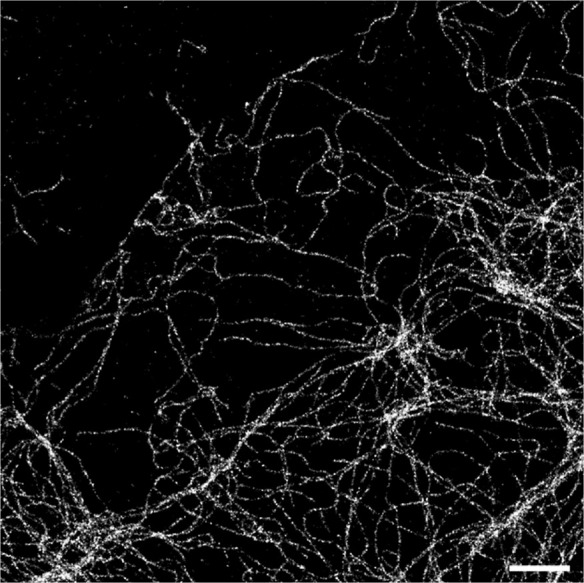 Figure 5
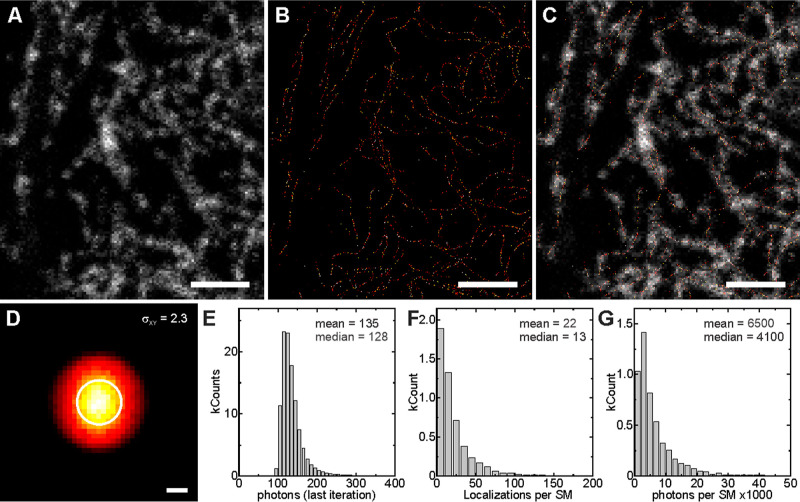 Figure 6
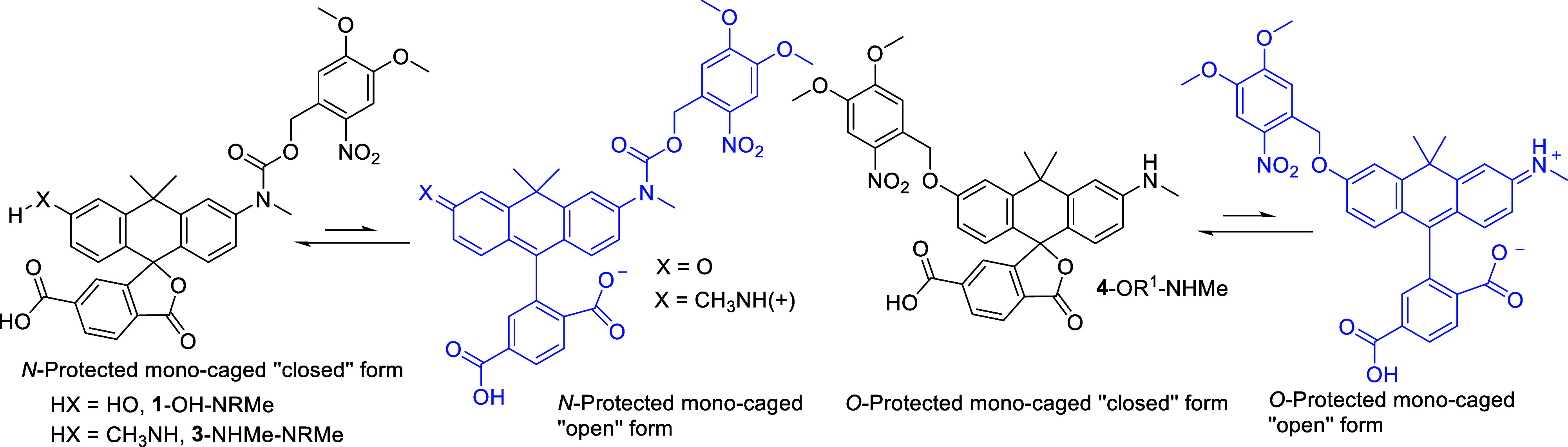 Figure 7
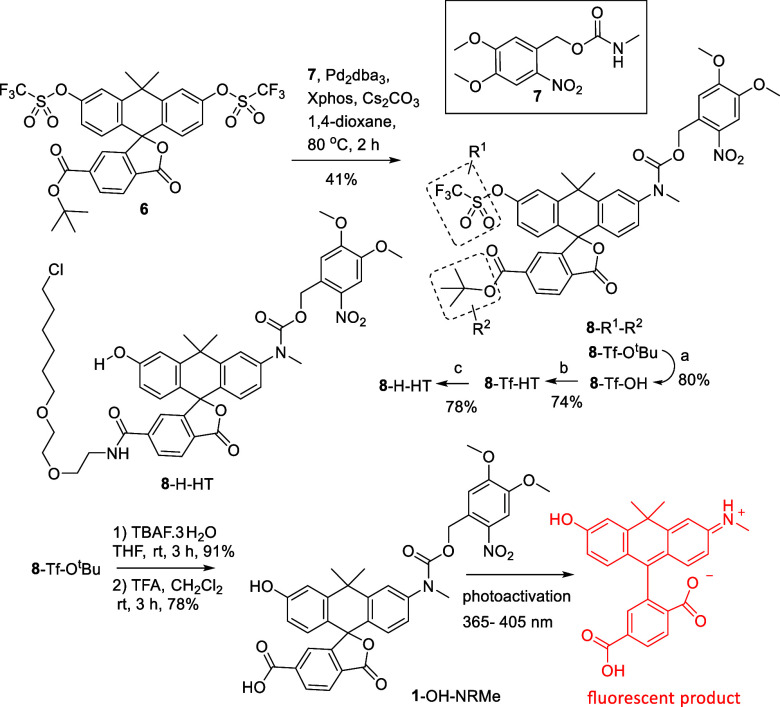 Figure 8
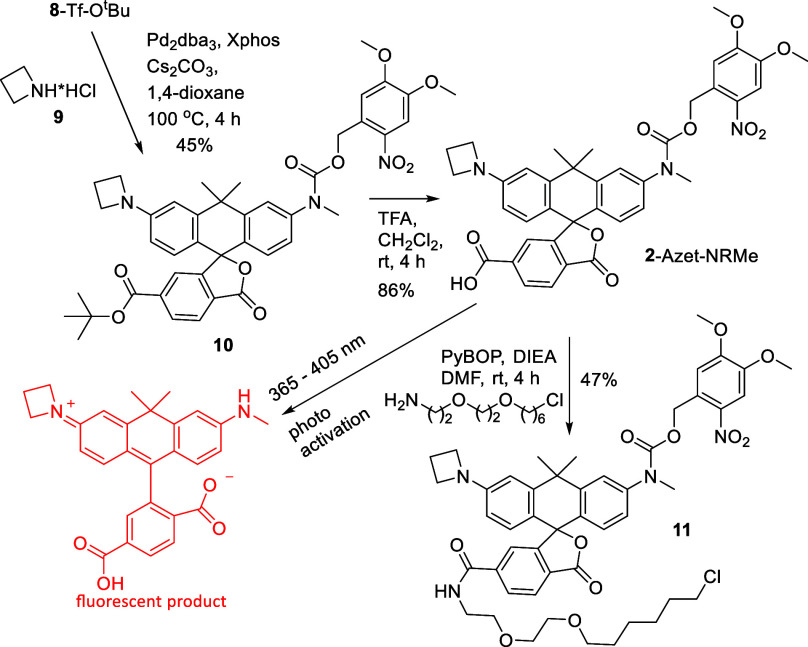 Figure 9
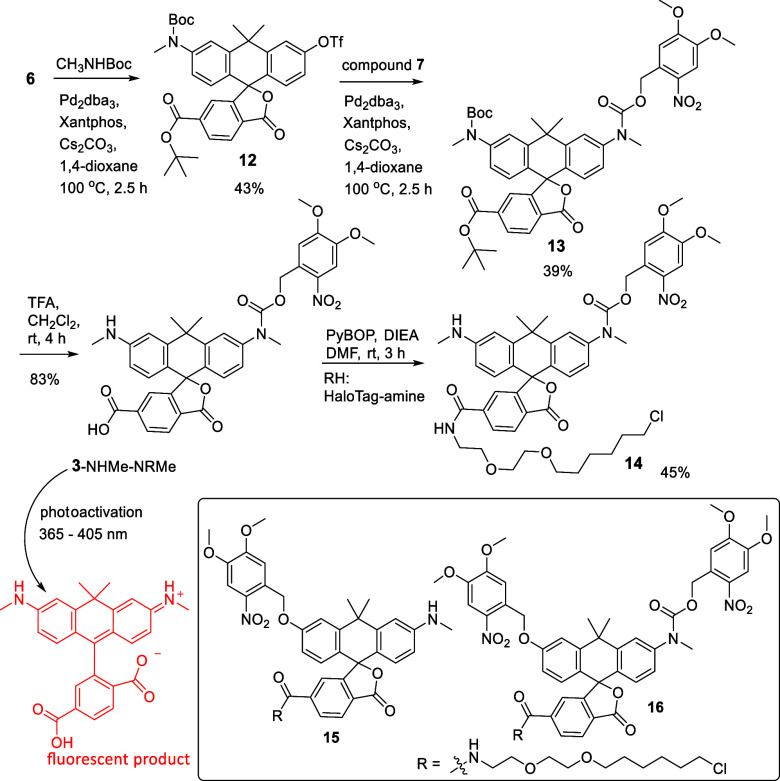 Figure 10
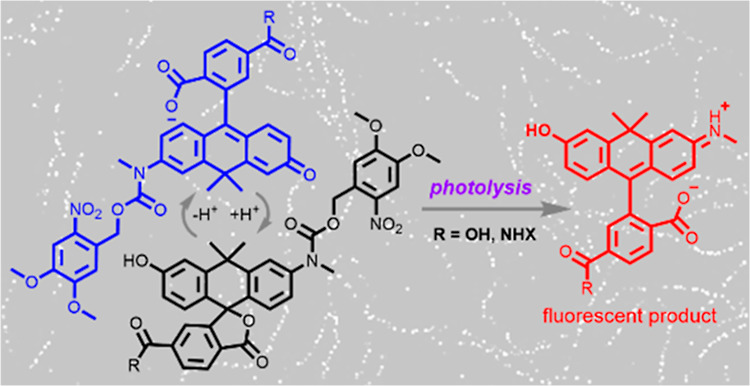 Figure 11
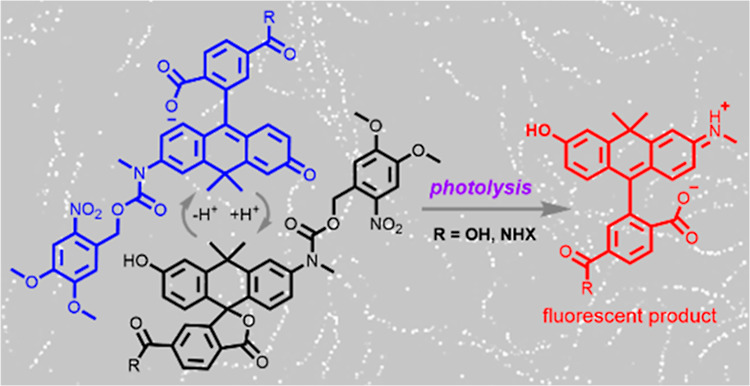 Figure 12
Peer Reviews
No public reviews on file for this paper yet. If you reviewed it on a platform where reviews are public (OpenReview, ICLR, NeurIPS, ICML), you can paste yours below so the community can read it here.
Videos
No videos yet. Explain this paper in a talk, walkthrough, or lecture? Add one.
Taxonomy
TopicsAdvanced Fluorescence Microscopy Techniques · Nonlinear Optical Materials Studies · Luminescence and Fluorescent Materials