Cofactor-Free Serial Amplification of Tau Filaments from Alzheimer’s Disease and Other Tauopathies Depends on the Conformational State of Tau Monomers
Zachariah Y. Gabani, Jasdeep Singh, Eric D. Hamlett, Ann-Charlotte Granholm, Martin Margittai

TL;DR
This study shows that Tau filaments in Alzheimer’s disease and other tauopathies can grow without cofactors, depending on the shape of individual Tau proteins.
Contribution
The study reveals that cofactor-free amplification of Tau filaments depends on the conformational state of Tau monomers.
Findings
AD Tau filaments can recruit Tau monomers without cofactors at low salt concentrations.
PSP and PiD Tau filaments can also be amplified without cofactors, retaining their cross-seeding properties.
The conformational state of Tau monomers determines whether filament propagation occurs.
Abstract
Tau filaments are a defining characteristic of Alzheimer’s disease (AD) and numerous other neurodegenerative disorders. The deposition of Tau protein into aggregates involves templated recruitment of Tau monomers onto the filament ends via their microtubule-binding repeats. This structural conversion is central to the propagation of Tau pathology, yet its molecular mechanisms are still poorly understood. Specifically, it is unclear whether cofactors are required for templated growth. To gain insights into this process, we probed the serial amplification of pathological Tau filaments from AD, Pick’s disease (PiD), and progressive supranuclear palsy (PSP). These filaments are made from different compositions of three- and four-repeat (3R and 4R) Tau. We observe that AD Tau filaments recruit full-length 3R and 4R Tau in the absence of cofactors at low salt concentration but not at…
Genes, proteins, chemicals, diseases, species, mutations and cell lines named across the full text — each resolved to its canonical identifier and authoritative record.
Click any figure to enlarge with its caption.
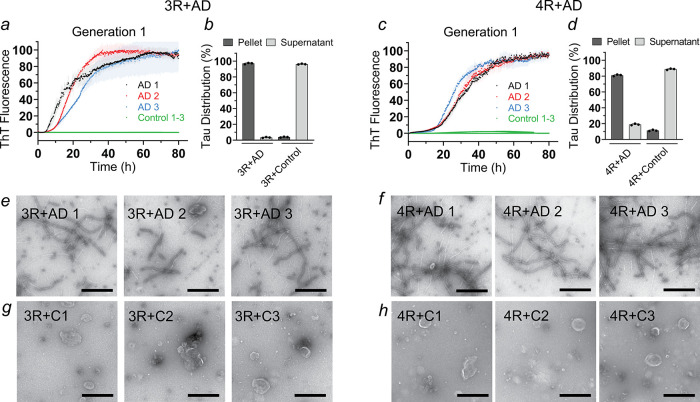 Figure 1
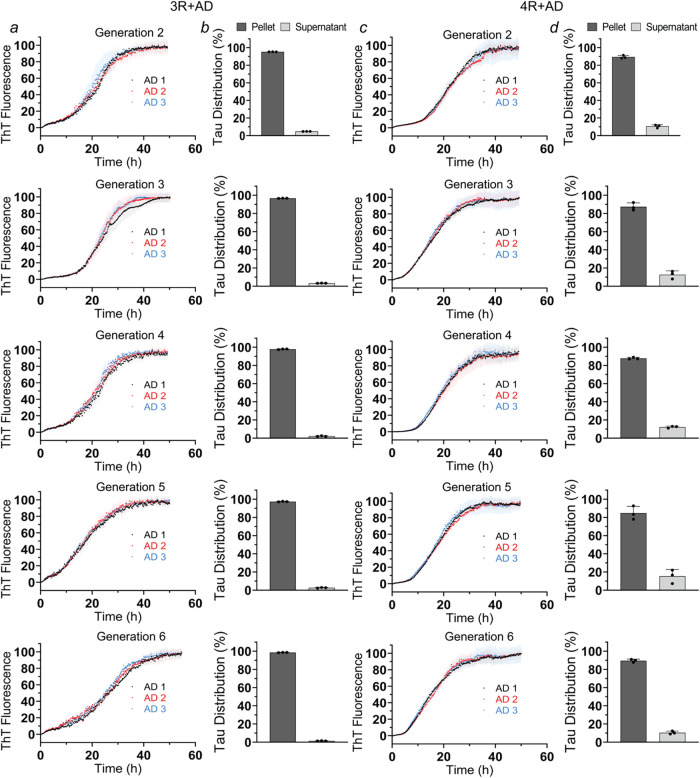 Figure 2
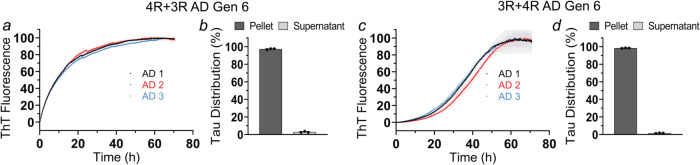 Figure 3
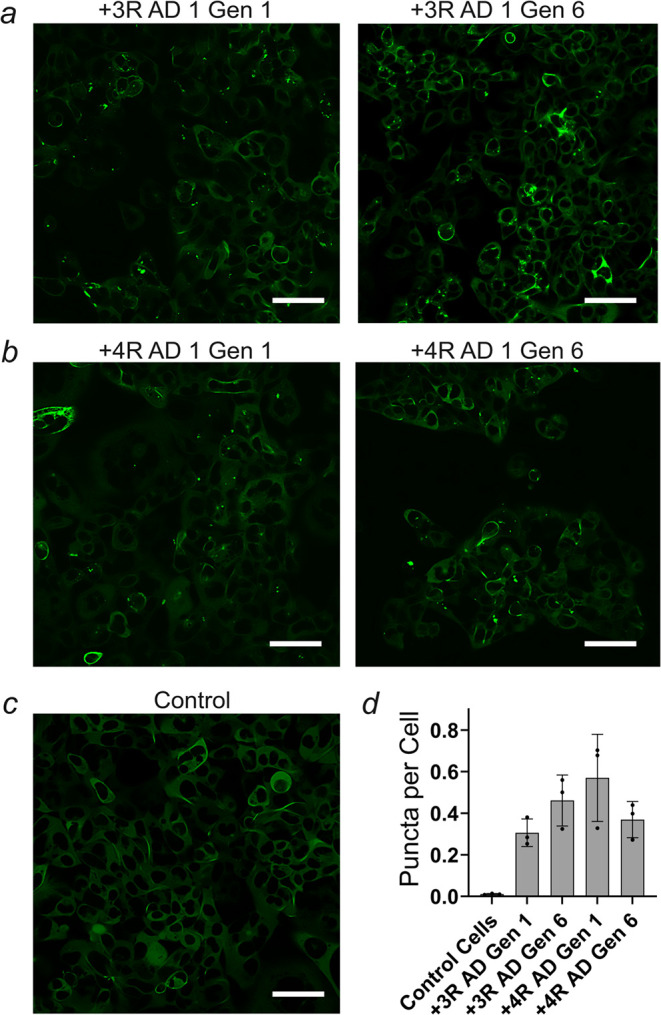 Figure 4
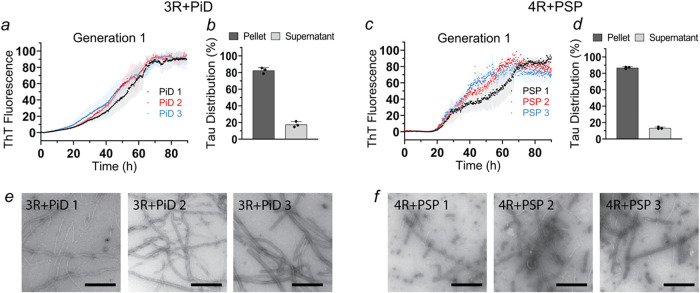 Figure 5
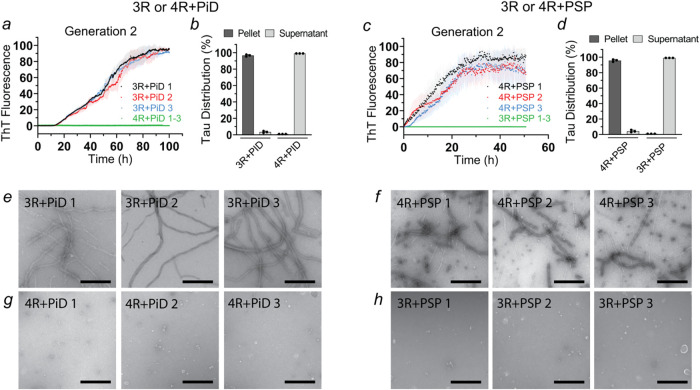 Figure 6
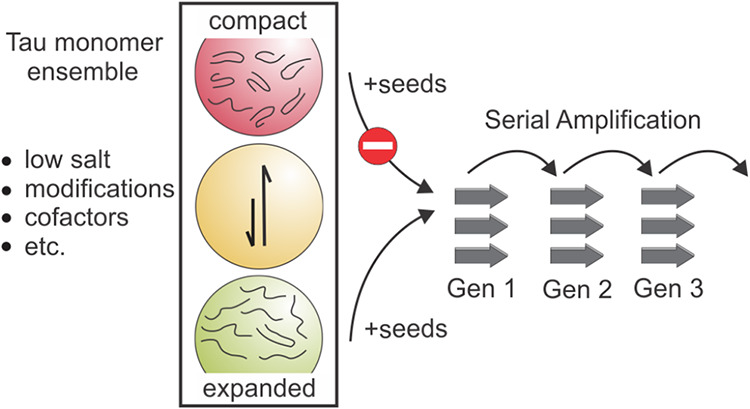 Figure 7
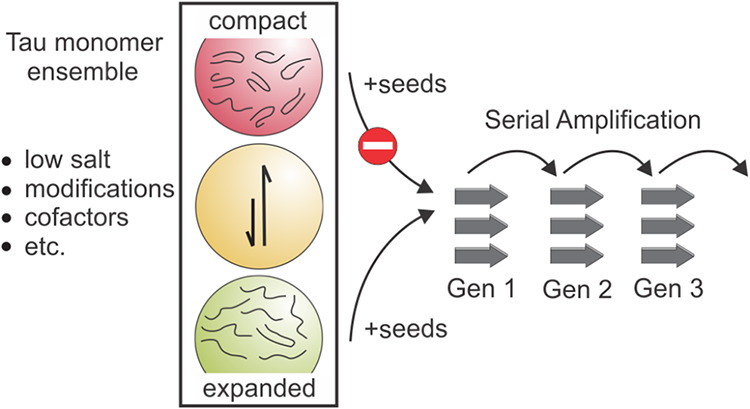 Figure 8
Peer Reviews
No public reviews on file for this paper yet. If you reviewed it on a platform where reviews are public (OpenReview, ICLR, NeurIPS, ICML), you can paste yours below so the community can read it here.
Videos
No videos yet. Explain this paper in a talk, walkthrough, or lecture? Add one.
Taxonomy
TopicsAlzheimer's disease research and treatments · Genetic Neurodegenerative Diseases · Microtubule and mitosis dynamics