Characterizing household air pollutant concentrations associated with an electrification program in the rural San Joaquin Valley
Michael Johnson, Katherine A Kearns, Jesus Rivera, Sydney M Jones, Jessica Tryner, Heather Miller, Ahana Ghosh, Maria Fe Aragon, Misbath Daouda, Ajay Pillarisetti, Tim Tyner

TL;DR
This study found that switching to electric stoves in rural low-income homes significantly reduces indoor nitrogen dioxide levels, improving air quality and potentially reducing health risks.
Contribution
The study provides new evidence on the health benefits of electrification in rural, low-income communities, an understudied population.
Findings
Electric stove homes had 63% lower median indoor NO2 concentrations compared to gas stove homes.
Shorter monitoring durations (2-4 days for NO2, one week for PM2.5) provided reliable estimates of indoor air quality.
PM2.5 concentrations were similar across electric and gas stove homes, indicating food-related emissions dominate.
Abstract
Indoor nitrogen dioxide (NO2) and fine particulate matter (PM2.5) are concerns in U.S. households, especially those that cook using gas or propane stoves. Exposures to these and other indoor pollutants are linked to a variety of adverse health outcomes, including asthma morbidity, that disproportionately affect low-income households. We conducted a cross-sectional study of 138 homes in four low-income rural communities in California’s San Joaquin Valley, comparing air pollutant concentrations between households that participated in a state electrification program and households using propane or natural gas for cooking. In each home, pollutants were monitored for approximately one month using personal air monitors and for 48 h using reference-grade instruments. Median 48-h average indoor NO2 concentrations were 63% lower in electric stove homes (electric: 6.0 ppb, gas: 16.0 ppb, p <…
Genes, proteins, chemicals, diseases, species, mutations and cell lines named across the full text — each resolved to its canonical identifier and authoritative record.
Click any figure to enlarge with its caption.
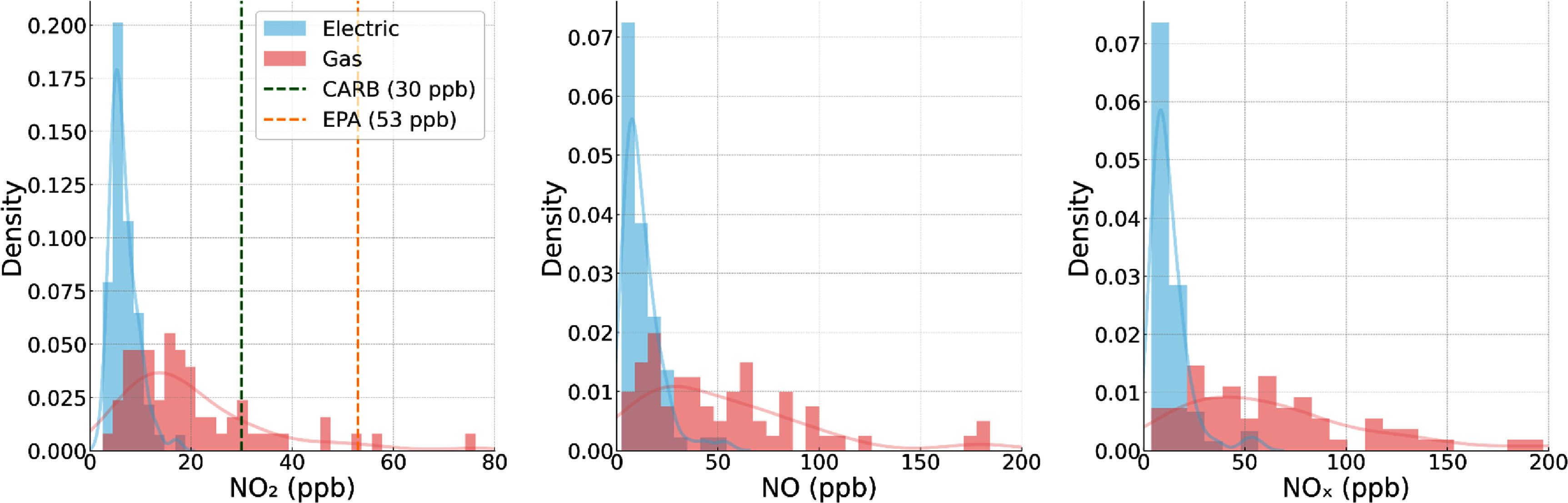 Figure 1
 Figure 2
 Figure 3
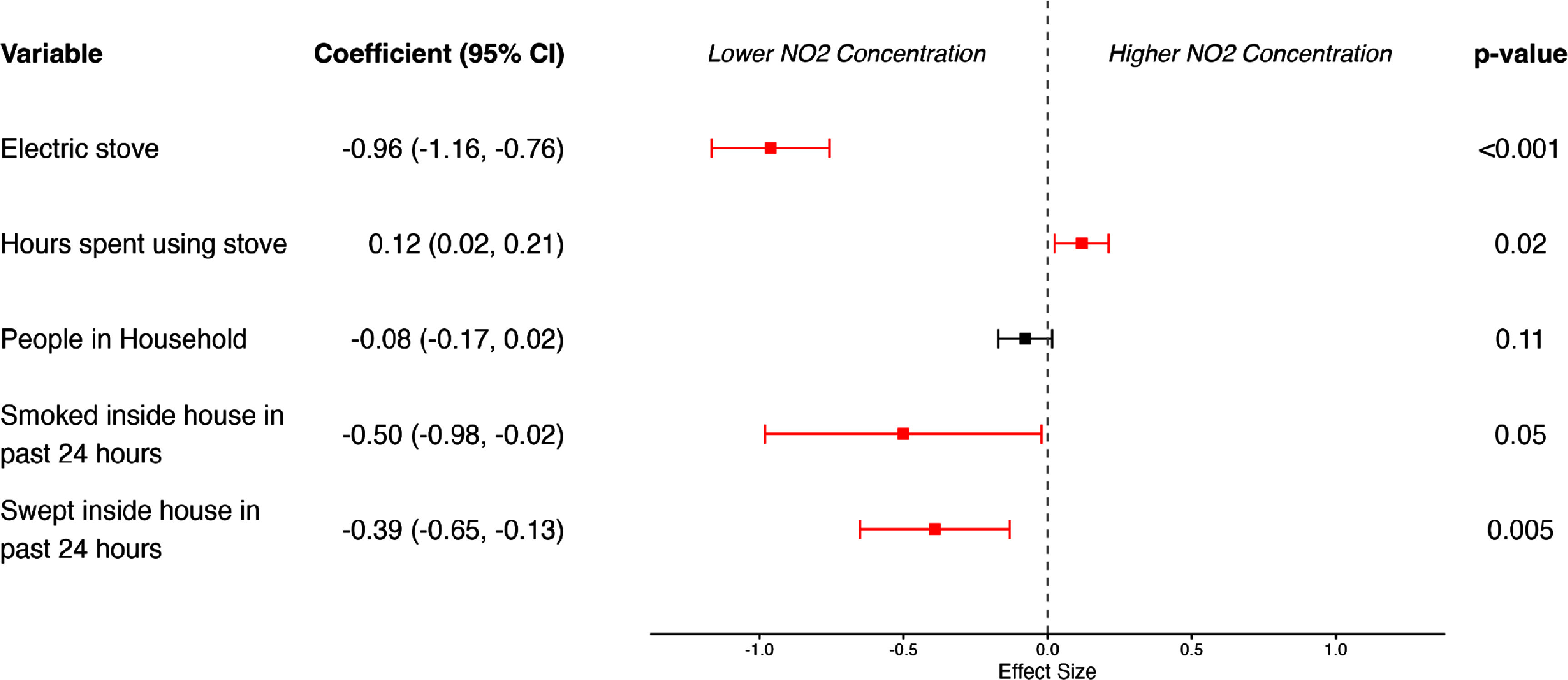 Figure 4
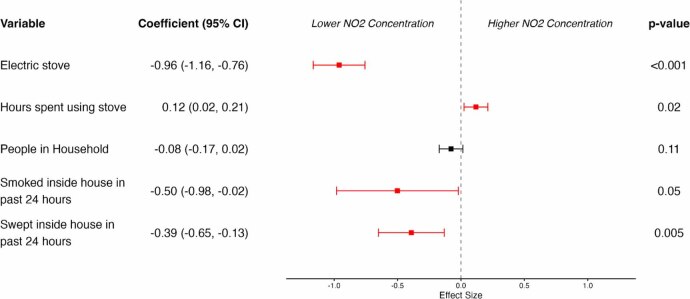 Figure 5
 Figure 6
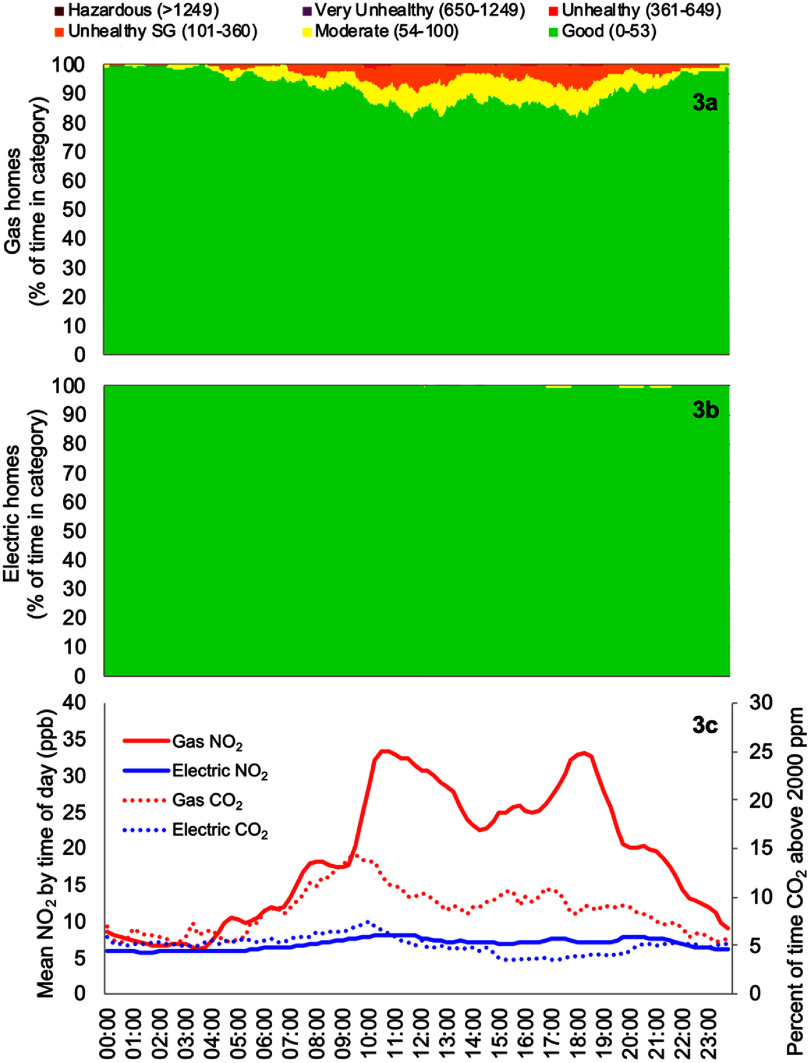 Figure 7
 Figure 8
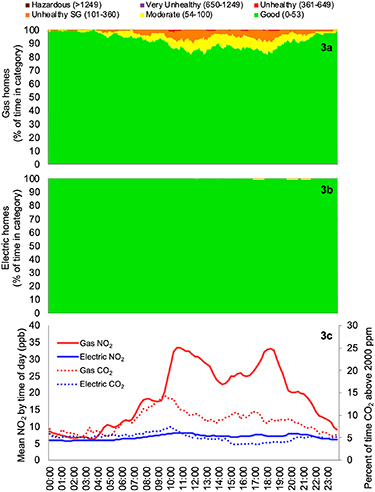 Figure 9
Peer Reviews
No public reviews on file for this paper yet. If you reviewed it on a platform where reviews are public (OpenReview, ICLR, NeurIPS, ICML), you can paste yours below so the community can read it here.
Videos
No videos yet. Explain this paper in a talk, walkthrough, or lecture? Add one.
Taxonomy
TopicsEnergy and Environment Impacts · Air Quality and Health Impacts · Coffee research and impacts