Thermo‐Chemically Modified Silk Scaffolds Reveal Niche‐Driven Regulation of Hematopoiesis and Fibrosis
Christian A. Di Buduo, Carolina P. Miguel, Giulia Della Rosa, Vittorio Abbonante, Santo Diprima, Delfina Tosi, Marta Filibian, Daniele Cattaneo, Jugal Kishore Sahoo, Nicola Tirelli, Alessandra Iurlo, Umberto Gianelli, David L. Kaplan, Alessandra Balduini

TL;DR
A 3D silk-based bone marrow model is developed to study blood cell formation and disease-related disruptions in a controlled environment.
Contribution
A tunable silk scaffold system is introduced to mimic bone marrow, enabling study of hematopoiesis and fibrosis in health and disease.
Findings
Silk scaffolds support differentiation of hematopoietic stem cells into megakaryocytes and platelets.
MSCs cultured on the scaffolds show transcriptional profiles similar to native bone marrow stroma.
The model simulates fibrotic conditions and reveals impaired megakaryocyte maturation in patient-derived cells.
Abstract
Recreating the human bone marrow microenvironment in vitro remains a critical challenge in advancing our understanding of hematopoiesis and its disruption in disease. Here, we present a fully tunable bone marrow model based on silk fibroin scaffolds engineered through thermo‐chemical processing to replicate the mechanical and structural features of native marrow. This 3D platform integrates mesenchymal stromal cells (MSCs) and supports the functional differentiation of hematopoietic stem and progenitor cells (HSPCs) into mature megakaryocytes and platelets. RNA sequencing of MSCs cultured on physiologically tuned scaffolds revealed transcriptional programs closely aligned with native stroma, validating the fidelity of the engineered niche. The model captures essential marrow dynamics, including matrix remodeling and perfusion flow, enabling direct assessment of thrombopoietic function.…
Genes, proteins, chemicals, diseases, species, mutations and cell lines named across the full text — each resolved to its canonical identifier and authoritative record.
Click any figure to enlarge with its caption.
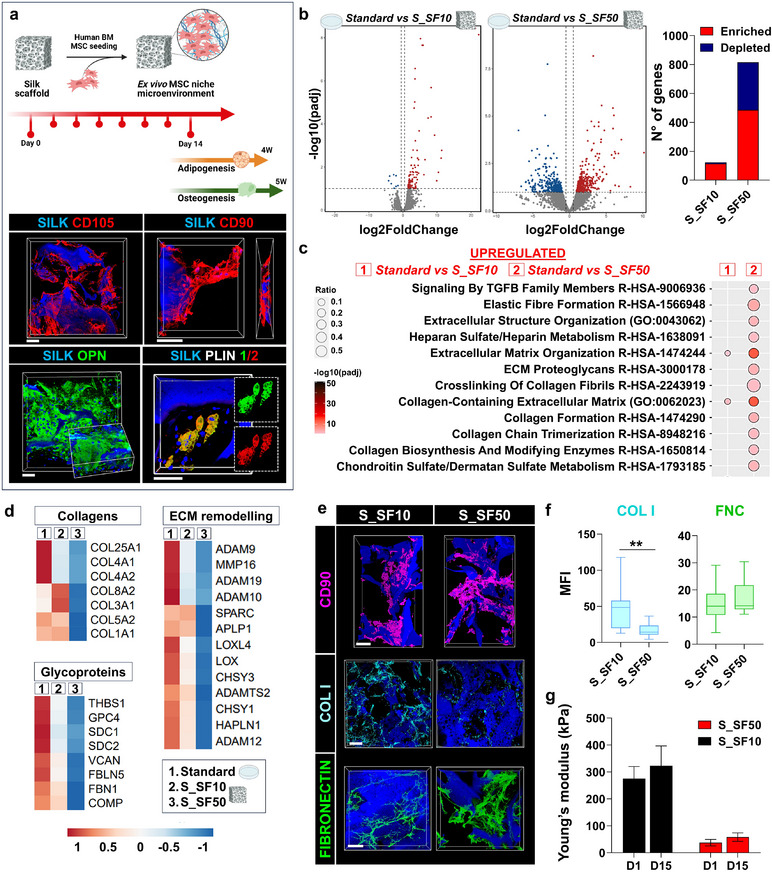 Figure 1
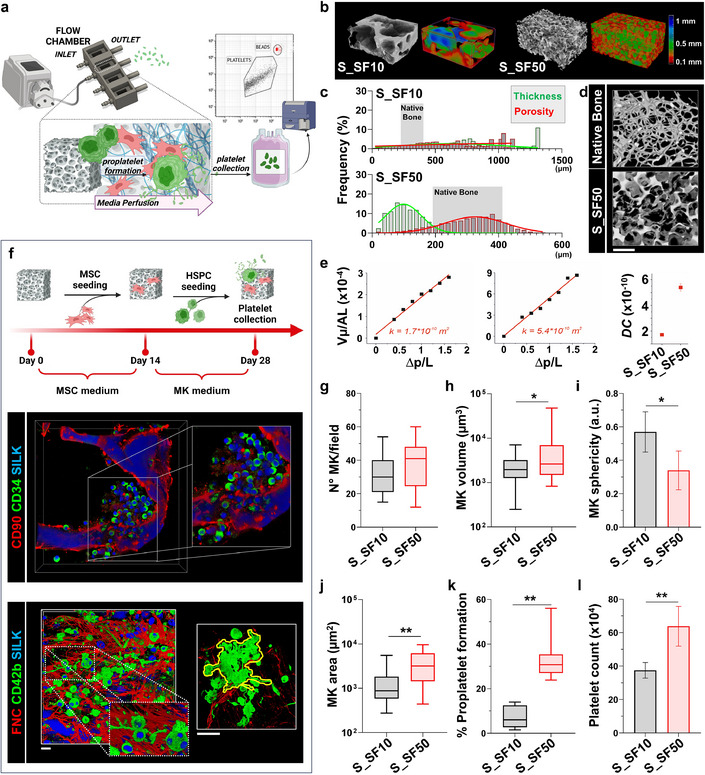 Figure 2
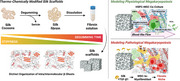 Figure 3
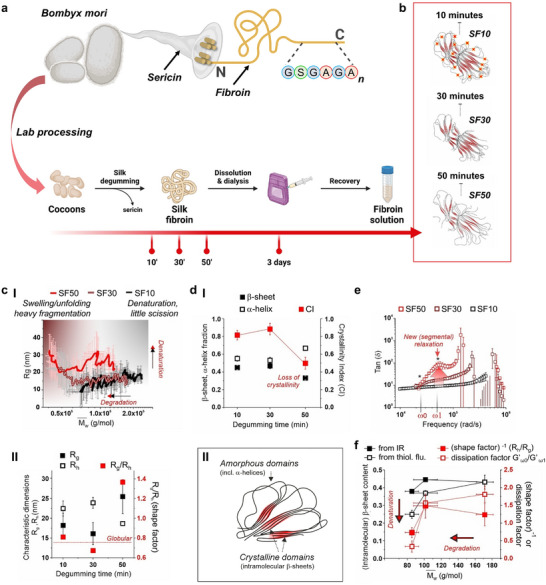 Figure 4
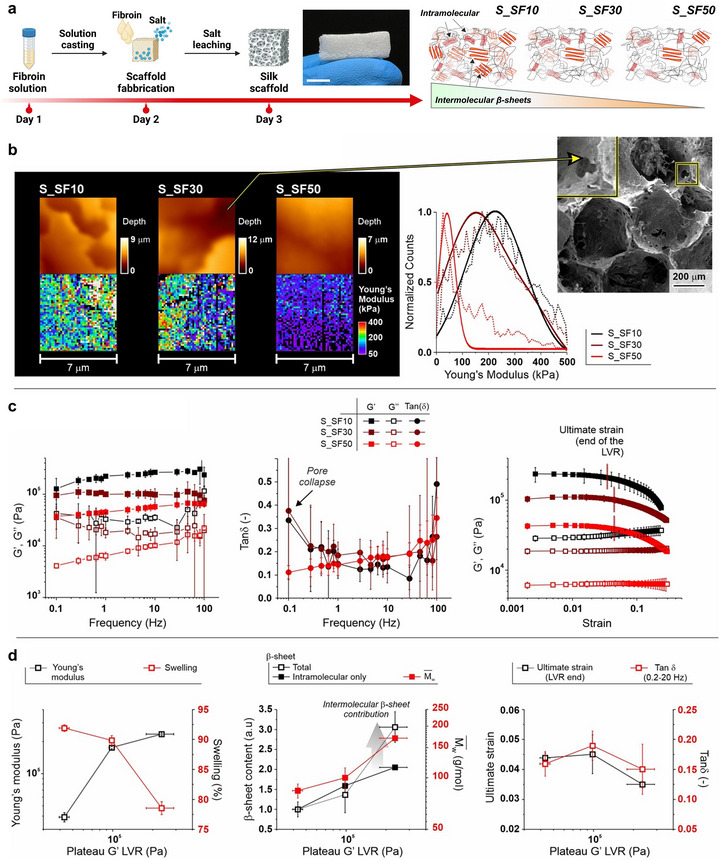 Figure 5
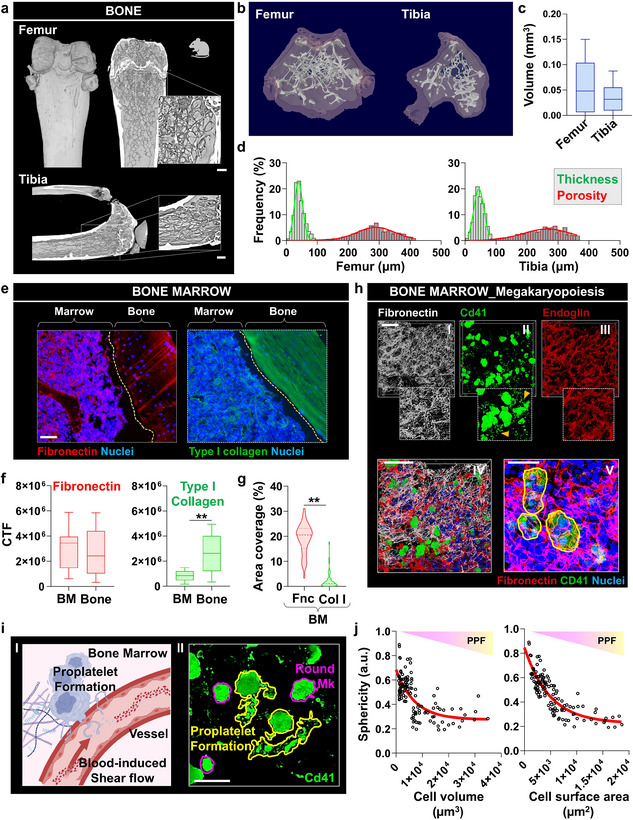 Figure 6
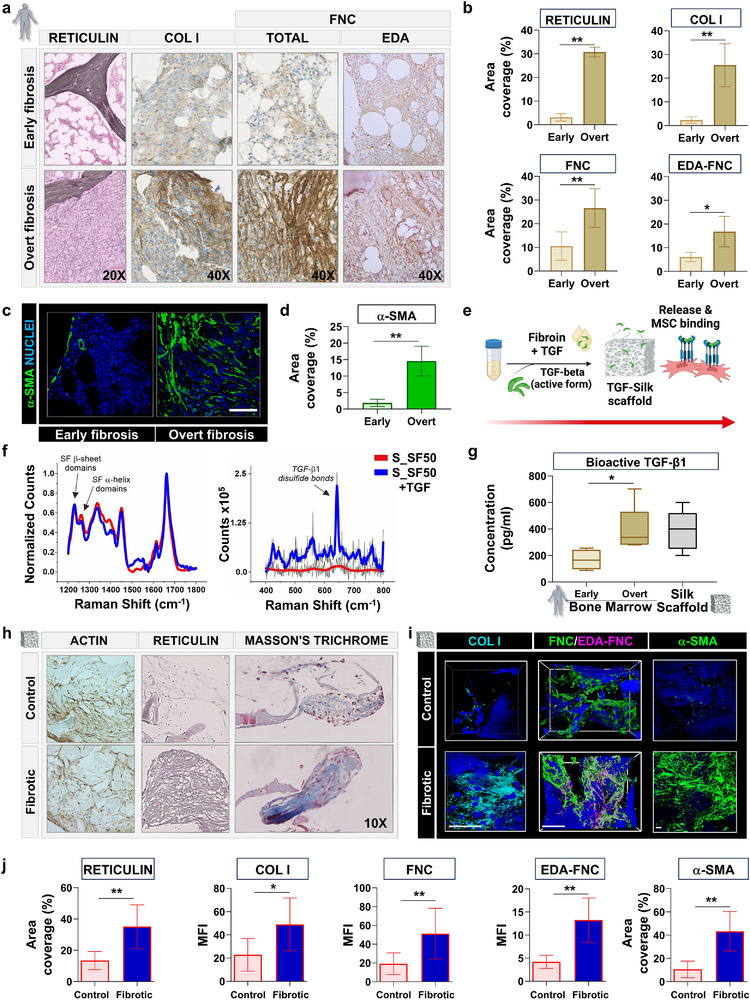 Figure 7
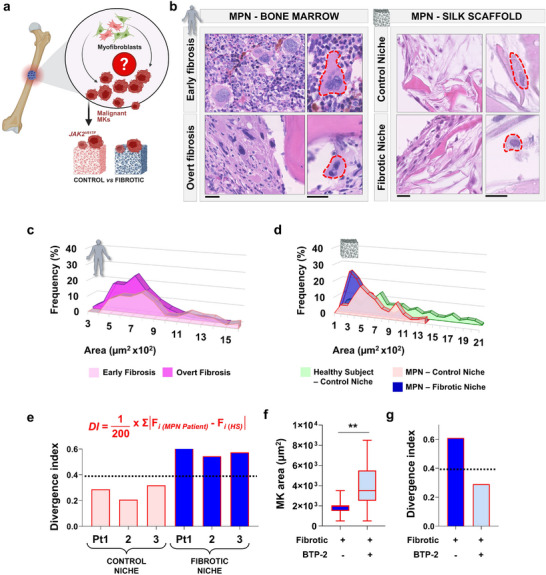 Figure 8
Peer Reviews
No public reviews on file for this paper yet. If you reviewed it on a platform where reviews are public (OpenReview, ICLR, NeurIPS, ICML), you can paste yours below so the community can read it here.
Videos
No videos yet. Explain this paper in a talk, walkthrough, or lecture? Add one.
Taxonomy
TopicsPlatelet Disorders and Treatments · Hematopoietic Stem Cell Transplantation · Myeloproliferative Neoplasms: Diagnosis and Treatment